
Government Pavilion, C/ Padre Herrera s/n
Post Office Box 456
38200, San Cristobal de La Laguna
Santa Cruz de Tenerife - Spain
Switchboard Tel.: (+34) 922 31 90 00
Hours: Mon, 8:00 a.m. to 9:00 p.m.
This microcredential equips students to use bioinformatics databases and tools to analyze nucleic acid and protein sequences, identifying conserved and functionally relevant regions. It also enables them to interpret three-dimensional protein structures, evaluate the impact of modifications in different biological contexts, and model biomolecular networks to study complex cellular systems.
Bioinformatics and Sequence Analysis Module Theory (4 hours): Resources on genomes and proteins. Gene prediction and function. Sequence alignments and phylogenetic reconstruction. Areas of application. Classroom practice (6 hours): Practical cases in environmental microbiology and pathogens.
Protein Structural Analysis and Structure-Function Relationships Module Theory (8 hours): Structural organization of proteins. Methods of structural determination (X-ray crystallography). Relevance and usefulness of structural biology. What is the ProteinDataBank? Sequence-structure and structure-function relationships. Protein folding. Receptors and ion channels. Pathologies associated with structural changes. Classroom practice (12 hours): Structural analysis and image generation with Pymol. Introduction to predictive domain and structure models. Practical cases: sequence and structural analysis of proteins from databases. Identification and discussion of sequence and structural changes.
Biological Systems Module Theory (4 hours): Introduction to systems biology and the modeling of biological systems. Computational methods and models.
Classroom practice (6 hours): Molecular and cellular systems simulation problem.
Lectures/expository method: presentation or explanation by the teaching staff.
Practical classes: activities supervised by the teaching staff in the classroom, laboratories, clinics.
Assessment: written tests, oral tests, practical tests, …
Tutoring: instruction period in which teachers and students interact with the aim of reviewing and discussing materials and topics presented in class.
Written works, memoirs, internship reports, and projects: a document prepared on a topic or activity carried out, following the instructions established by the teaching staff.
Oral presentation and defense of topics, assignments, final projects, etc.: oral presentation on a topic related to the course content or on the results of an assignment, exercise, or project, followed by a discussion with the teaching staff. This can be done individually or in a group.
Credits: 4 ECTS
Duration: 11/05/26-22/05/2026
Teaching modality: In person
Location: Faculty of Sciences, Biology Section
Short courses available in various formats (in-person, online, or hybrid). Ideal for learning without interrupting your professional life.
Content created and delivered by professionals and experts in the field, designed for immediate application.
Endorsed by the University of La Laguna. You will receive an official ECTS certificate, valid in the European Higher Education Area.
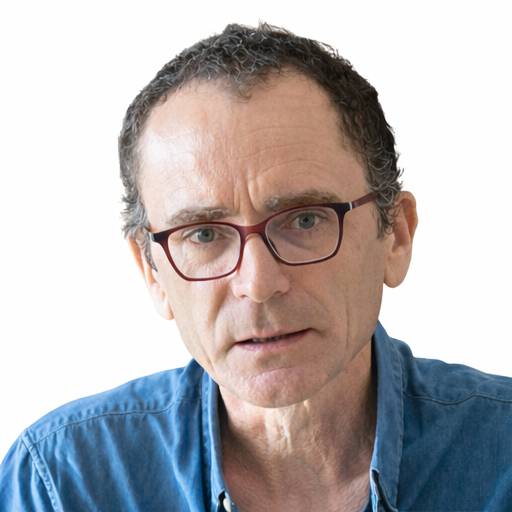
He holds a PhD from the Department of Microbiology at the University of Georgia (USA). His research has focused on the genomics and microbial ecology of marine microorganisms.
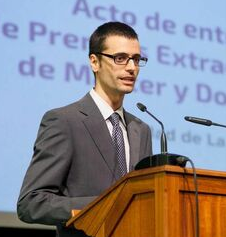
Professor of Biochemistry and Molecular Biology at the University of La Laguna. PhD in Biomedical Sciences with International Distinction since 2016. Works in the field of biotechnology and biophysics.
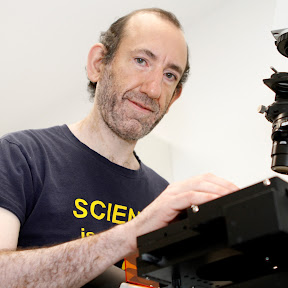
Assistant Professor in the Department of Biochemistry and Molecular Biology at the University of La Laguna. In addition to his teaching career, he has extensive experience in neuroscience research.
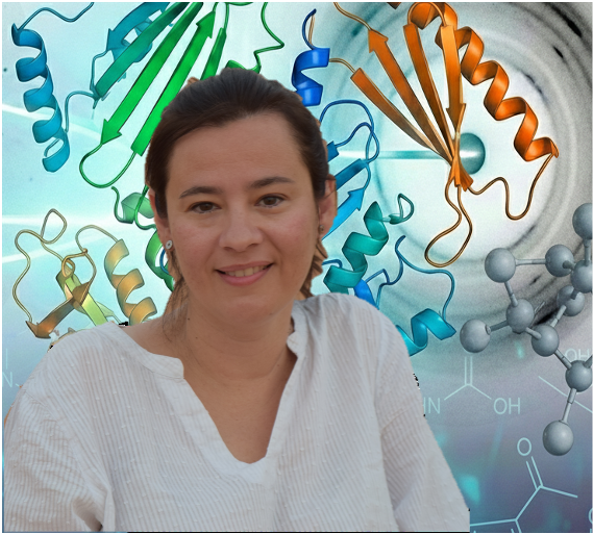
She holds a Bachelor's and a PhD in Biology from the University of La Laguna. Her work focuses on the biochemical, structural, and functional analysis of proteins, developed at centers such as the IQFR-CSIC, Concordia University, the Liverpool School, and the University of Oxford.
Government Pavilion, C/ Padre Herrera s/n
Post Office Box 456
38200, San Cristobal de La Laguna
Santa Cruz de Tenerife - Spain
Switchboard Tel.: (+34) 922 31 90 00
Hours: Mon, 8:00 a.m. to 9:00 p.m.
