Government Pavilion, C/ Padre Herrera s/n
Post Office Box 456
38200, San Cristobal de La Laguna
Santa Cruz de Tenerife - Spain
Switchboard Tel.: (+34) 922 31 90 00
Hours: Mon, 8:00 a.m. to 9:00 p.m.

This micro-credential aims to deepen understanding of service-learning (SL) from both a theoretical and practical perspective, promoting critical analysis of educational realities. It also seeks to develop the skills necessary to design, implement, and evaluate SL projects that address specific needs in various contexts. Finally, it guides participants in the development and drafting of an outline and a comprehensive SL project aligned with the Sustainable Development Goals (SDGs).
Students must be between 25 and 64 years old on the date the training begins.
A university degree is not required to access this micro-credential. However, students wishing to access it must meet the following access requirements:
This micro-credential is aimed at individuals interested in designing, coordinating, or implementing Service-Learning (SL) projects in various educational and social contexts. The entry profile includes:
Module 1. Service-learning methodology: planning, implementing and evaluating
Structure and content
1. Project planning by the educator.
2. Preparation and execution with the group of boys and girls.
3. The evaluation.
Module 2. Building a service-learning project
Structure and content
1. The content of this unit is the written document of the project that the participant wants to carry out, for which he will recover and break down the project outline that he prepared in the introductory course to Service-Learning.
Module 3. Conceptual bases on the design phases of a service-learning project.
Structure and contents
1. Project planning by the educator.
2. Preparation and execution with the group of boys and girls.
3. The evaluation.
Module 4. Building and writing an inclusive service-learning project based on the SDGs.
Structure and contents
The content of this unit is the written document of the project that the participant wants to carry out, for which they will recover and break down the project outline that they prepared in the introductory Service-Learning course.
The training activities to be carried out during the delivery of the micro-credential will be:
Regarding the way to organize the teaching to achieve the objectives set out in the micro-credential, the organizational modality summarized below will be followed:
The microcredential will have an evaluation system (ES) based on the following assessment tests:
Credits: 2 ECTS
Duration: 09/04/2026 – 14/05/2026
Teaching modality: Virtual
Location: Virtual Campus of the University of La Laguna
The cost of tuition for this Microcredential will be subsidized by the 'Plan for the development of university microcredentials', investment 6 of component 21 of the Addendum to the 'Recovery, Transformation and Resilience Plan', financed by the European Union – Next Generation EU, year 2025.
Short courses available in various formats (in-person, online, or hybrid). Ideal for learning without interrupting your professional life.
Content created and delivered by professionals and experts in the field, designed for immediate application.
Endorsed by the University of La Laguna. You will receive an official ECTS certificate, valid in the European Higher Education Area.

María A. Gabino Campos is a Permanent Labor Professor of Audiovisual Communication and Advertising at the University of La Laguna and director of the ULL Service-Learning program, with extensive experience in promoting and developing this methodology in the university and non-university fields.
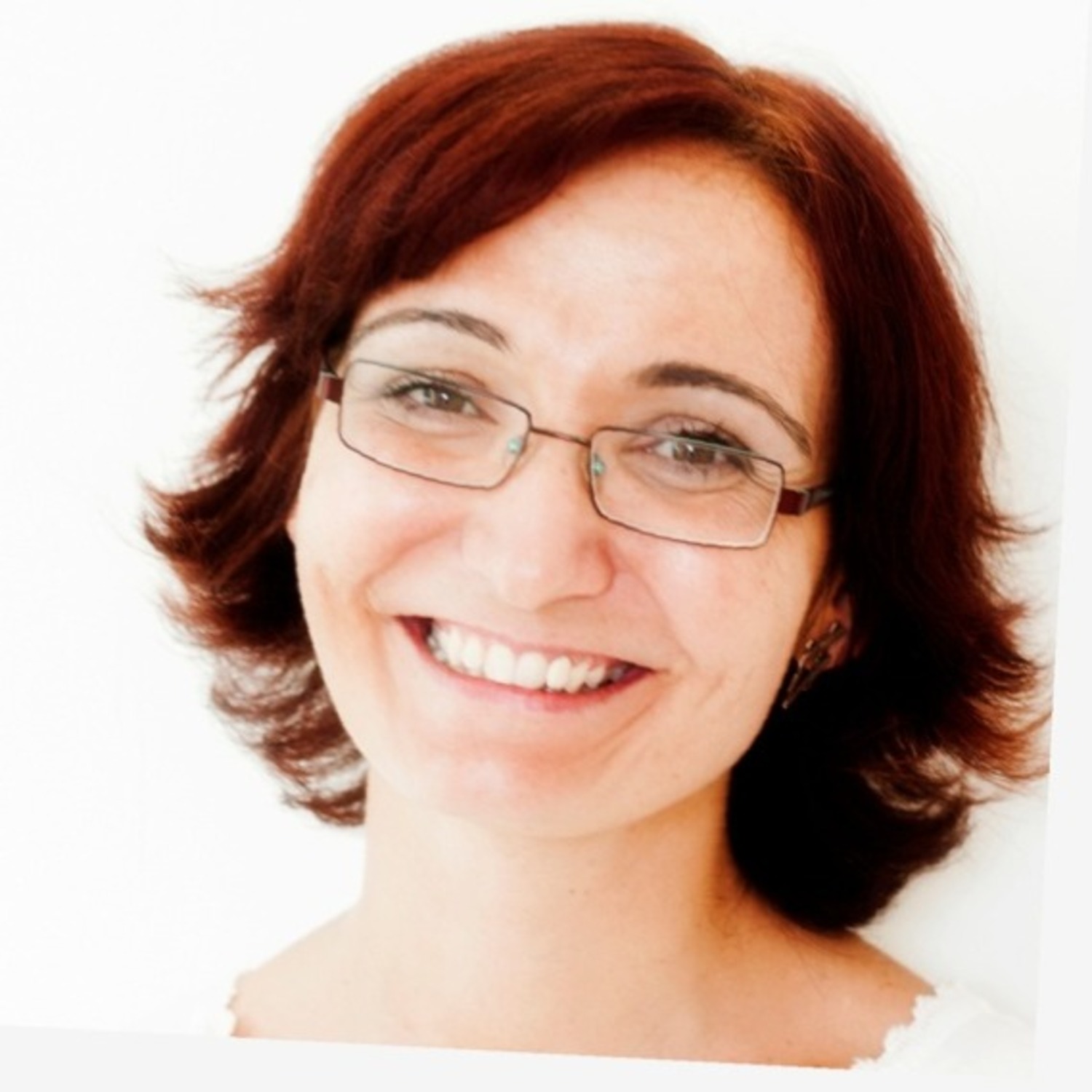
She holds a doctorate in Educational Psychology and trains teaching teams in the Service-Learning methodology through various institutions. She has a strong background in education and is the author of the first doctoral thesis on Service-Learning in Europe.
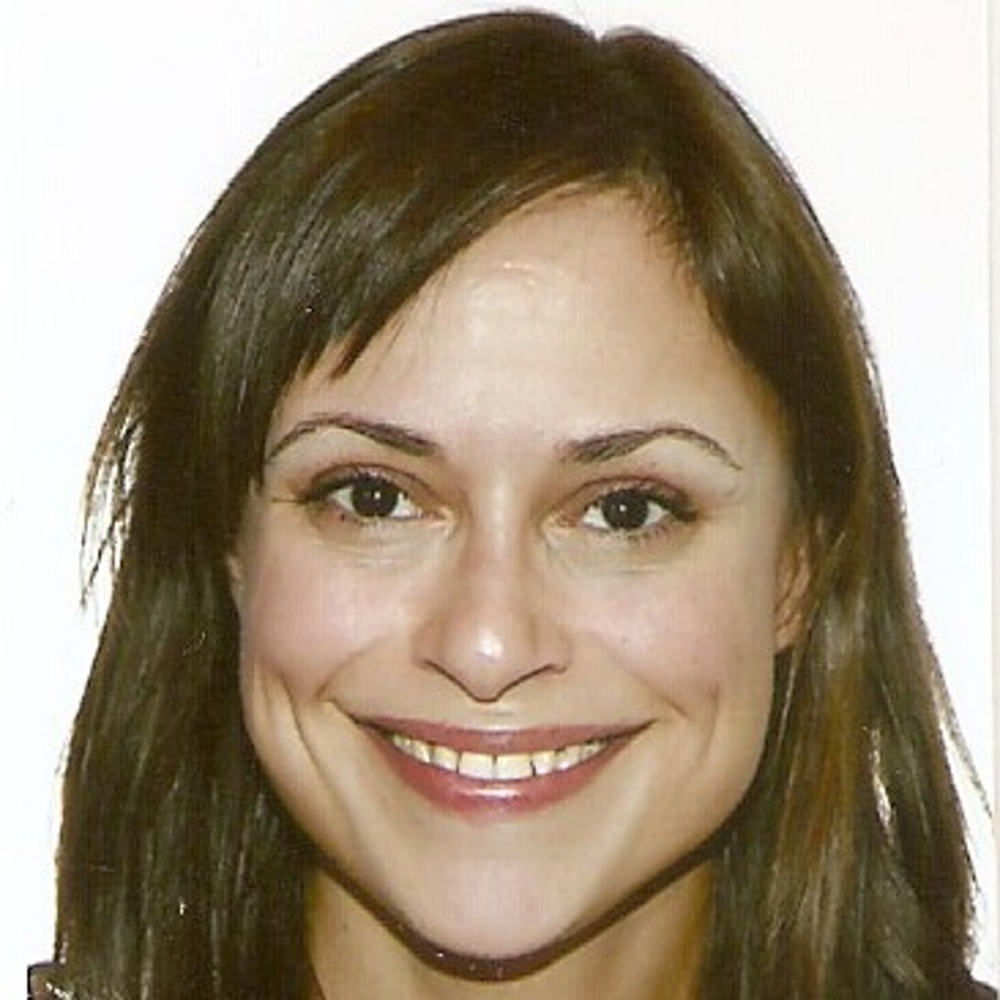
Lecturer and researcher at the University of Extremadura, specializing in Service-Learning, educational innovation and educational-social improvement, with extensive experience in the dissemination of this methodology, and member of the Spanish Service-Learning Network.

Government Pavilion, C/ Padre Herrera s/n
Post Office Box 456
38200, San Cristobal de La Laguna
Santa Cruz de Tenerife - Spain
Switchboard Tel.: (+34) 922 31 90 00
Hours: Mon, 8:00 a.m. to 9:00 p.m.
