Government Pavilion, C/ Padre Herrera s/n
Post Office Box 456
38200, San Cristobal de La Laguna
Santa Cruz de Tenerife - Spain
Switchboard Tel.: (+34) 922 31 90 00
Hours: Mon, 8:00 a.m. to 9:00 p.m.

This micro-credential trains professionals capable of leading the comprehensive development of film projects, from the creative phase to their industrial viability and strategic positioning in the audiovisual market. It provides training in the preparation of creative dossiers and production reports, as well as in professional pitching to production companies, investors, and national and international film festivals. Furthermore, it fosters emerging talent in the Canary Islands, strengthens employability in the audiovisual sector, and positions the University of La Laguna as a leader in specialized training in executive film production.
A university degree is not required to access this micro-credential. However, students wishing to access it must meet the following access requirements:
● Be between 25 and 64 years of age at the start date of training.
● Have, at a minimum, a High School Diploma or equivalent professional certificate.
● Have a National Identity Document or equivalent document that proves residence permit in Spain, at least during the period in which the microcredential is developed.
● National and international co-production. Introduction to co-production models as a key tool in the development and viability of film projects. Identification of partners, general co-production frameworks, distribution of responsibilities and rights, and basic criteria for preparing projects intended for national and international co-production environments.
● Creative dossier and production report. Structure and contents of the creative dossier: synopsis, treatment, aesthetic proposal, statement of intent, and authorial approach. Preparation of the production report: development strategy, preliminary financing plan, co-production, timeline, and initial budget estimates. Adaptation of materials for public calls for proposals, markets, and professional agents.
● Pitching and project presentation techniques. Design and preparation of the verbal and visual pitch. Building the project narrative, clarity of message, and adapting to the time and audience. Communication tools, body language, and use of supporting materials. Pitching simulations in real professional contexts.
The methodology would be as follows:
Credits: 2 ECTS
Duration: 11/05/2026 – 15/05/2026
Teaching modality: Blended learning
Location: Fuera de Campo Film School. C/Pintor Martín González, Nº5, Santa Cruz de Tenerife
Schedule:16:00-20:00
The cost of tuition for this Microcredential will be subsidized by the 'Plan for the development of university microcredentials', investment 6 of component 21 of the Addendum to the 'Recovery, Transformation and Resilience Plan', financed by the European Union – Next Generation EU, year 2025.
Short courses available in various formats (in-person, online, or hybrid). Ideal for learning without interrupting your professional life.
Content created and delivered by professionals and experts in the field, designed for immediate application.
Endorsed by the University of La Laguna. You will receive an official ECTS certificate, valid in the European Higher Education Area.

Producer, director, and cinematographer, founder of El Viaje Films and former manager of the Canary Islands Audiovisual Cluster. Trained at the International Film and Television School of Cuba, he has directed Slimane and La Lucha and has produced and photographed works by emerging filmmakers featured at prestigious international festivals.
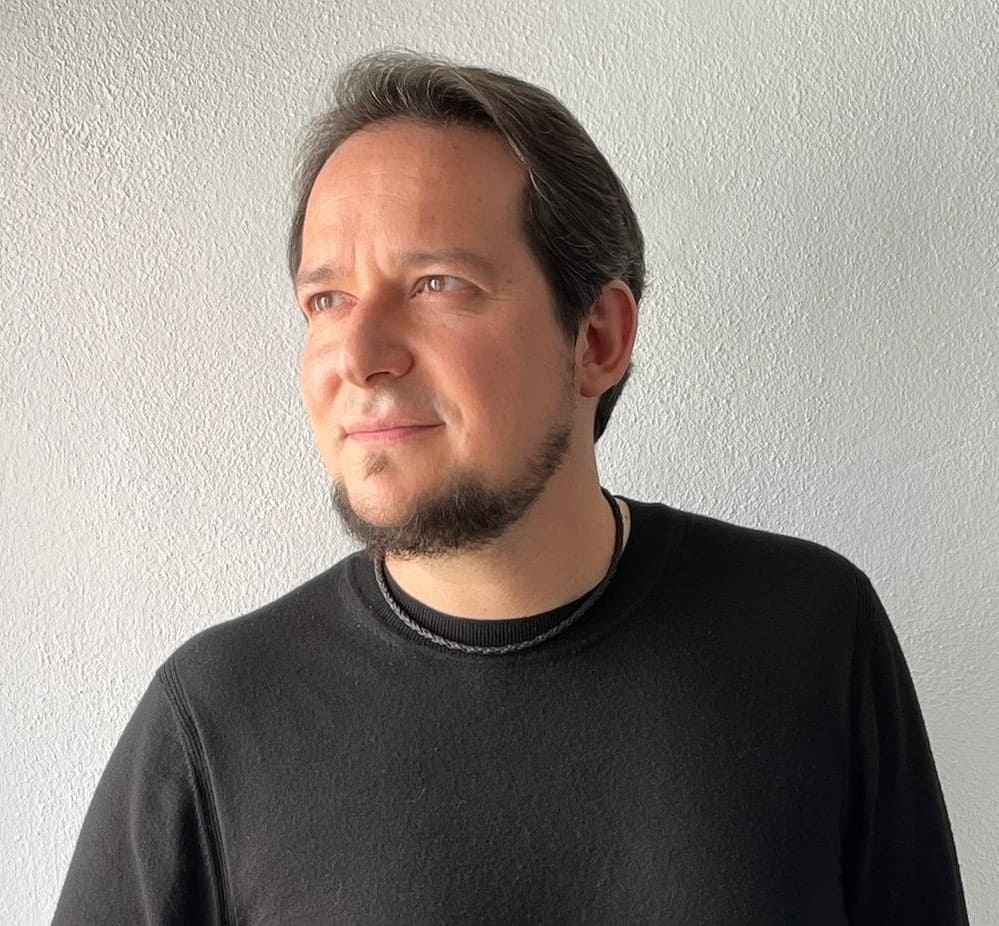
Producer at El Viaje Films. He has been manager of the Canary Islands Audiovisual Cluster, president of the Canary Islands Filmmakers Association Microclima, co-founder of the production and distribution company Digital 104, and president of the ULL Film School.
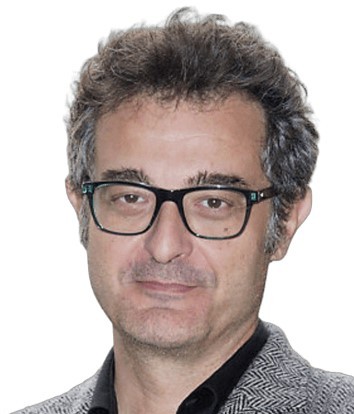
Professor in the area of Audiovisual Communication and Advertising at the ULL. His research focuses on the analysis of contemporary audiovisual media, film and the relationships between visual culture, media and emerging technologies.

Government Pavilion, C/ Padre Herrera s/n
Post Office Box 456
38200, San Cristobal de La Laguna
Santa Cruz de Tenerife - Spain
Switchboard Tel.: (+34) 922 31 90 00
Hours: Mon, 8:00 a.m. to 9:00 p.m.
