Government Pavilion, C/ Padre Herrera s/n
Post Office Box 456
38200, San Cristobal de La Laguna
Santa Cruz de Tenerife - Spain
Switchboard Tel.: (+34) 922 31 90 00
Hours: Mon, 8:00 a.m. to 9:00 p.m.
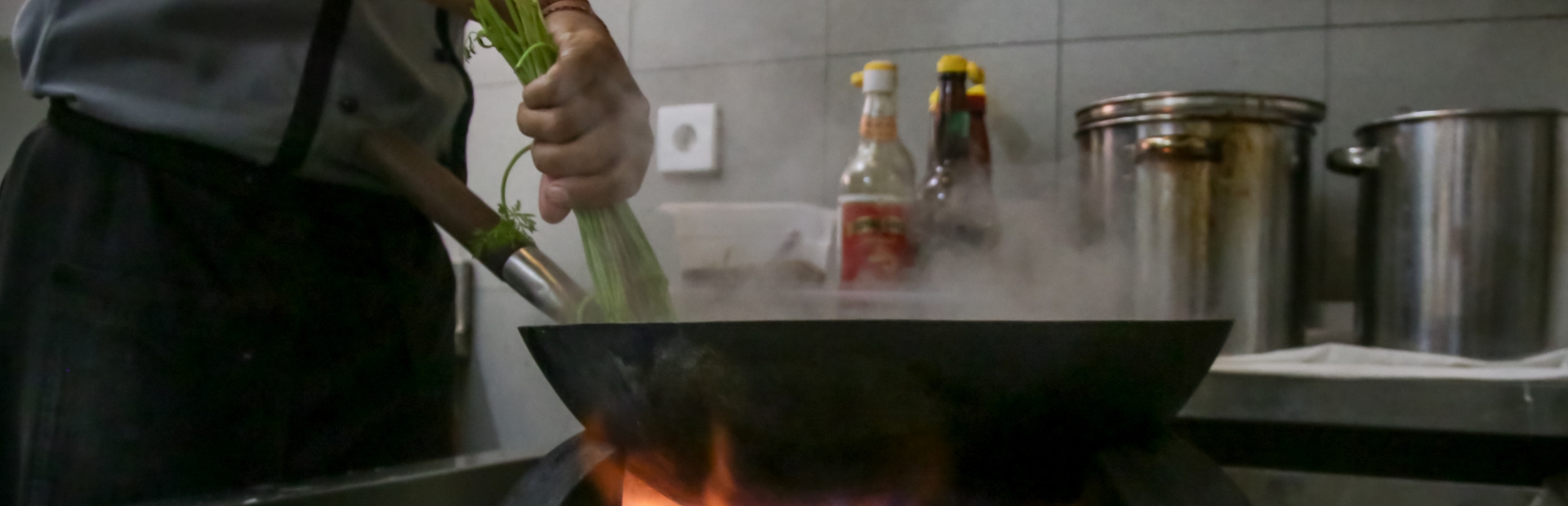
This micro-credential trains students in the comprehensive management of occupational safety and health in environments with high preventive demands. The program addresses the safe handling of loads, the use of tools and machinery, and the supervision of workflows, with the aim of preventing accidents and promoting a preventive culture in the workplace.
The purpose of this skills-based training is to equip students with the professional competencies necessary for the comprehensive management of occupational safety and health in demanding work environments. Students are also trained in load handling and the professional use of tools and machinery, minimizing the risk of back injuries and workplace accidents. They are qualified to supervise safe and efficient workflows, thus ensuring their own safety, the safety of other employees, and the safety of clients. Finally, the training focuses on transforming professionals into proactive managers and role models for a culture of prevention in occupational safety and health.
Students must be between 25 and 64 years old on the date the training begins.
This training is only available to staff from companies associated with ASHOTEL (Hotel and Extrahotel Association of Tenerife, La Palma, La Gomera and El Hierro).
A university degree will not be required to access this micro-credential.
I. Basic concepts on safety and health
Work and health
Work-related injuries: accidents and occupational diseases.
Basic rights and duties in prevention.
II. Introduction to safety in catering and dining room
Characteristics of the environment: continuous movement, direct contact with the public, transport of trays and carts.
Security objectives derived from the risk assessment of the area.
III. Ergonomics and physical workload
Sustained postures and efforts during service.
Handling trays, service carts and furniture.
Concepts of static and dynamic load.
IV. Specific risks.
Visual fatigue in administrative tasks:
Psychosocial risks:
V. Preventive measures in storage
Correct stacking according to weight and height.
Safe use of ladders and PPE.
Safe cleaning procedures to avoid slippery floors.
Prevention of falls and bumps in the room:
VI. Practical application with real examples.
Analysis of frequent incidents in the dining room/restaurant.
Good practices: flow control, shift coordination, safe movement between diners.
Regarding the way to organize the teaching to achieve the objectives set out in the micro-credential, the organizational modality summarized below will be followed:
The microcredential will have an evaluation system (ES) based on the following assessment tests:
Credits: 2 ECTS
Duration: 11/05/2026 – 19/05/2026
Teaching modality: In-person/Virtual/ Blended
Location: Virtual Campus of the University of La Laguna.
Schedule:
12, 14 and 19/05/2026 online synchronous
11, 18/05/2026 in person at Hotel Andorra 16.00-20.00
The cost of tuition for this Microcredential will be subsidized by the 'Plan for the development of university microcredentials', investment 6 of component 21 of the Addendum to the 'Recovery, Transformation and Resilience Plan', financed by the European Union – Next Generation EU, year 2025.
Short courses available in various formats (in-person, online, or hybrid). Ideal for learning without interrupting your professional life.
Content created and delivered by professionals and experts in the field, designed for immediate application.
Endorsed by the University of La Laguna. You will receive an official ECTS certificate, valid in the European Higher Education Area.

In collaboration with

Government Pavilion, C/ Padre Herrera s/n
Post Office Box 456
38200, San Cristobal de La Laguna
Santa Cruz de Tenerife - Spain
Switchboard Tel.: (+34) 922 31 90 00
Hours: Mon, 8:00 a.m. to 9:00 p.m.
