Government Pavilion, C/ Padre Herrera s/n
Post Office Box 456
38200, San Cristobal de La Laguna
Santa Cruz de Tenerife - Spain
Switchboard Tel.: (+34) 922 31 90 00
Hours: Mon, 8:00 a.m. to 9:00 p.m.

This micro-credential offers comprehensive training in the fundamentals and application of sensory analysis, focused on the evaluation of agri-food products with and without quality designations. The program addresses the identification and characterization of the sensory attributes of the main products of the Canary Islands, with particular attention to those with differentiated quality. Through guided tastings, students will develop practical skills and understand the relevance of sensory analysis in the assessment, quality, and differentiation of local products.
Students must be between 25 and 64 years old on the date the training begins.
A university degree is not required to access this microcredential.
Module 1 – Discovering the Senses of the Canary Islands: A Sensory Journey Through Their Unique Products
Module 2 – Introduction to Sensory Analysis of Agri-food Products
Module 3 – Characterization of Canary Island Gofio
Module 4 – Characterization of Tenerife Honey (PDO)
Module 5 – Characterization of the Ancient Potatoes of the Canary Islands (PDO)
Module 6 – Characterization of the Canary Island Banana (PGI)
Module 7 – Characterization of Canary Islands Honey Rum
Module 8 – Characterization of the Avocado from the Canary Islands
Module 9 – Characterization of Cheeses with Protected Designation of Origin
Module 10 – Characterization of Wines with Protected Designation of Origin
The training activities to be carried out during the delivery of the micro-credential will be:
● Theoretical classes: expository, explanatory or demonstration sessions of the contents and knowledge.
● Practical classes: sessions of practical application of the content developed in the theoretical classes, through the resolution of exercises, problems or theoretical-practical scenarios.
● Seminars, workshops, or other complementary activities (discussion forums, simulations, etc.) are monographic sessions that encourage student participation. These are supervised by the course instructors.
● Assessment: continuous assessment tests and final exams. Tests may be in person or virtual, and may be written, oral, or consist of practical exercises.
Regarding the way to organize the teaching to achieve the objectives set out in the micro-credential, the organizational modality summarized below will be followed:
● Lectures/expository method: presentation or explanation by the teaching staff
● Practical classes: activities supervised by the teaching staff in the classroom, laboratories, clinics
● Assessment: written tests, oral tests, practical tests, …
The microcredential will have an evaluation system (ES) based on the following assessment tests:
● Objective tests (true/false, multiple choice, test-type, fill-in-the-blank, ordering, etc.): These are measurement instruments that allow the evaluation of knowledge, skills, performance, aptitudes, etc. The answers are closed-ended, thus promoting objectivity during the scoring process.
● Short-answer or brief tests: a type of objective test in which the
Students do not elaborate in their response, instead providing the specific information requested.
● Attendance, participation or attitude in teaching activities, seminars, tutorials, etc.: monitoring of student attendance and participation in teaching activities, carrying out activities during teaching sessions.
Credits: 3 ECTS
Duration: 11/05/2026 – 22/05/2026
Teaching modality: In person
Location: Classroom of the General Foundation of the University of La Laguna or of the Higher School of Engineering and Technology of the ULL.
The cost of tuition for this Microcredential will be subsidized by the 'Plan for the development of university microcredentials', investment 6 of component 21 of the Addendum to the 'Recovery, Transformation and Resilience Plan', financed by the European Union – Next Generation EU, year 2025.
Short courses available in various formats (in-person, online, or hybrid). Ideal for learning without interrupting your professional life.
Content created and delivered by professionals and experts in the field, designed for immediate application.
Endorsed by the University of La Laguna. You will receive an official ECTS certificate, valid in the European Higher Education Area.
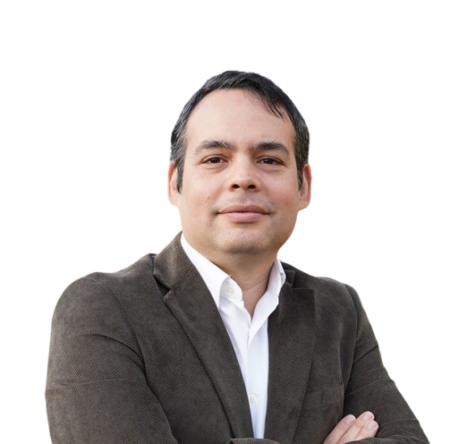
Doctor of Food Science and Technology. Assistant Professor at the University of La Laguna (ULL) and Director of the Canary Islands Chair of Agritourism and Wine Tourism of the ICCA and the ULL.
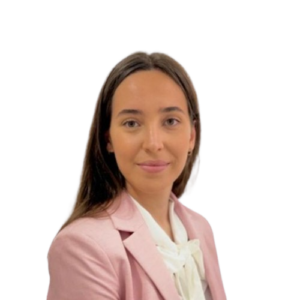
Graduated in Food Science and Technology from the University
Complutense University of Madrid.

Graduated in Tourism and tour guide.
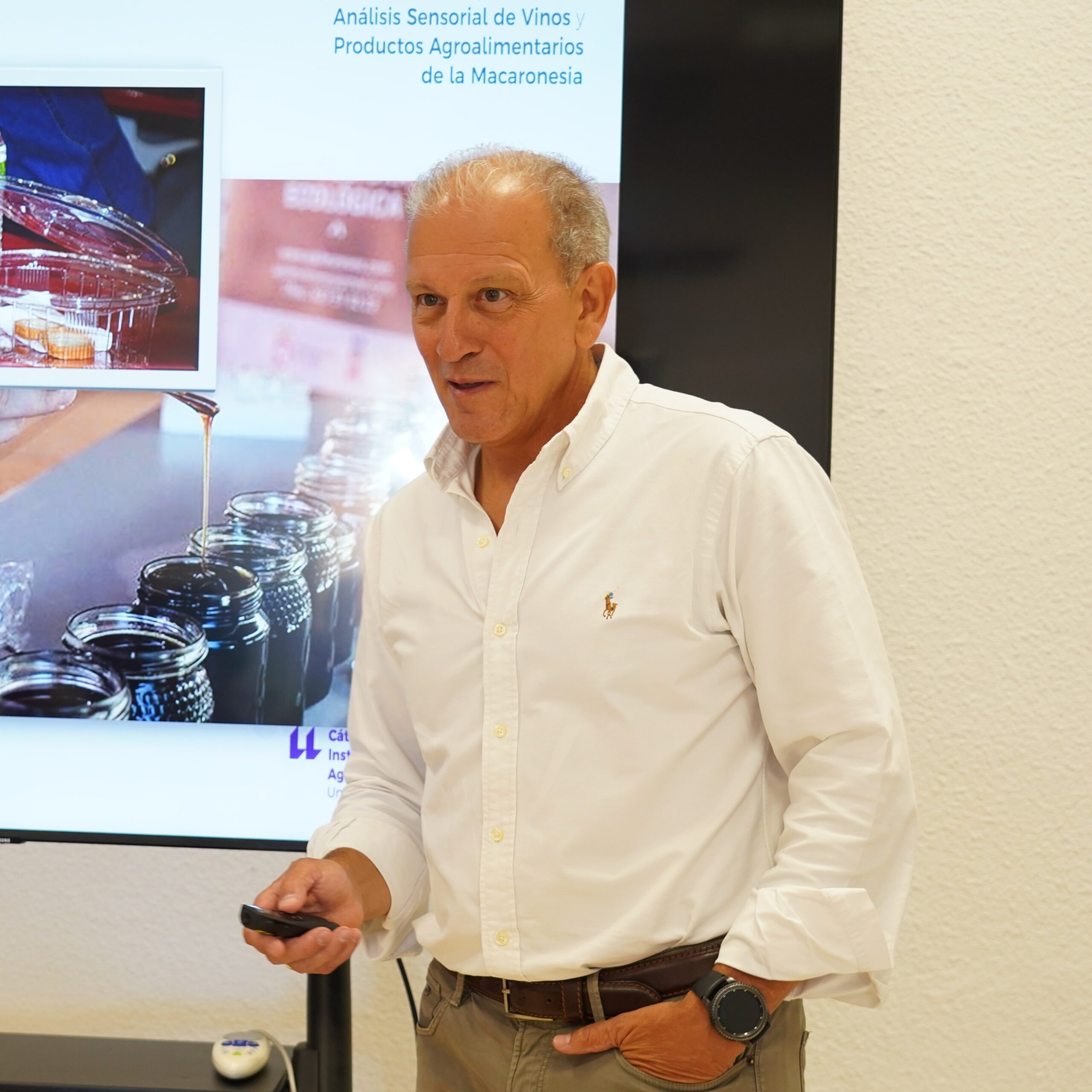
Bachelor of Science in Food Technology. Director of Casa de la Miel de
Tenerife, Head of Technical Service for Quality and Agri-food Valorization of the Island Council
from Tenerife.

Doctor of Agricultural Engineering. Full Professor at the University of La Laguna, Department of Agricultural and Environmental Engineering
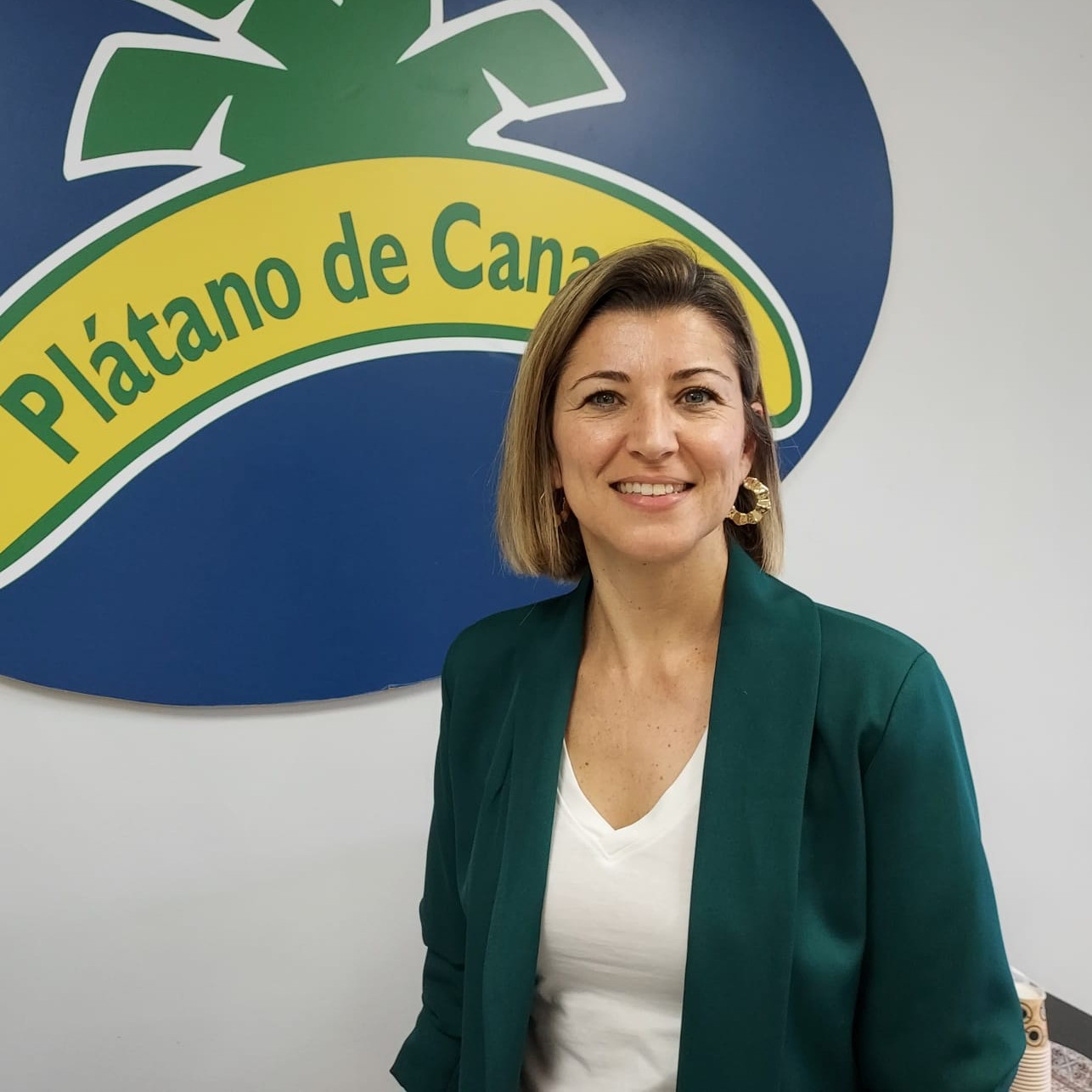
Agricultural Technical Engineer. Responsible for the Protected Geographical Indication (PGI) for Canary Islands Bananas.
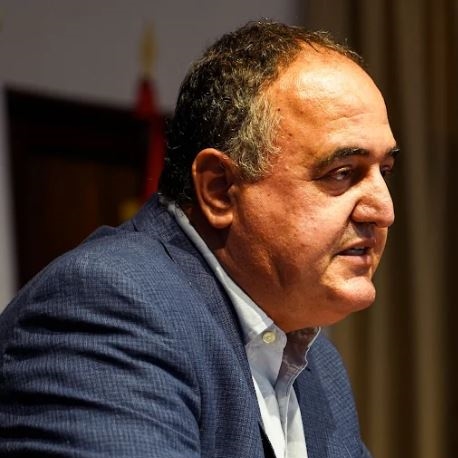
Bachelor's degree in Sociology and Diploma in Rural Development. Consultant for Agri-food Products.
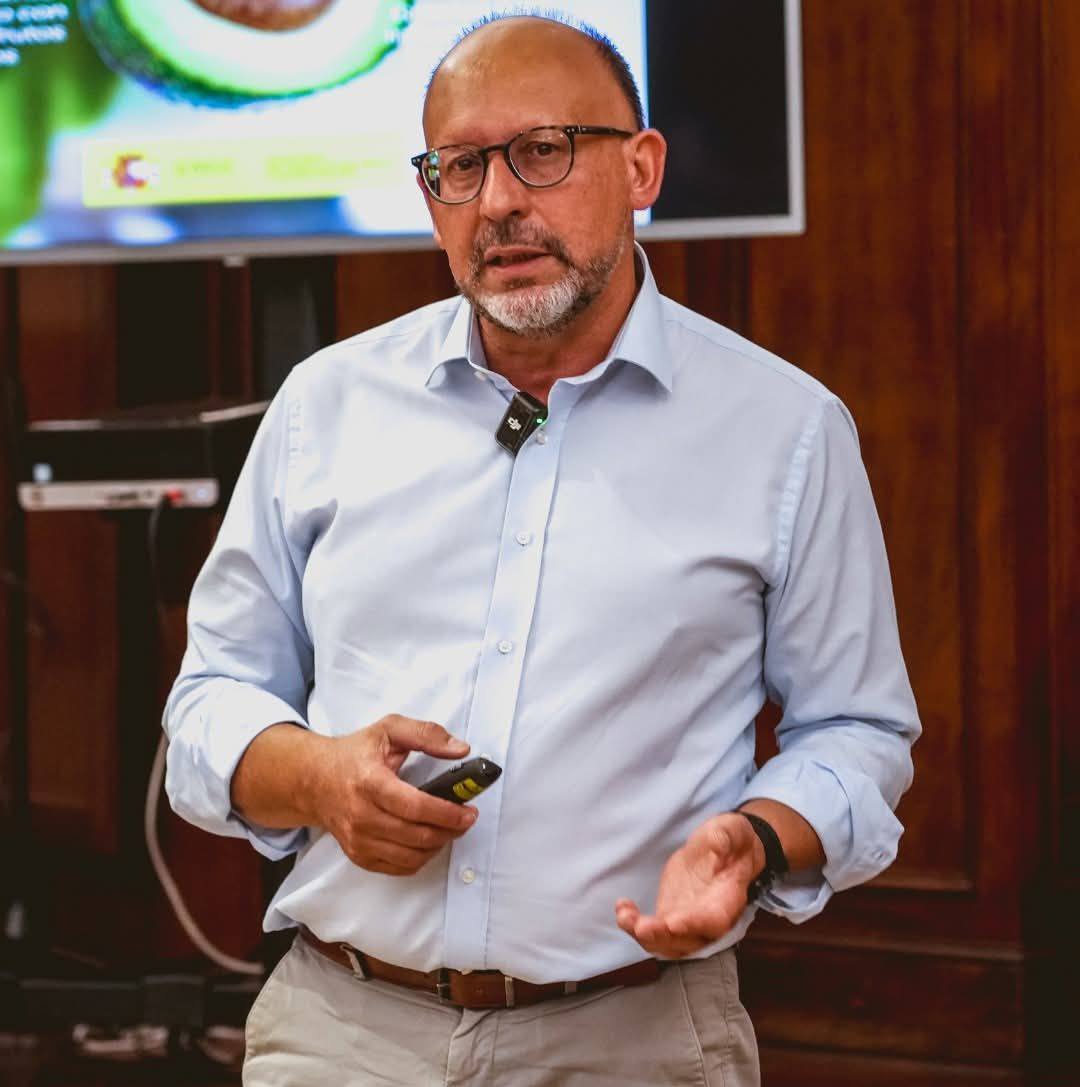
Agricultural Technical Engineer. Agri-food Product Consultant.
Specialist in Wine Services. Coordinator of the Chair of Agritourism and Wine Tourism of the Canary Islands of the ICCA and the ULL.
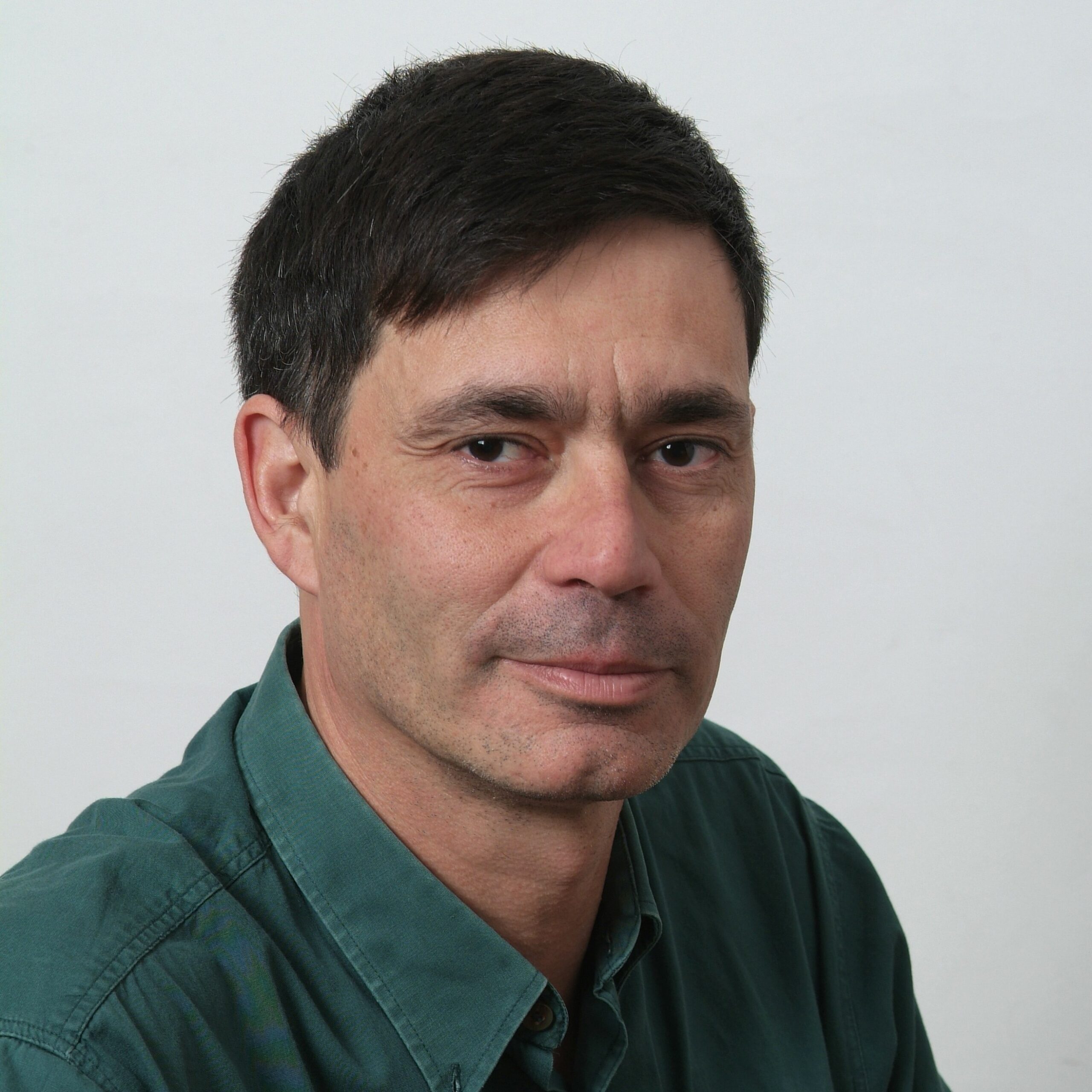
Agricultural Engineer. Head of the Control and Certification Service of the ICCA.
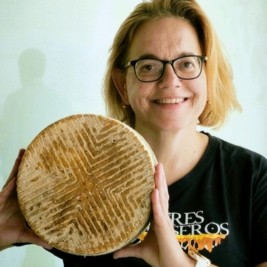
Agricultural Technical Engineer. Coordinator of ICACEL Training Programs.

Government Pavilion, C/ Padre Herrera s/n
Post Office Box 456
38200, San Cristobal de La Laguna
Santa Cruz de Tenerife - Spain
Switchboard Tel.: (+34) 922 31 90 00
Hours: Mon, 8:00 a.m. to 9:00 p.m.
