Government Pavilion, C/ Padre Herrera s/n
Post Office Box 456
38200, San Cristobal de La Laguna
Santa Cruz de Tenerife - Spain
Switchboard Tel.: (+34) 922 31 90 00
Hours: Mon, 8:00 a.m. to 9:00 p.m.

This micro-credential is designed to equip participants with the key knowledge and skills to lead digital transformation processes in organizations through the strategic use of digital marketing and artificial intelligence. The program trains them to design and execute strategies focused on customer acquisition and retention, as well as to apply artificial intelligence techniques to personalize services and predict behavior. Furthermore, it promotes the use of AI-based digital tools to optimize marketing, customer service, and operational management processes.
A university degree will not be required to access this micro-credential. However, the
or the student who wants to access must meet at least one of the following access requirements:
Module 1. Strategic marketing plan and basic principles of marketing applied to the digital sector.
Module contents:
● SMART Objectives: Definition of specific, measurable, achievable, relevant and
with defined deadlines.
● Strategic Marketing Planning: How to set aligned marketing goals
with the organization's objectives.
● Definition of Strategies and Tactics: Selection of marketing strategies and tactics
appropriate. Development of the Marketing Plan.
● Marketing Budget: Allocation of financial resources to marketing activities
marketing.
● Implementation Schedule and Calendar: Planning of key dates for
implement the strategies.
● Measuring results: How to measure and evaluate marketing performance based on
SMART goals.
● Continuous evaluation and adjustment: How to monitor and adjust the strategic plan as
The environment evolves.
Module 2. Introduction to Generative AI, and Multimodal Models
● History, key concepts, and main AI technologies.
● “AI-Driven” Organization: We will analyze how organizations are becoming
“AI-driven” by leveraging AI for data-driven decision making.
● The economic impact of AI on society.
● Introduction to textual interaction with generative AI (ChatGPT and GPT-4).
● Image creation with generative AI (DALL-E 3, Midjourney).
● Multimodal models.
● Impact of generative AI on productivity (Copilot, Duet).
● Smart searches (Bing Chat, Bard).
● Use cases in business verticals.
Module 3. AI Tools for Business Application Marketing and their Socioeconomic Impact. Use,
ethics, and privacy.
● Notable AI tools by marketing area: branding, content, advertising, and
marketing.
● Prompt engineering applied to the above points.
● Integration of AI into Strategic Business Planning.
The training activities to be carried out during the delivery of the micro-credential will be:
Regarding the way to organize the teaching to achieve the objectives set out in the micro-credential, the organizational modality summarized below will be followed:
The microcredential will have an evaluation system (ES) based on the following evaluation tests:
Credits: 3ECTS
Duration: 20/04/2026 – 10/05/2026
Teaching modality: Virtual
Location: Virtual Campus of the University of La Laguna.
The cost of tuition for this Microcredential will be subsidized by the 'Plan for the development of university microcredentials', investment 6 of component 21 of the Addendum to the 'Recovery, Transformation and Resilience Plan', financed by the European Union – Next Generation EU, year 2025.
Short courses available in various formats (in-person, online, or hybrid). Ideal for learning without interrupting your professional life.
Content created and delivered by professionals and experts in the field, designed for immediate application.
Endorsed by the University of La Laguna. You will receive an official ECTS certificate, valid in the European Higher Education Area.

He is currently a lecturer and researcher at the University of La Laguna, with extensive experience in marketing, communication, and market research. He has held management positions in companies such as GMR Canarias and Siete Delicatessen, among others.
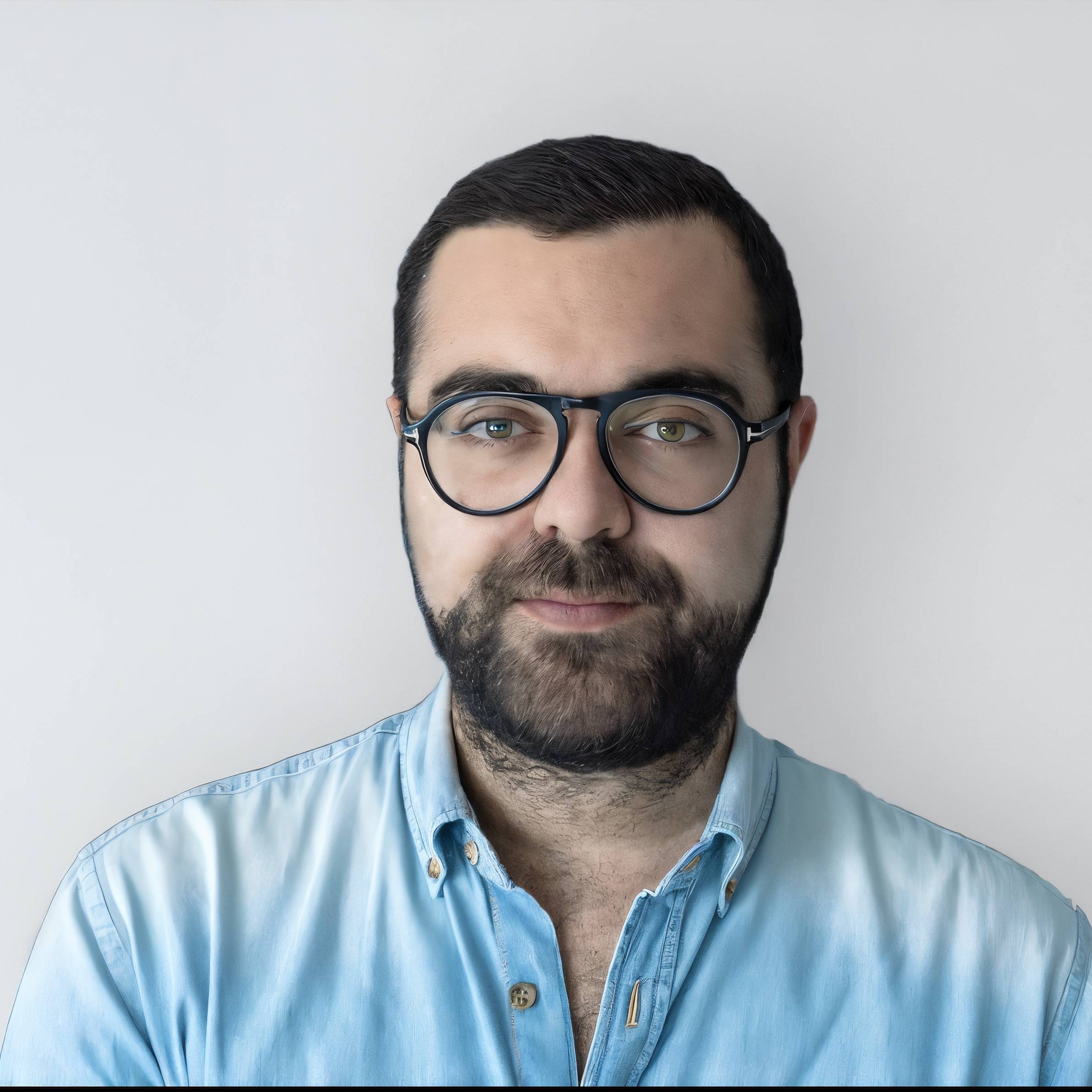
With over 15 years of experience in the marketing and advertising sector, he holds three master's degrees specializing in Marketing Management, Sales Management, and E-commerce. He currently serves as operations director at the agency Mínima and is a tenured professor at various universities in Spain and Latin America.

Currently an illustrator and freelance art director; throughout his more than 20 years of experience, he has developed large-scale creativity and design projects in leading companies such as Havas Media, Comunica+A, La Despensa, or Leo Burnett, among others.

Government Pavilion, C/ Padre Herrera s/n
Post Office Box 456
38200, San Cristobal de La Laguna
Santa Cruz de Tenerife - Spain
Switchboard Tel.: (+34) 922 31 90 00
Hours: Mon, 8:00 a.m. to 9:00 p.m.
