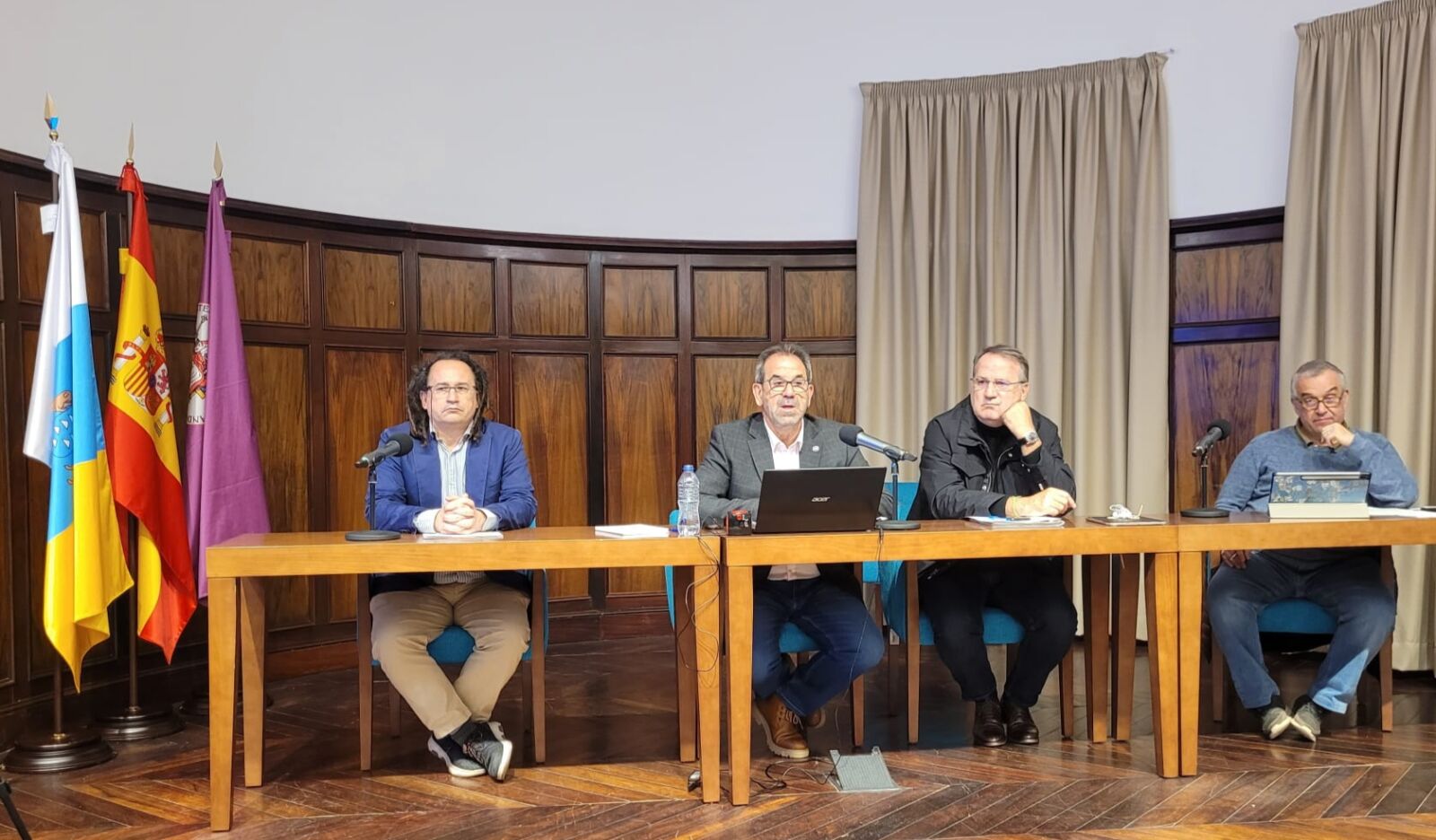
Under the direction and coordination of Pedro Álvarez, Professor of Academic and Professional Guidance at the Faculty of Education of the University of La Laguna, the international online seminar “Routes, trajectories and recurring circles of students arriving at university: crisis of teaching or learning problems?” was recently held, sparking the interest of more than 190 teachers, researchers and postgraduate students from different countries such as Spain, Italy, Portugal, France, the United States, Chile, Argentina, Mexico, Costa Rica, Uruguay, Colombia, etc.
This initiative, promoted by the University Guidance and Tutoring Laboratory and the Vice-Rectorate for Teaching Innovation and Quality of the academic institution, featured speakers such as Miguel Zabalza, Professor of Didactics at the University of Santiago; Pilar Figueras, Professor of Professional Guidance at the University of Barcelona; Saturnino Martínez, Director of the Canary Agency for University Quality and Educational Evaluation; Pedro Hernández, Education Inspector at the Government Delegation of the Canary Islands; and Rodrigo Trujillo, Professor of Mathematics and researcher for the improvement of teaching and reduction of educational failure.
According to Professor Álvarez, the objectives set for this seminar have been achieved because ideas and approaches have been presented from different but complementary perspectives, which are undoubtedly valuable for further reflection and work toward improving a profound problem: academic transitions and university dropout rates. Using various approaches (pedagogical, sociological, guidance, economic, etc.), the seminar aimed to address the dilemmas surrounding students' academic trajectories and failure. “Is it a problem of inequality, an academic problem, a personal problem, an economic problem, an institutional problem? Is the student failing, or is the institution not meeting the needs?”
 “We are facing a complex phenomenon that not only directly affects students, but also their families, the university, and society in general. Year after year, the statistics in official reports continue to reflect that academic dropout is a serious problem, present at all educational levels, and that in the case of some university degrees, it exceeds 50% of enrolled students,” Professor Álvarez stated. Regarding this issue, the seminar analyzed whether the university admissions system is adequate, whether the guidance provided to students during the pre-university stage is sufficient, whether the necessary resources are available to support and advise students going through transitions, and so on.
Among the conclusions, the need to involve students in their educational and professional development process in the short, medium and long term was noted, helping them to define what they want to achieve, rather than helping them decide what they want to study, reinforcing student guidance at all educational stages to change insecurity into confidence, motivation and autonomy, making room for the transfer of research results to improve intervention on the problem, etc.
“If we truly want to reverse this situation, we must work in different directions and in different contexts, always keeping the students' needs in mind. Although it may sound like a cliché, we must build clearly marked bridges between educational stages so that students can navigate them knowing exactly where they are headed and what they will encounter. And in the university setting, some key issues include: paying special attention to the transition, supporting students from day one with tutoring and mentoring programs, with services that address problems and prioritize student well-being, and with qualified and well-prepared faculty for effective teaching and a positive learning environment, particularly during the first year, which is when the highest number of dropouts occur,“ concludes Professor Álvarez.
Therefore, success will depend largely on the type of prior experiences the student has had upon entering university, as well as the degree of social and academic integration they achieve, in order to avoid failure and build successful educational pathways that pave the way for their future professional development. This is a challenge to which all education professionals must be committed.

 Spanish
 English
 French