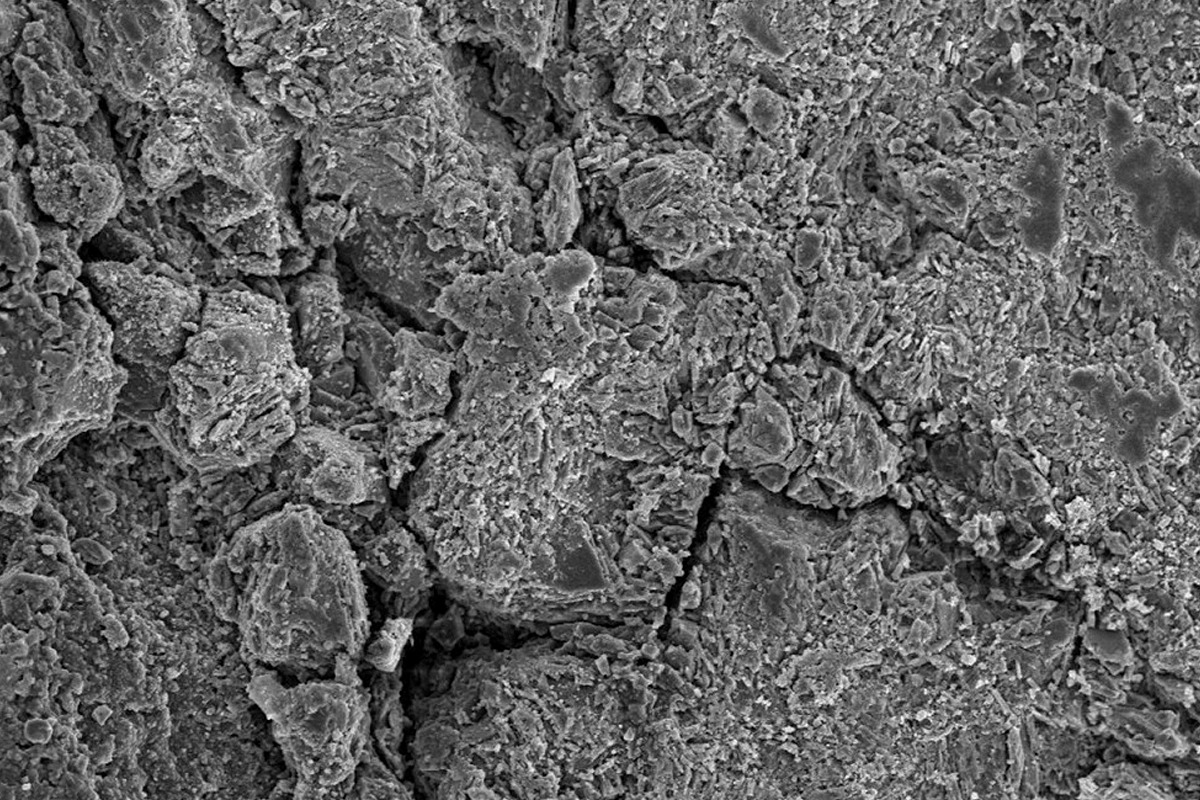
Professors Miguel Ángel Franesqui, Jorge Yepes and Cándida García González, from the Department of Civil Engineering at the University of Las Palmas de Gran Canaria, along with Professor Ana María Rodríguez Alloza, Researchers from the Department of Civil, Nautical and Maritime Engineering at the University of La Laguna are working on a project to develop cleaner technologies that allow asphalt to be manufactured at lower temperatures, using both residual volcanic aggregates and used tire rubber.
The production of hot mix asphalt for paving (whose global production approaches 1.2 billion tons annually) is an activity that consumes a high amount of energy and raw materials, and also generates a huge amount of emissions, estimated at around 26 million tons of CO2 annually worldwide. Using the methodology proposed in this work, it has been calculated that energy consumption and total emissions could be reduced by at least 201,000 tons, by utilizing more than 951,000 tons of residual materials in its composition while still meeting the technical specifications for certain pavements, and even improving some properties.
The long-term sustainability of materials and production processes is currently one of the most important challenges for infrastructure construction. Therefore, reducing the manufacturing temperature of asphalt mixtures to lower energy consumption, more efficient use of geomaterials, and waste recycling are the three pillars supporting the actions aimed at achieving this sustainability within the collaborative work of the two universities. Combining these techniques results in cleaner and more durable pavements.
It is worth noting that in asphalt mixtures, aggregates can make up as much as 95% of the total mass, which poses an economic and environmental problem, especially in island regions like the Canary Islands, where the high level of land protection prevents the opening of new quarries. Therefore, finding ways to utilize residual aggregates discarded due to their highly porous, scoriaceous nature is key to achieving sustainability in the construction industry.
Professors of Highway Engineering Miguel Ángel Franesqui and Cándida García González and Professor of Geotechnics Jorge Yepes have a significant track record in these investigations, which has motivated the creation of a Working Group on Canary Island Pavements, constituted as a Permanent Commission between the ULPGC and the Government of the Canary Islands, with the objective of drafting a technical regulation on pavements applicable to the regional road network.
The results obtained by this team of researchers have been published recently in the journal Scientific Reports, the fifth most cited scientific journal in the world.
(Note provided).

 Spanish
 English
 French