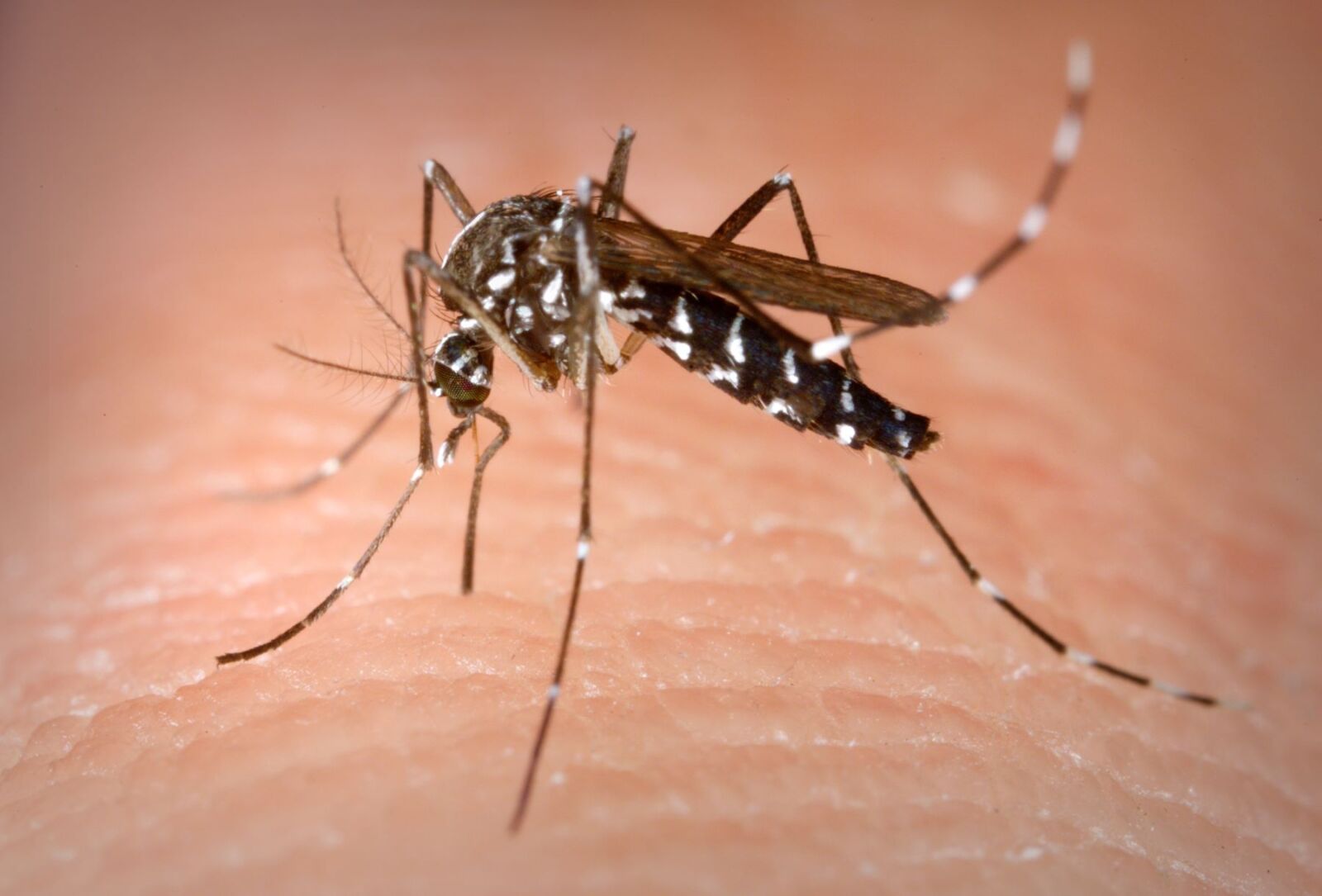
The Ministry of Health, through the General Directorate of Public Health, has reactivated the protocol established in the Entomological Surveillance System of the islands after detecting an adult specimen of the species Aedes albopictus in a home in the capital of Santa Cruz province. This is the second case of detection of mosquitoes of this species. Aedes albopictus In the Canary Islands, following the outbreak in Tacoronte earlier this month, the Canary Islands Institute of Tropical Diseases and Public Health at the University of La Laguna has once again collaborated in its identification and control.
On Monday, September 25, the Entomological Surveillance System protocol was activated again, after receiving in vectores.scs@gobiernodecanarias.org A warning about a severe inflammatory reaction caused by a mosquito bite, which also included an image of a specimen captured in a home in Santa Cruz de Tenerife.
Research staff from the Canary Islands Institute of Tropical Diseases and Public Health at the academic center visited the site that same day. They collected a mosquito specimen captured by the neighbor and inspected the house, where they placed ovitraps and a BG-Sentinel adult trap. No further adult mosquitoes or larvae were detected during this inspection of the affected house.
The collected specimen is an adult female, morphologically identified as belonging to the species Aedes albopictus, after its analysis in the Medical Entomology Laboratory of the University Institute of Tropical Diseases and Public Health of the Canary Islands, which is part of the University of La Laguna. Health centers and pharmacies within a 500-meter radius of the affected residence have been alerted to be especially vigilant for unusual mosquito bites and fever in individuals who have recently traveled to areas where mosquito-borne diseases such as dengue or chikungunya are circulating. These diseases are not currently circulating in the Canary Islands, although only a few imported cases are detected sporadically.
With the collaboration of the Santa Cruz de Tenerife City Council, drains, irrigation outlets, parks, gardens and ravines in the area around the house where the specimen was found have been reviewed and treated, and surveillance in the area continues. Public Health inspectors from the Tenerife Health Area, with the support of the local police, are visiting homes and businesses located within a 100-meter radius of the complainant's house this morning to try to identify possible breeding sites and specimens.

 Spanish
 English
 French