All hopes are pinned on it. Education is expected to solve society's greatest ills. We constantly hear that everything must begin in school; therefore, we see it as our social lifeline. Gender violence, poverty, crime, illiteracy, lack of critical thinking, inclusion, social inequality, and so on. The first solution that comes to mind is to look to schools, to education.
However, paradoxically, this supposed social importance is not reflected in the budgets. The education allocation in the General State Budget was set at 1.41% of GDP in 2023, while the amount dedicated to Defense was around 21% of GDP. Perhaps in this struggle for survival, one must sacrifice itself for the other to be saved, like on the Titanic, but who should sacrifice themselves? The students? The teachers? The system?
 Although the term education is often accompanied by adjectives such as crucial, fundamental, vital, or priority, the reality is that much remains to be done. To bring it into focus, the United Nations General Assembly proclaimed January 24 as World Education Day. Under the theme "Learning for Lasting Peace," this year UNESCO asks us to reflect on the open wars raging in various parts of the world. The world is engulfed in a growing wave of violent conflicts that coincides with an alarming increase in discrimination, racism, xenophobia, and hate speech. This violence transcends geographical boundaries, gender, race, religion, or political affiliation. In this context, the UN says, an active commitment to peace is more urgent than ever. Education plays a fundamental role in this effort, as highlighted in UNESCO's Recommendation on Education for Peace, Human Rights and Sustainable Development.
Education and educational laws
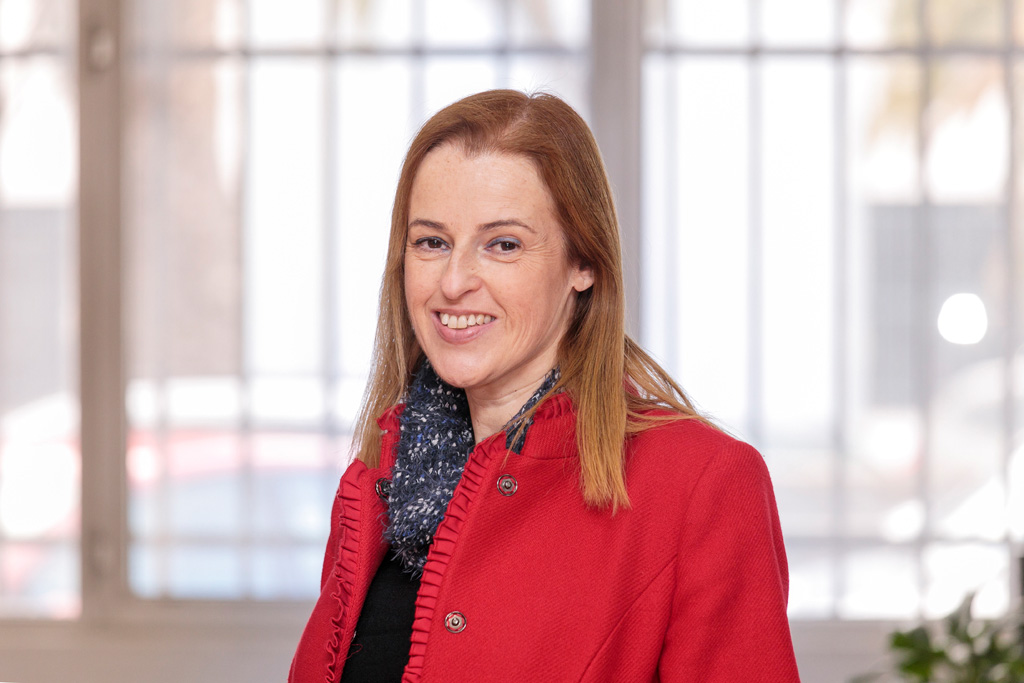
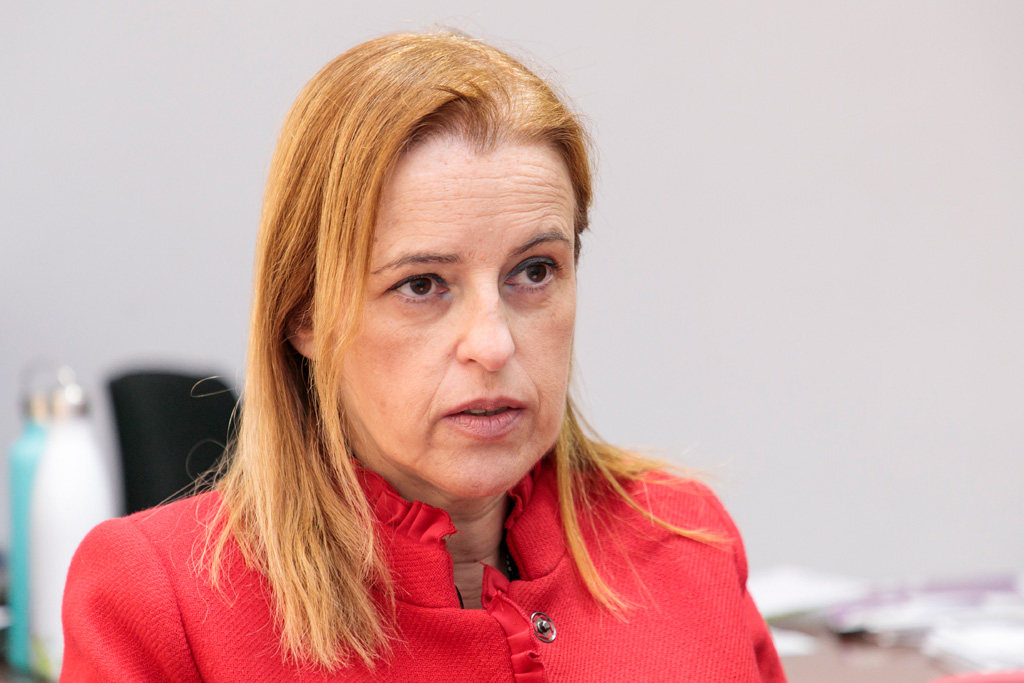
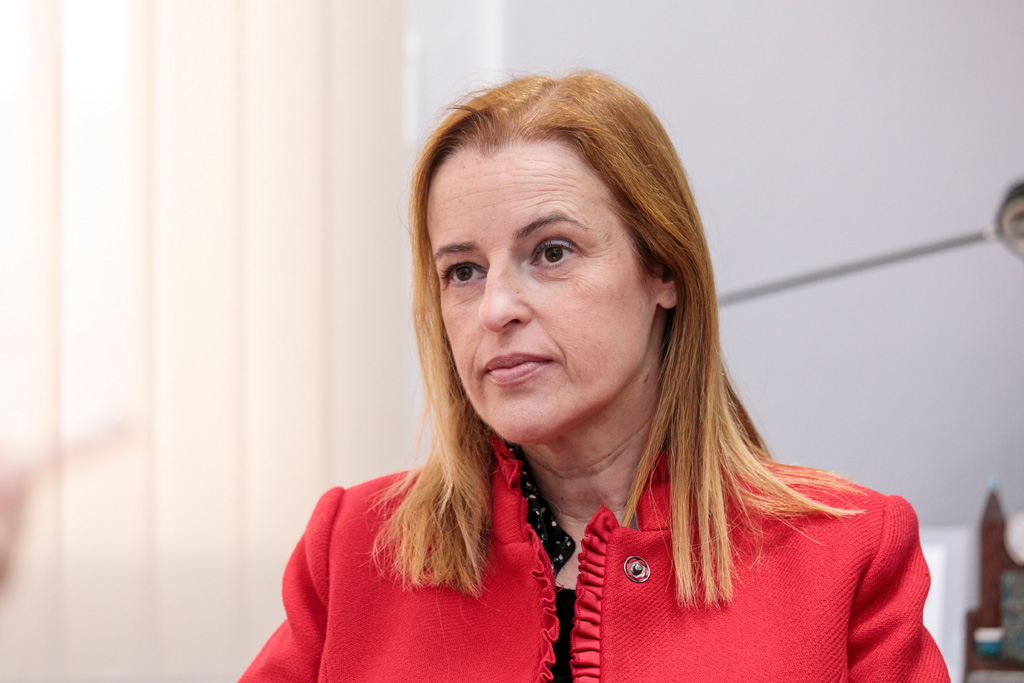
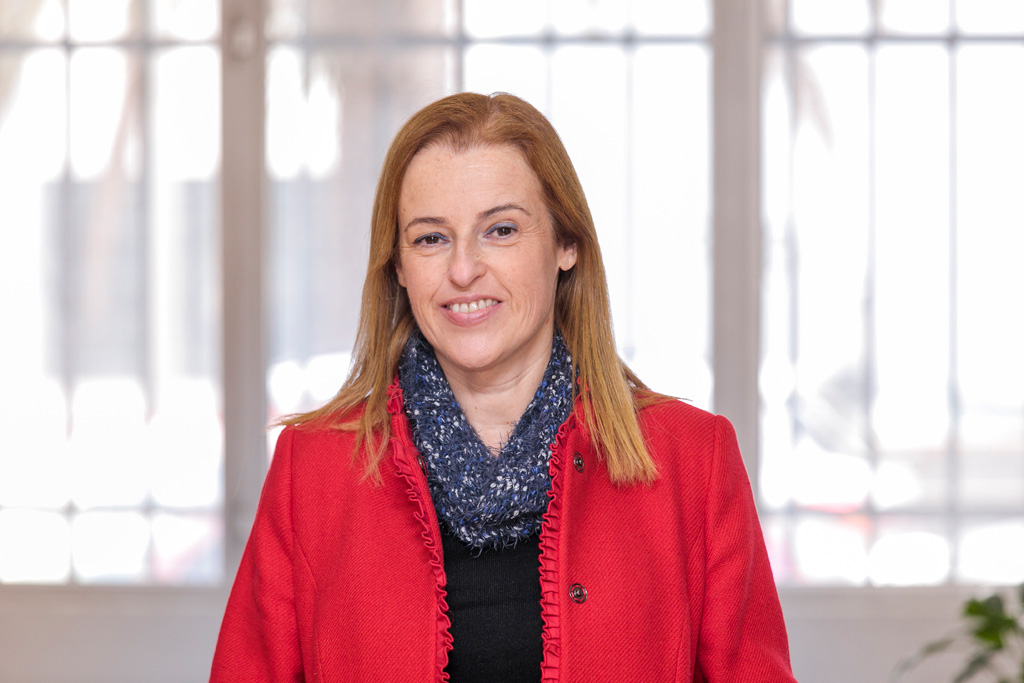
Esperanza Ceballos Vacas She is the dean of the Faculty of Education at the University of La Laguna and a researcher in the area of Research Methods and Diagnosis in Education. We met with her to discuss these and other problems and challenges facing education today and to learn the opinions of those who train the teachers of the future. To ward off the chill of the early morning, we began with a controversial topic that heats up any conversation: education laws. In the last 40 years, eight education laws have been passed, half of them since 2000. Besides the jumble of acronyms, this represents a challenge of adaptation and readjustment that forces teachers to change course with each legislative term. LGE, LOECE, LODE, LOGSE, LOCE, and LOE are some of them.
The dean acknowledges that the faculty is tired of these pendulum-like legislative changes that swing back and forth depending on the political climate. ”There’s a feeling of weariness among the faculty.” The Organic Law on the General Organization of the Education System, better known by its acronym LOGSE, marked a turning point in educational legislation in our country. “Afterwards came adjustment after adjustment upon adjustment” until we arrived at the law that is currently in force, the Organic Law amending the LOE (LOMLOE).
The need for a grand pact on education is a promise that never materializes. In these turbulent times, the possibility of getting all political groups to agree, even on such a laudable issue, seems distant and complicated to the dean. The politicization of education laws and the constant changes to regulations "that don't address the root of the problem" have left teachers tired and fed up with these rules that cascade down from above without ever truly taking root. "The LOGSE (1990) did represent a significant change; those that came after haven't had as much of an impact on the education system—they've been mere adjustments.".
Even so, he acknowledges that, despite the sense of catastrophism that sometimes permeates political appearances and public statements, education has improved significantly in this country, “despite everything.” Ceballos emphasizes that, although it is not a perfect system, important milestones have been achieved in education in Spain in recent years, such as universal access to education, with practically all students enrolled, equal access to education, and the extension of compulsory education to age 16. At this point, we took the opportunity to ask his opinion on the proposal to raise the compulsory schooling age to 18. In his view, “this is not the most appropriate time to implement this measure,” since corrective measures must first be put in place because, in his opinion, simply keeping students in class is not enough.
In this regard, the dean draws attention to the high rate of grade repetition among schoolchildren in Spain. This is an issue that has drawn criticism from the European Union and has no easy solution. “We have 22.1% of students who have repeated a grade at least once before the age of 15.” The OECD average is 9.1%. Before considering raising the school entry age, this problem must be solved first, the dean concludes.
Education and poverty
There is a clear relationship between a person's socioeconomic status and their level of education. In this sense, a cruel inverse relationship exists: lower income is associated with a greater likelihood of not having an education. This problem, not unique to our country, reveals several undeniable realities, such as the fact that the equitable and compensatory function of education is not capable of completely neutralizing the impact of socioeconomic background.
Other interesting data from the report on “Child poverty and educational inequality in Spain” written by the FIEX observatory, It paints a picture of a reality we don't want to see, such as the fact that half of the people who grew up in a home with only a basic level of education will not surpass that same level. Or the direct relationship between the level of education in the home and child poverty. There is also a clear relationship between school dropout rates and the socioeconomic level of the household, occurring 7.5 times more frequently in lower-income households than in higher-income households.
“With equal educational attainment, students from the lowest socioeconomic bracket are four times more likely to repeat a grade than those from the highest.” This means that socioeconomic status has a significant impact on educational attainment and that education cannot be improved without addressing poverty. “Another important issue is school dropout, which affects 11% of girls and 16% of boys.” Although we have made considerable progress in recent years, the dean points out, the European average is around 91%.
Observing this data helps to better understand the results of the last PISA report, The report shows a correlation between the GDP of the autonomous communities and their academic performance. The poorest communities have the lowest scores: the Canary Islands, Andalusia, and the autonomous cities of Ceuta and Melilla. “With some exceptions, for example, the Basque Country, which has significant investment, has experienced a decline, but overall, we see a strong correlation between socioeconomic level and the results in this report.”.
Technology and education
Hardly a day goes by without us hearing some statement about the implementation of technology in education. Screens yes, screens no, mobile phones inside or outside the classroom—these are debates that are currently making headlines. Like it or not, digital literacy is essential. Our lives are now inconceivable without the digital world, and therefore students must learn to navigate it safely. The debate lies in how to do it. All experts agree that the education system cannot ignore digitalization, but how should these technological tools be used in the classroom?
In Esperanza Ceballos's opinion, "it's not a question of digitization yes or no, it's about how we use it. There are schools of thought that advocate removing screens from educational centers. There are schools where their use is completely normalized, with the use of tablets and computers. It's unthinkable to teach without these tools." Although she also acknowledges that problems have arisen in specific contexts, especially as distractions from students' attention. But distractions have always existed, she clarifies. "In my day, they said that television prevented children from doing their homework." Before it was television, before that the neighborhood square, and now it's Instagram or TikTok.
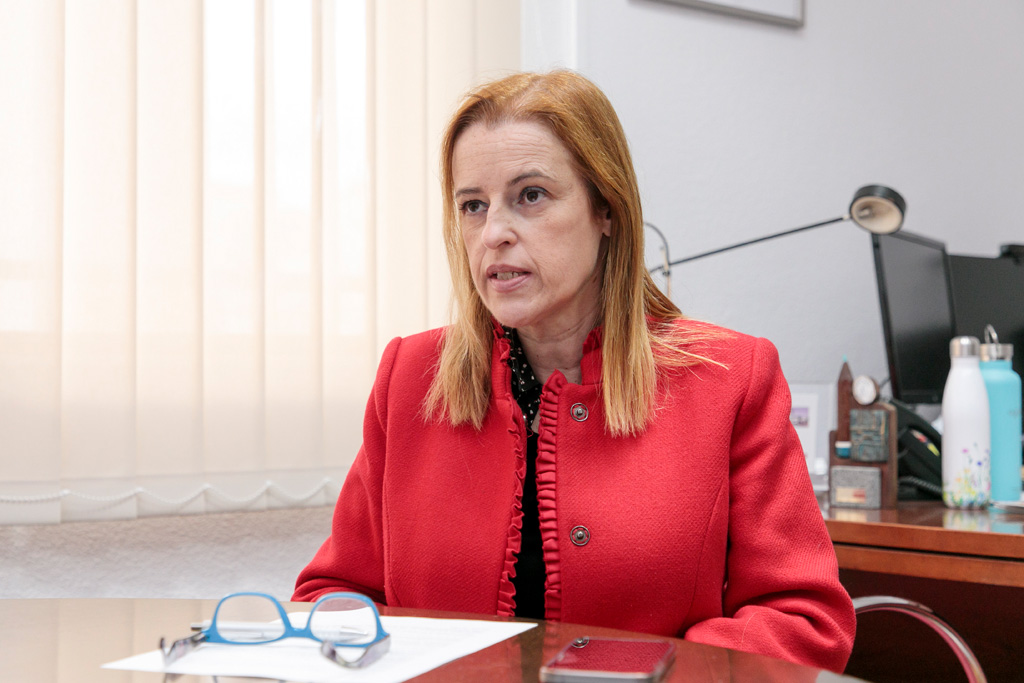 But like everything, the key is finding the balance between full technological integration and taking notes on papyrus. The dean doesn't like classes that are a circus, full of gimmicks and turned into an entertainment show. That said, the use of technology should be natural, because it is in our lives. From the moment we wake up until we close our eyes at night, technology is with us, and the classroom shouldn't be too different from what we see outside. Schools shouldn't be oblivious to this reality. For Ceballos, the secret lies in how to introduce it and how to use it well; that's why she leans more towards regulation than prohibition.
Artificial Intelligence (AI) is here to stay, including in education. Assessment methods must change, as traditional analysis and summarization tasks can now be performed by AI in seconds. Reproductive approaches to assessment are no longer effective. Ceballos Vacas doesn't believe AI is a problem for education; on the contrary, he sees it as an opportunity. “AI is here; we can't ignore it. Many schools are encouraging students to use it. The important thing is to design tasks that are beneficial for them using this new technology. The key is for students to learn to ask good questions; this is something that can be assessed.”.
Education and diversity
The Canary Islands are not the most multicultural region in the country, but there is no doubt that we have a high level. According to the Canary Islands School Council The majority of students from outside the region come from Latin America, followed by citizens of the European Union, the UK, and Morocco. Some schools have students from more than twenty different nationalities, which can be both a challenge and an opportunity for the school community.
Although the dean acknowledges that multiculturalism among students has always been an important aspect of our educational strategy, she laments the lack of resources and points out how, in some schools, students who don't speak Spanish don't receive language support until they reach a minimum number in a class. "This means that a child who speaks another language might arrive and not receive support in their own language if we can't find four more students in the same situation.".
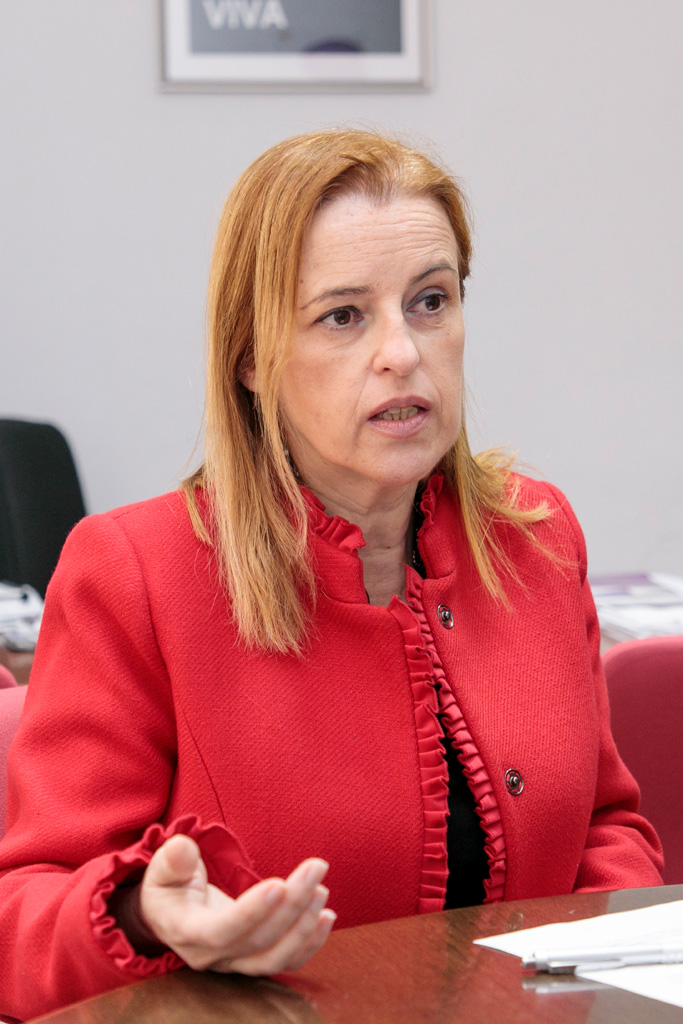
The first barrier is language. Next would come teacher training in areas such as tolerance, appreciation of the richness of other cultures, and intercultural understanding. This means avoiding an assimilationist model, where we ask immigrants to integrate by becoming like us, and instead adopting a model that embraces the richness of other cultures.
Educating to think
The scope of the current education law places great emphasis on the need for students to be able to think critically. According to the relevant Ministry, critical thinking “is fundamental both for solving everyday problems and for navigating the academic and professional world.” Are skills such as arguing, debating, understanding, analyzing, and discerning being taught to those who will educate our children?
The Ministry of Education, Vocational Training and Sport, following the guidelines of Council of the European Union The May 2018 report on lifelong learning competencies includes “learning to learn, for lifelong learning and participation in society.” The Dean of the Faculty of Education emphasizes that there is now a strong emphasis on the competency-based approach, including at the university level.
This approach tells us that while knowledge of academic disciplines is necessary, practical skills that help us solve real-life problems are also essential. Is solving real-life problems being taught at the university? “The university is supposed to be the cradle of critical thinking; we are supposed to teach students to think for themselves. In this faculty, students are strongly encouraged to develop their critical thinking skills; I make that clear in my classes.”.
Scientific Culture and Innovation Unit (Cienci@ULL)

 Spanish
 English
 French