Margarita Salas, a molecular biologist, was one of the most important Spanish scientists of the last century. She began her research career in the United States with Nobel laureate Severo Ochoa. Upon returning to Spain, she founded the country's first molecular genetics research group. Throughout her professional life, she was also a staunch advocate for gender equality in science.
Salas was a pioneer in many respects. For example, she was the first woman to receive the Echegaray Medal from the Royal Academy of Exact, Physical and Natural Sciences. Her research on the phi29 DNA polymerase enzyme earned her numerous accolades, including the 2019 European Inventor Award. Furthermore, Salas holds an honorary doctorate (posthumously) from the University of La Laguna. This Spanish scientist is not only an undisputed leader in molecular biology, but she also inspires girls and women who aspire to careers in science.
However, her path in science was not easy. She faced gender bias and had to fight for equality between men and women. Unfortunately, some of these biases still exist. A global study by the United Nations Educational, Scientific and Cultural Organization (UNESCO) entitled “To be smart, the digital revolution must be inclusive” reveals that in fields such as artificial intelligence, only one in five professionals is a woman. Furthermore, they often receive smaller research grants than their male counterparts. And although women represent 33.3% of all researchers, only 12% of them are members of scientific academies.
 For this reason, February 11th is celebrated as International Day of Women and Girls in Science In recognition of the essential role women play in the scientific and technological community, the date was established by the United Nations (UN) in a resolution adopted on December 22, 2015, which acknowledged initiatives led by competent UN organizations in the area of gender equality to support women scientists and promote the participation of women and girls in education and research in the fields of science, technology, engineering, arts, and mathematics (STEAM).
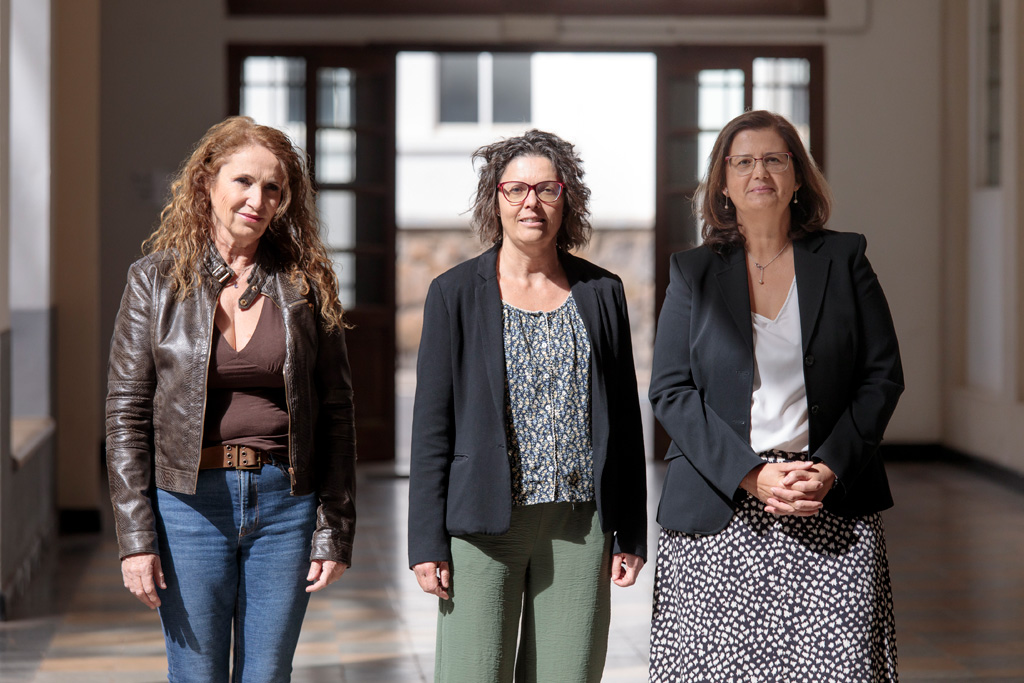
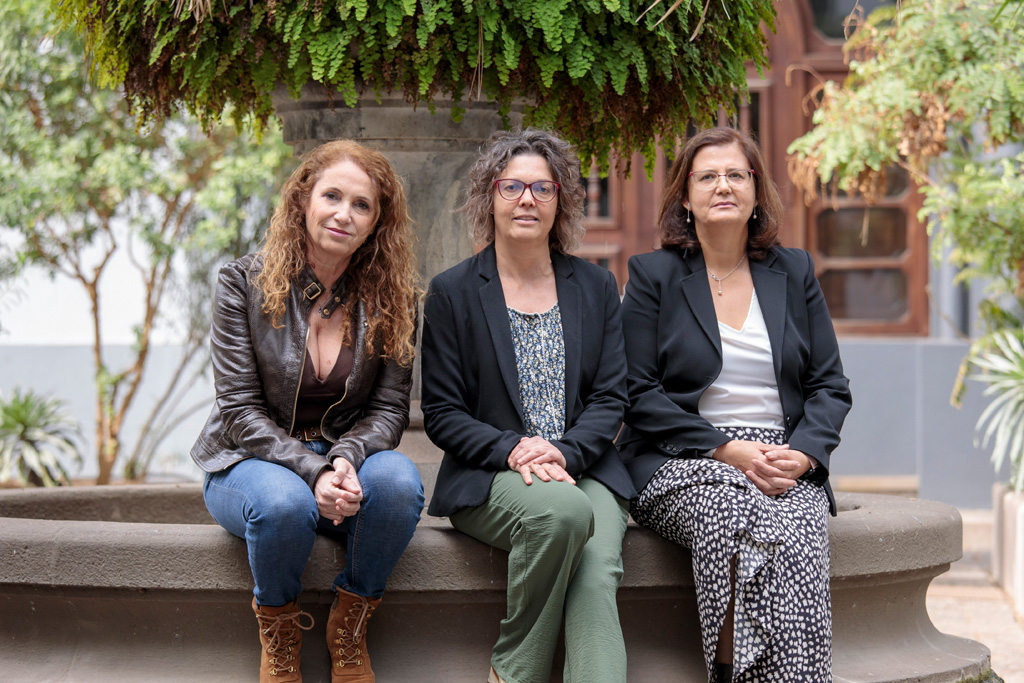
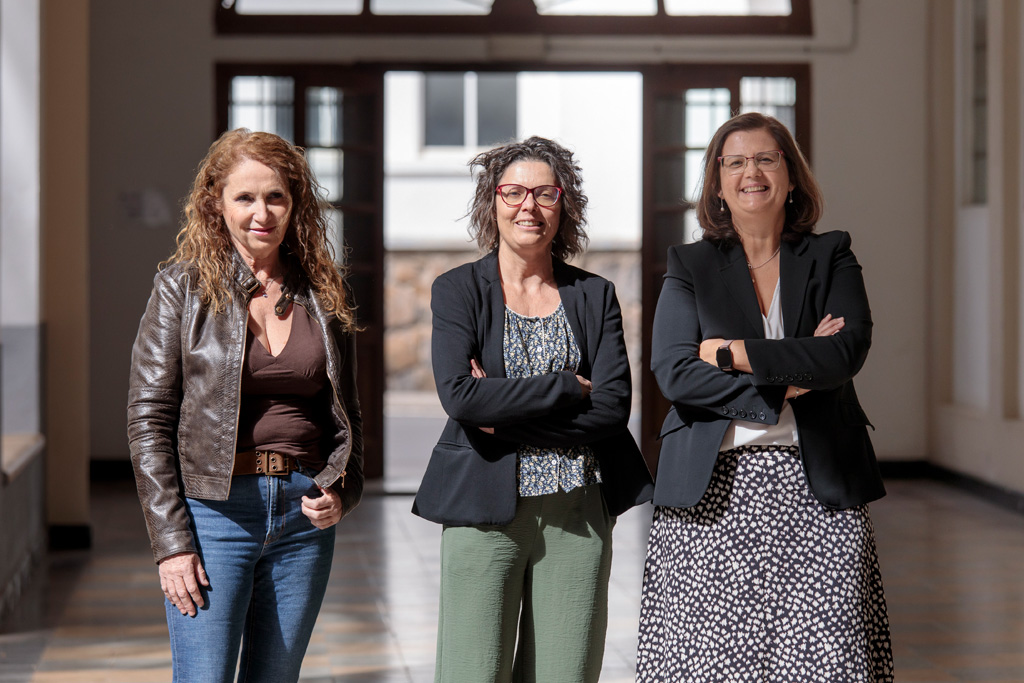
At the University of La Laguna, there are many women dedicated to scientific research in STEAM disciplines who serve as role models for girls and women interested in research. We spoke with Candelaria Hernández Goya, researcher in the area of Computer Science and Artificial Intelligence; María Teresa Acosta Almeida, of Genetics; and Susana Guerra Mejías, of Painting.
Candelaria Hernández decided to pursue research in cryptology and cybersecurity after taking a course in her final year of a mathematics degree. This course was taught by Pino Caballero, a specialist in cryptography and cybersecurity. “Caballero explained the fundamentals of cryptography, and that's where my interest in the subject began,” she recalls. She then began her research career by writing her thesis and participating in conferences. During her doctoral studies, she worked on developing advanced cryptographic protocols and applied them to solving the user identification problem.
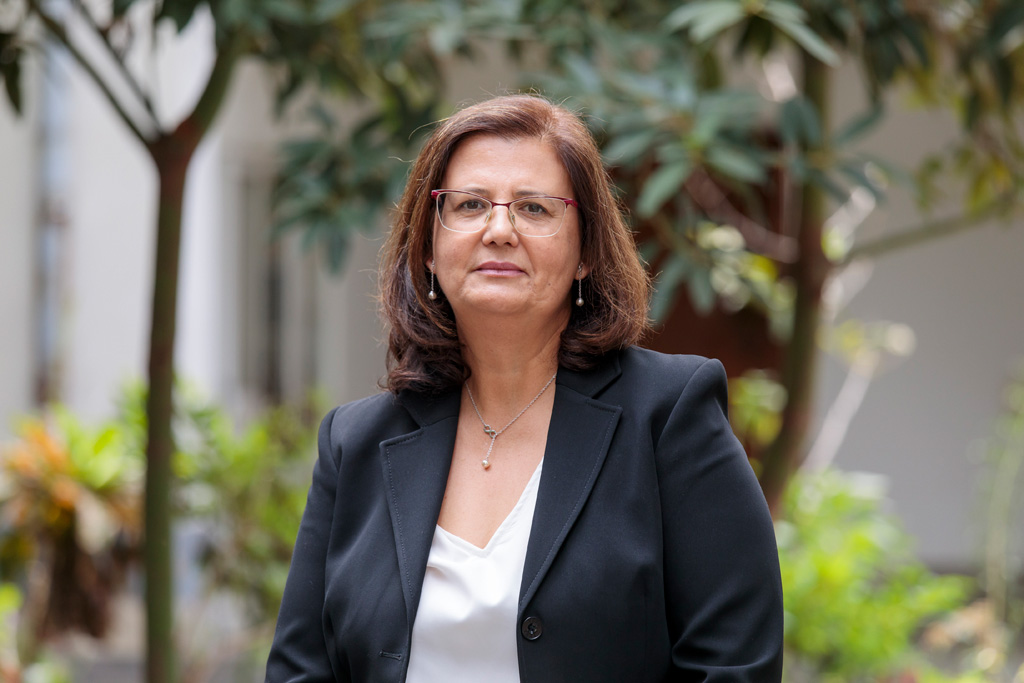
Candelaria Hernández
Teresa Acosta, for her part, began her thesis in a laboratory where no molecular-level research was being conducted. At that time, around the 1990s, the p16 and p53 genes were all the rage, given their known role as cancer suppressor genes. Thus, the researcher, specializing in the field of Genetics, delved into the study of leukemia at a molecular level with the aim of determining whether alterations in these genes were also present.
In Susana Guerra's case, her interest in experimenting with artistic expression was evident from her early years as a student. She didn't limit herself to traditional painting, but explored other materials and supports. "I started with processes that didn't exactly correspond to what a fine arts degree required," she says. Furthermore, this researcher in the field of Painting had the opportunity to work at several European fine arts institutions thanks to Erasmus scholarships, which allowed her to become familiar with almost all artistic techniques and acquire new knowledge that she incorporated into her thesis on the search for new materials and supports for artistic practice, especially printmaking.
Lines of research
Guerra then specialized in painting and joined the "Creative Actions Workshop" research group at the University of La Laguna (ULL), where they seek to combine different artistic disciplines. For example, the group has developed various projects ranging from photography and painting to sound art. "We've tried to bring all of that together so that the result would be a compendium of works," she explains. The group has also collaborated with researchers from universities in Valencia and Barcelona. "While some of them contribute their particular expertise in photography or poetry, we contribute from painting, photography, or graphic arts," Guerra states.
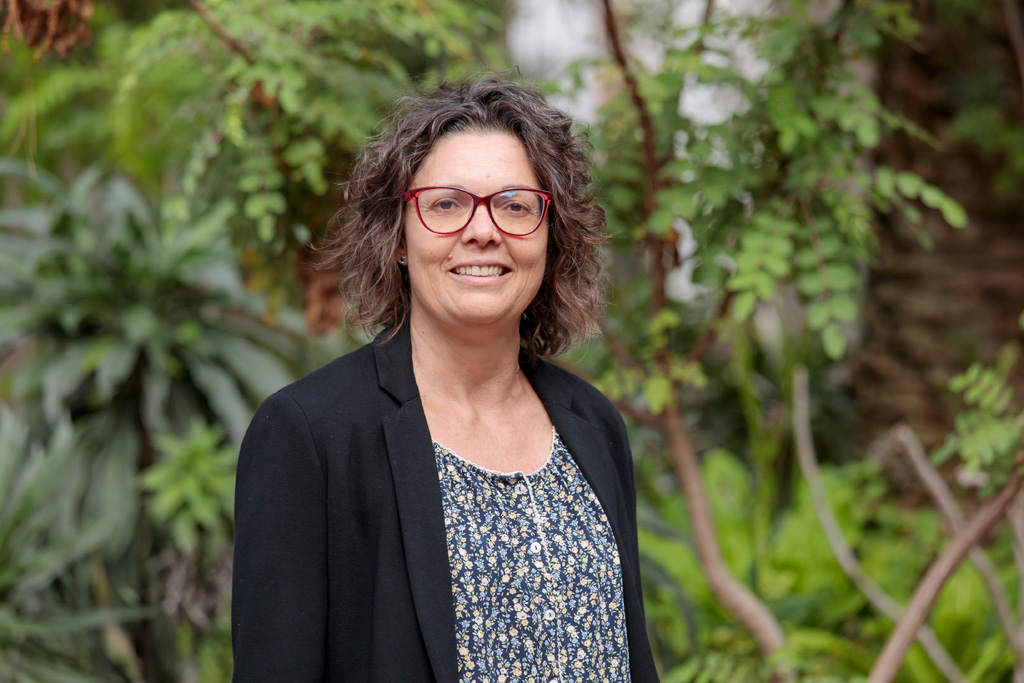
María Teresa Acosta
Hernández has developed cryptographic protocols that guarantee the security of medical data management in hospitals. To achieve this, they created a protocol using an NFC-enabled wristband that allows healthcare personnel to access patients' medical records via their mobile phones. This has eliminated the need to handle printed documents. "We have tried to streamline information processing while simultaneously providing security through access control," he states. He has also worked on another project involving the allocation of resources such as ambulances or healthcare personnel in emergency situations. This system, based on blockchain technology, records resource allocation and location in real time.
Candelaria Hernández is currently developing a strategic cybersecurity project funded by the National Cybersecurity Institute. The project aims to analyze the current state of cybersecurity in the mobility sector, specifically in shared and autonomous vehicles. The researcher is working to establish security requirements in these areas, as they are currently very basic. In addition, she is studying the impact of quantum computing on traditional cryptography. Her goal is to establish protocols that can guarantee the security of cryptography once quantum computing becomes available to organizations and users. "There are already some initial steps toward standardization, and we are trying to see how that security can be improved," she explains.
Teresa Acosta, researcher of the group Genomics and Health, The research team has two lines of investigation focused on the analysis of uterine fibroids, benign tumors that negatively impact women's quality of life. The researcher explains that uterine fibroids significantly affect quality of life, and also points out that many women are waiting in hospitals to undergo hysterectomy, a costly procedure that can involve heavy and prolonged bleeding. One approach focuses on the basic study of fibroids at the cellular and genetic level, carried out in collaboration with cell biologist Aixa Rodríguez from the University of La Laguna. The other involves the analysis of tachykinins in the myometrium and uterine fibroids, in collaboration with a research group from the Spanish National Research Council (CSIC), comprised of Doctors Luz Candenas and José María Pinto, pioneers in this field within the study of tachykinins in the mammalian reproductive system.
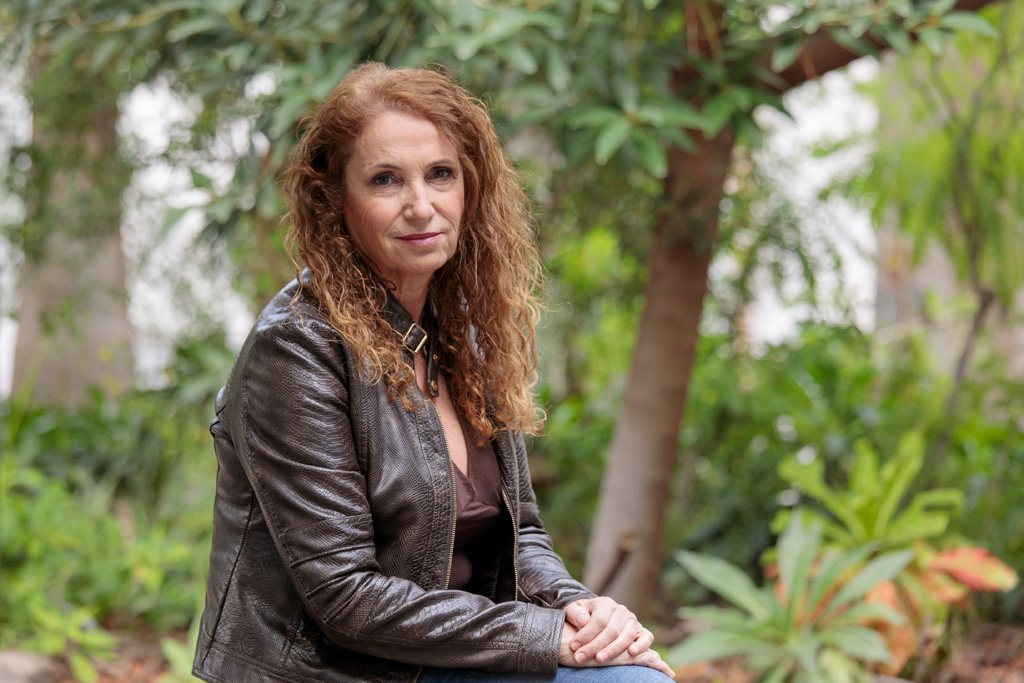
Susana Guerra
The geneticist's second line of research is carried out in collaboration with the research group Drug Delivery System from the University of La Laguna. Its objective is to encapsulate biopharmaceuticals in nanoparticles capable of silencing genes, in order to evaluate their efficacy in organotypic culture models developed to study uterine fibroids. This allows for a more reliable study of fibroids while keeping the tumor cells and their environment intact.
Acosta wants to continue consolidating these lines of research. Her group has successfully submitted new projects and has incorporated young researchers into its team, such as Lisandra Muñoz, an expert in molecules important for gene regulation. Furthermore, the researcher intends to continue raising awareness about this problem, which particularly affects women. “We are even considering starting a uterine fibroid association, since there isn't one in Spain,” she explains.
Women in STEAM
“Women are a fundamental part of scientific research,” Teresa Acosta continues. The researcher emphasizes their importance because uterine fibroids represent a problem unique to women. The geneticist observes a significant interest from women who wish to pursue this line of research, as well as from clinical staff who collaborate by providing samples for analysis and express their concern about finding a solution to this problem. Furthermore, she notes that scientific fields are full of women, as is the case in Medicine and Biology.
“Today it is clear that we cannot say that there are no women in art because it is full of them,” says Susana Guerra, who nevertheless believes that, although great progress has been made in the creation and participation of female works in exhibitions, the glass ceiling of some prestigious art institutions in the country has not yet been broken.
Conversely, in engineering, unfortunately, the presence of female students is scarce: “The percentage of women in these studies remains very low,” notes the researcher in the area of Computer Science and Artificial Intelligence. This reality is also reflected in the world of research and business, where women are fundamental in decision-making. According to Hernández, they have a more global perspective for approaching problems and finding solutions within engineering. Fortunately, there are currently some women holding leadership positions in important organizations and university research groups, such as the Cryptology Group led by Pino Caballero.
Girls with Science@ULL
Hernández, Guerra and Acosta have been featured in some episodes of the educational audiovisual series Girls with Science@ULL, The project, which aims to foster scientific and technological vocations among young women in the Canary Islands to improve their academic performance and spark their interest in higher education, has involved over one hundred female researchers in its four seasons. Hernández believes it is essential for young people to have female role models in STEM fields to encourage these studies. She also laments that until very recently, the role of women in scientific careers was largely unknown. Guerra, for her part, believes these initiatives are important for raising awareness and advocating for women's presence in decision-making, because they are developing interesting projects that are not being valued in the same way as if those projects were created by men. Acosta considers it important to highlight the role of female researchers for young women and show them that there is a university within their reach where they can pursue a doctorate and which can serve as a springboard for travel, new experiences, and the opportunity to study other lines of research at other universities.
Teresa Acosta encourages women to pursue a scientific career if they are motivated: “I’m sure they’ll eventually find the path they love most, despite the difficulties.” Hernández, for her part, believes: “If someone is drawn to a STEAM discipline, they’ve already won half the battle; the other half is discipline.” Susana Guerra maintains that the fine arts are very rewarding. She encourages women to train in this discipline if they have talent and enjoy art: “Training is necessary to develop their abilities in the artistic world.”.
Scientific Culture and Innovation Unit

 Spanish
 English
 French