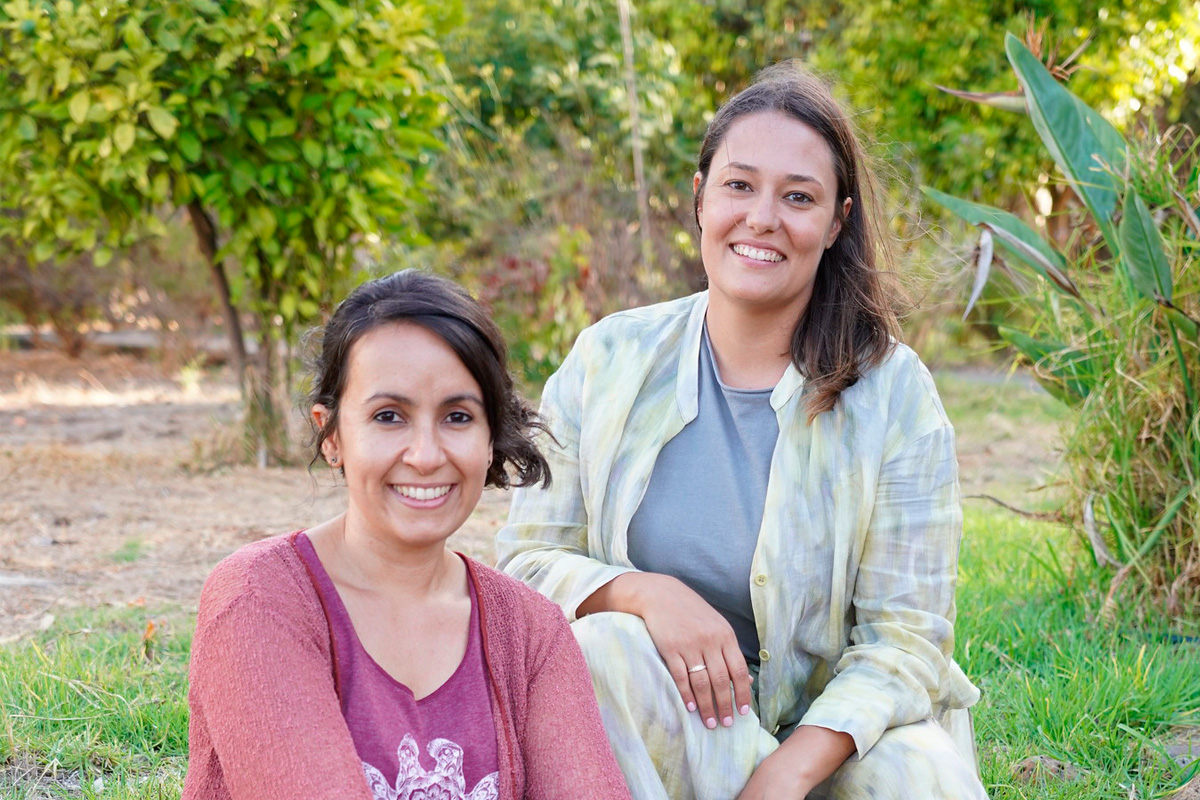
The primary sector in the Canary Islands, and especially livestock farming, has always been led by men. However, cheesemaking has historically been an activity carried out by women who continue to fight for visibility and leadership positions. These issues, along with others, are evident in the research project 'An Approach to the Reality of Women in Cheese Factories in the Canary Islands', promoted by the Chair of Agritourism and Wine Tourism of the Canary Islands from the Canary Islands Institute of Agri-Food Quality and the University of La Laguna.
Jesús de las Heras Roger, director of the Chair, explains that this publication reveals not only the richness of a craft sector rooted in tradition, but also the dynamism and resilience of the women who have shaped and preserved this heritage. This research is not only an academic study, but also a human story, capturing the voices, experiences, and aspirations of women cheesemakers, De las Heras emphasized.
Researchers and members of the Chair's Governing Council, Ana María Morales Hernández and Anabel Calderín Castro, point out that the profile of women working in cheese factories is predominantly between 56 and 65 years old, indicating an aging sector. However, there is a noticeable increase in young people and middle-aged women with higher education entering the industry, partially ensuring generational renewal.
In addition to analyzing the current situation of women in the cheese industry, the study proposes various actions to professionalize the sector from a gender perspective, promoting female entrepreneurship, as well as improving services and resources for work-life balance in rural areas, and raising awareness about gender equality. The publication is available at the Chair's website in PDF format.

 Spanish
 English
 French