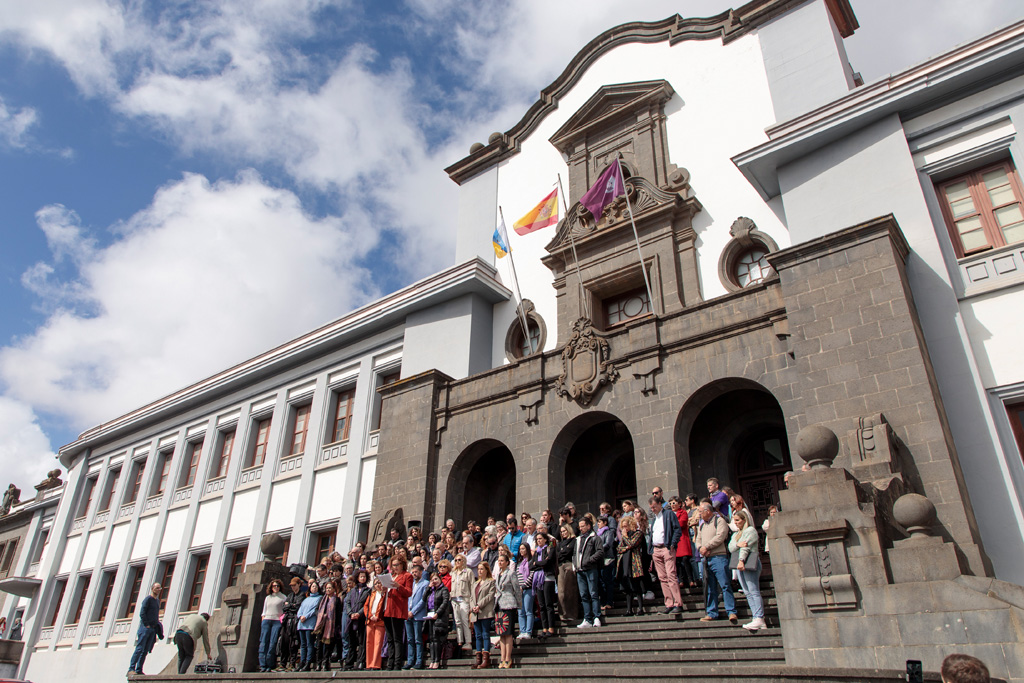
The rector of the University of La Laguna, Francisco García Rodríguez, warned today, Friday, March 8, that a “wave of denialism” regarding gender issues and problems such as discrimination, violence, and sexist harassment is developing in the political and institutional spheres, and that this “risks becoming a tsunami.” Therefore, he appealed to academia to make efforts in teaching, research, and knowledge transfer to mitigate this social regression.
García made these statements during the opening of the activities commemorating International Women's Day, organized at the University of La Laguna. She was accompanied at the table by representatives of the various entities that collaborated to launch this program: Esperanza Ceballos Vacas, dean of the Faculty of Education, whose Equality and Coexistence Commission conceived the initial idea for this activity and its subsequent development; Carina González González, director of the University Institute for Women's Studies (IUEM); Carmen Marina Barreto Vargas, director of the Equality Unit of the institution; and Carmen Julia Hernández Hernández, Deputy Director of Services and Head of Equality of the Libraries from the university.
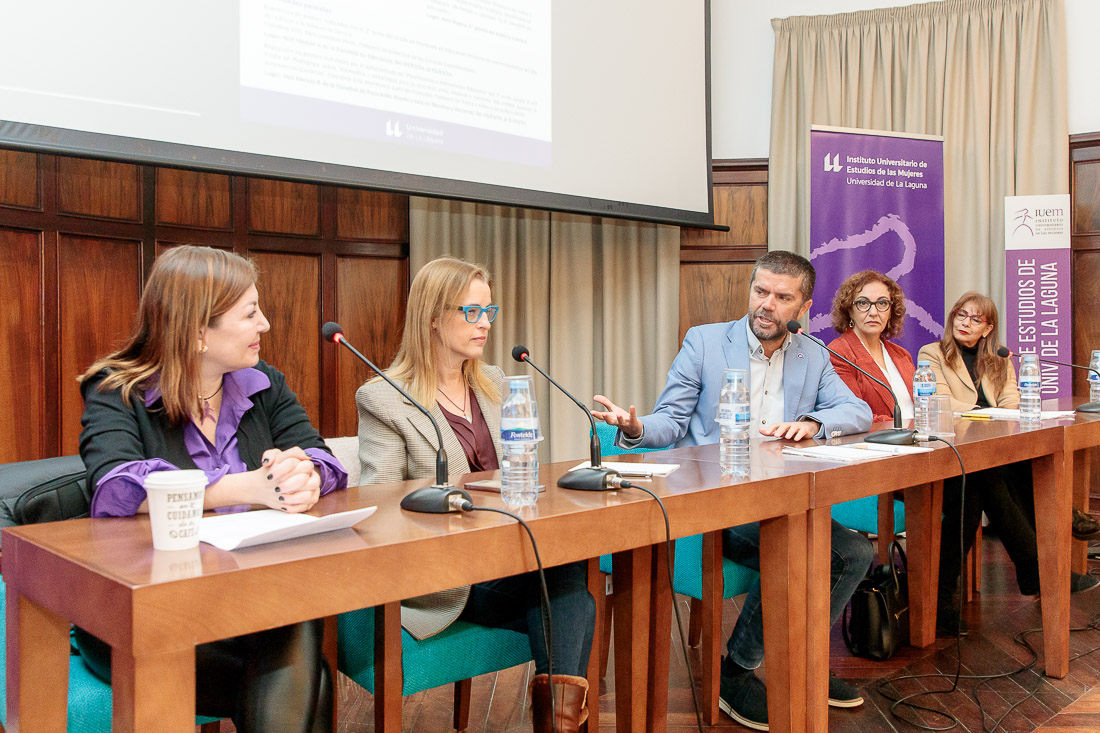
From left to right: Carina González, director of IUEM; Esperanza Ceballos, dean of the Faculty of Education; Francisco García, rector; Carmen Marina Barreto, director of the Equality Unit; and Carmen Julia Hernández, deputy director of the Library Service.
Expanding on his concerns, the rector cited a recent study indicating that Generation Z men have the worst perception of feminism, which is particularly worrying given that this is the age group currently pursuing higher education. “This underscores the urgency of taking action; we must contribute knowledge that serves to denounce and hold a mirror up to this unequal and unjust society.”.
Therefore, she expressed her satisfaction with the “image of unity” that such an event represents, in whose organization the institutional entities related to training and gender policies collaborated, especially valuing the faculty “because education is the primary lever for changing society.” García emphasized the need to continue delving into ideas of equality and justice to combat a gender gap that, according to a recent study, if the situation continues as it is, would take 132 years to close, which is “intolerable” and, therefore, “we must fight to close it as soon as possible.”.
The Dean of the Faculty of Education noted that “flagrant” inequalities persist in society and also within the university, affecting academic and scientific leadership and resulting in a significant lack of female role models. She cited as examples that in the history of the University of La Laguna, there have only been two female rectors and just three honorary doctorates, out of a total of 44. Ceballos highlighted the work carried out by the Equality and Coexistence Commission of her faculty, coordinated by Professor Esther Torrado, to address the numerous inequalities it faces.
The director of the Gender Equality Unit also addressed the challenges the university faces through legislation on the gender pay gap, work-life balance, and harassment. Regarding the latter, Barreto noted that the University of La Laguna has a protocol for addressing cases of sexual and sexist harassment, and she encouraged students to familiarize themselves with it and make greater use of it. She explained that one problem her organization is noticing is the low number of complaints received, perhaps due to a lack of awareness of this procedure.
The director of the IUEM provided several figures to adequately illustrate the problem of gender inequality. The gender pay gap is 121%, and it widens after the age of 45. The number of female students in technology degrees is below 301%, a situation reflected in the workplace, as 61% of Spanish technology companies have no women in ICT-related roles. This is especially serious considering that the future economy will depend on technology, a field with low female representation. She also highlighted the alarming figures for gender-based violence, with 13 women murdered so far this year and, in February alone, 80,000 women requiring police protection due to harassment.
For her part, the Deputy Director of the Library noted that one of the program's activities, a talk on cyberviolence and cyberbullying, was to take place in one of the equality spaces that her department has opened in various locations throughout the institution, thus addressing the requirements of Sustainable Development Goal 5 on "Gender Equality and Women's Empowerment." She also recalled that last year the University of La Laguna signed the Canary Islands Libraries for Equality agreement, and this activity aligns with the commitments made following that commitment.
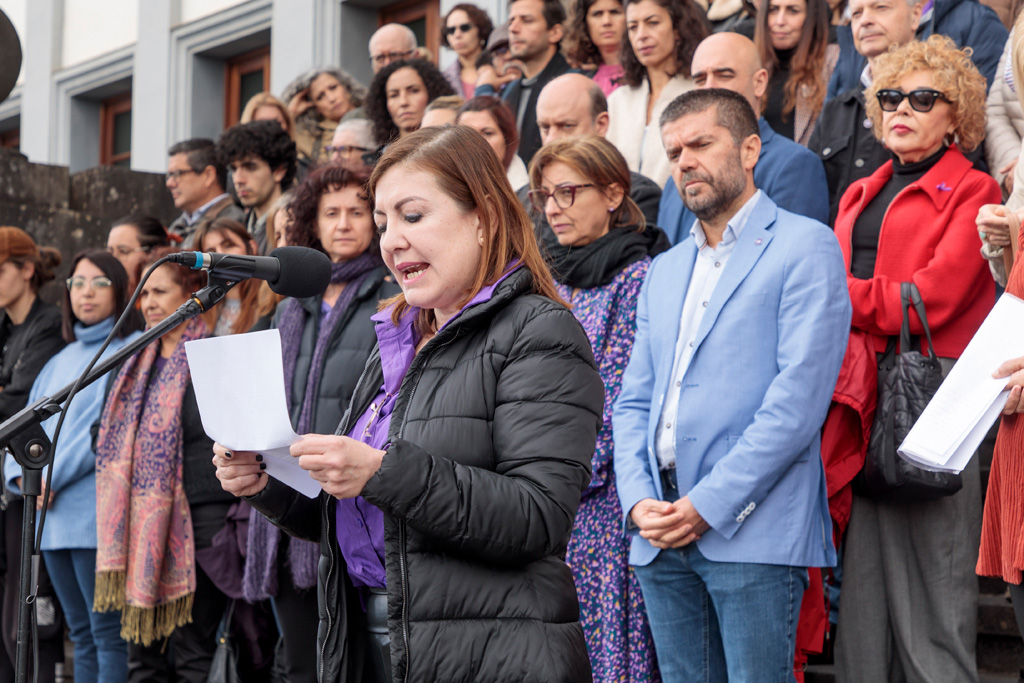
Carina González, director of the University Institute for Women's Studies
Reading of the manifesto
A now customary event on this date is the reading of the manifesto agreed upon by the Network of Gender Equality Units for University Excellence (RUIGEU), signed by 54 Spanish academic institutions. It was read by Carmen Marina Barreto Vargas, director of the Equality Unit at the University of La Laguna, and Carina González González, director of the University Institute for Women's Studies. They were introduced by the rector, who reiterated both his concern about the growing opposition to feminism among young people, which he defined as "a tool for liberation," and the university's commitment to the fight for equality.
In his full text, The manifesto called for continued progress towards achieving "an egalitarian university and social horizon that allows us to combat unconscious mental sexism, the sexual division of academic labor, the inequalities derived from the care gap and the gender pay gap, and the vertical and horizontal segregation by sex that has historically prevented real and effective equality between women and men.".
The document focused particularly on the situation of inequality in academic and scientific fields, which are especially challenging and competitive environments for women. According to a 2023 UNISAFE study, “62.1% of women in European universities have experienced some form of violence.” The absence of women “in leadership positions and at the highest levels of research and teaching recognition” is also notable. The situation is exacerbated by the existence of sexual harassment and harassment based on sex in various settings. Therefore, and taking advantage of the new university law that will affect staffing, the manifesto advocates for “integrating equality policies into the design and implementation of the changes to come.”.
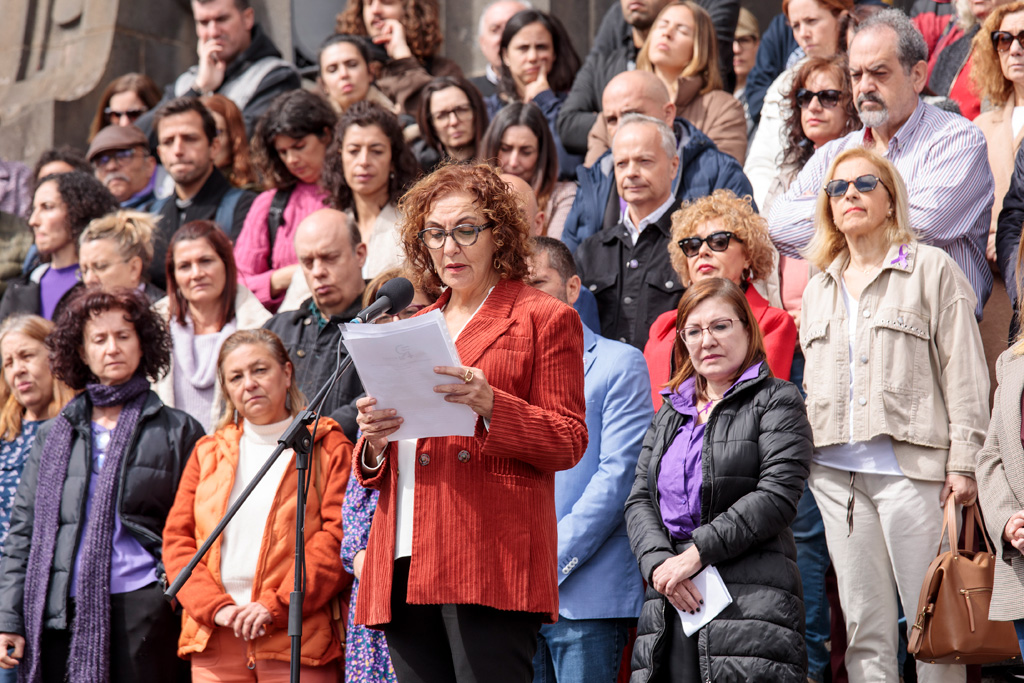
Carmen Marina Barreto, Director of the Gender Equality Unit
All of this would translate into several measures proposed in the document, including the equitable distribution of the workload, support for pregnancy and the care of dependent persons with flexible leave and no penalty in competitive processes, schedules that facilitate work-life balance, combating sexist discrimination and sexual harassment, and promoting a culture of respect, equality and zero tolerance towards any form of discrimination and prejudice.
The document also highlighted the forms of oppression inherent in the patriarchal system itself, extending beyond academia and citing Gaza, Ukraine, and "conflicts worldwide." It further addressed the sexism and misogyny prevalent in the digital world as a new arena requiring action. Therefore, the text emphasizes the importance of continuing to "ritually commemorate a new society" every March 8th and of promoting equality policies across all social spheres, including universities, which must "take steps toward a more equitable future.".
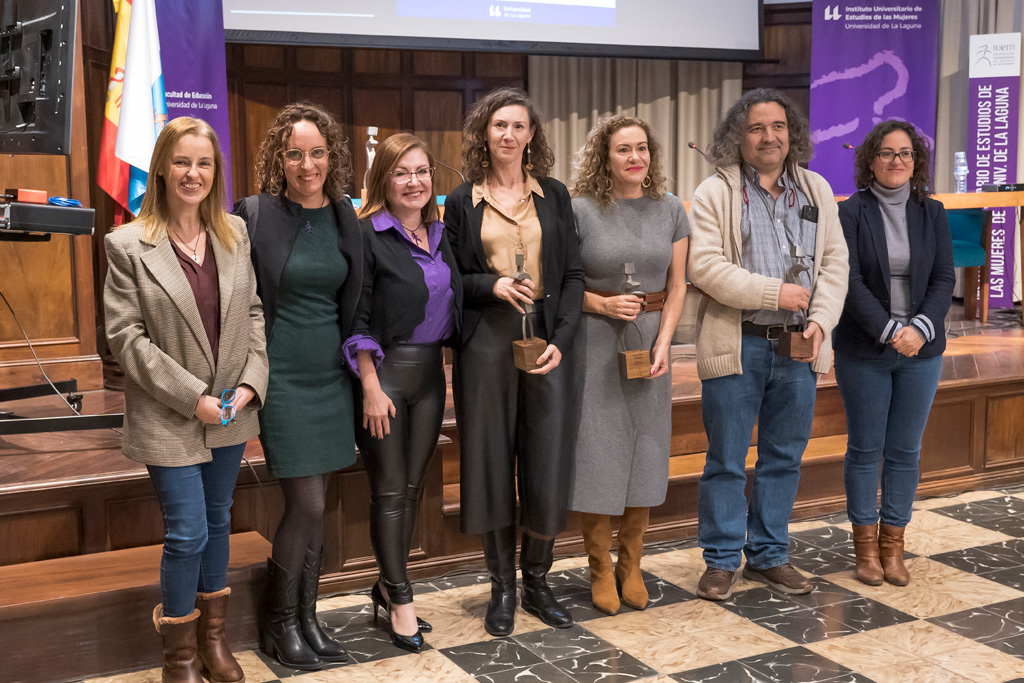
Award winners from IUEM. Photo: Eduardo Negrín.
Throughout the morning, the program of events continued with activities such as two roundtables: the first on sexual and sexist harassment, and the second on rape culture and pornography consumption. Finally, the event concluded with the presentation of the statuettes to the recipients of the IUEM award in 2023. At that time, the original sculpture of the award was not available in time, and a model was given to the recipients. A year later, astrophysicists Casiana Muñoz Tuñón and Giuseppina Battaglia, psychologist María José Rodrigo López, and philosopher Inmaculada Perdomo Reyes received the trophy as it had been originally conceived, in recognition of their outstanding scientific careers in their respective fields.

 Spanish
 English
 French