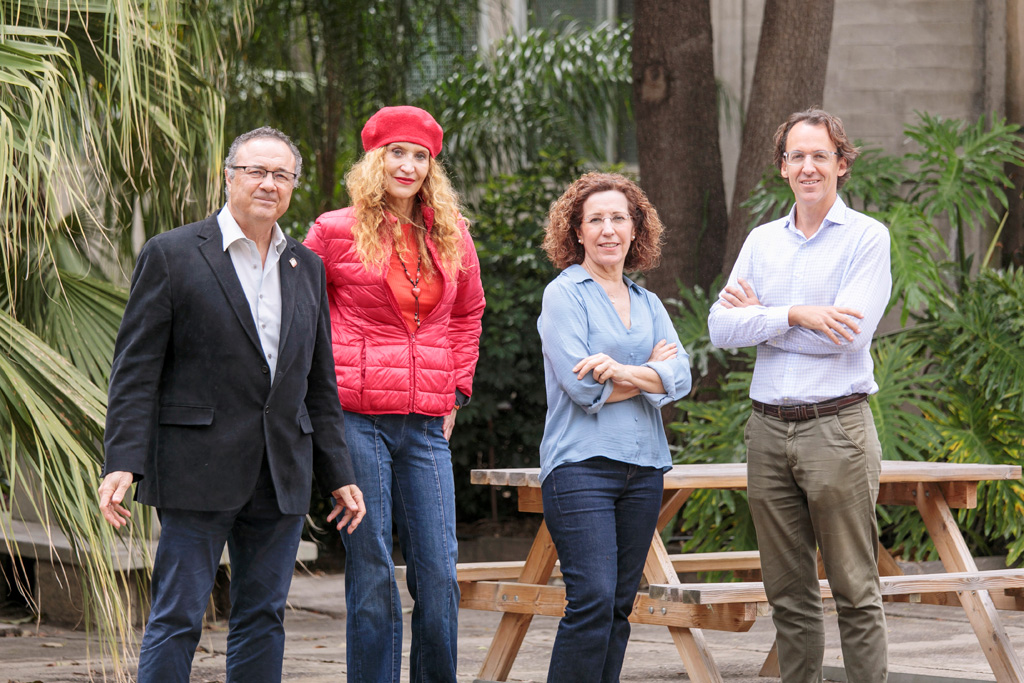
More than 150,000 people in Spain and 8.5 million worldwide suffer from Parkinson's disease, according to the Spanish Society of Neurology (SEN) and the World Health Organization (WHO), respectively. These figures are expected to triple in 30 years due to increased life expectancy and advances in diagnosis and treatment. World Parkinson's Day is commemorated on April 11, coinciding with the birth of physician James Parkinson, who in 1817 made the first diagnosis of the disease that now bears his name.
In the collective imagination, Parkinson's disease is primarily associated with immobility and tremors. However, the disease is much more complex. In its early stages, affected individuals may experience a variety of non-motor symptoms such as sleep disorders, bowel problems like constipation or leaky gut, and later non-motor symptoms such as cognitive decline.
This variety of symptoms is closely related to the accumulation of alpha-synuclein protein aggregates in the brain. Raquel Marín, neuroscientist and professor of Physiology at the University of La Laguna, has specifically investigated the role of alpha-synuclein in the neuronal membrane.

Raquel Marín.
The protein interacts with lipids present in the neuronal membrane, participating in the formation and regulation of areas called lipid rafts. These rafts, which contain cholesterol and polyunsaturated fats, are vital for neuronal function and cell preservation. However, in Parkinson's disease, the abnormal accumulation of alpha-synuclein can alter the composition and function of these rafts, impairing the proteins' ability to function properly and leading to the development of the disease's characteristic symptoms.
Science has observed that the gut may be involved in the transport of alpha-synuclein aggregates. Marín argues that “the gut could be an early trigger that increases the potential toxic aggregation of alpha-synuclein.” He adds that this could travel via the vagus nerve—which is not the case here—the main pathway connecting the enteric nervous system to the central nervous system.
Furthermore, some studies indicate that the first aggregates of alpha-synuclein can form in the olfactory bulb, which would explain why hyposmia, or a diminished sense of smell, can be one of the first symptoms detected in Parkinson's patients. In fact, early tests are being conducted on asymptomatic individuals at risk of developing the disease, evaluating their olfactory capacity by presenting them with different aromas, such as citrus or gasoline. Marín states: "It has been observed that people who undergo these tests can exhibit deficiencies up to ten years before showing any symptoms of Parkinson's.".
In addition, there are external factors that can contribute to the development of alpha-synuclein aggregates. One of these is the use of pesticides such as paraquat. For this reason, there is a high incidence of Parkinson's disease among people who work in agriculture. Furthermore, a diet low in polyunsaturated fats can also increase the risk of developing these alpha-synuclein aggregates.
A proper diet is essential to avoid disrupting the gut microbiota, known as dysbiosis, which can be associated with neurodegenerative disorders such as Parkinson's disease. "An imbalance in certain groups of bacteria leads to impaired metabolic degradation of bacteria, a greater tendency toward mucosal irritation, and an increased pro-inflammatory response in the blood, ultimately resulting in a host of problems that affect the entire system," says Marín.
Michael J. Fox, star of the film Back to the Future, He was diagnosed with Parkinson's disease at age 29. According to the Spanish Society of Neurology (SEN), 15% of Parkinson's cases occur in people under 50. In this regard, one of the many hypotheses related to this phenomenon is linked to intestinal alterations. "We have increasingly produced cheap foods that are actually neurotoxic and cause significant deficiencies in the gut microbiota," says Marín.
“The Mediterranean diet is the preventative and even corrective diet in certain aspects of Parkinson’s disease,” says Marín, author of books such as Give your brain life: The ultimate guide to neurofoods and healthy habits for a happy brain o Get your brain in shape: Activity plan, probiotics and recipes to improve your brain. The Mediterranean diet is based on a wide variety of foods, such as leafy greens like spinach, legumes, nuts, cereals, fermented dairy products, fish, and antioxidant-rich foods like blueberries or pumpkin.
Neurotransmitter release

Ricardo Borges.
Ricardo Borges, A researcher in the Pharmacology Department at the University of La Laguna has dedicated 40 years to researching neurotransmitter release. “We have focused primarily on chromaffin cells in the adrenal medulla, which release adrenaline into the bloodstream during stressful situations,” he explains. His research group, Exocytosis, focuses on understanding the mechanisms these cells use to accumulate neurotransmitters, especially adrenaline, and on measuring the concentration of this neurotransmitter within each vesicle.
“However, one day, as a doctor, you ask yourself: what is the purpose of my research?” Borges confesses. Thus, the researcher remembered Parkinson's disease and began to study it, because science already suggested that dopamine is the neurotransmitter involved in the motor symptoms of the disease.
Dopamine uses the exact same proteins as chromaffin cells to be stored within secretory vesicles. These vesicles, similar to those containing adrenaline in chromaffin cells, serve as a model for understanding the function of the dopamine secretory vesicle. However, in the case of Parkinson's disease, it is not practical to study chromaffin cells in the adrenal medulla of living humans. Therefore, researchers have sought other cells with a neurotransmitter storage mechanism similar to that of dopamine, such as mast cells, which release histamine, and platelets, which release serotonin.
In this regard, when dopamine is outside the neuron, it can oxidize and create cytotoxic oxygen free radicals, which can damage neurons. This oxidation process, known as mitochondrial stress, can also lead to the aggregation of the alpha-synuclein protein, implicated in Parkinson's disease. Therefore, studying the presence of vesicles in platelets is relevant to confirming this theory.
Several studies have shown that platelets from people with Parkinson's disease handle serotonin less efficiently than those from control subjects. In this regard, Borges' research group has studied the platelets of nearly 200 control subjects and 140 people with Parkinson's disease. "Using a technique known as high-performance liquid chromatography, we can diagnose approximately 90% of Parkinson's patients, although there is a small percentage of false positives and negatives," says Borges. Thus, this laboratory method for the early diagnosis of Parkinson's disease has patented at the national level and it is being cited, although Borges hopes to expand its application.
Furthermore, Borges' research group is developing a novel technology based on a more compact system. It is designed for use by any clinical assistant or physician in a consultation room, enabling rapid diagnosis in just a few minutes. This system employs several electrodes to study serotonin release in platelets.
They are also exploring the field of materials science, using different devices made from a special material called boron-doped diamond. These devices are placed on substrates such as glass, silicon, and amorphous quartz. The group is studying the application of these devices in the laboratory and their potential for this field of research.
Parkinson's disease is believed to develop slowly over decades. Some people may even die without ever showing symptoms. "Our theory is that you are born with Parkinson's," Borges notes. There are also other forms of parkinsonism, characterized by symptoms such as tremors and facial twitching, that can be mistaken for Parkinson's, posing a challenge for neurologists in terms of proper diagnosis and treatment.
This last point is relevant, since a person with parkinsonism does not respond to levodopa treatment, a medication that began to be used in the 1960s to treat Parkinson's by providing dopamine to the brain. Currently, Borges is working on finding a drug capable of slowing the progression of Parkinson's and that is not only used for symptomatic cases like levodopa: "Parkinson's produces symptoms when around 70% neurons have died." The problem with levodopa is that neurons continue to die, requiring increasingly higher doses and a corresponding increase in the drug's side effects. Besides levodopa, there are surgical treatments such as deep brain stimulation.

María Antonia Nieto.
Beyond the frontal lobe involvement of the brain
“The traditional hypothesis regarding cognitive impairment in Parkinson’s disease was primarily linked to frontal lobe involvement, which was also associated with the interpretation of motor symptoms,” they point out. Ivan Galtier y María Antonia Nieto, Researchers in the Psychobiology Department at the University of La Laguna believed that the motor symptoms of the disease and cognitive problems were associated with a lack of dopamine.
However, between the end of the last century and the beginning of this one, several neuroimaging studies began to contradict this hypothesis by demonstrating that the disease damages other brain regions. This led to a reconsideration of cognitive impairment with a more detailed focus on the cognitive profile of patients.
The research reveals a more complex cognitive pattern in Parkinson's disease, encompassing not only frontostriatal involvement but also problems with functions related to the posterior cortex, such as memory, visuospatial processes, and language. This recognition of the distinct nature of cognitive impairment increases awareness of the challenges people with Parkinson's may face in their daily lives.
In this sense, cognitive decline in people with Parkinson's disease can progress to dementia. For this reason, early detection and intervention are crucial. Since Parkinson's disease brings with it subtle cognitive changes, sometimes even before motor symptoms appear, subjective cognitive decline—which is detected by the individual—can be a key indicator for early detection and intervention. Although this concept originated in the general population as a possible predictor of Alzheimer's disease, its importance in the context of Parkinson's disease is now being analyzed, according to Galtier and Nieto.
Mild cognitive impairment involves the impairment of at least one cognitive domain to some degree. Within this group, a significant percentage will develop dementia in the future. “After about 15 or 20 years of living with Parkinson’s, especially in old age, a high percentage of people will develop dementia,” Galtier and Nieto state.
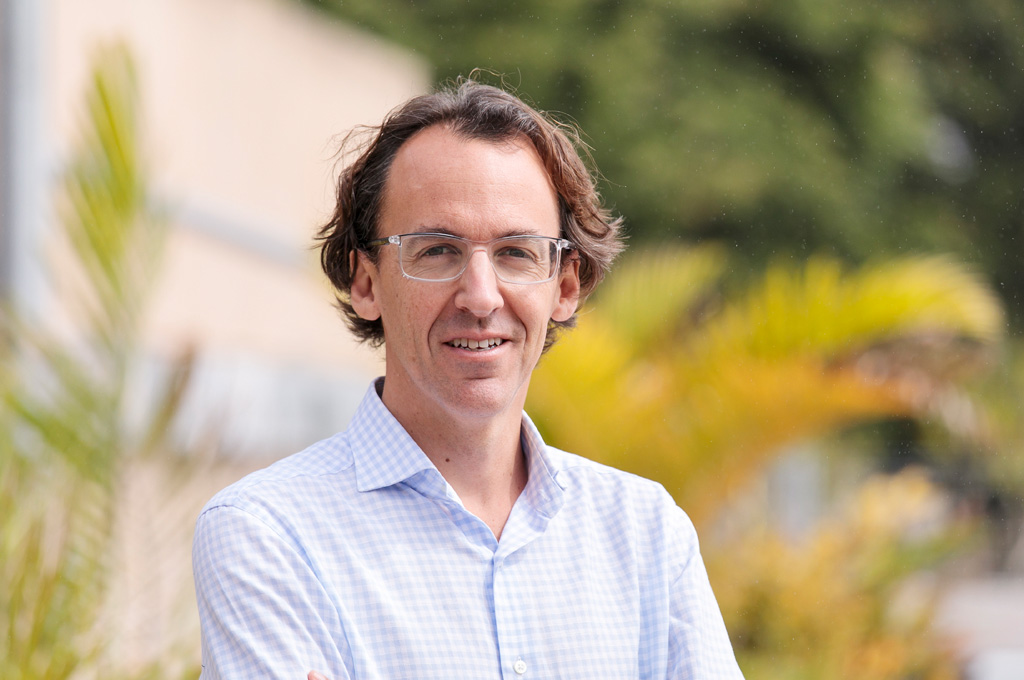
Ivan Galtier.
One of the first studies published by psychologists compared visuospatial learning with linguistic learning. “We observed that visuospatial learning was also impaired in people with Parkinson’s disease,” they stated. However, traditional cognitive assessment tended to overlook this area of learning. Evaluation protocols, which were often designed to be shorter, omitted the ability to learn spatial patterns because these types of tests were considered more demanding.
Another of their studies indicates that patients with cognitive impairment make very serious errors in visual and perceptual processing. For example, one error unique to people with Parkinson's disease, and which acts as a predictor of cognitive decline and risk of dementia, is the confusion of horizontal lines with vertical lines.
Galtier and Nieto have also discovered that people with mild cognitive impairment have a different language production and comprehension strategy compared to people without cognitive impairment. They exhibit problems with discourse organization, vocabulary access, and attention, among other difficulties.
“We have analyzed different cognitive domains that are associated with a higher risk of mild cognitive impairment and dementia, and we have studied them in detail,” Galtier and Nieto maintain. However, the researchers aim to analyze how these different domains modulate cognitive function, although they need larger populations to do so.
Finally, it is worth noting that research on cognitive stimulation in Parkinson's disease is still limited. There is a significant gap between the available scientific evidence regarding the assessment and understanding of the disease, and the systematization of intervention and cognitive stimulation procedures. Galtier and Nieto state: "The evidence suggests that combined work at the motor, speech therapy, and psychological levels seems to make sense.".
NOTE: This report is an initiative framed within the InvestigaULL Commemorations Calendar, a scientific dissemination project promoted by the University of La Laguna.
Scientific Culture Unit Cienci@ULL

 Spanish
 English
 French