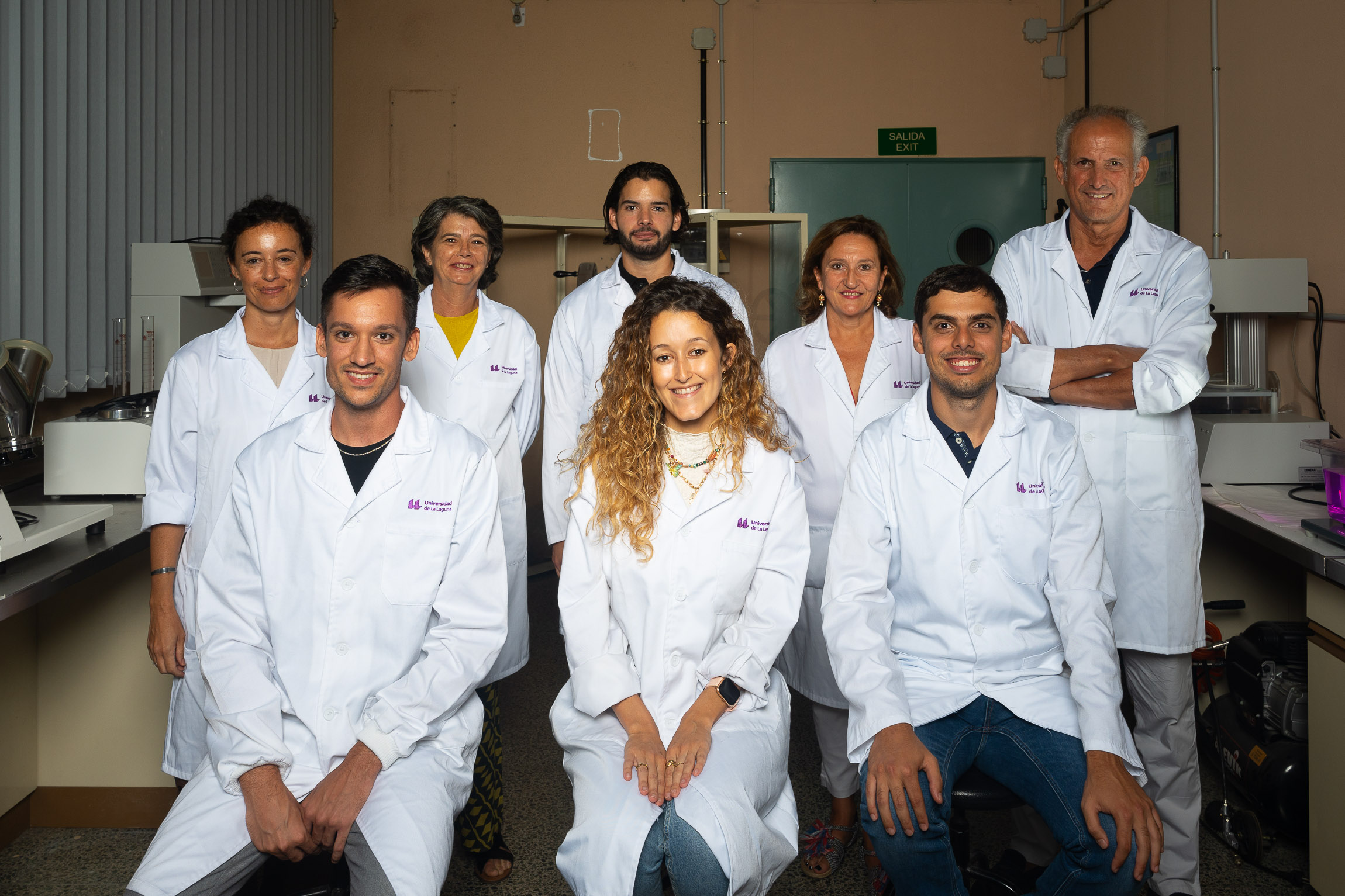
3D printing of medicines, that is, the deposition of material layer by layer on a surface based on a digital design, represents a revolution in the healthcare field, and especially in the area of personalized therapy. It involves the creation of a medicine designed individually for a single patient. This work by researchers from the Department of Chemical Engineering and Pharmaceutical Technology, authored by Javier Suárez González, and published in the magazine Pharmaceuticals, It elaborates on the application of a new technique to improve the printing process.
These techniques are used for specific pediatric medications or for patients with rare diseases whose commercially available drugs are unavailable. In the future, it is expected that 3D printers for manufacturing medications will be available at every point of pharmaceutical dispensing (hospitals and pharmacies), enabling the production of individualized medications. A key aspect of this decentralized manufacturing process is ensuring the quality of the final product produced using 3D printing.
The main objective of this work, carried out by the research group Galenic development of medicines, The aim has been to evaluate the benefits of incorporating a pressure sensor into a 3D printer with semi-solid medicinal mass extrusion technology, capable of detecting changes in the behavior of the extruded masses (mixture of active ingredient and excipients) during the drug manufacturing process, in order to detect critical points in the process and thus guarantee the quality of the final product during the manufacturing process.
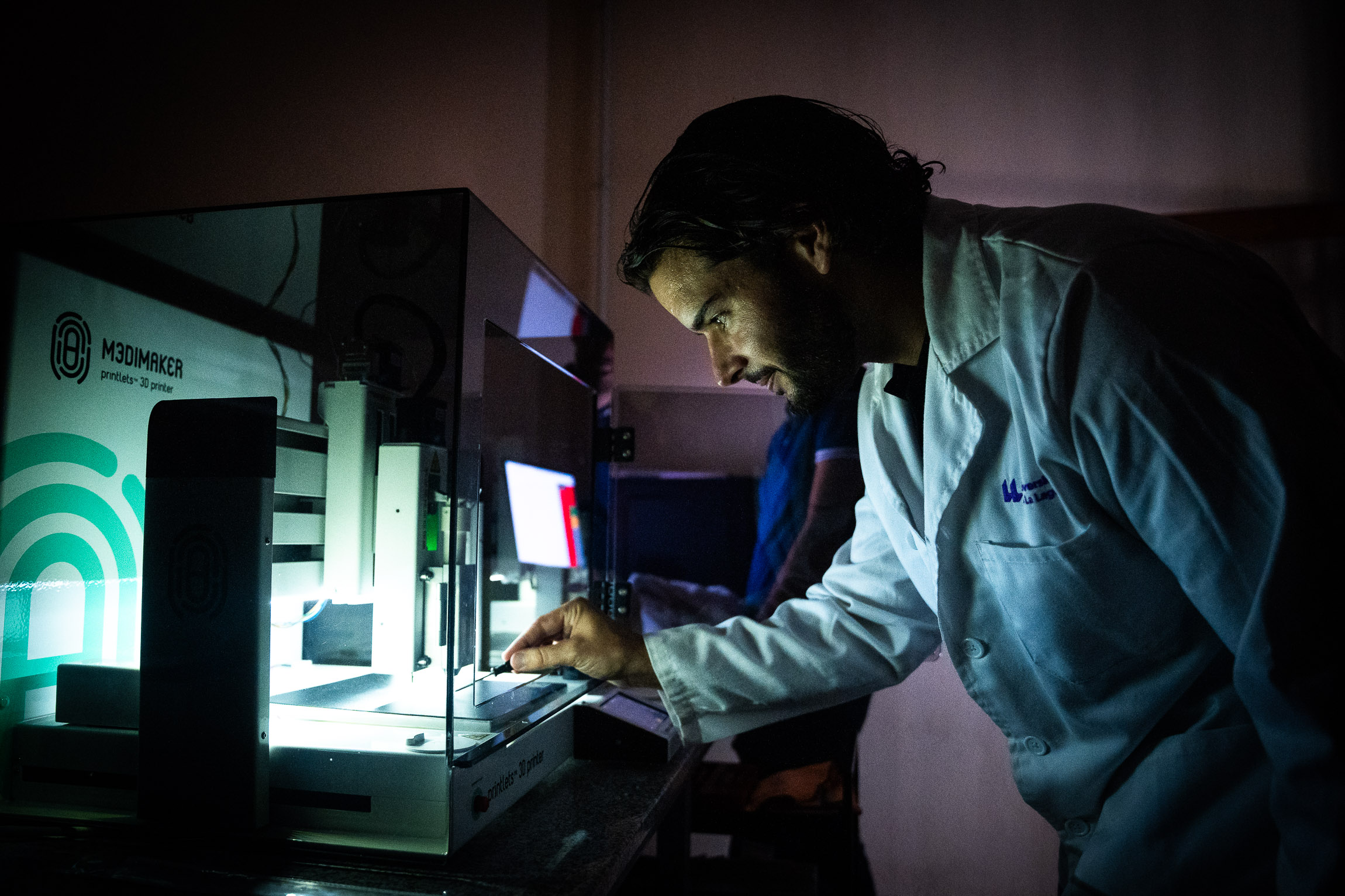
Javier Suárez.
The study involved analyzing four printing masses of different composition, studying the flow properties at different printing speeds and temperatures, and comparing the data obtained using the pressure sensor with those obtained using other analytical techniques normally used to characterize the flow of materials, rheometer and texturometer.
The study results demonstrated a correlation between traditional techniques and the new sensor. Furthermore, the sensor's integration allowed for correlations to be established between critical printing parameters (temperature and speed) and the mass composition with critical process parameters (e.g., pressure) or critical drug quality attributes (weight, size, or the ratio between the digitally represented and the actual product).
Thus, it was demonstrated that relevant aspects during the printing process, such as temperature and speed, cause substantial changes in the resulting medication and constitute two critical points that must be controlled during medication preparation at each point of pharmaceutical dispensing. Furthermore, as a result of the in-situ integration of the sensor into the 3D printing platform, it was possible to identify dosage units that did not meet quality criteria, representing an advance in ensuring the quality of the final individualized product.
Specifically, this study contributes to the scientific advancement of incorporating 3D printing of medications at pharmacy dispensing points, ensuring the individual quality of each printed product. This work was funded by the DISA Foundation as part of its 7th Biomedical Research Awards.

 Spanish
 English
 French