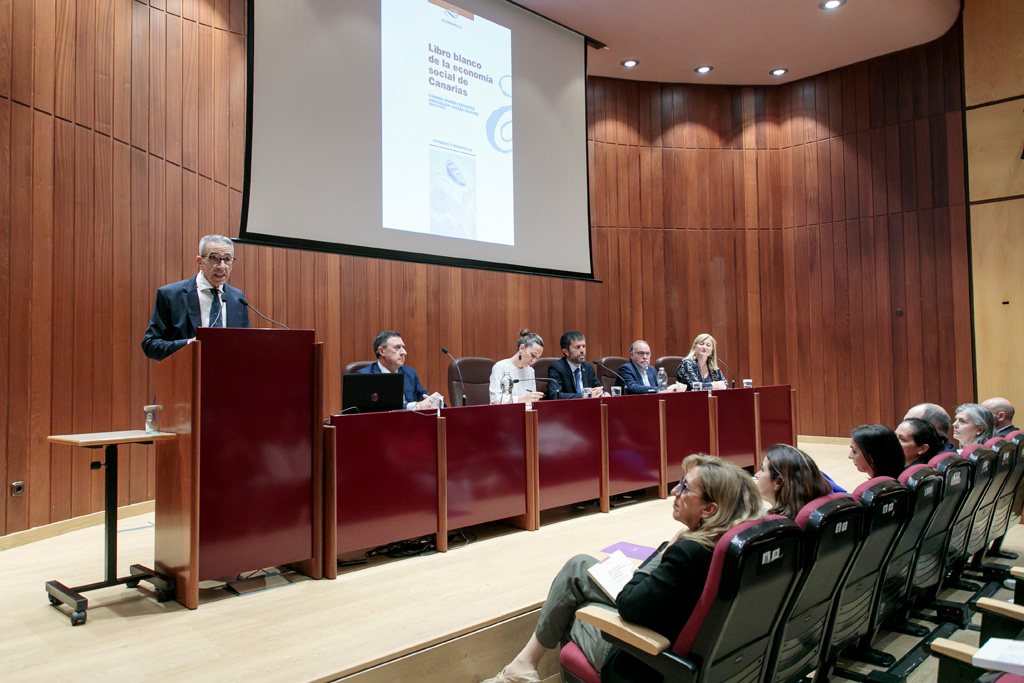
The Social Economy is a productive activity that, while operating within the market and generating profits, primarily aims to meet people's needs. It manifests itself through entities such as cooperatives, fishermen's associations, and foundations, among others, and represents a development path more closely aligned with social objectives. In January 2021, the Canary Islands Government commissioned the two public universities to produce the first white paper containing essential information about this sector in the archipelago. This white paper was presented today, Friday, May 10, at the Faculty of Economics, Business, and Tourism.
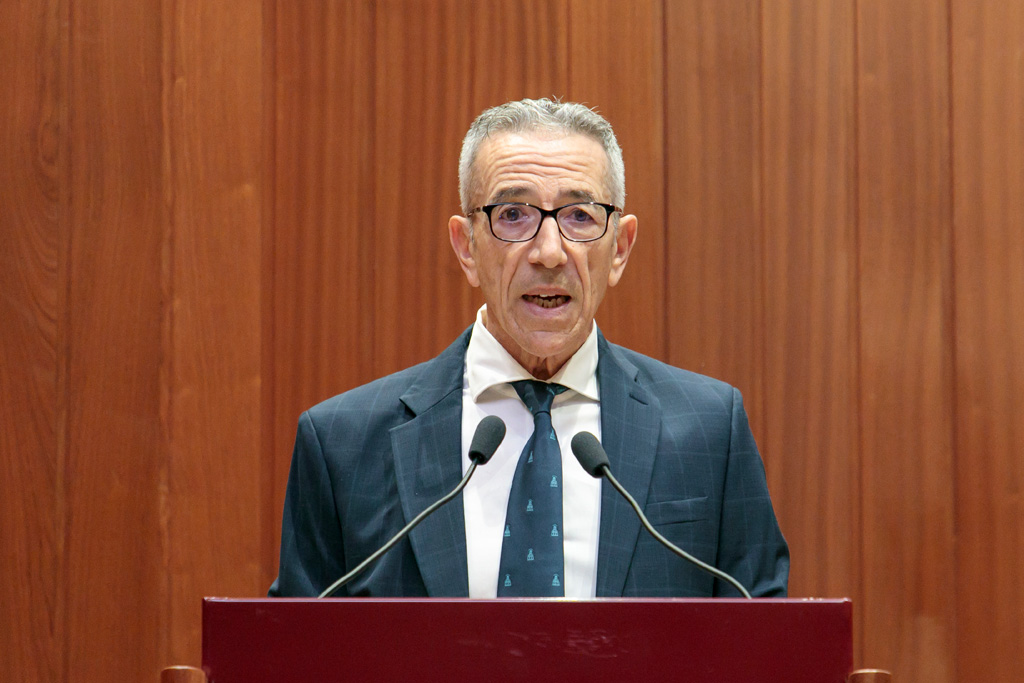
Cándido Román.
As one of its coordinators, Professor Cándido Román of the University of La Laguna, explains, the text was ready in December 2021, but at that time, the imminent approval of both the Canary Islands Law on Social Economy and the Canary Islands Law on Cooperative Societies became known. Aware that both legal texts should be included in the volume, its publication was delayed until after the passage of both laws in 2022. The final text was completed in January 2023, but a series of other logistical delays have meant that the book has not been available until now.
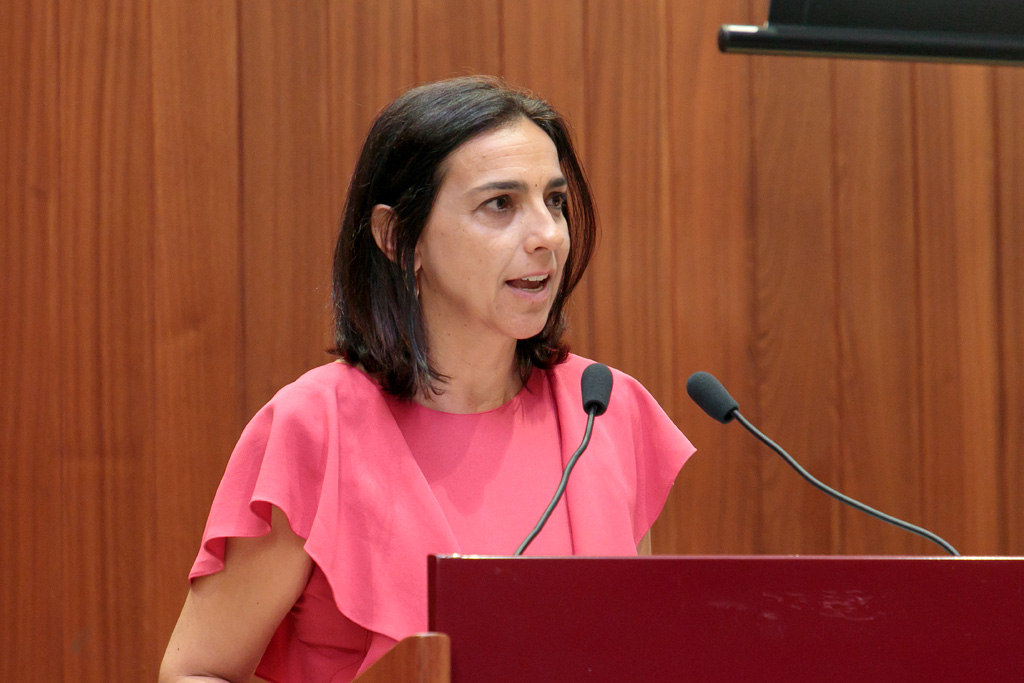
Inmaculada Galván,
The book's other coordinator, Professor Inmaculada Galván of the University of Las Palmas de Gran Canaria, explained that having a document of this kind in the Canary Islands was essential, given that the first white paper on the social economy in Spain dates back to 2004, and since then, many autonomous communities have developed their own and even updated them. She explained that, in its twelve chapters, the work reviews the regulatory framework and the specific characteristics of the entities that make up this sector: cooperatives; worker-owned companies; agricultural transformation companies; special employment centers and social integration enterprises; fishermen's guilds; social action associations; foundations; and unique entities such as Cáritas, ONCE (Spanish National Organization of the Blind), and the Red Cross.
Presentation
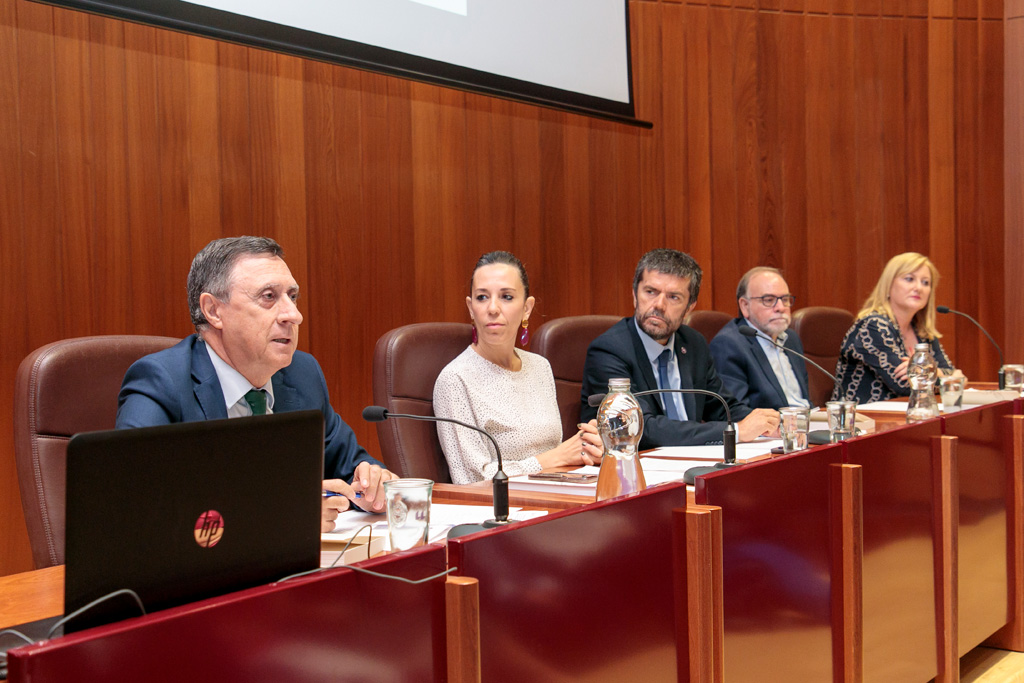
The event was presided over by the rector of the University of La Laguna, Francisco García Rodríguez, and was attended by the Minister of Tourism and Employment of the Government of the Canary Islands, Jéssica del Carmen de León Verdugo; the dean of the Faculty of Economics, Business and Tourism, José Adrián García Rojas; the president of Cajasiete, Fernando Berge Royo; and the president of the International Center for Research and Information on the Public, Social and Cooperative Economy (CIRIEC-Spain), Adoración Mozas Moral.
Rector Francisco García pointed out that the social economy encompasses much more than economic impact and job creation, as it focuses on people and entities with values and rules that transcend traditional productive activity. He described it as a "key sector for the future" and, therefore, essential to raise its profile and promote it through projects like this one. He praised the resulting work as a highly useful resource that demonstrates the strong collaboration between the two regional public universities. He also expressed his gratitude to Cajasiete, a "strategic partner" that, among other things, supports two of the university's endowed chairs, one of them in social economy.
The Minister of Tourism and Employment, Jéssica de León, emphasized that, in a climate of political tension, the laws on social economy and cooperatives in the Canary Islands were unanimously approved, demonstrating the importance of this sector. She considers the publication of this white paper a milestone that will foster the development of a more resilient social economy in the Canary Islands, as it will allow for data-driven action. She explained that the Canary Islands Agenda 2030 clearly outlines a social challenge that must affect all sectors, and therefore, while tourism previously focused on the tourist, this must now shift to prioritize the Canary Islands resident.
 The president of CIRIEC-Spain pointed out that the Canary Islands must continue to move forward by creating a Strategic Plan for the Social Economy and an online platform with dynamic data to evaluate the sector's performance. The Canary Islands Government's councilor accepted the challenge and pledged to work to have both resources in place starting next year. Adoración Mozas noted that the social economy is increasingly gaining international and national institutional support, citing a strategy designed by the Spanish government for the 2023-27 period, and the University Law (LOSU), whose Article 2 states that universities must support a culture of entrepreneurship "through conventional or social economy business models.".
The president of Cajasiete, Fernando Berge, praised the white paper, stating that it will boost a sector that contributes to the economic and social stability of the regions, and lamented that the public sector often fails to give it the importance it deserves. For his part, the dean of the Faculty of Economics, Business, and Tourism highlighted the study's interdisciplinary nature, encompassing both legal and economic perspectives to arrive at its diagnosis.

 Spanish
 English
 French