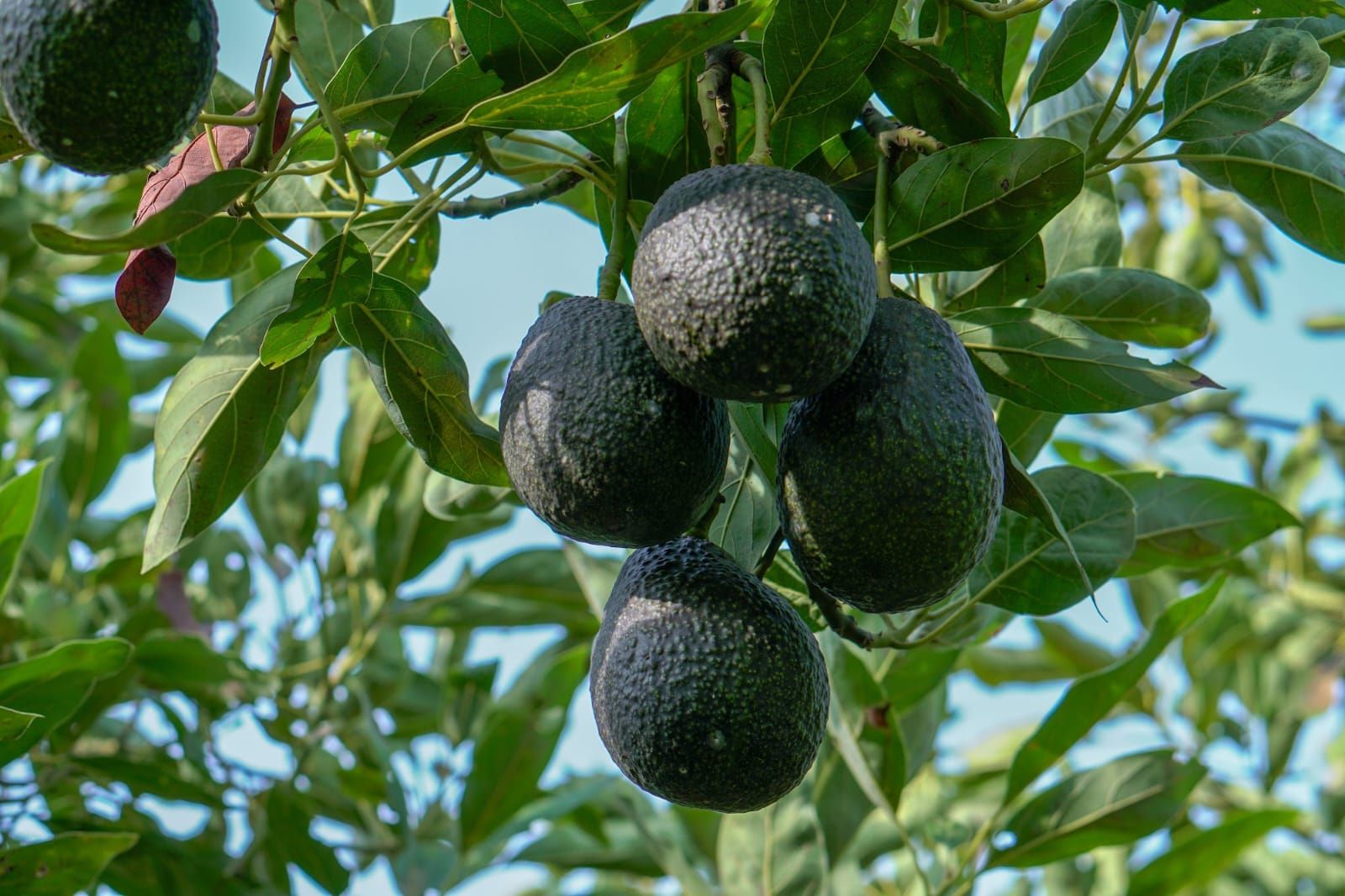
A research team from the Department of Chemical Engineering and Pharmaceutical Technology at the University of La Laguna has conducted a study to establish the chemical composition of avocados from Tenerife (Hass variety), with the aim of promoting both local consumption and export to Europe, and thus creating a quality brand that allows the Canary Island fruit to be differentiated from that produced in other competing regions and countries.
The publication of this research in Foods It is carried out as part of a doctoral thesis, and is a continuation of a previous article, in Journal of Food Composition and Analysis of 2023 and focused on the fat profile of this product, comparing production in the north with that in the south.
The researchers (Clemente Méndez, Alicja Grycz, Domingo Ríos, Beatriz Rodríguez, and Elena Rodríguez) explain that avocado cultivation is growing every year, with global production increasing by 2001% in the last ten years. It is a healthy fruit, rich in nutrients, especially unsaturated fats, the consumption of which is associated with a reduced risk of cardiovascular disease (lowering cholesterol and improving blood lipid profile). In addition to these healthy fats, avocados are also rich in bioactive components with antioxidant effects, which reduce the risk of cardiovascular and neurodegenerative diseases, as well as some types of cancer.
To create a quality brand, it is necessary to establish criteria that define it. In this case, these criteria relate to its chemical composition, which varies according to the area in which it is grown due to the different microclimates and the orography of the island. Therefore, it was necessary to carry out studies in various locations, altitudes, and slopes.
The methodology consisted of analyzing fifty avocado samples produced in seven municipalities of Tenerife (Buenavista, Los Silos, La Orotava, Güímar, Los Realejos, Santiago del Teide, and Tacoronte). The analysis covered dry matter, fat, fiber, minerals, antioxidant compounds such as vitamin E, and fat profile, as well as the fruit's weight and pulp content.
The results show that the main component of avocado dry matter is fat, mostly monounsaturated and rich in oleic acid. Avocados are also a good source of dietary fiber and minerals, especially potassium. Laboratory work confirmed that the growing area has a significant influence on the chemical composition and size of the fruit. Avocados produced in Buenavista have more pulp than those from other locations, and those from Los Silos and Santiago del Teide are the heaviest. Regarding antioxidant content, avocados from Güímar have higher levels of vitamin E and a high concentration of flavonoids.

 Spanish
 English
 French