It must be one of the best-known and most popular insects in nature. A legendary television series from the late 70s popularized this little creature and catapulted it to fame, creating a collective image that endures to this day. If I ask you to imagine a bee, you'll surely think of the black and yellow colors of Maya the Bee. Whenever we think of a bee, we visualize those features that have been disseminated through our popular culture, a characteristic that defines only a few of the more than 20,000 species that exist. Let's continue with the imagination exercise. Keep imagining that plump yellow and black bee wandering among flowers. Where is it going? Surely, in our imaginary story, it would travel to a beehive. rich honey where she would meet with her hardworking fellow bees. There, the lazy drones and the queen would be. Although this is the image we have of bees, only a tiny number of them lead such a laborious life; the vast majority live alone. Just like Maya the Bee, who will leave the hive in search of adventure.
Bees (of the order Hymenoptera and the family Apidae) are major pollinators, meaning they are essential for the reproduction of many flowering plant species. As they flit from flower to flower in search of food, they unwittingly carry valuable pollen attached to their bodies. Their role in plant pollination is so important that since 2018 they have had their own day. May 20th is celebrated as World Bee Day. World Bee Day, coinciding with the anniversary of the birth of Anton Janša who, in the 18th century, was a pioneer of modern beekeeping in his native Slovenia.
This year, the Food and Agriculture Organization of the United Nations (FAO) is dedicating this day to young people. With the motto “Commitment to bees, hand in hand with youth” The agency highlights “the importance of involving young people in beekeeping and pollinator conservation efforts, as they are the guardians of our environment’s future.” The agency expresses its concern for the survival of this insect, and in this year’s call for proposals, the message is stark: Bees are in danger of disappearing. Current species extinction rates are 100 to 1,000 times higher than usual, primarily due to human activities. Approximately 35 percent of invertebrate pollinators, such as bees and butterflies, and around 17 percent of vertebrate pollinators, such as bats, are threatened with extinction worldwide. Pollinator populations, especially bees and butterflies, have declined alarmingly due to intensive agricultural practices, changes in land use, the use of pesticides (such as neonicotinoid insecticides), invasive species, diseases, pests, and climate change.
The decline in the number of bees worldwide could alter the abundance of our food, with a consequent impact on diets. The FAO warns that “if this trend continues, some nutritious crops—such as fruits, nuts, and many vegetables—will be increasingly replaced by staple crops like rice, maize, and potatoes, which could ultimately lead to an unbalanced diet.”.
This biological, ethnographic and nutritional importance has not gone unnoticed by science, which is why several researchers from the University of La Laguna are working to understand the impact of this insect on the environment.

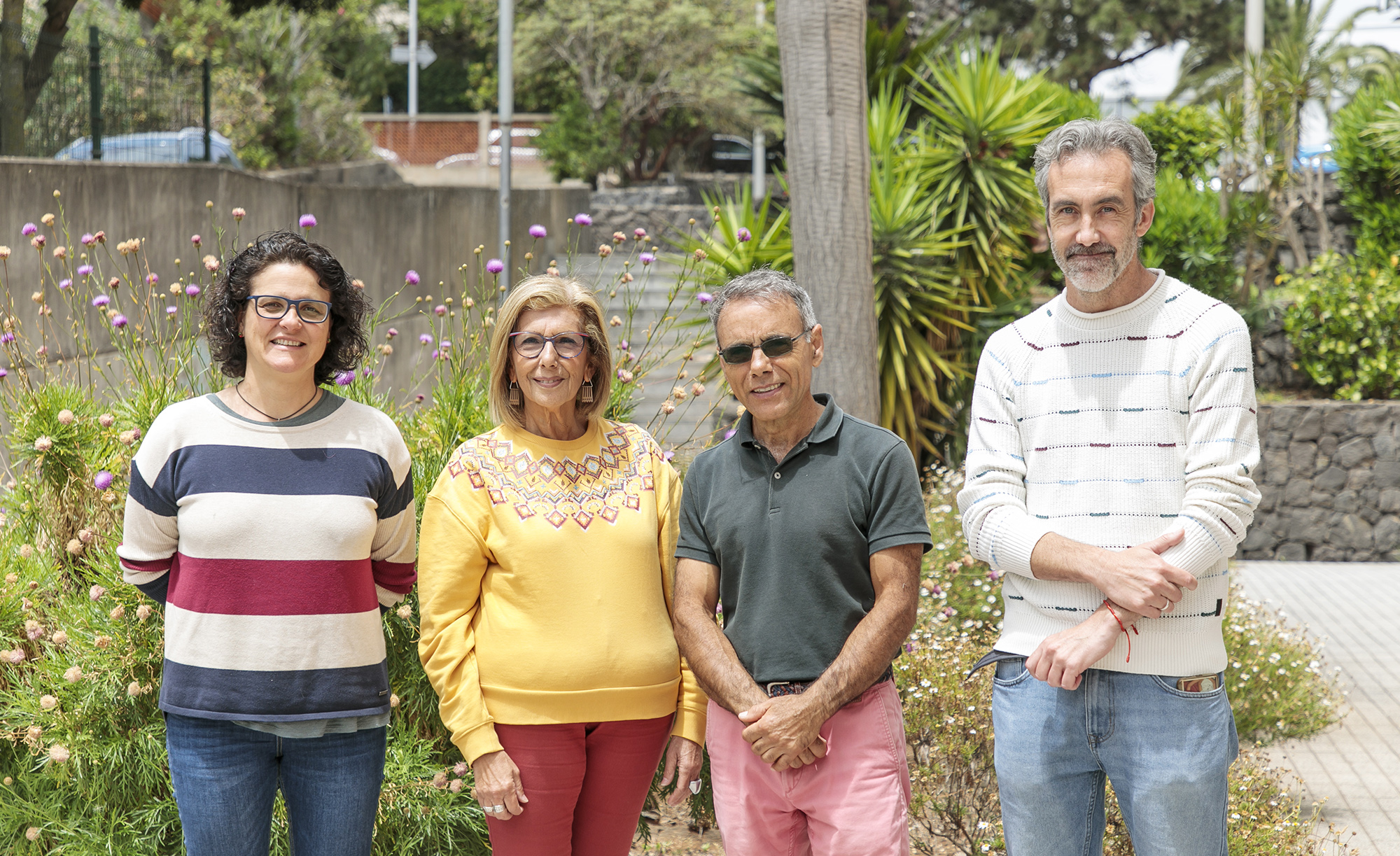
Carlos Ruiz, researcher in the area of Zoology
Bees, much more than honey
We tend to think that all bees live in hives within a complex social structure. The reality is that most bee species spend their lives wandering alone, with only brief periods of companionship for reproductive purposes. Carlos Ruiz, He is a researcher in the Zoology Department at the University of La Laguna, and he has dedicated a large part of his career to the study of these insects. And he has no shortage of work. The Canary Islands are home to some 130 species of bees, 49 of which are endemic. These numbers fluctuate depending on identifications and genetic analyses, since two scenarios can occur: "that species thought to be endemic are found elsewhere, in which case we lose endemic species, or that other unique species are discovered, in which case we gain." In any case, the researcher assures us, it's a matter of years, so these figures will be useful to us for some time yet.
It might seem that having almost fifty endemic species in the islands is a small number; however, we lead the country in endemism, well above the average. In this case, the degree of endemism is "very high," something we share with other islands and, interestingly, with high mountain areas of the mainland. "It functions like an island within the continent; the bees are isolated in that high-altitude environment, and that favors endemism. They are ecosystem islands." And in the Canary Islands, which are islands but also have high mountain areas, we also have examples of this double isolation and endemic species in places like Teide National Park. This is the case of the Hylaeus canariensis, A species of bee that lives only in this high mountain area. Carlos Ruiz emphasizes the importance of understanding this natural heritage, which extends far beyond the bees used to produce honey, boasting levels of endemism that are the envy of his entomologist colleagues on the mainland. The Canary Islands have 6.5 endemic species per 1,000 square kilometers, compared to 0.09 per 1,000 square kilometers on the Iberian Peninsula.
As with all endemic species, whether animal or plant, bees are highly susceptible to invasive species, and they are no exception. Besides their non-native counterparts that have arrived with the transport of aggregates or timber, the diseases that have accompanied them are, according to the researcher, even more concerning. “We are very worried about Varroa, a small mite that behaves like a tick and affects honeybees. It wasn't present in the Canary Islands before, but it arrived with the trade in beehives. Varroa doesn't affect wild bees. But Nosema, a parasitic fungus that originated in Southeast Asia, has also arrived. It spread throughout the world with the movement of beehives and reached the Canary Islands. In this case, we have already seen that the fungus does affect wild species.” Its effect on endemic species is still under debate.
The coexistence of native wild species and honeybees is not always easy; it often leads to many problems. Besides introducing diseases, hybridization occurs, diminishing the quality of local species. “When hives are imported, diseases that were not present in these areas are introduced, and non-native species are brought in that will hybridize with the local ones.” The researcher explains that bees roam freely in the countryside; they are not kept in stables like livestock on a farm. Queens can reproduce with an imported or local species. “And this dilutes the local genetics with foreign varieties. It’s something you see clearly when you go out into the countryside. You see hybrids of Canary Black Bee with yellow lines from the Carnica plant.” Other invasive species are arriving unintentionally and competing with local ones. This is the case with some species of carpenter bees that arrived with the timber trade “and are already present throughout the island of Gran Canaria and will probably spread to other islands.” He explains that these bees, which build their nests in tree trunks, are large and compete for the limited resources available. Another example is the recent introduction of the bumblebee. Bombus ruderatus, which in just a few years has spread to Tenerife, La Palma, and Gran Canaria. Although Carlos Ruiz acknowledges that human activity isn't always behind the introduction of invasive species, “some could have arrived naturally, during severe dust storms, for example.” And to investigate this, they are comparing the genetics of species captured in the Canary Islands with those living in Morocco.
Other threats to endemic bee species are the inseparable forces of climate change and habitat loss. Climate change is jeopardizing the survival of these insects by forcing them into higher elevations, creating a significant problem for species already living in high mountain areas, as they have no higher ground to escape to. Habitat loss is partly a consequence of climate change, which causes large wildfires that destroy the plants on which they feed, condemning them to extinction.
Honey producers
Beekeeping, also known as the art of raising bees to obtain their valuable products, is a livestock activity with deep roots in the Canary Islands. This ingrained practice, especially prevalent in Tenerife, is supported by numerous historical references that attest to its development over time. The existence of bees and honey consumption by the archipelago's aboriginal inhabitants remains a subject of debate among experts. While precise information about their beekeeping practices is unavailable, the most detailed references to this activity date from the period following the Conquest.
Despite the lack of clarity surrounding its origins, beekeeping has become a fundamental element of Canarian culture and economy. The production of honey and other bee products not only provides a livelihood for local communities but also represents a symbol of the islands' rich history and biodiversity.
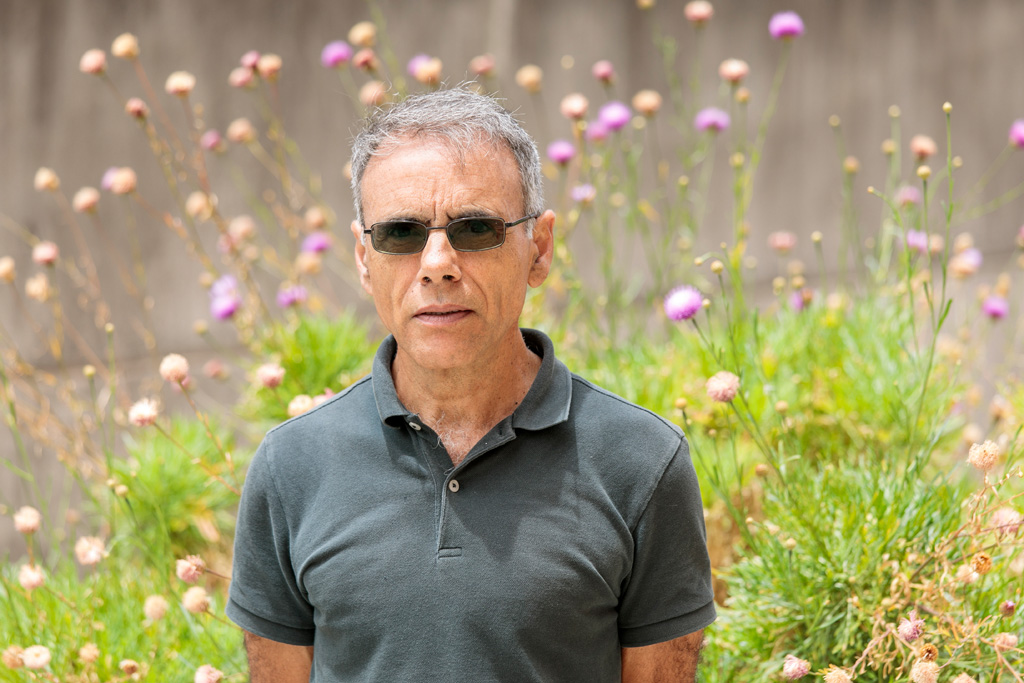
Ulises Martín, tenured professor in the area of Didactics of Social Sciences
Ulises Martín, tenured professor in the area of A specialist in Social Science Didactics, she has dedicated part of her research to ethnography related to traditional beekeeping. She is the co-author of the book “The beekeepers” Published by the Tenerife Island Council, it is one of the few works that have been published on this subject. Regarding the arrival of beekeeping to the islands, the researcher clarifies that we cannot understand that primitive activity in light of our current understanding. “The old island council received income from wild bee colonies. Juba II also refers to the presence of honey on the island of Gran Canaria in pre-Hispanic times, but I personally believe that the introduction of bees to the islands, with the aim of producing honey, occurred after the conquest.” Before this, it is very possible that the Canary Island natives collected honey from wild swarms but without establishing its cultivation. “After the conquest, there are contracts, minutes, and records that show that beekeeping, as such, developed and became a commercial activity.”.
Beekeeping was practiced in a fixed manner. “Hollow tree trunks, like those of the Dragon Trees, were used to house the honeycomb. This old method, much less profitable than today's, requires breaking the honeycombs every time the honey is to be extracted, resulting in the loss of wax and the work of the bees, who have to rebuild the structure each time.” The modern hive, based on boxes and which corrects all these drawbacks, did not arrive in the islands until well into the 1950s.
Although a few decades ago beekeepers commonly placed their hives in wooded areas, this is now prohibited; “the practice has only been maintained on Mount Teide.” One of the most characteristic practices of beekeeping in Tenerife is the relocation of hives to Teide National Park. Between May 4th and October 23rd, approximately 2,700 hives are authorized to be placed within the national park as a traditional activity. “There is a 19th-century engraving by Sabino Berthelot depicting a cork hive in a Teide landscape, among goats and broom bushes. Broom honey is the most prized by consumers, but I don't know if it's the best.”.
But bees don't just produce honey. "The use of beeswax was almost more important than honey," says Ulises Martín. Before the advent of electricity, lighting relied almost exclusively on beeswax candles. "Moreover, its religious and ritual uses made beeswax very valuable.".

Elena Rodríguez, tenured professor in the area of Nutrition and Food Science
Honeys and pollens
Bees are best known for their ability to produce delicious honey. But not all honey is created equal. Distracted by the uniformity of the honeys we find in supermarkets, we often overlook the wide variety of colors and flavors this product can offer. From intense aromas, suitable only for experienced consumers, to those with subtle floral notes and light colors. In addition to its organoleptic qualities, honey is often attributed with all sorts of powers. It's used to combat colds and even to clear the voice. How much truth is there to this? Elena Rodríguez, a tenured professor in the area of Nutrition and Food Science, has studied the nutritional composition of many honeys from the islands.
Although it may seem like a complex product, "honey is basically sugars and water" in a proportion of approximately 75.1% sugar and 20.1% water. These proportions vary considerably, but they are determining factors; for example, the more water it contains, the more easily it will spoil. But it's true that honey is more than that. "It provides small amounts of amino acids, organic acids, minerals, and phenolic compounds, which is why honey is preferred as a sweetener, in addition to its sensory profile that sugar doesn't offer." Honey has more fructose than glucose, which is the reason for its great sweetening power. Ten grams of honey is much sweeter than ten grams of sugar, with the difference being that honey has a higher percentage of water, hence its lower caloric value compared to its sugarcane counterpart. The researcher emphasizes that these nutritional benefits are only obtained from high-quality honeys. “Supermarket honeys are low quality; they’re basically just water and sugar.” But if we like honey that is consistently liquid and homogeneous, the nutrition professor recommends that “at least it should come from within the country or the European Union; the further away it is, the greater the risk that it won’t meet minimum quality standards.”.
There are also categories when it comes to honey. At the top of the podium are the high-quality honeys, those protected by a designation of origin. "Heating the honey is prohibited, and it cannot be pasteurized." This way, all the nutritional value of the honey is preserved, although it crystallizes more quickly. Then there are the low-quality honeys, commonly called "supermarket" honeys. These honeys are generally "of low quality, and we find pasteurized honeys that have lost all their nutritional value and, since the glucose crystals have been broken, they hardly crystallize. We see mixtures of honeys, added water, etc., so in the end you get a honey that doesn't taste like anything distinctive, no matter what brand you buy, they all taste the same." And what's your favorite honey? The researcher confesses that she has a weakness for Barrilla honey. "It has such a fine grain, it's so smooth that it melts in your mouth, because it's solid." Besides honey, bees produce other products of great nutritional value, such as pollen, royal jelly, and propolis. “These are products with many nutritional properties and are scarce, hence their price, but they are not consumed like honey. Honey has the added value of being pleasurable to eat.”.

Irene La Serna, professor - recently retired - of the Department of Plant Biology at the University of La Laguna
The variety of honeys is defined by the flowers the bees fed on. Thus, there is honey from broom, avocado, barrilla, tajinaste, chestnut, etc. But how do you determine that a honey comes from one plant or another? Obviously, bees roam freely, and even if they are surrounded by a particular fruit tree, they may have decided to feed on the flowers of a neighboring one. That's where the experience of... Irene La Serna, professor -recently retired- of the Department of Plant Biology at the University of La Laguna.
The presence of pollen in honey determines its origin. Fennel honey will contain fennel pollen, and pennyroyal honey will contain pennyroyal pollen, but in what proportion? It's very rare for a bee to feed on only one plant. Between flowers, it's very common for them to sample other nearby nectars; "it's the accompanying flowers that give honeys unique nuances, although bees do have their favorites." La Serna tells us how, in La Palma, a farmer placed hives in his avocado orchard to encourage flowering, but the bees decided to travel a little further and feed on some nearby heather.
The researcher examines honey samples under a microscope, searching for pollen. The number and variety of pollen grains in the honey determine its origin. “Through their shape, size, or ornamentation, I can identify them, and depending on the quantity of a particular species, I can determine if it's monofloral or multifloral. For example, to determine that a honey is chestnut, it must have 90% of chestnut pollen. However, since orange blossom produces little pollen and a lot of nectar, with only 15% of orange blossom pollen, you can say that it's monofloral honey from that plant.” This technique can also be used to trace the origin of honeys and even to detect fraud. “You can detect the botanical and geographical origin of the honey, and thus know if we're paying for honey that's being sold to us as being of national origin but is actually from China.” And all thanks to pollen. The professor describes herself as a big consumer of honey and, among all of them, confesses her preference for Castaño honey.
NOTE: This report is an initiative framed within the InvestigaULL Commemorations Calendar, a scientific dissemination project promoted by the University of La Laguna.
Scientific Culture and Innovation Unit (Cienci@ULL)

 Spanish
 English
 French