
The University of La Laguna is addressing some issues between today and tomorrow. conferences on university academic dropout, This is the result of a research project led by this educational center, in collaboration with the universities of Huelva, Castilla-La Mancha, Zaragoza, and Santiago de Compostela. Today's session, opened by the Vice-Rector for Students and the director of this initiative, featured a debate among several national experts who offered their perspectives on this phenomenon, which has significant failure rates in Spain.
Pilar Figuera, from the Academic and Professional Transitions (TRALS) research group at the University of Barcelona, pointed out that many of the stories told by those who drop out involve the shattering of expectations, stating that social adaptation is also key to continuing, especially for more withdrawn students or those from very different sociocultural backgrounds. The expert maintained that there are many cases of a complete lack of guidance in the planning process, a crucial issue, in addition to an academic culture that has not supported the process. “Dropping out of a degree program is a complex, difficult, and stressful situation for the student and their family, and yet we believe it has become normalized, when in fact it hasn't, not to mention the cost it has for the institution.”.
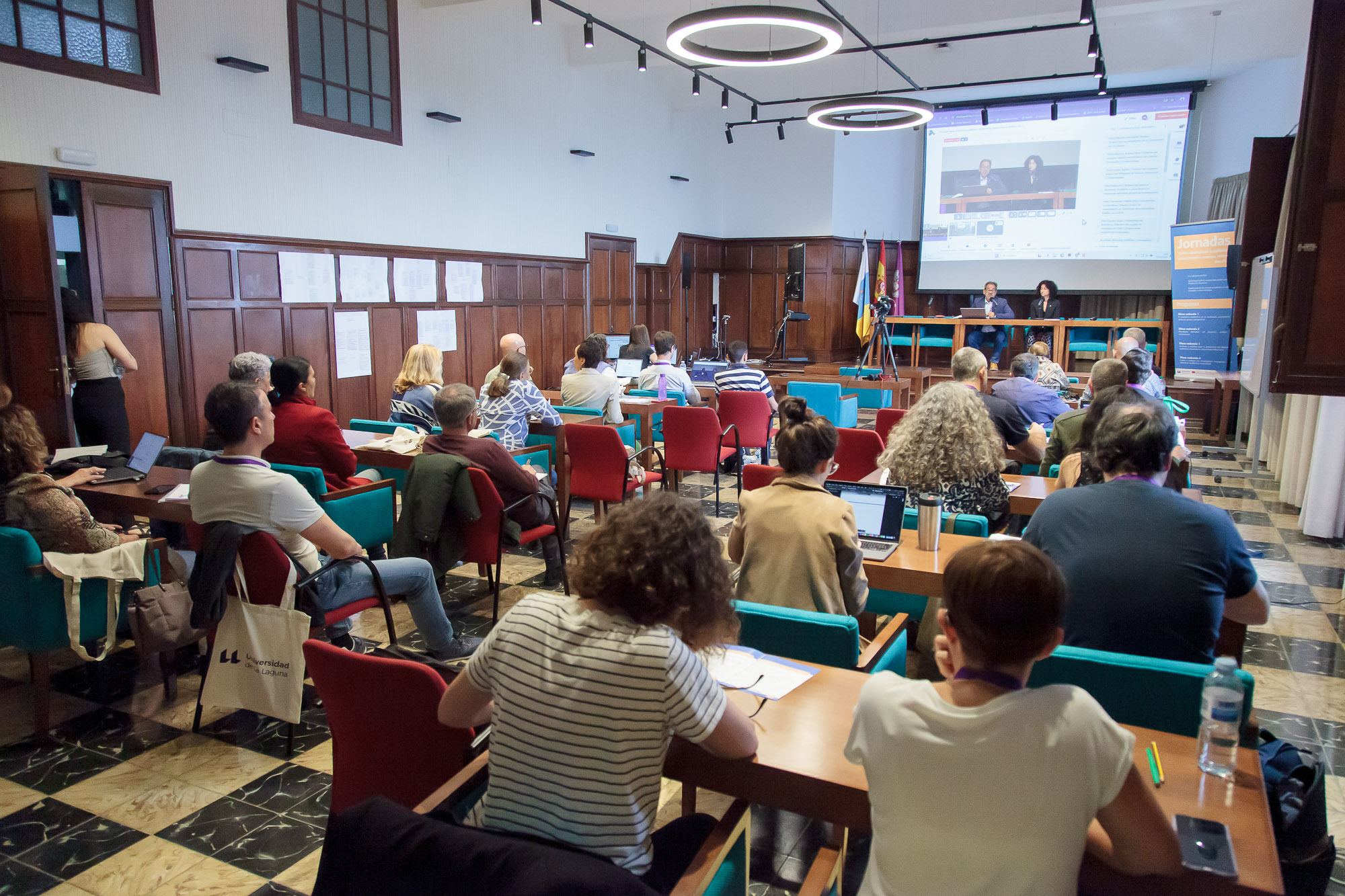 Figuera proposed creating a more interdisciplinary research framework to analyze factors in specific academic contexts, areas where studies are scarce. She emphasized the importance of guidance throughout the educational journey as an essential element in addressing dropout rates. "The solution to these problems must be holistic and comprehensive." She also stressed the importance of establishing early detection systems for at-risk students, attending to students' individual circumstances, and avoiding standardized solutions. She underscored the relevance of student support, especially during the first year of university studies, and the suitability of the faculty profile, "who must be a key mediator in student retention.".
María Fernández, from the Sociology Department at the Complutense University of Madrid, indicated that the dropout rate in traditional universities is estimated at 111%, which includes students under 30 years of age, of Spanish nationality, and does not include changes in studies but rather complete withdrawal from the university system. She stated that half of those who drop out do so after the first year, a fact influenced by various factors. The first is academic performance, another is age—the older the student, the greater the likelihood of dropping out—and also the cost of tuition.
The admission grade for a degree program acts as a retention factor, since the higher the grade, the lower the likelihood of dropping out. Dropout rates are higher in double degrees and in arts and humanities, while they are lower in health sciences. It was also noted that students from low socioeconomic backgrounds are more likely to abandon their studies.
University dropout rates can be predicted, the expert noted. “It would be beneficial to establish an early warning system for students with a high probability of dropping out, organized by faculty. This would improve the system's efficiency, reduce wasteful resources, and increase equality of opportunity, because some causes of failure have social origins,” while also decreasing the financial penalties for low-achieving and vulnerable students.
For her part, Mercedes Torrado, coordinator of the Trals research team, emphasized the context. “There are certain variables that are clear predictors, such as the average university entrance grade.” She indicated that the dropout rate in the second and third years is increasing, more associated with personal frustration than with the relief of the first year. “We have observed reverse trajectories, and many of the students who drop out return to more practical training that allows them faster access to the job market,” she explained.
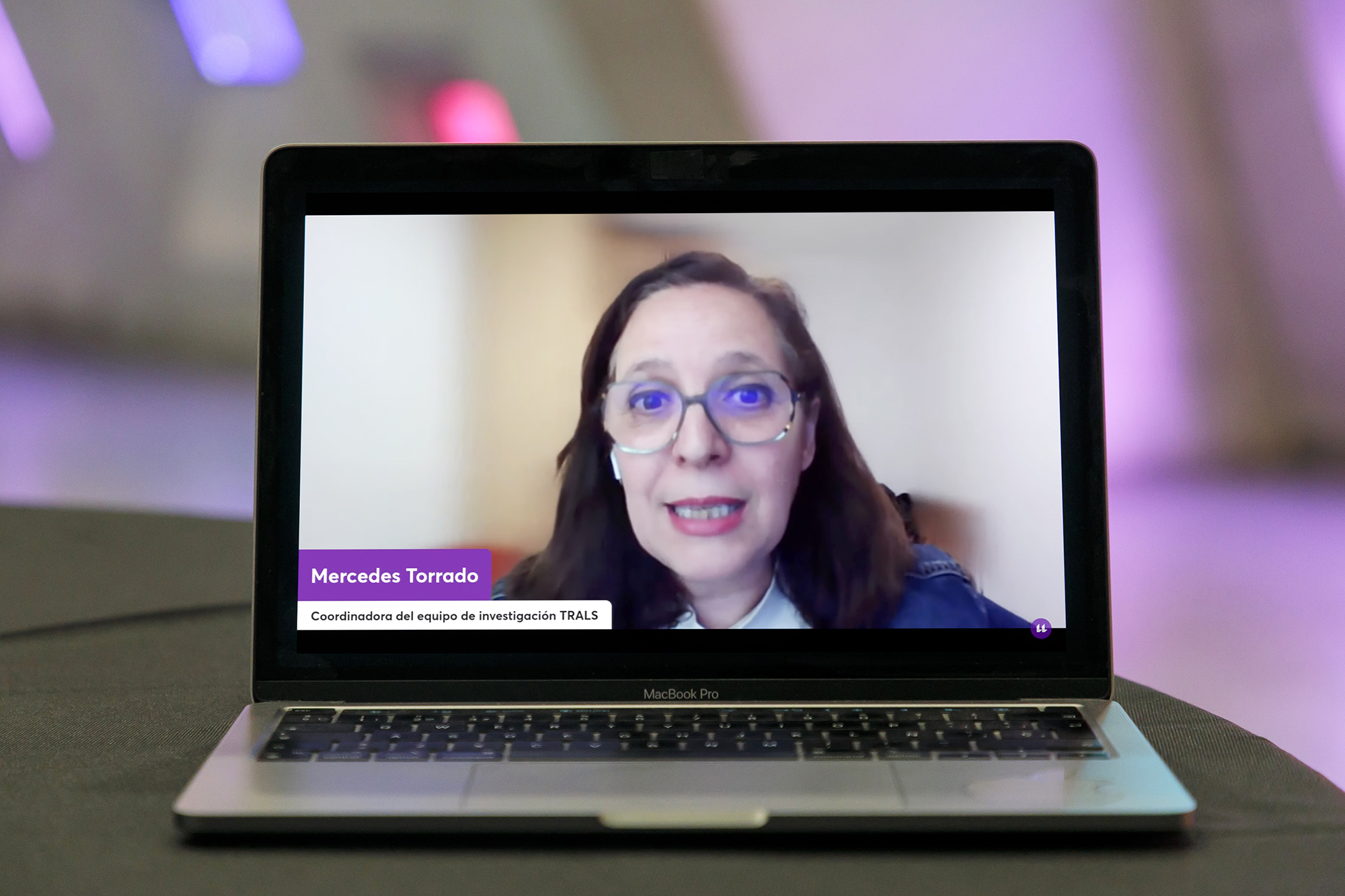
Mercedes Torrado, coordinator of the TRALS research team.
Forcing children into university education that may not suit their individual profiles can be a mistake, according to this expert, who emphasized the high dropout rate among non-traditional groups. Torrado stressed the importance of strengthening alliances among research groups and advocated for greater coordination with non-university systems.
Ana Bernardo, a psychologist at the University of Oviedo, focused on the idea that during the transition to university, students sometimes lack the necessary transversal skills for higher education, "which demands a student who is available 24/7, self-regulated, resilient, committed, attends class, and is the protagonist of their own learning, with effective study techniques and the ability to work in teams." We are thus moving from highly directed educational systems to one centered on the student and their self-regulation. "Dropout rates are a very contextual phenomenon, so measures that work in one place will not work in others," the expert pointed out, advocating for a case study for each institution.
Soledad Romero, from the University of Seville, was the last to speak, and she downplayed the idea of dropping out as a failure, suggesting instead that mistakes can be allowed and presented as a learning opportunity not only for the student but also for the system itself. She pointed out that it is important to view education as a process of acquiring skills and that the curriculum needs to be re-evaluated so that incoming students find subjects in their first year that align with their expectations. She also stated that Vocational Training should not be treated as a second-rate alternative, but rather as a first-rate option, a viable and viable alternative.

 Spanish
 English
 French