Maintaining a calm classroom environment, avoiding multiple stimuli to prevent sensory overload, and teaching in small groups with personalized instruction are some of the tips often given to teachers of children with Autism Spectrum Disorder (ASD), which currently affects 78,063 non-university students (29,711 students with specific educational support needs) in Spain.
This is reflected in the Spanish Autism Confederation (2024) in a report that compiles the data from Ministry of Education, Vocational Training and Sport, And it points to an increase of 310,361 cases in the last 11 years, a figure that is certainly revealing, and no less so in the rest of the world. In the Canary Islands, 4,595 children (747,391 cases) are affected by this neurodevelopmental condition linked to brain function and the structure of the nervous system. It is a disorder that has not managed to shake off the false myths that have surrounded it for decades.
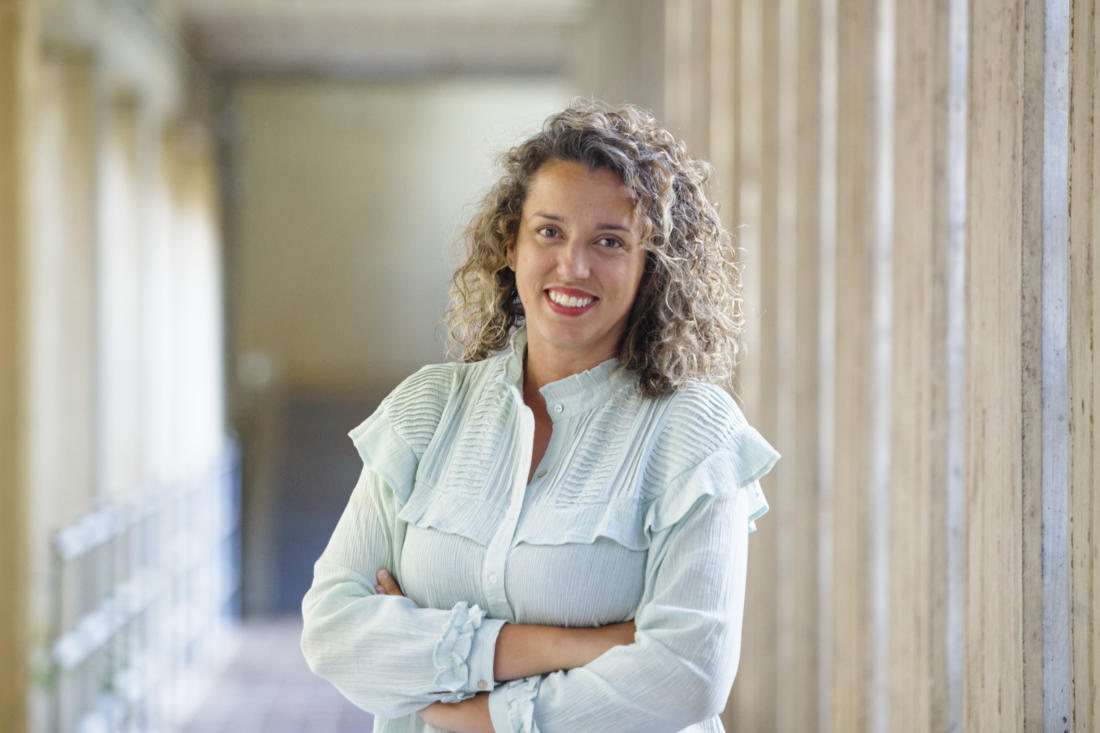
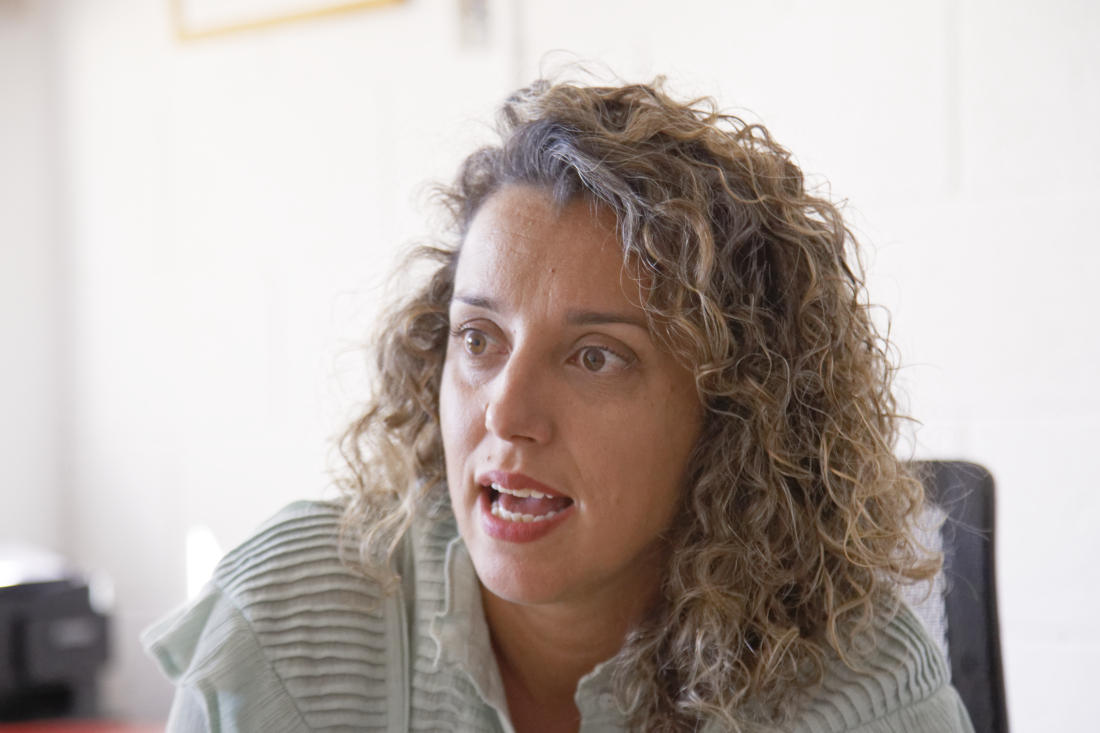
Numerous tips are offered for creating a structured classroom that fosters motivation in the teaching and learning process and prevents potential anxiety crises. However, the established protocol for action and intervention is standardized, and each autistic person is different, despite sharing the same diagnosis. “We don't have one-size-fits-all solutions for children with ASD because each one is different. The key is to get to know them so that there is consistency between the home and educational settings. Only in this way can we work in the same direction,” says Miriam Álvarez Lorenzo, a teacher at [school name missing]. Department of Communication and Social Work from the University of La Laguna.
This educational psychologist, whose research over the years has been linked to the family, leads "Building Alliances," an experiential program for families and teachers of students with ASD, funded by the CajaCanarias Foundation y La Caixa Foundation, This initiative falls within the framework of the COFACEINTEA research project, which was created with one objective: to promote the inclusion of autistic students through collaboration between teachers and families. Because despite the progress made in recent years, true inclusion in the classroom remains elusive, and much work still needs to be done.
Disseminating information on all aspects of autism spectrum disorder remains a pressing need to overcome the prejudices and stereotypical ideas that continue to circulate, stemming from a lack of knowledge that inevitably leads to the stigmatization and social exclusion of autistic children, despite the high prevalence of the disorder.
For this situation to change, we must continue to take firm steps in the educational process. “There is a need to generate evidence-based, high-quality, and systematic interventions for families and teachers of students with ASD,” comments the expert from the University of La Laguna, who developed the program along with the University of Las Palmas de Gran Canaria (ULPGC), the University of Oviedo and the Hestia Association, made up of professionals specializing in educational and psychosocial intervention.
 Joint methodologies
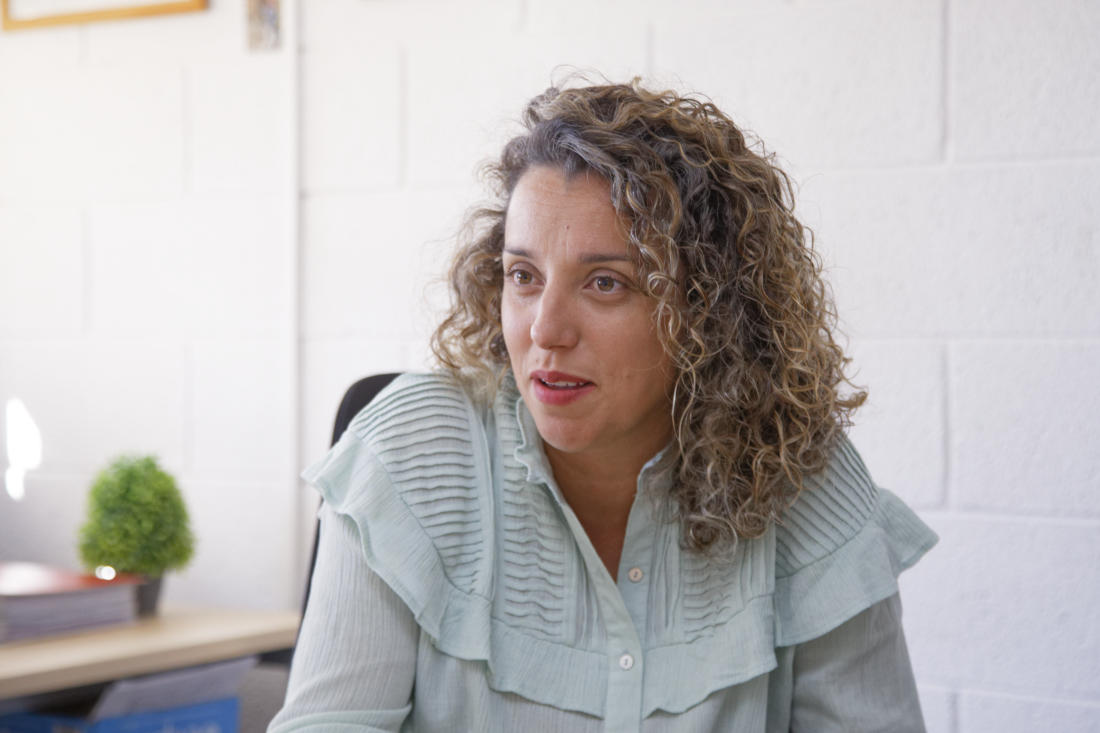
“Scientific evidence tells us that the relationship between family and teachers is key to the inclusion of students with ASD because it is a very broad spectrum, with different degrees and characteristics. Based on this, we realized that collaborations based on this relationship were very important to promote this much-needed inclusion. However, the studies on the subject suggest that this relationship is sometimes hierarchical.”.
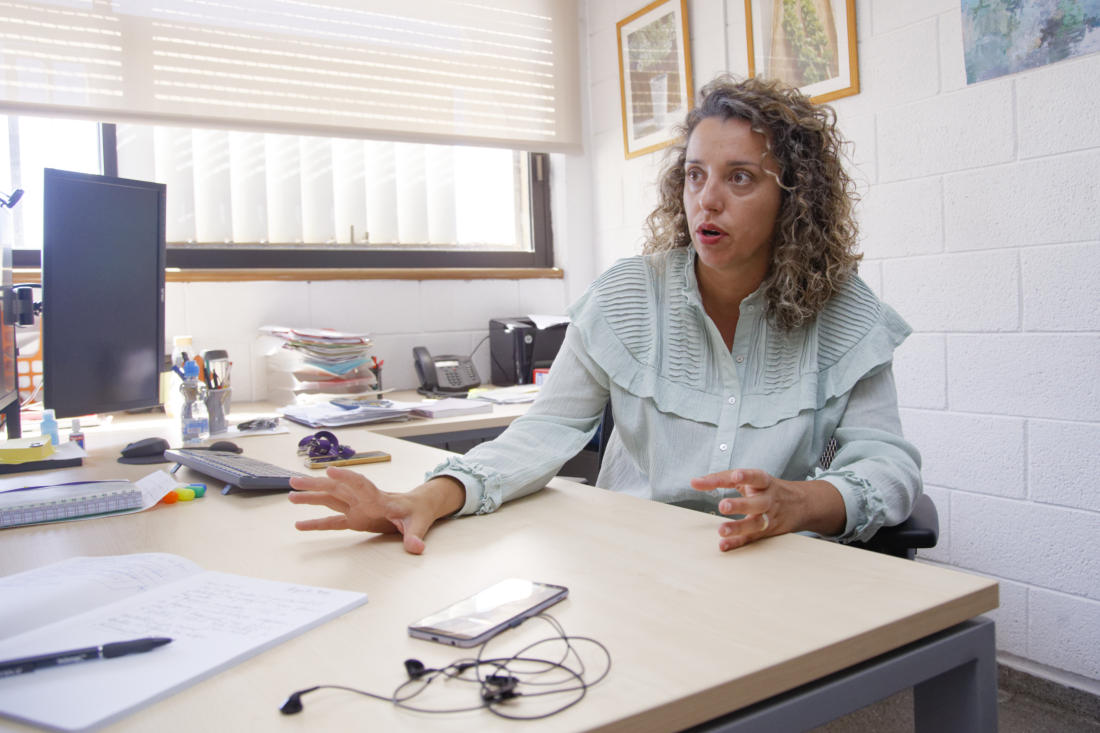
This is where the great innovation of "Building Alliances" lies, in which families and teachers work hand in hand, trying to promote joint working methodologies, once the needs that must be met have been identified. "It is a novel initiative because in Spain, to this day, there is no structured program to promote the family-teacher relationship for students with ASD," explains Miriam Álvarez.
While it's true that similar projects are being implemented throughout the country, as the professor from the University of La Laguna clarifies, there are currently no structured programs designed according to evidence-based quality indicators like this one. “The program moves away from more academic methodologies where a professional instructs on what to do and how to act. What we aim for is for teachers and families to reflect and seek more active ways to act and interpret the reality of their daily lives.”.
The goal is to ensure that families are not merely spectators in their children's education, but actively participate and get involved, not only after a decision has been made, but also while exploring options. "Families have both the right and the responsibility to be involved in this process, but for this to happen, schools must create the best possible environment to foster this involvement.".
According to Álvarez, parents are often dissatisfied with the communication they have with schools and with how decisions regarding their children's inclusion are made, a situation that frequently leads to disagreements and conflicts. Therefore, it is essential that both parties receive structured and systematic training that allows them to learn to work in harmony and side by side.
“Some children have a range of characteristics that require specific educational strategies, which may not be suitable or effective for all children with ASD. That's why it's so important to understand them, be sensitive to their needs, and identify their characteristics.” And to do this, “it's essential to think as a team,” says the expert from the University of La Laguna.
 Building alliances
Families and teachers are responsible for deciding the most appropriate response in each situation. In this case, they do so through a program based on an experiential methodology developed by the University of La Laguna—specifically the multidisciplinary research group working on this project., Family and Human Development (FADE)− has been carried out in other family interventions.
The program, aimed at children aged 3 to 9, began in 2021—after a year and a half of design work—and was first implemented in person at four public schools in the metropolitan area and one in the south of Tenerife last September. In addition to the in-person component, the program also offers an online format, specifically designed for groups of families and teachers from other schools. In total, around 90 people (40 families and 50 teachers) have joined this pioneering initiative, which is now beginning to bear fruit.
«Building Alliances» consists of two versions: one for families of students with ASD and another exclusively for teachers. “Although our goal is to implement it in every school, and to have a connection between the teachers who work with students with ASD and their families, this has not yet been achieved. It's important to keep in mind that it's very complex, as many families have to make difficult adjustments and changes to their daily routines to participate,” Álvarez explains.
In fact, people with autism are a group with significant support needs, These situations require specialized professionals capable of providing effective, high-quality support and personalized attention. In this regard, the expert points out that the program's positive reception is partly due to the fact that "families are very isolated and need space to connect with other families. This is one of the program's indirect effects: the creation of support networks, which are crucial for sharing experiences, collaborating with other teachers, and reflecting on these issues—a very enriching experience.".
The pre-development phase of the program is an initial assessment focused on identifying and addressing the educational inclusion needs of students with autism. This involves using quantitative and qualitative methodologies in focus groups comprised of families and teachers. This initial step provides insight into the perspectives of parents and teachers of autistic students and is conducted by professionals involved in research focused on family programs, such as the FAE research group at the University of La Laguna.
 Implications of the autism spectrum
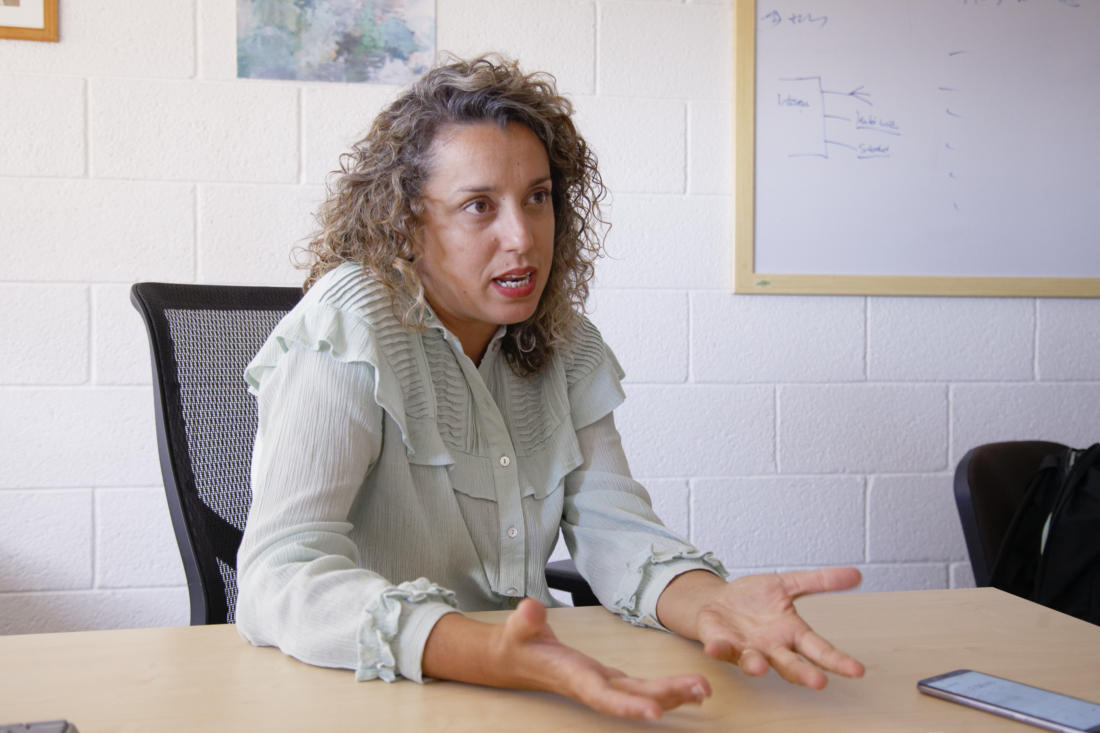
Once the initial phase is complete, the first of the program's four modules begins, focusing on defining the implications of autism spectrum disorder (ASD), such as the aspects families need to consider and the expectations that must be redesigned and adjusted to reality. It is vitally important to better understand what it means for a family to have a child with ASD and to grasp the complex situation they face upon receiving the diagnosis.
“Many families spend a considerable amount of time in a phase of denial because they struggle to accept their new reality, and it is essential that teachers understand this entire process in order to adapt their collaborative methods. Often, families refuse to collaborate because they are in this phase, which involves a life change, a lot of stress, and having to make work and financial adjustments,” explains Miriam Álvarez.
The second module focuses on teachers identifying their own competencies in order to understand the skills and strategies they use to reinforce the teaching and learning process at home, or their participation in the classroom. It's a way for them to engage in self-reflection and identify which competencies are working well, or which ones need to be developed to achieve change.
“If teachers feel they lack sufficient skills or are ineffective in their work, this is likely to affect their daily development. On the other hand, families possess a range of parenting skills and abilities to help their children develop academically in the best possible way.”.
This is the third module, which addresses collaboration strategies so that families are aware of the different ways to participate and the skills they need to communicate with teachers in an "assertive and constructive" manner. This allows them to identify areas for improvement by using the most appropriate strategies.
For the researcher, the fourth module is one of the most interesting. It addresses everyday conflicts: real situations that arise between teachers and students with autism spectrum disorder. “Conflicts can arise from perceiving things differently, and to address this, we work on alternative resolutions using videos,‘role playing’'or debates'.
One of the most common conflicts arises from decisions made by schools regarding their children, with which parents disagree. “There is a lack of training and resources to adequately address the needs of the students; some classrooms have as many as five children with autism spectrum disorder, in addition to others with special needs, besides all the individual needs that must be addressed. That is why collaborative work is so important, and why decisions should not be made unilaterally.”.
 Collaborative sessions
The two formats (in-person and online) of "Building Alliances" consist of 12 one-and-a-half-hour sessions, in which six to eight people participate each week, completing two or three activities ranging from general to individual. "It's important that knowledge is generated through group reflection and not by one person dictating what needs to be done.".
As Álvarez Lorenzo explains, the process begins with reflection on the school's own reality so that changes can occur related to established communication, satisfaction with the relationship between teachers and families, teachers' sense of self-efficacy, and parents' sense of belonging to the school. "It is essential that families feel the school is theirs and become involved.".
Now, after piloting the program during the school year in five schools and gathering the results of the upcoming evaluation process, it remains to be seen whether it will "generate more positive effects" when implemented in schools that families perceive as more inclusive. Until then, a manual with the evaluations will be published, and preparations will begin for the next school year.
“The activities we develop in this program help us understand the different processes that families with autistic children go through, to demystify autism, and to empathize with a situation marked by reduced sources of support, the loneliness they experience, and social exclusion. These are very important aspects that society and the system must address.”.
Therefore, Miriam Álvarez believes that more training on ASD is needed and that it should be included in the training of Bachelor's Degree in Primary Education and Early Childhood Education, “updated information and scientific evidence that point to effective strategies and methodologies. Above all, future teachers must be helped to identify the sensitivities of each child and learn to work and collaborate with families. We must stop perceiving them as external agents.”.
“These children still suffer stigmatization, exclusion, and marginalization. The fact that they are often not invited to birthdays or parties is proof that the problem lies with the rest of society, which is not sensitive to their reality.” Therefore, the idea is to continue the project, which concludes in 2025, and keep implementing it in schools. Afterward, the goal is to expand it to the other islands in future editions.
Communications Office

 Spanish
 English
 French