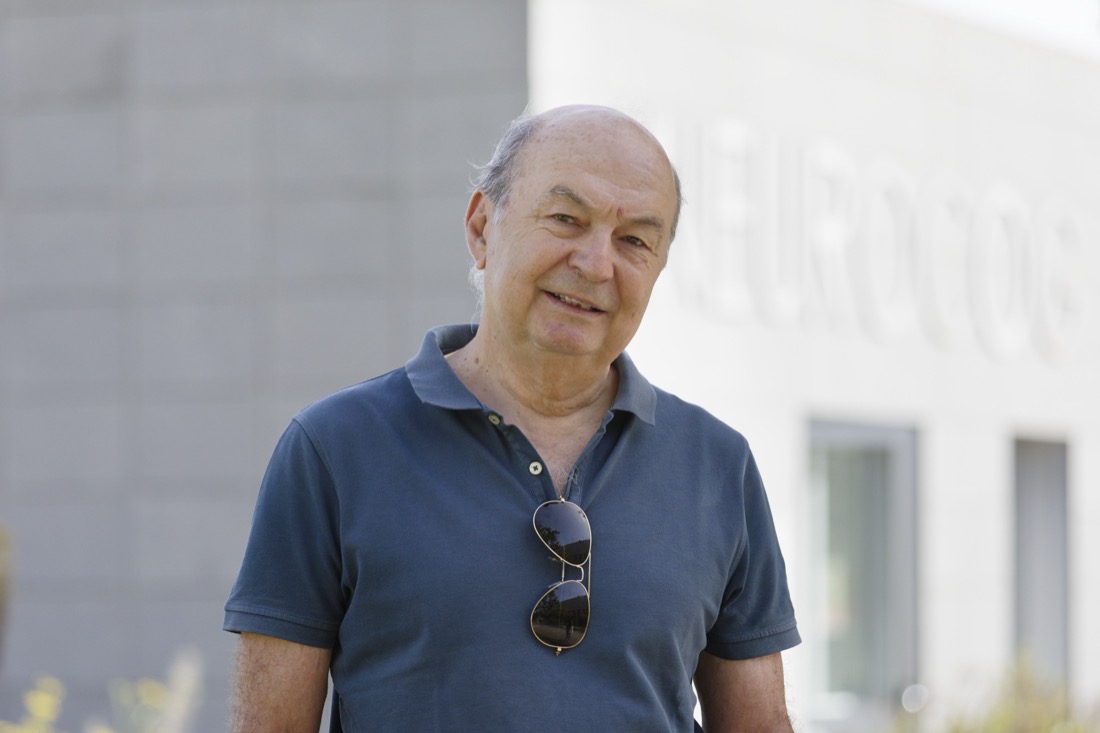
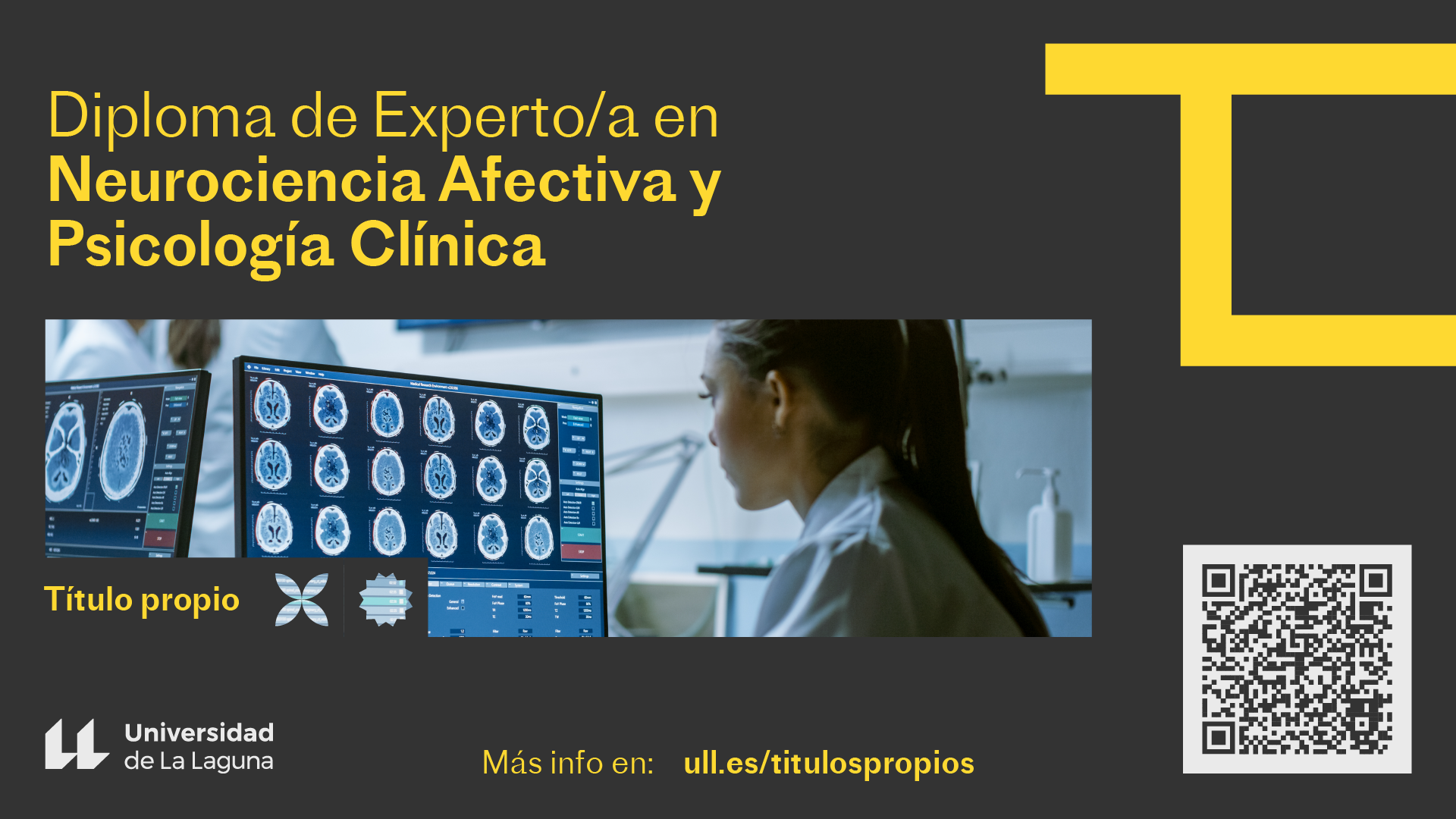
A new diploma of Expert in Affective Neuroscience and Clinical Psychology The University of La Laguna is training professionals in advanced techniques for treating mental disorders. This innovative new program at the University of La Laguna has a workload of 29 ECTS credits and integrates knowledge of neurobiology and brain stimulation methods to improve clinical practice and the quality of life of patients. Pre-registration will be open until August 30th, and registration will take place from September 9th to October 9th, with classes scheduled from November 4th, 2024 to July 31st, 2025.
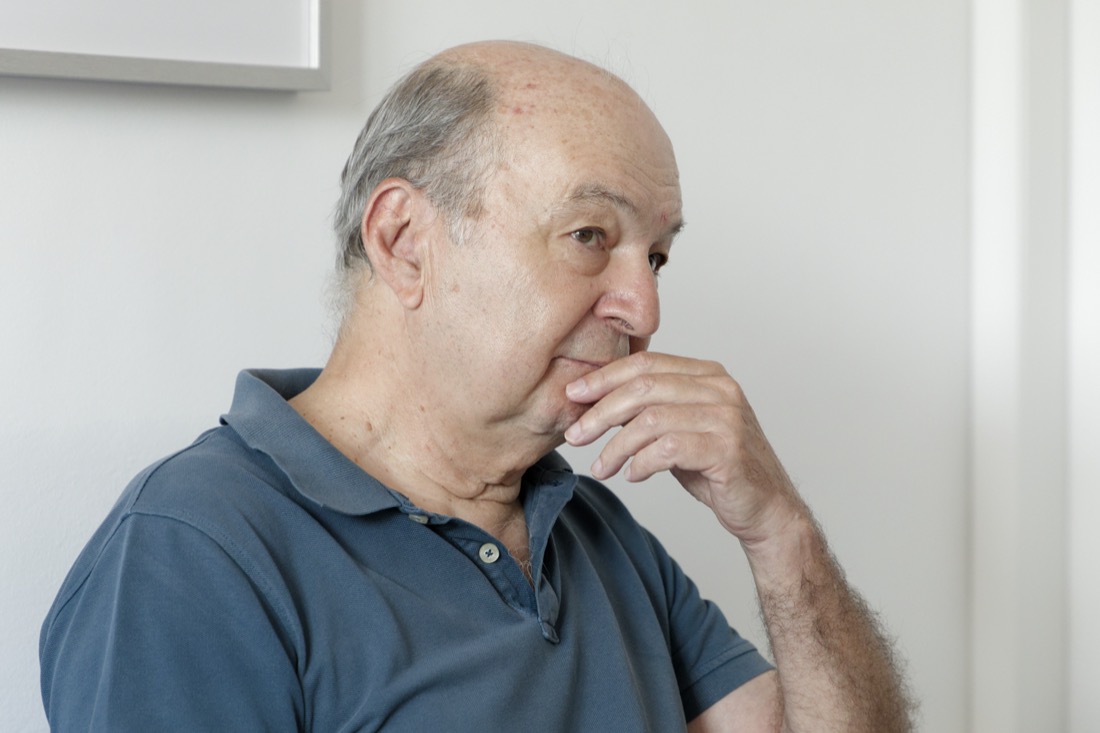
The University of La Laguna has included this new expert diploma in its course offerings for the upcoming academic year. The diploma aims to update and enrich the training of mental health professionals, adapting to the latest advances in neuroscience. Hipólito Marrero, Professor in the Department of Cognitive, Social and Organizational Psychology and member of the University Institute of Neuroscience (IUNE) in addition to being the academic director of the expert, this initiative seeks to provide psychology and psychiatry professionals with "the necessary tools to apply advanced techniques in their clinical practice.".
The relevance of affective neuroscience
Affective neuroscience is a constantly evolving field that studies how brain processes underlie emotions and behaviors. Marrero emphasizes that "progress in neuroscience in recent years has been spectacular, both in understanding how the brain works and in its relationship to normal and pathological behavior." However, she underlines that mental health training has not kept pace, leaving a significant gap in the knowledge and application of advanced techniques such as neuromodulation and non-invasive brain stimulation.
Advances in neuroscience have led to a better understanding of the biological basis of emotions and how they influence human behavior. This knowledge is fundamental for developing new therapeutic strategies that can address mental disorders more effectively and in a more personalized way. "Affective neuroscience not only allows us to better understand the brain mechanisms underlying emotions, but also to develop interventions that can modulate these processes and improve patients' quality of life," explains Marrero.
 InnovActions and progress in the Canary Islands
In the Canary Islands, innovative techniques are being implemented in the private sector, such as non-invasive brain stimulation, both electrical and magnetic pulse, which have not yet been fully integrated into the public hospital system, although there are promising projects under development.
Marrero highlights a project funded by the Carlos III Health Institute, currently underway at the University Institute of Neuroscience at the University of La Laguna, in collaboration with the neurology department of the Nuestra Señora de La Candelaria University Hospital. This initiative focuses on patients with multiple sclerosis, addressing the chronic fatigue they experience through magnetic stimulation. This group of patients is participating in a rigorous clinical trial, overseen by the Spanish Agency for Medicines and Health Products, which adheres to strict protocols to ensure the validity and safety of the results.
«The integration of these techniques into the public health system is a gradual process, but we are seeing growing interest from healthcare institutions and professionals.» Collaboration between universities, research centers, and hospitals is essential to advance the implementation of these techniques and ensure they are available to all patients who could benefit from them. In particular, the IUNE stands out as a leading center where much cutting-edge research in this field is being conducted.
«"Our goal is for these techniques to be seen not as a last resort, but as an integral part of treatment from the outset. This requires a paradigm shift in how we understand and treat mental disorders," Marrero adds.
 An innovative training proposal
This university diploma will provide theoretical and practical training that equips students to apply neuroscientific techniques in clinical practice. It offers a multidisciplinary approach that combines knowledge of the neurobiology of emotions, the brain mechanisms underlying mental disorders, and brain stimulation techniques such as transcranial magnetic stimulation (TMS) and transcranial direct current stimulation (tDCS). "These techniques complement pharmacological and psychological interventions, helping to make improvements in patients more stable and lasting.".
Alberto Domínguez, Professor of Basic Psychology and current director of IUNE, highlights the importance of this research center in the training of experts in neuroscience, emphasizing its leading role in the study and improvement of mental health.
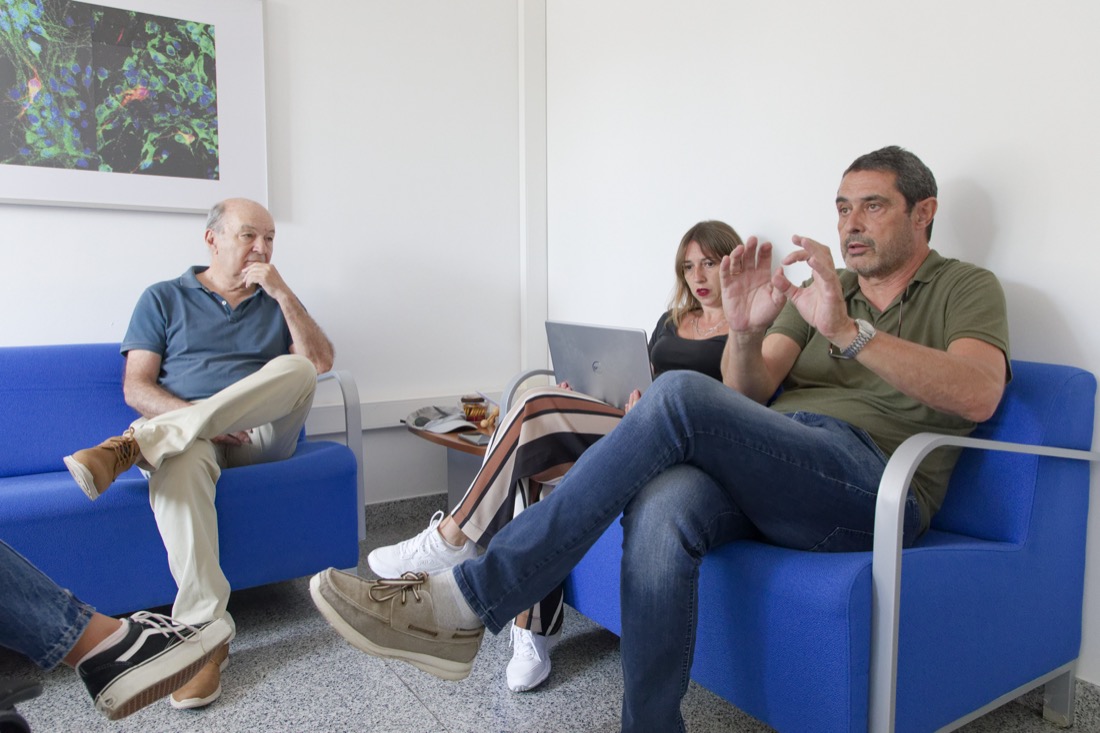
Hipólito Marrero, Francesca Vitale and Alberto Domínguez.
Job opportunities and practical applications
Affective neuroscience and brain stimulation represent a constantly expanding employment niche, offering new avenues for early intervention that can significantly improve the quality of life of patients.
Marrero cites specific examples of successful application of these techniques, such as the case of a patient with severe anorexia who achieved remarkable improvement thanks to neuroscience intervention. These kinds of results underscore the importance of up-to-date and specialized training in affective neuroscience. "Neuroscience offers us powerful tools to intervene in disorders that until now have been difficult to treat. Seeing how patients improve and regain their quality of life is one of the greatest satisfactions of our work," says Marrero.
For practicing professionals, this training represents a unique opportunity to update their knowledge and skills. A deep understanding of brain function, especially in situations of disturbance and dysregulation, is essential for effective mental health interventions.
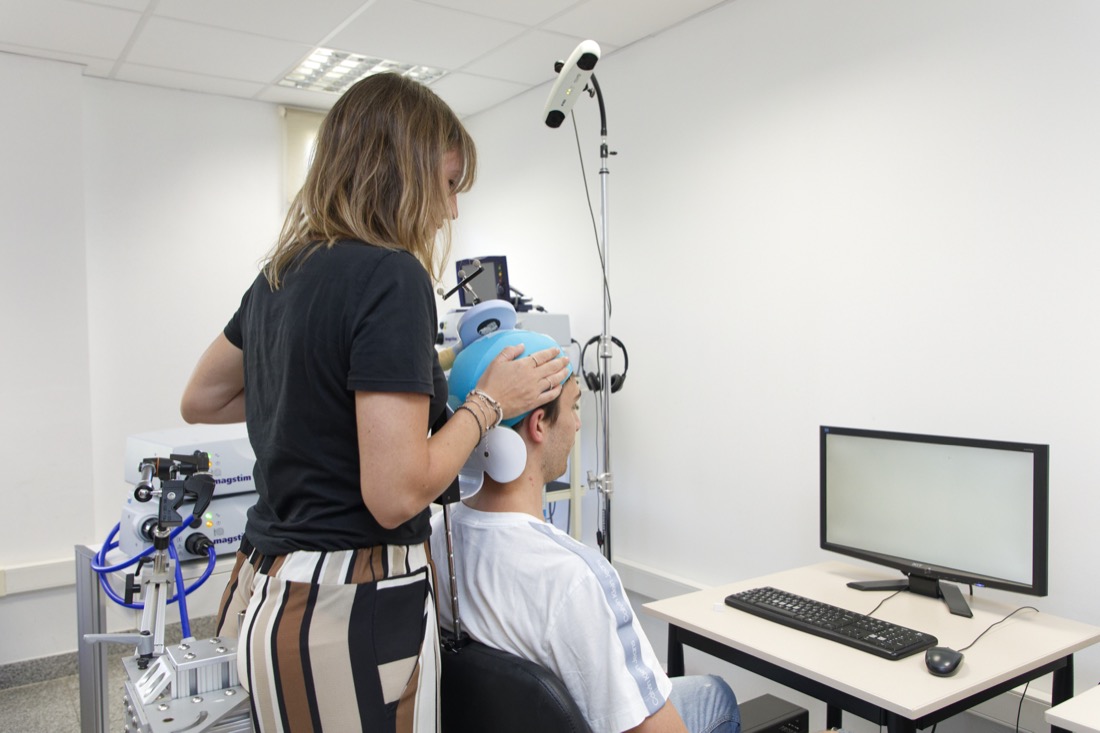
Francesca Vitale using IUNE equipment.
A promising future
In the Canary Islands, training in advanced neuroscience techniques focuses on a wide range of affective behavioral disorders, with particular attention to depression, anxiety, and obsessive-compulsive disorders. The IUNE researcher, Francesca Vitale, The instructor, who has a distinguished career in affective neuroscience and clinical psychology, emphasizes that they are working closely with psychologists and psychiatrists from the University Hospital of the Canary Islands, who contribute their expertise in various disorders, including less common ones such as schizophrenia. This rigorous approach to clinical faculty training ensures that students receive an education based on practical experience and in-depth knowledge of each disorder.
Vitale explains that affective disorders encompass everything from anxiety and depression to eating disorders, addictions, and impulsivity problems. These disorders are linked to the dysregulation of the brain's pleasure and pain circuits, which affects behavioral regulation. The advanced training offered aims to teach professionals how to understand and address this dysregulation to help patients regain control of their behavior.
«Our goal is for professionals to understand how brain function is disrupted and how we can intervene to restore behavioral regulation,» says Vitale. «This training is essential for improving mental health in the Canary Islands, and we are collaborating with institutions such as the Official College of Psychologists of Las Palmas, which offers scholarships to support professionals in their development." Collaboration with these experts allows for addressing disorders such as ADHD, psychosis, and addictions, which, although not strictly affective, have a significant emotional component.
This comprehensive and collaborative approach, supported by local institutions and cutting-edge research projects, promises to provide the Canary Islands with trained professionals who can apply the latest neuroscience techniques in the clinical field, thus improving the region's public health system.
Academic director Marrero concludes with a reflection on the future: «We are starting with an expert diploma, but the goal is to move towards a master’s degree. Neuroscience is here to stay, and understanding how the brain works is fundamental for any mental health intervention.».
Pre-registration for this expert course will be open until August 30th. Registration will take place from September 9th to October 9th, and the course will run from November 2024 to July 2025.

 Spanish
 English
 French