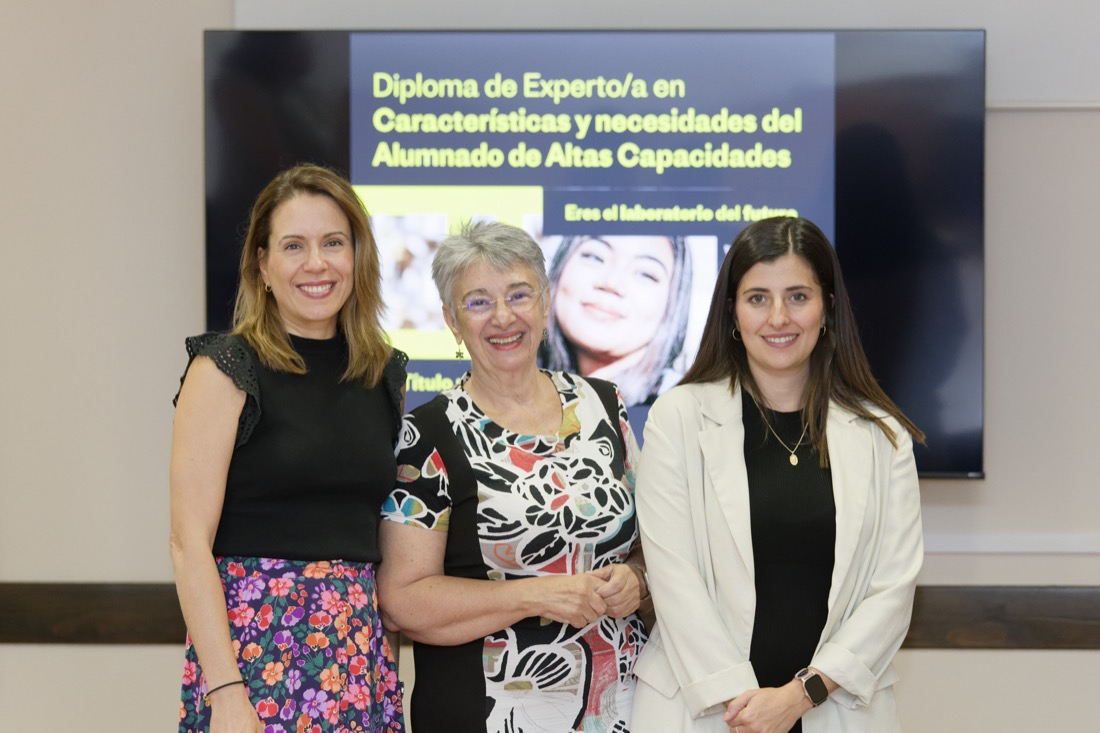
When the word "gifted" is mentioned, the image of young Sheldon Cooper might come to mind—a child with a brilliant mind who struggles to understand social and emotional dynamics. This is an example of how films and television series reflect the definition of intellectually gifted individuals, based on myths that suggest they must excel academically and possess a certain personality to be considered gifted. However, the reality for this group is far more complex and diverse.
The new Diploma of Expertise in Characteristics and Needs of High Intellectual Abilities The course offered by the University of La Laguna aims to provide information about the real characteristics of this student population and address the training needs of professionals who work with and educate this group. This online course has a workload of 15 ECTS credits and will run from January 10 to May 31, 2025, at a cost of 450 euros. Pre-registration for one of the 30 available places will be open until October 31, 2024.
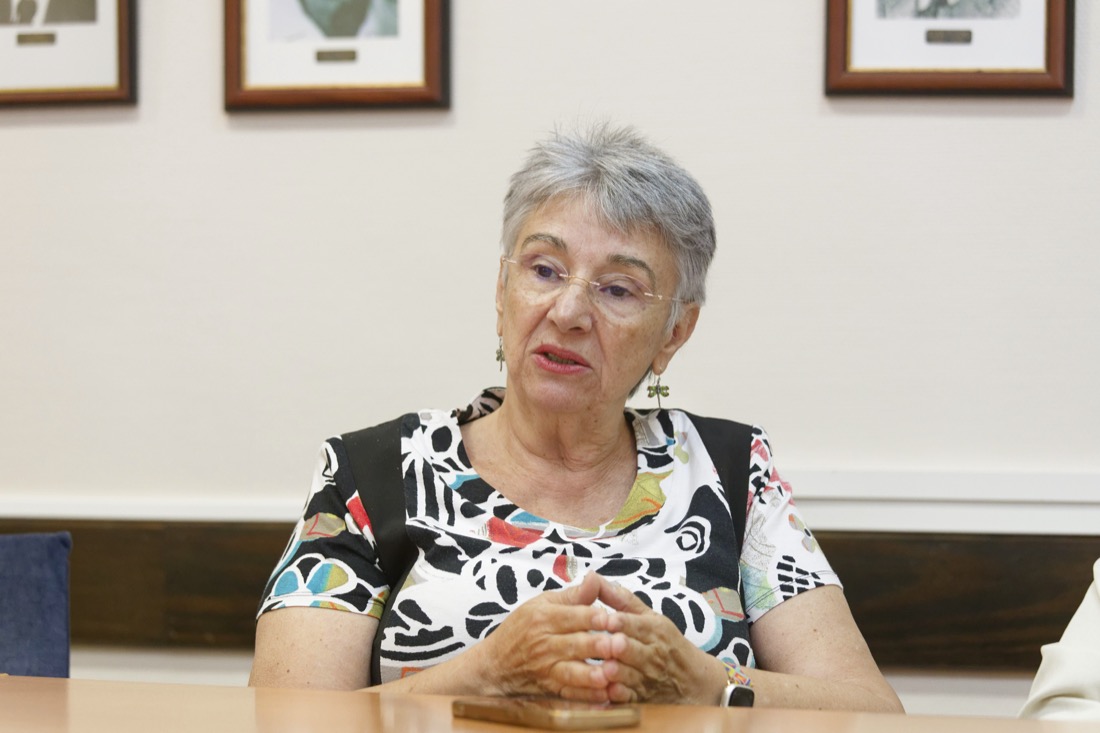
Africa Borges.
Africa Borges del Rosal, Professor of Methodology of Behavioral Sciences at the University of La Laguna and director of this diploma, explains that, currently, “there is no specific regulated training on this subject, so teachers who encounter students with high abilities do not have knowledge about what their needs are,” also influenced by the various stereotypes that exist in society.
This cliché-ridden perception not only distorts the understanding of what it means to be gifted, but can also negatively impact how students' educational needs are met. Borges mentions that there are many myths, but that "the most relevant are those related to academic performance and the socio-emotional aspect.".
When teachers try to identify students with high intellectual ability, they often struggle because, as Borges explains, “they're expecting the brightest students, the ones with the best grades, and that's not always the case.” He adds, “Often, even though they grasp the information quickly, they don't perform adequately because they're only getting the bare minimum, while the teachers are waiting for someone who will achieve top results.”.
On the other hand, Borges highlights the myth that boys and girls will have problems both in the personal and social sphere as well as in their interpersonal relationships, and emphasizes that this causes their parents to be worried about "what is to come," a fear that often does not correspond to reality.
This clash between myth and reality can lead to many gifted students not receiving the recognition or support they need. Therefore, a key aspect of this new certification is gaining a deeper understanding of the significant challenges faced by this group, moving beyond common stereotypes.
Main challenges
Gifted students may encounter numerous challenges in the educational sphere. A recent study by the Ministry of Education “Students with specific educational support needs” The report shows figures for gifted students in non-university education, totaling 51,396, of whom 2,320 are from the Canary Islands. Borges clarifies that not all young people are identified, and that without this identification, an appropriate educational response cannot be provided.
Furthermore, Borges asks, “If the teachers aren’t prepared, how can they implement curriculum adaptations effectively?” He adds, “It also places an excessive burden on them because they lack the necessary training.” This situation means students don’t face the challenges they need, which can lead to underachievement.
The underachievement of gifted students is a central issue in international research on this group because, as Borges explains, “when they don't receive the challenge and specific training they need, they don't develop study habits and learn that they can succeed with little effort.” This has negative long-term consequences, as the need for work and effort increases, leading to difficulties such as not being able to access their desired degree programs, not obtaining scholarships, and not reaching their full potential.
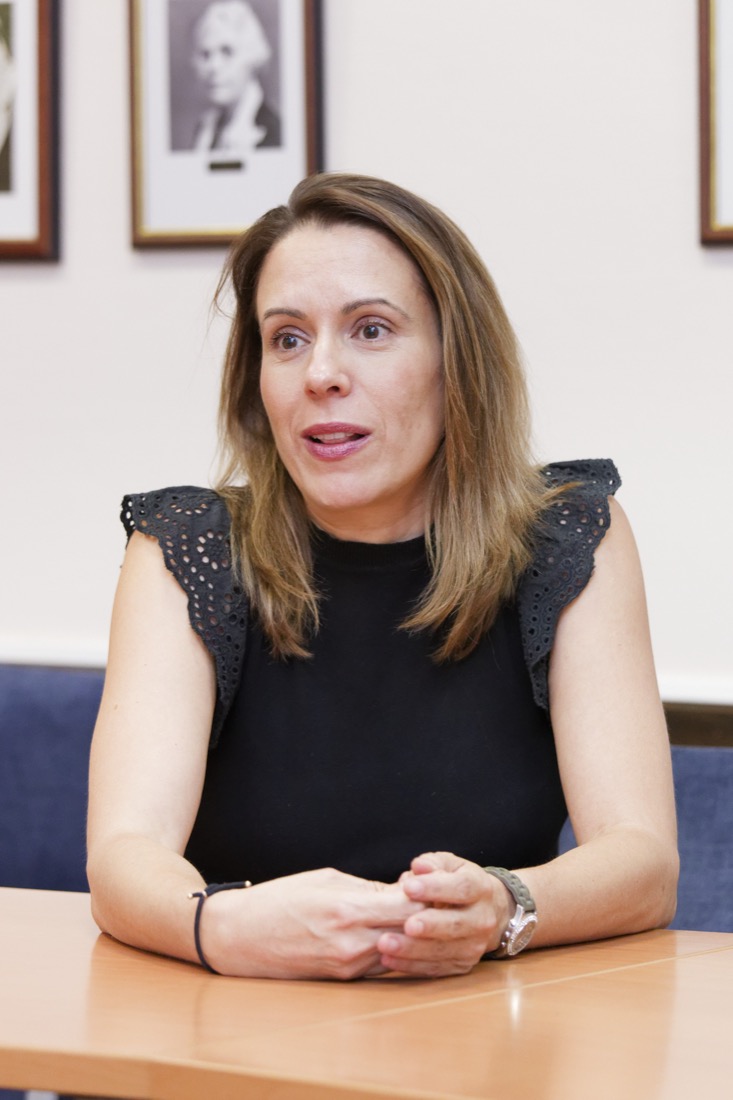
Elena Rodríguez.
Elena Rodríguez – Naveiras, The professor of this diploma program and director of the High Abilities and Talents Classroom, highlights the importance of this certification in relation to the existing challenges: “On the one hand, understanding the characteristics of this type of student in order to identify them, and on the other hand, enabling professionals to carry out diagnostic assessments of this group.” She also emphasizes that having this knowledge is fundamental to providing appropriate training.
The professor of this title specifies that it is not only aimed at teachers, but also at the tutors of young people to know what characterizes them, what difficulties they may encounter and, from there, to properly guide their education.
A key training
This internationally recognized degree program features specialists with extensive experience in both research and working with gifted students.
Rodríguez explains that this diploma program ensures qualified professionals from the very first step: student identification and assessment. During the training, participants will "see the diagnostic process, the tests used, and the importance of professionals knowing how to use, implement, and interpret them to provide a specific educational response," she says.
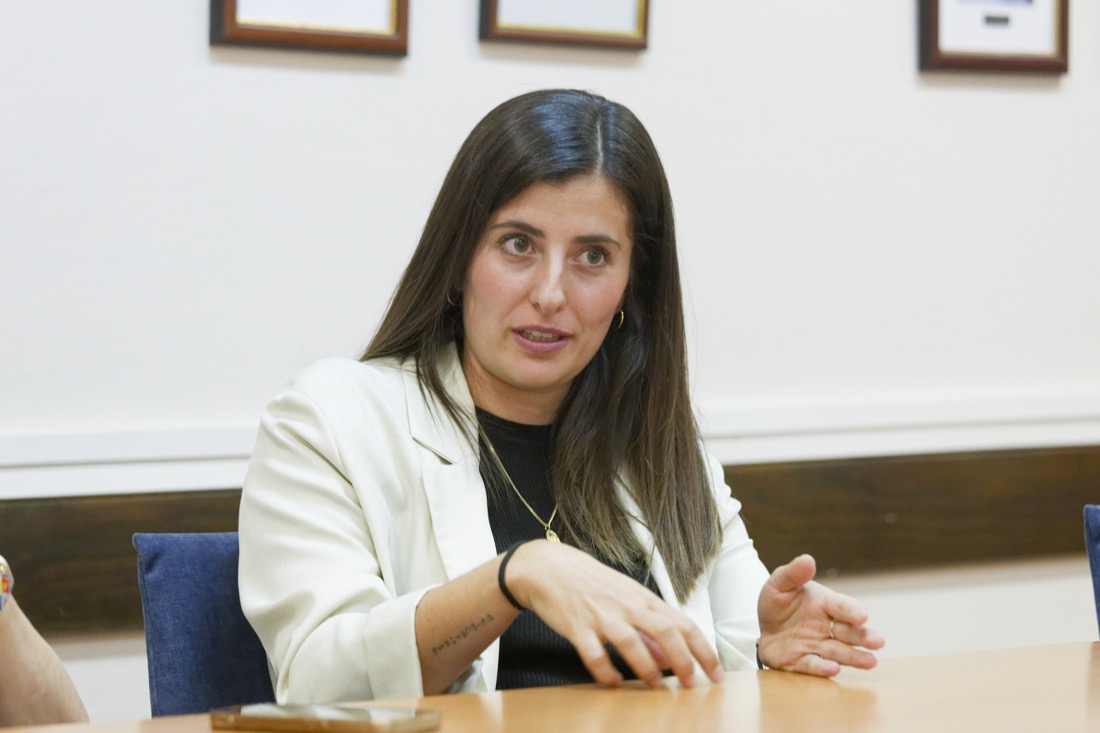
Triana Aguirre.
Triana Aguirre Delgado, The professor of this degree and coordinator of the Comprehensive Program for High Abilities (PIPAC) at the University of La Laguna, emphasizes not only how everything necessary for the identification of students is addressed from the point of view of the teaching staff, but also that "topics related to intra-school intervention and family-school relations are provided, which can be beneficial for all people who want to take the course.".

 Spanish
 English
 French