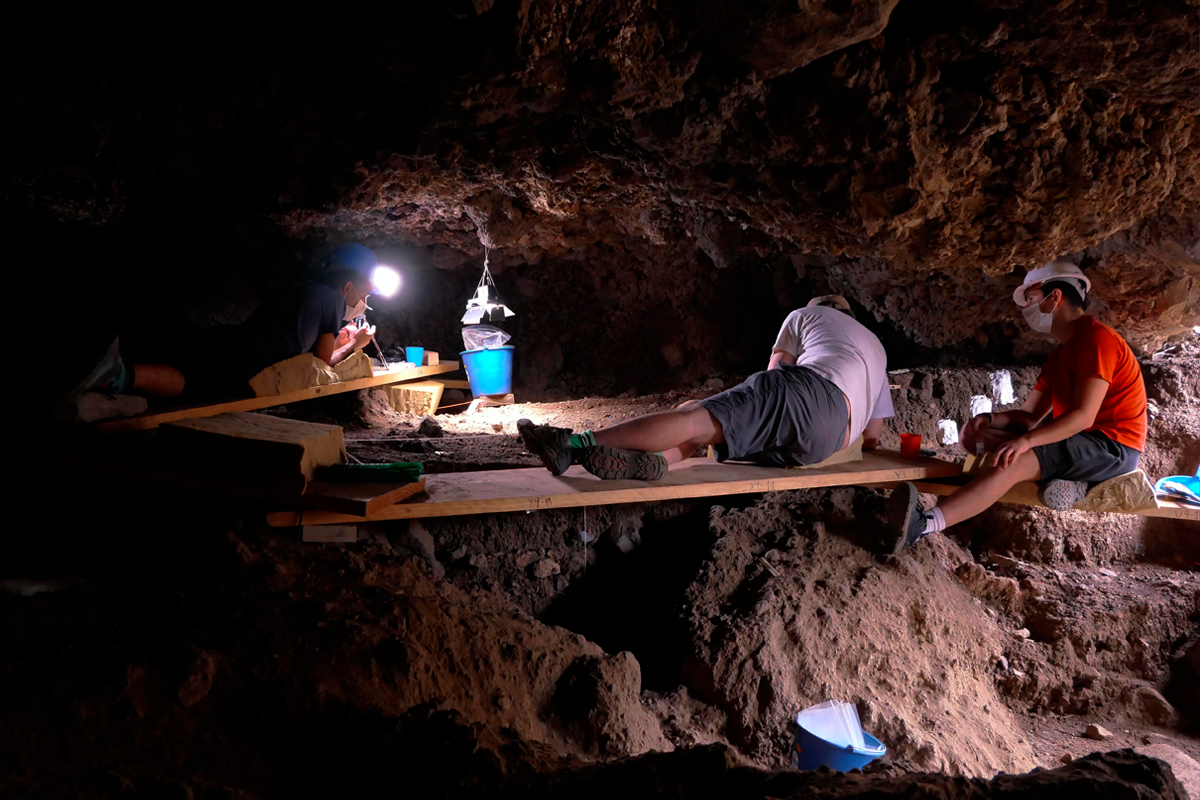
The Directorate General of Culture and Cultural Heritage of the Government of the Canary Islands is continuing its research in the Agua de Dios Ravine with a new archaeological excavation at the Cueva de los Cabezazos (Tegueste) to further our understanding of the Guanche society. Initial findings suggest that the site was continuously occupied for at least six hundred years, from the mid-7th to the 13th centuries AD, but as fieldwork progresses, the dating could yield much earlier dates.
The multidisciplinary analytical perspective on which this project, co-directed by anthracologist Paloma Vidal and archaeologist Salvador Pardo of the University of La Laguna, is based involves the application of new methodologies and disciplines that provide a more precise and innovative vision of the aboriginal settlement of the Cueva de los Cabezazos.
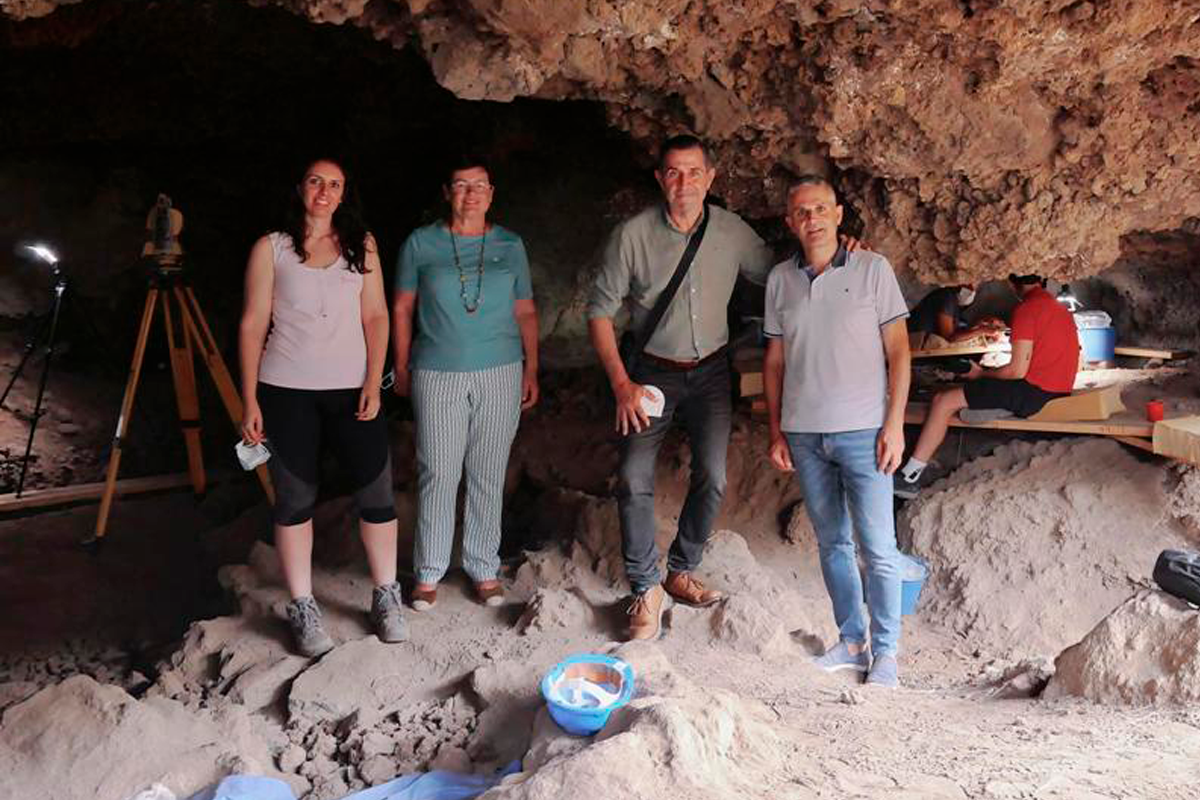
(From left to right) Paloma Vidal, co-director of the project; Ana Mena, mayor of Tegueste; Miguel Ángel Clavijo, general director of Culture and Cultural Heritage of the Government of the Canary Islands; and Norberto Padilla, first deputy mayor of Tegueste.
During a visit to the Agua de Dios Ravine area, the Director General of Culture and Cultural Heritage, Miguel Ángel Clavijo, took the opportunity to congratulate the team that “is carrying out extraordinary scientific work since the reactivation of research in 2023” and also “exemplary outreach.” He stated that more than one hundred people “have visited the cave to learn firsthand about the research at one of the most emblematic archaeological sites on the island.”.
For her part, the mayor of Tegueste, Ana Rosa Mena, emphasized “the close collaboration with the University of La Laguna, the Government of the Canary Islands, and the Tenerife Island Council to facilitate the project,” such as the cleaning of the trails. The intention is to continue “supporting this project to expand our understanding of the history of Tegueste's origins and the Guanches in our territory,” statements echoed by the first deputy mayor, Norberto Padilla.
Promising results
The Cueva de los Cabezazos has been excavated on several occasions since the 1970s, making it one of the aboriginal settlements that has provided the most information about the pre-European period of Tenerife. In fact, it remains a key site today because, as Vidal stated, "it still has great potential," with a stratigraphic sequence that could be expanded as excavations continue," the anthracologist acknowledged.
This project marked the first time a study of human impact on this landscape was conducted through the analysis of charcoal, pollen, and seeds, among other recovered elements. As a result of the paleoenvironmental analysis, “the fayal-brezal (heathland) and laurisilva (laurel forest) are dominant, and thermophilic forest is also present—vegetation that is not currently found in this environment.” Therefore, a “degradation or transformation of the landscape is evident, which could be due to deforestation processes or pastoral activities carried out by the Guanche people,” Vidal explained.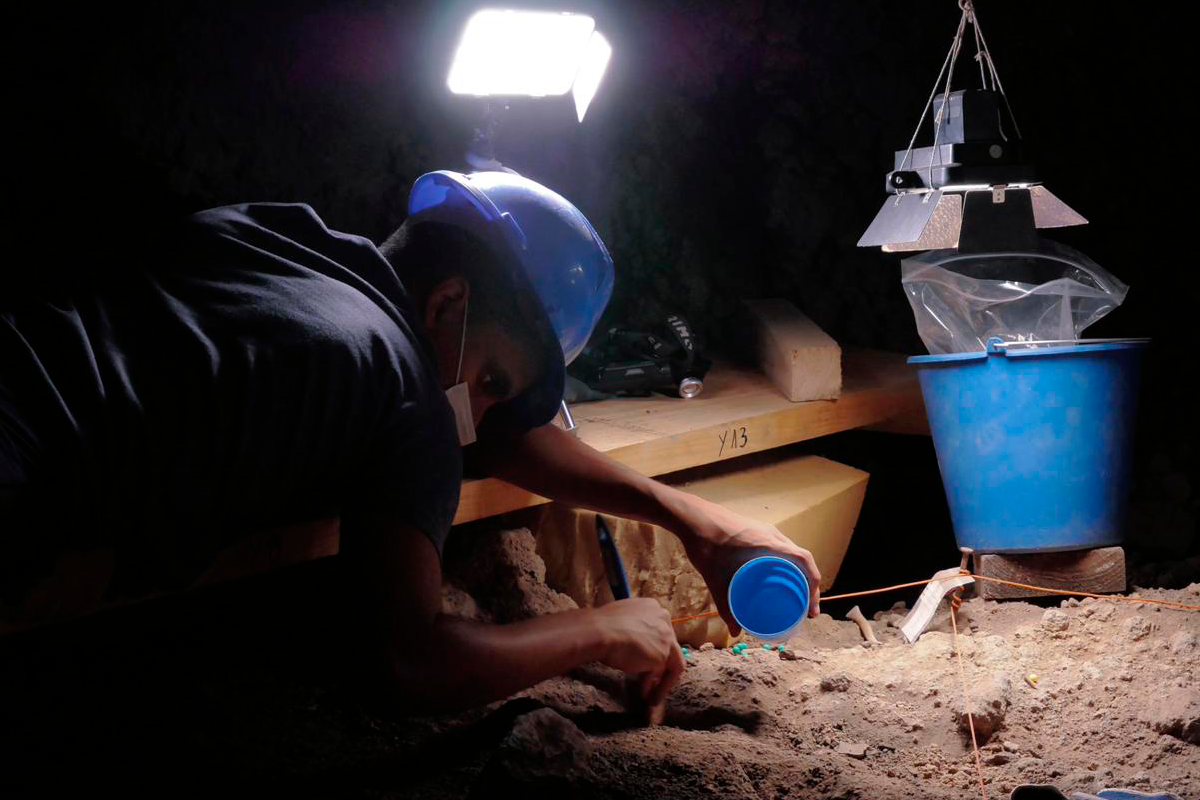
Of particular note is the discovery of a complete ceramic piece in the 2023 campaign, which allows this archaeological site to be dated. Furthermore, "the micro-excavation of the organic sediments that fill this vessel will provide new lines of research" because it represents a unique opportunity to carry out a "comprehensive study of the contents," providing information on the social and cultural practices of these communities of the Menceyato of Tegueste.
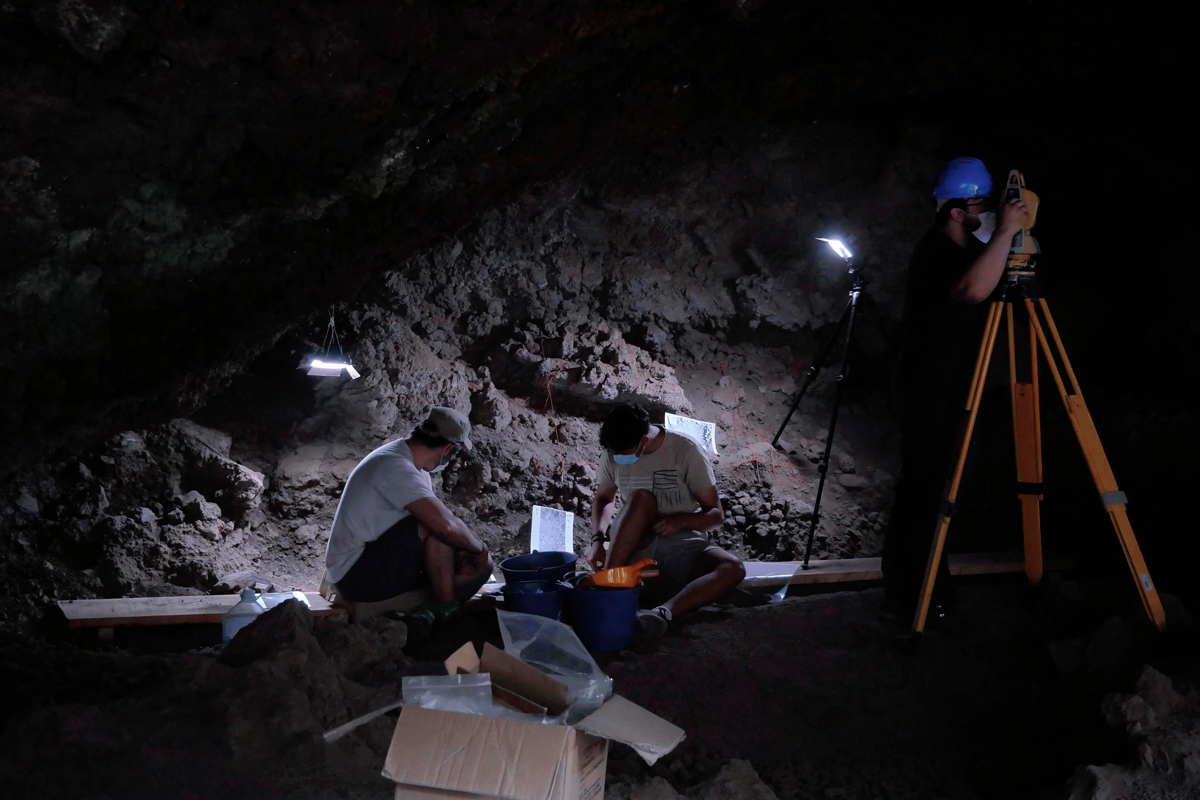 The extensive excavation has concluded with "the recovery of ceramic fragments of all kinds, a large amount of fauna or consumed animals, necklace beads, mill fragments and unprecedented awls," among other archaeological remains that favor the reconstruction of the island's aboriginal past, as the researcher announced.
As in the previous campaign, students enrolled in the History degree program at the university were able to participate in fieldwork as a voluntary supplement to their studies. This time, more than a dozen students were part of the research team, and at the start of the academic year, they will also be able to collaborate on the study of archaeological materials in the Prehistory Laboratory of the Department of Geography and History at the public university.
Press release and photographs provided.

 Spanish
 English
 French