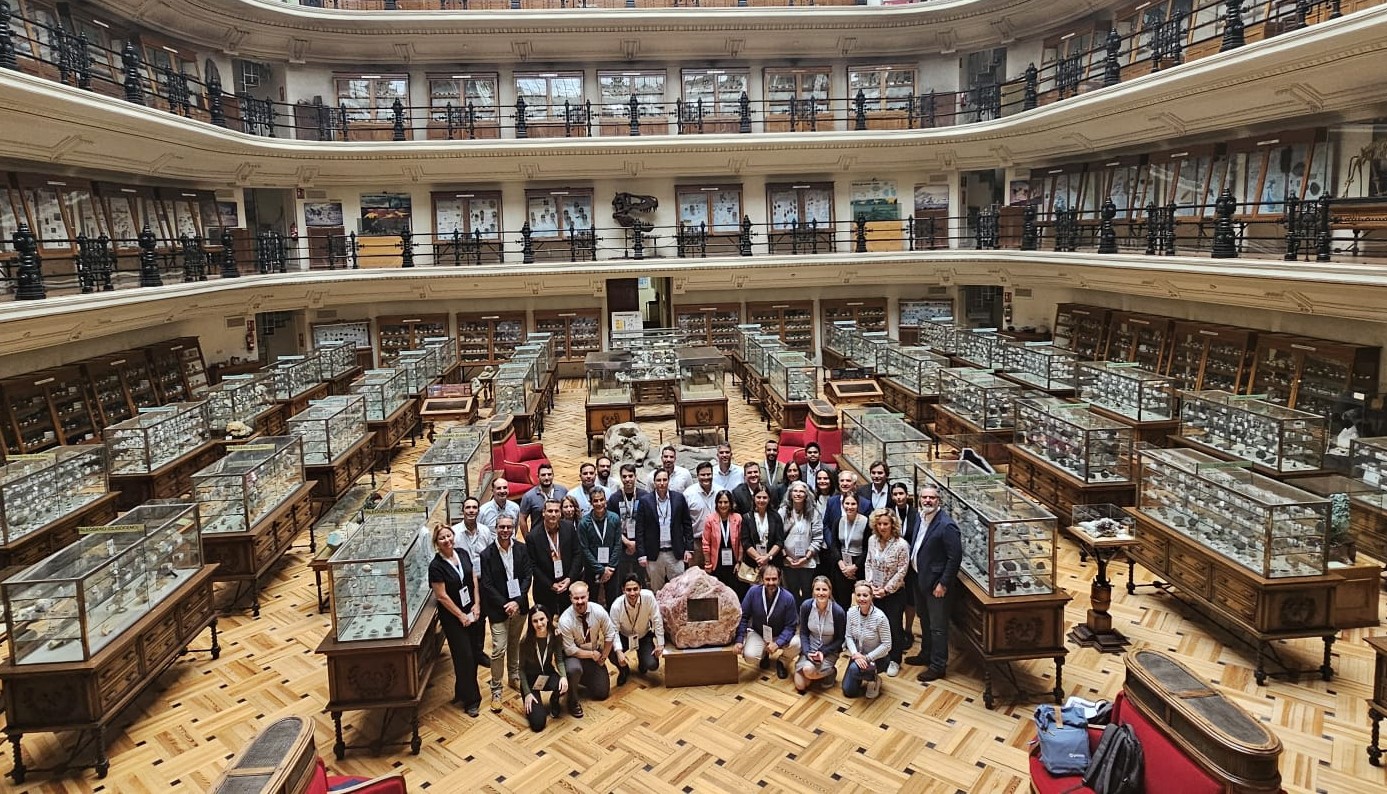
The University of La Laguna has secured funding to develop the project Genesis in the Canary Islands, an initiative of the Horizon Europe program endowed with 10.5 million euros, which was recently presented at its initial consortium meeting in Madrid.
Led by the Geological and Mining Institute of Spain (IGME-CSIC), Genesis will apply nature-based solutions, artificial intelligence (AI) and digital twins to improve water use efficiency in particularly vulnerable areas, such as the Canary Islands and the Azores.
The Genesis project (Geologically Enhanced NaturE-based Solutions for Climate Change Resiliency of Critical Water Infrastructure) seeks to address the challenges of groundwater management, a vital resource increasingly threatened by the effects of climate change, especially in regions already suffering from water stress. The initiative proposes an innovative approach, combining the power of nature with advanced technologies such as AI and digital twins, which allow for the virtual replication of critical infrastructure to improve its performance and sustainability.
The cornerstone of the project will be the development of the 'Deep Demonstrator', an advanced demonstrator that will not only validate these solutions in small island territories but also seek to demonstrate their large-scale viability by integrating them into Europe's water infrastructure. This initiative aims for the results obtained in the Macaronesia region (Canary Islands, Azores, Madeira, Cape Verde, and the Savage Islands) to serve as a replicable model in other vulnerable areas of the European Union, such as the outermost regions.
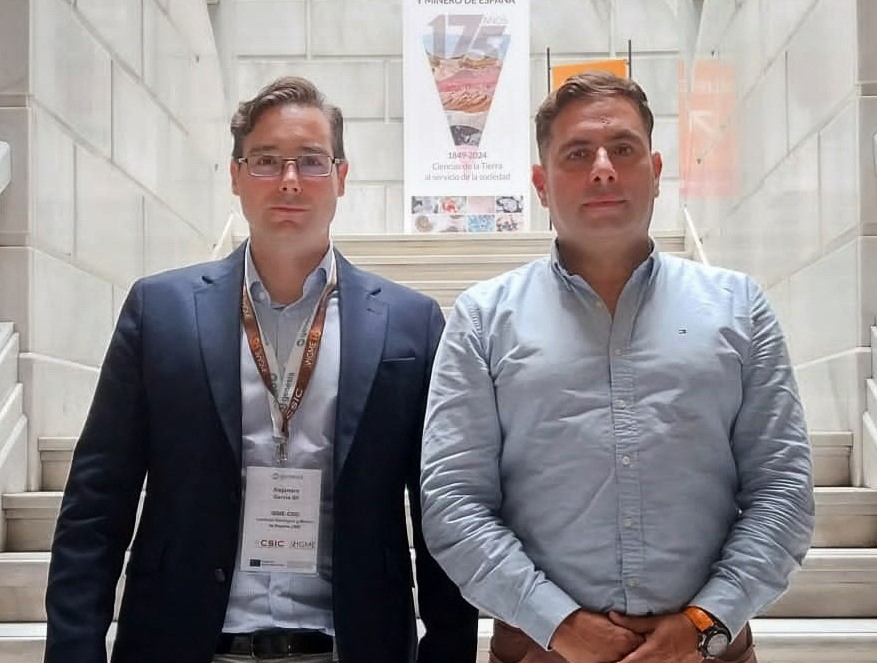
Alejandro García (i), project leader, with Juan Carlos Santamarta, from ULL.
International consortium for a global challenge
The international consortium that makes up Genesis includes 19 partners from six countries (Spain, Portugal, Cape Verde, Belgium, Greece, and France), bringing together world-renowned experts and organizations in the search for solutions to mitigate the effects of climate change on water resources. Their work will focus on developing innovative tools and strategies for the efficient and sustainable management of groundwater in oceanic zones, where the availability of this resource is critical and declining.
The project, which began on September 1, 2023 and will run until August 31, 2028, will mark a turning point in the protection of water resources in island regions, according to its researchers.
At the University of La Laguna, the project is led by Professor Juan Carlos Santamarta Cerezal, Santamarta has successfully positioned the University of the Canary Islands as a key player in water management research, particularly in island regions. In the last three years, Santamarta has secured three of the nine Horizon Europe projects in which the university participates: Arsinoe (€15.5M), Natalie (€15M), and now Genesis (€10M), all focused on water as a central theme.
«"These projects are not only crucial for the Canary Islands because of the knowledge we are developing about water resources, but also because of the training of top-level scientific personnel who will continue to lead initiatives of this magnitude in the near future," says Santamarta.
In the Canary Islands, the case studies will focus on Gran Canaria, La Palma, and El Hierro, building on previous projects. Through its participation in Génesis, the University of La Laguna reaffirms its commitment to sustainability and the protection of water resources, not only in the Canary Islands but also in all regions of the world facing the growing challenges of climate change.

 Spanish
 English
 French