A research team from the University of La Laguna has conducted a groundbreaking study exploring the relationship between antioxidant activity and the chemical composition of 250 red wines from various protected designations of origin in the Canary Islands. Among other findings, the study indicates that younger wines have higher antioxidant activity than older wines, such as those aged in oak. This suggests that certain phenolic compounds, present in greater quantities in younger wines, may lose some of their natural antioxidant activity as they polymerize over time, thus reducing their ability to scavenge free radicals.
Another surprising finding of the study was that the concentration of resveratrol, a compound closely linked to the antioxidant benefits of wine, showed no correlation with overall antioxidant activity, despite expectations. Instead, other phenolic groups, such as catechins and flavonols, were found to have a strong relationship with the antioxidant capacity of wine, as did certain minerals.
In general terms, this project has made it possible to identify the connections between different compounds present in wine and their antioxidant capacity, an aspect relevant both for health and for better understanding the quality of the final agri-food product. The work has been published in the journal ACS Food Science and Technology, signed by Jesús Enrique de las Heras Roger as principal investigator, along with Nestor Benitez Brito y Carlos Díaz Romero, the three from the Department of Chemical Engineering and Pharmaceutical Technology; and Javier Darias Rosales, from the Toxicology Area of the institution.
Methodology
The main objective of this research has been to examine how the chemical components of wine influence its antioxidant capacity. To this end, phenolic compounds, basic physicochemical parameters such as alcohol content, organic acids, and certain naturally occurring minerals have been taken into consideration. Although alcohol consumption should be moderate due to its adverse effects, moderate consumption has been associated with antioxidant benefits. Therefore, identifying the compounds responsible for this antioxidant activity is crucial for both the food and wine industries.
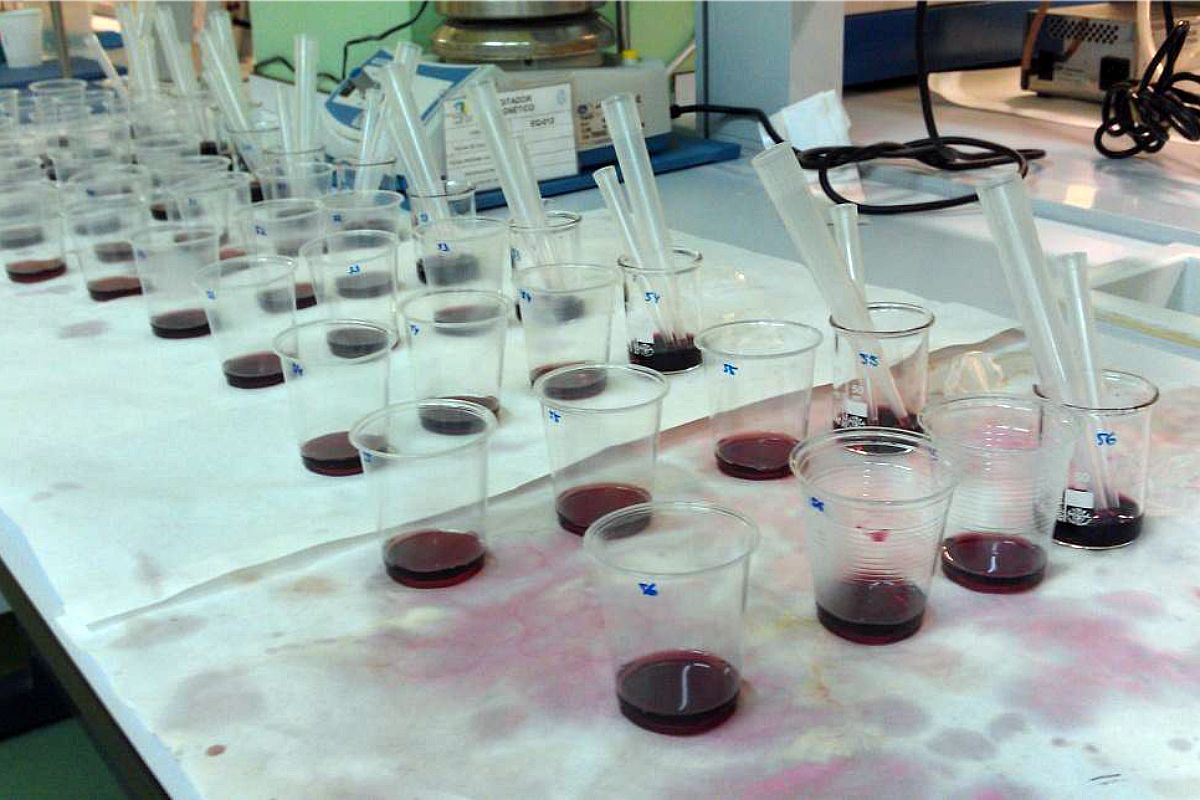
The team analyzed wines from all the islands, both young and aged, made from more than 10 grape varieties and 9 different vintages. Using advanced spectrometry and chemical analysis techniques, the researchers investigated the concentration of various phenolic compounds, including catechins, flavonols, and hydroxycinnamic acids, among others.
Antioxidant activity was assessed using a standardized free radical assay, a widely accepted method in the scientific community. The results were statistically analyzed, and both positive and negative relationships between the concentration of the various compounds and antioxidant capacity were explored. This confirmed some hypotheses already proposed in the scientific literature, while also leading to new potential relationships.
This study was made possible through the collaboration of several chemistry and nutrition experts from the University of La Laguna with representatives from various wineries in the Canary Islands. They joined forces to overcome the challenges inherent in analyzing a product as complex as wine, which contains more than 600 substances. One of the main difficulties was the need to control the variability in wine parameters while ensuring their representativeness, which required a rigorous experimental design and detailed statistical analysis.
This work not only provides valuable information on the benefits of moderate red wine consumption, but also offers practical tools for the wine industry, enabling avenues of study to improve wine preservation.
The researchers emphasize the importance of continuing to explore the interaction between the different compounds present in wine to better understand their impact on health and the quality of the final product, with studies on the potential antitumor or anti-inflammatory activity of extracts of these compounds obtained from wine expected to be carried out in a next stage.

 Spanish
 English
 French