
It seems impossible that someone could sleep in a chair all night—without putting their feet on the ground—take 42 showers, and change their shirt around 3,600 times before leaving home for school, as if Jaume Aymar was doing. This Catalan DJ had to deal throughout his adolescence with an unstoppable cascade of strong obsessions and intrusive thoughts that caused him terrible anxiety, which could only be appeased by those repetitive behaviors that took place for four hours a day.
That was the time it took for him to replicate his compulsions, typical of what is known as Obsessive-Compulsive Disorder (OCD)of magical or superstitious thinking. Always reproducing things in the same order is the only possible antidote with which people who suffer from this dysfunction – in Spain around 3%, which represents a figure of 1,700,000 affected in our country – believe they can prevent something bad from happening to them.
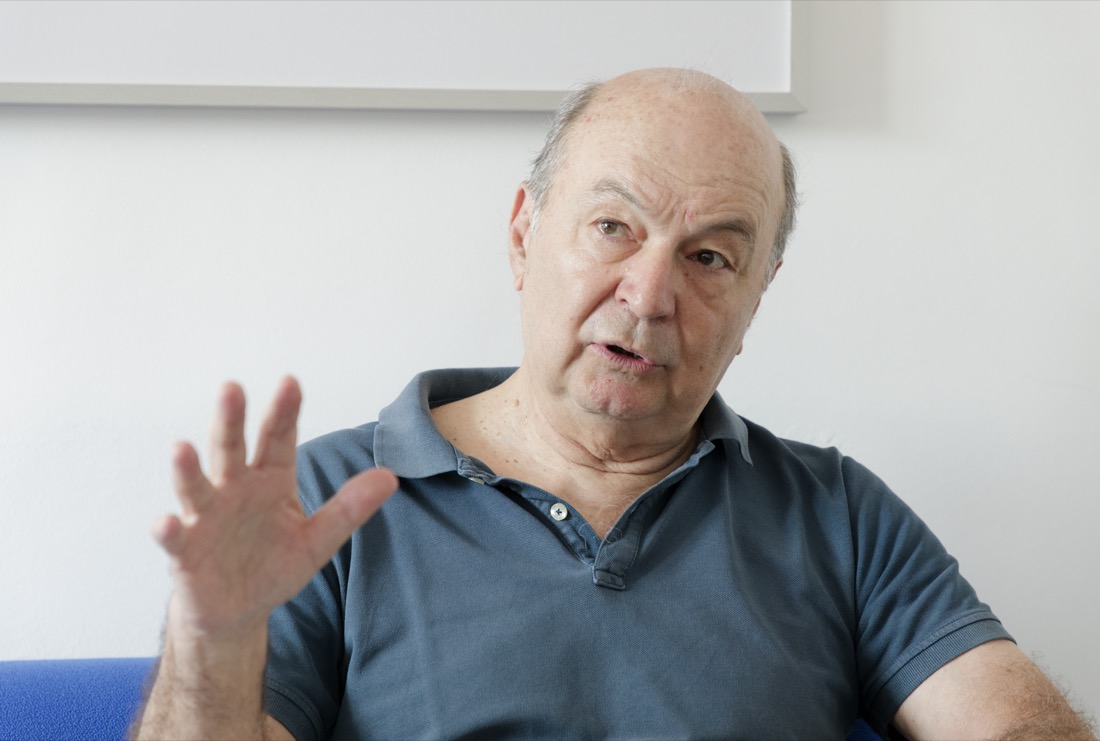
Because in addition to compulsions, all those who suffer from OCD, whatever type it may be, "have very disturbing and recurring intrusive thoughts," she explains. Hipólito Marrero, Professor in the Department of Cognitive, Social and Organizational Psychology, member of the University Institute of Neuroscience (IUNE) of the University of La Laguna, and principal investigator of the project NEUCOGTOOL, a pioneering neurocognitive tool that will serve to evaluate approach-avoidance inhibition in mental disorders.
This line of research, focused on inhibition processes and approach-avoidance conflicts, plays a crucial role in regulating human behavior and is key to these projects, as the expert from the University of La Laguna points out. To understand this, nothing is more commonplace and straightforward than the approach-avoidance conflict that arises, for example, when stopping at a red light, at which point the brain activates a mechanism that inhibits an adaptive action like walking.
Framed within the so-called proof-of-concept projects, because they develop innovations with potential transferability to society, NEOCOGTOOL has not only focused on OCD. It also directs its attention to depression, anxiety, impulsivity disorders, and addiction, all of which have a very significant emotional basis and are closely related to the brain's reward mechanisms.
“What we do in the project, on the one hand, is to choose affective disorders, such as depression, social and generalized anxiety, eating disorders, and obsessive-compulsive disorders. On the other hand, we select certain tasks offered by experimental psychology, which we at the institute (IUNE) have found to measure very well both inhibition disorders and approach and avoidance conflicts,” explains Marrero.
 Living with OCD
The main thing is to understand how the brain processes these types of situations or conflicts, which those affected experience with varying degrees of intensity. Leaving aside Jack Nicholson's performance in As Good as It Gets, 1997) It is memorable, besides being one of the most brilliant and realistic incarnations of Obsessive-Compulsive Disorder in the history of cinema, the reality is that people with this disorder suffer more than Melvin Udall, his character, does on the big screen.
The compulsions that dictate Melvin's daily life—such as avoiding walking on the floor tiles, refusing to touch other people, or professing an almost pathological aversion to those around him—work perfectly in film. Not so in real life. That balance between comedy and tragedy that Nicholson masterfully portrays vanishes the moment people who live with this disorder describe their daily lives.
“It’s important to understand the situation faced by all those who suffer from this disorder, because they suffer a great deal. It’s not just about coping with and living with the compulsions, which are necessary to reduce the level of anxiety they experience daily. They also have many intrusive and disturbing thoughts that are recurrent.”.
It's important to point out that the persistence of these intrusive thoughts, sometimes even "unpleasant and unethical," doesn't necessarily lead a person to act on what they have in mind. What is true, however, is that "they manage to take root in their mind and won't go away," generating a great deal of anxiety. It's like "a defense mechanism," Marrero notes.
However, even though in many cases people with this disorder reach such a high level of anxiety that it prevents them from leading a normal life, not all cases of OCD are the same. Some have mild and quite manageable symptoms that, on more than a few occasions, have gone viral more due to the fame of those who suffer from them than the severity of their condition. From actor Leonardo DiCaprio and his mania for checking locked doors and turned-off lights, or former footballer David Beckham, obsessed with the perfect alignment of his shoes, to actor Daniel Radcliffe: the former star of Harry Potter He has publicly confessed on numerous occasions his exaggerated obsession with symmetry.
These are just a few examples of famous people who have managed to raise awareness of a condition that, according to the World Health Organization (WHO), 231% of the world's population suffers from mental illness, a figure that has only increased since the COVID-19 pandemic, which has caused an unstoppable decline in the mental health of millions. As evidenced by the international organization's 2022 report, one in eight people worldwide suffers from some type of mental disorder, which varies according to sex and age. Of all these disorders, anxiety and depressive disorders are the most common, affecting both men and women.
 Taking care of mental health
It's true that COVID-19 took a devastating toll on the mental and emotional health of a large part of the population, crushing spirits and amplifying fears and insecurities in adults, but especially in young people and adolescents who are in the midst of developing their identity. The pandemic exacerbated mental health disorders and increased the number of cases. Yes, but it undoubtedly highlighted the need to pay more attention to our mental and emotional well-being.
Although the trivialization of mental disorders—it is estimated that in Spain one in four people will suffer from some mental health problem during their lifetime, which the WHO has even called a silent epidemic—is still present, more and more voices are speaking out, putting a face to the suffering they cause and making visible what for some is a desperate plea that has finally begun to be heard: the increase in mental health care resources in the National Health System.
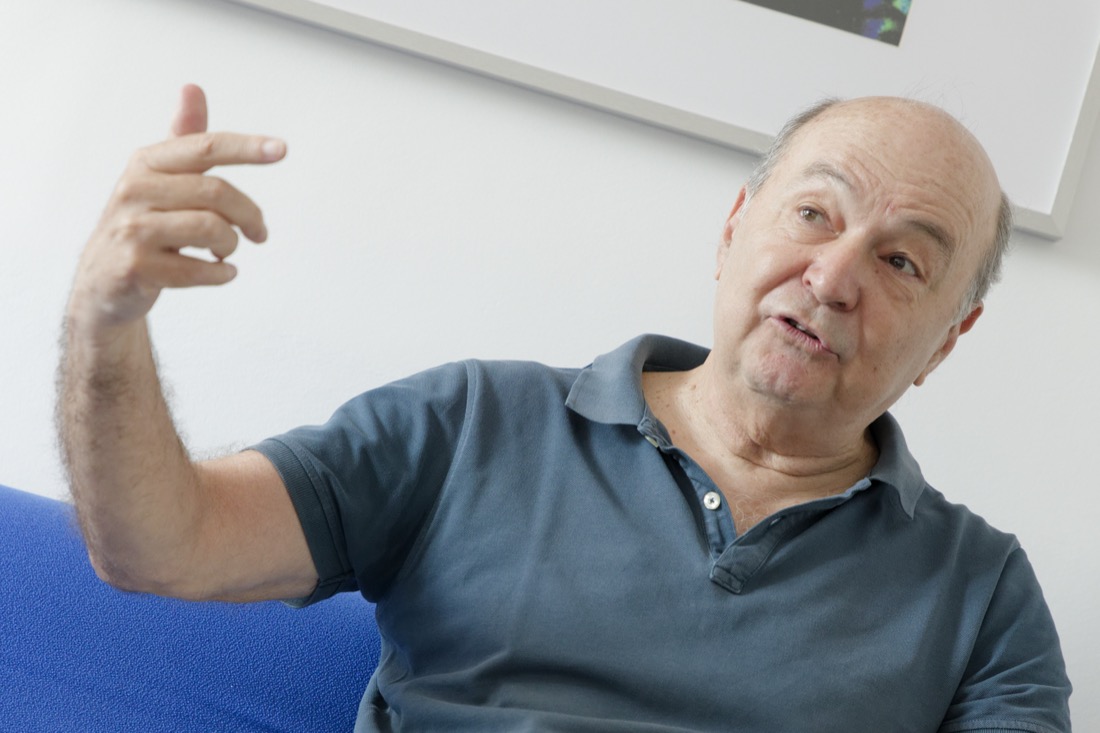
One of those voices aware that everything possible must be done to expedite mental health interventions is Hipólito Marrero. And this extra effort, in addition to being provided by medicine, can also come from neuroscience. Hence the idea and development of NEUCOGTOOL, a powerful tool that will "foreseeably" allow for the early detection of different types of mental disorders.
“Updating mental health care by incorporating neuroscience would allow for faster diagnoses and better-targeted interventions, which would have repercussions on waiting lists for primary care services, as well as on the quality of life of those affected. If we could give the service the ability to record brain activity in a few minutes, to know whether a person has symptoms or not, we could be identifying and referring them right away, or know if they only need counseling.”.
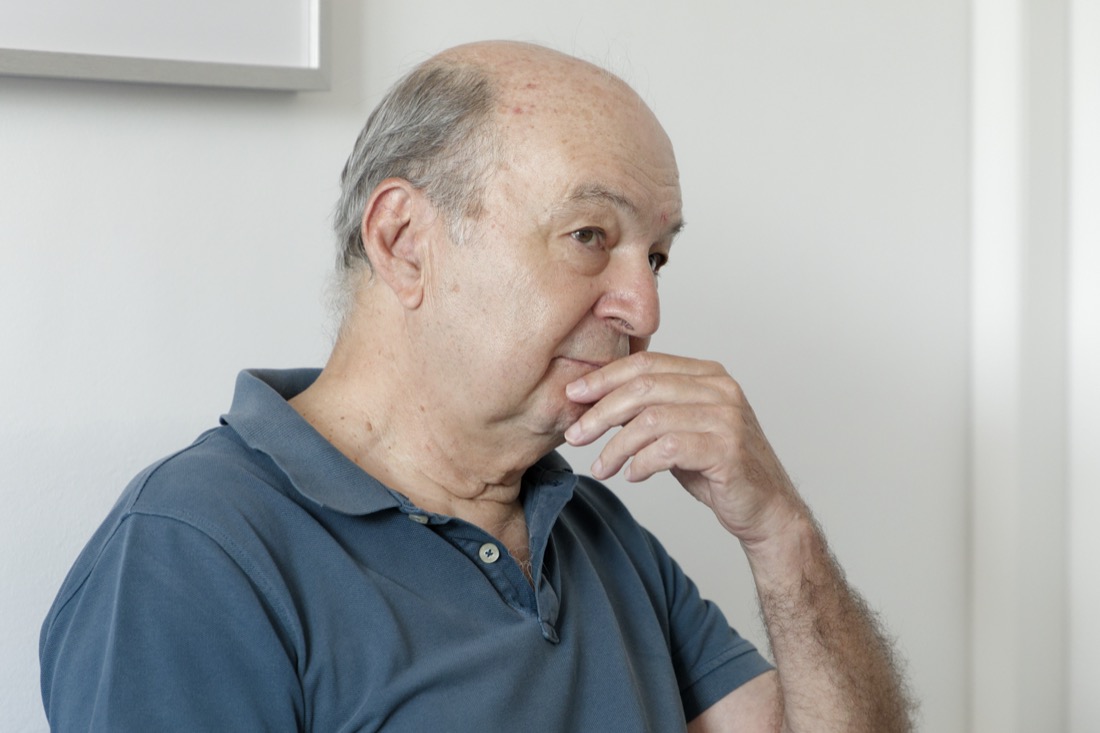
Early detection of mental disorders is crucial, given that it's sometimes difficult to distinguish between different disorders. Intrusive thoughts, for example, can affect both people with depression and those with obsessive-compulsive disorder. Therefore, although they are different conditions, the line between them is often very blurred.
 The value of NEOCOGTOOL
Clearly defining this boundary is one of the valuable contributions of NEUCOGTOOL, a device designed and built at the University of La Laguna after a lengthy process that has allowed for the integration of selected tasks with each person's brainwave recordings. With this method, it is possible to place a cap with electrodes on subjects in record time (no more than five minutes), as it does not require the use of specific gels that extend the application process to half an hour, making this step a real nuisance.
Once the cap is on their head, people sit in a chair connected to a computer, where they can see tasks related to the concepts of approach and avoidance, represented by angry (avoidance) and happy (approach) faces, and then select one. “In other words, you ask the subject to perform the approach movement, even though their automatic tendency is to avoid the object,” explains the expert from the University of La Laguna.
Marrero acknowledges that, although further efforts are needed to improve the signal-to-noise ratio, the fact remains that so far they have been able to collect "good recordings of brain activity" from the participants, a total of 120 students from the University of La Laguna, from whom multiple recordings were obtained from analogous samples. This process involved the application of artificial intelligence in a resting state ('“resting state’).
It is important to note that the subjects have been classified according to scales. “This has allowed us to differentiate those who do not score high on the established scales from those who show symptoms, in addition to being able to evaluate the brain circuits disrupted in the processes of inhibition and conflict resolution,” explains the neuroscience specialist.
The next step, which has not yet been reached, involves moving to a phase that will allow, through artificial intelligence, the differentiation of each type of disorder based on the altered brain circuits, as well as transferring the studies carried out in university populations with and without symptoms to clinical populations. To this end, an agreement has been signed with the University Hospital of the Canary Islands (HUC).
“Once we have tested the classification algorithms in a similar population, with symptoms, we need to see if the diagnosis is confirmed in the clinical population. To do this, we must determine what type of brain functions and circuits are being affected in order to personalize the treatment as appropriately as possible,” Marrero explains.
If everything goes according to plan, the end result will be a device that can be incorporated into primary, secondary, and hospital care consultations, allowing for a 45-minute assessment of whether a patient presents with symptoms of depression, anxiety, obsessive-compulsive disorder, or eating disorders. This will undoubtedly represent a significant improvement in the diagnosis of mental health disorders and in mental health interventions in the Canary Islands and Spain.
NEOCOGTOOL is still halfway to becoming a tangible reality in clinics, which will be able to acquire the device for an amount ranging between 10,000 and 15,000 euros, according to estimates from the researchers who, together with Hipólito Marrero, continue working to make this instrument a reality.
Agustina Birba, Damián Jan Cordón, Emma Rico Martín, Melany de León Méndez, Yennifer Ravelo González, Iván Padrón González, and Manuel de Vega Rodríguez, along with Marrero, form a multidisciplinary team with extensive experience that is now preparing for a new call for proposals, following the conclusion of the 2021 call. The goal of the next call is to patent this pioneering tool, which, in a matter of minutes, can provide medical professionals with the necessary information to detect mental disorders early.
As Marrero emphasizes, “There are no depressed people and non-depressed people. No, no. That's in clinical terms, but depression appears earlier, starting with very mild symptoms and can end with very, very serious ones. And the same is true for obsessive-compulsive disorder or generalized anxiety.” And these are sufficient reasons to keep going. Because even though success is not yet guaranteed, enthusiasm certainly is.
Communications Office

 Spanish
 English
 French