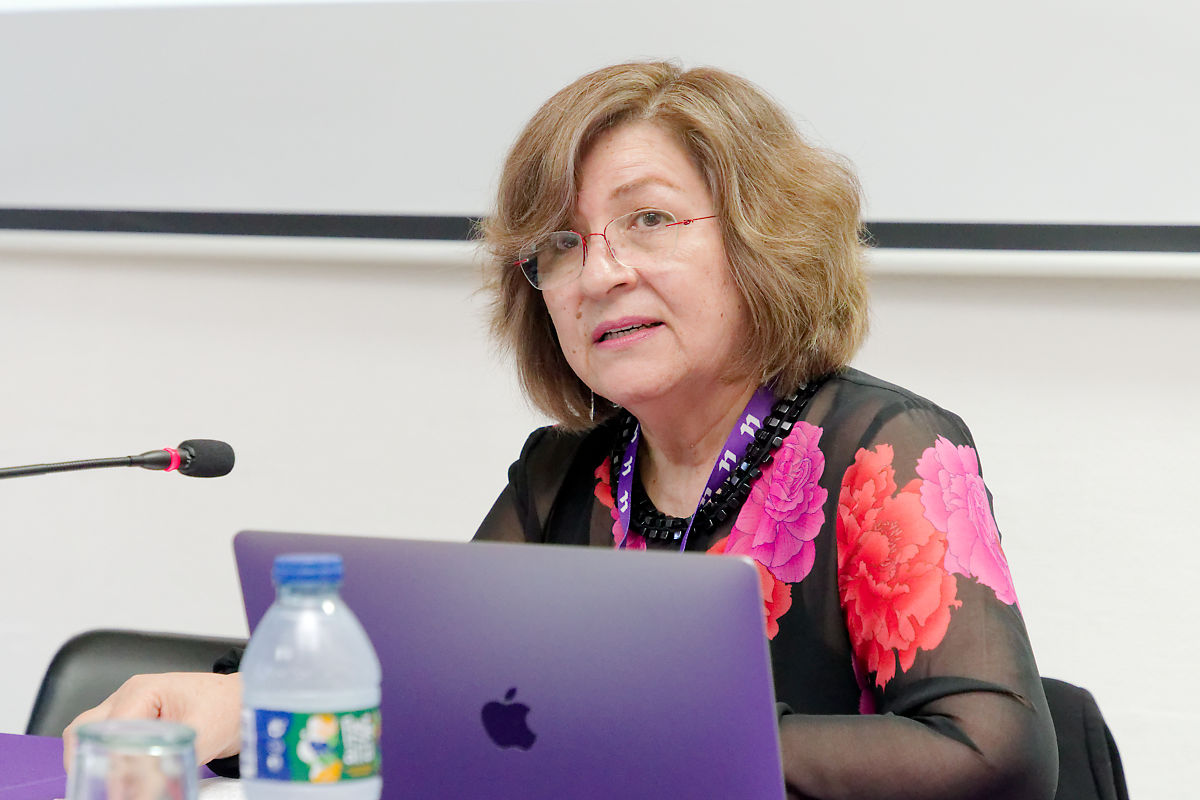
The historian and anthropologist of Mexican education Oresta López, attached to St. Louis College, presented in Campus America 2024 A research project that has addressed certain ancestral knowledge of indigenous communities in her country related to pregnancy, childbirth, and child-rearing, from an inclusive and participatory perspective that offers an alternative to the more orthodox academic view. This reflects the critical stance that she and many other researchers maintain regarding the Western university tradition, which often looks down upon these types of phenomena linked to minority communities.
López was the main guest at the seminar “Gender, knowledge, and intercultural and intersectional methodologies in Latin America: indigenism, interculturality, black feminisms, and sexual diversity”The forum, which began yesterday, Wednesday the 9th, and will continue until Friday the 11th of October at the Faculty of Education of the University of La Laguna, is directed by the Professor of Theory and History of Education. Teresa González Pérez It is one of the programs that has generated the most interest in Campus America 2024, with 80 online registrations and 27 in-person registrations.
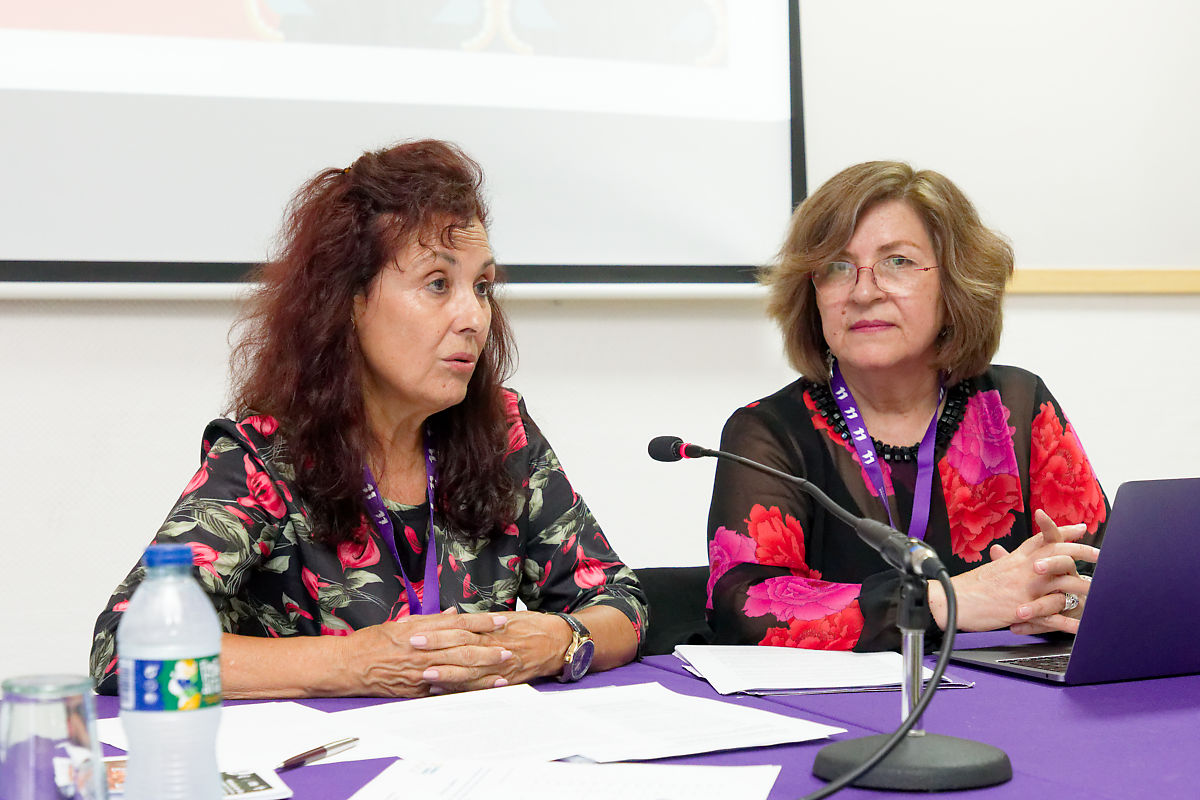
Teresa González and Oresta López.
Professor Oresta López explained that during the Covid-19 pandemic, Mexico experienced an unprecedented situation: faced with the impossibility of going to hospitals and health centers, many women revived certain practices from their Indigenous communities to manage their pregnancies at home. This ancestral knowledge resurfaced and once again placed midwives, nannies, and traditional healers at the forefront.
The anthropologist decided to study this phenomenon, taking advantage of the fact that the Mexican government's new science policy is supporting humanities and social science studies, as well as those focused on the recovery of memory. She also explained that it was an opportunity to implement alternative methodologies within academia, methodologies that differ from those promoted during the neoliberal period that universities have experienced in recent decades, not only in Mexico.
“It’s different to speak from an Indigenous community than from a university,” the speaker reflected. “We need to consider the impact of coloniality on universities, and this also applies to European institutions. We need to analyze whether the colonialist perspective should be re-examined in academia when it observes Indigenous otherness and inequalities.”.
To launch the project, she assembled a predominantly female and ethnically diverse group of researchers, both Indigenous and non-Indigenous, all with advanced degrees. With an intercultural, intergenerational approach, incorporating a gender perspective and community ethics, the study gathers the testimonies of 40 midwives from different regions of Mexico. The aim is to uncover their knowledge and design an appropriate pedagogy to disseminate this wisdom—as López prefers to call it—not only within Indigenous communities through media such as community radio, but also among young professionals in health, education, and communication who are currently in training, so that this ancestral wisdom permeates all of society.
The resulting project It's already online Under the name “Digital Repository of the Knowledge of Women and Indigenous Communities on Pregnancy, Birth, and Childrearing,” it is a practical example of this desire to “decolonize academia.” The speaker emphasized that to carry out this project, many of its workshops, dialogues, and other alternative methods that replace traditional surveys and focus groups came from feminist methodologies, which taught her to “engage in dialogue in other ways” and in a more horizontal manner.
The gender perspective is not trivial when talking about gestation, childbirth and birth not only because of the obvious female component, but because, from that anti-colonial perspective, the expert puts the concept of "body-territory" on the table for debate, given that the processes of colonialism have occurred both on geography and on the female anatomy itself, a double domination that has especially affected women.
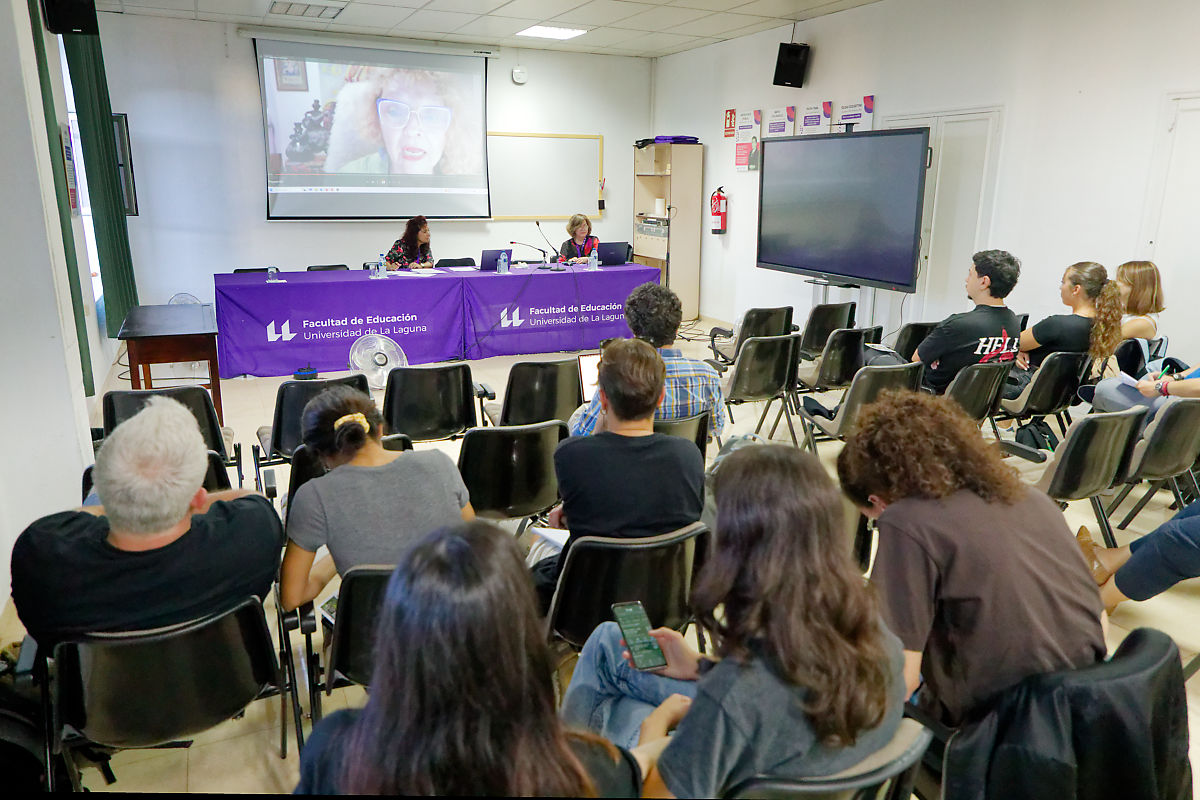
Sonia Montecino intervened through a recording.
Dreams and legislation
The second participant of the day was Sonia Montecino, from the University of Chile, who due to a last-minute scheduling problem could not participate live or even remotely, and sent a recording of her intervention, focused on dreams as a fact shared by communities that can be studied from anthropology and sociology.
The speaker based much of her presentation on her personal relationship with Carmela Romero Antivil, a healer or "machi" of the Mapuche culture. In many of their conversations, Romero vividly described her dreams, which in some way shaped her interpretation of her own existence. This is a common process in all cultures and has been studied, especially since the 1970s.
As Montecino points out, dreams are “a challenging object of study” due to their multitude of varieties, and this study must encompass the differences that may exist between Indigenous and non-Indigenous people when dealing with dreams, but also between men and women. Likewise, it is possible to study the existence of “expert dreamers,” as well as the role of “the interpreters capable of interpreting these dreams.”.
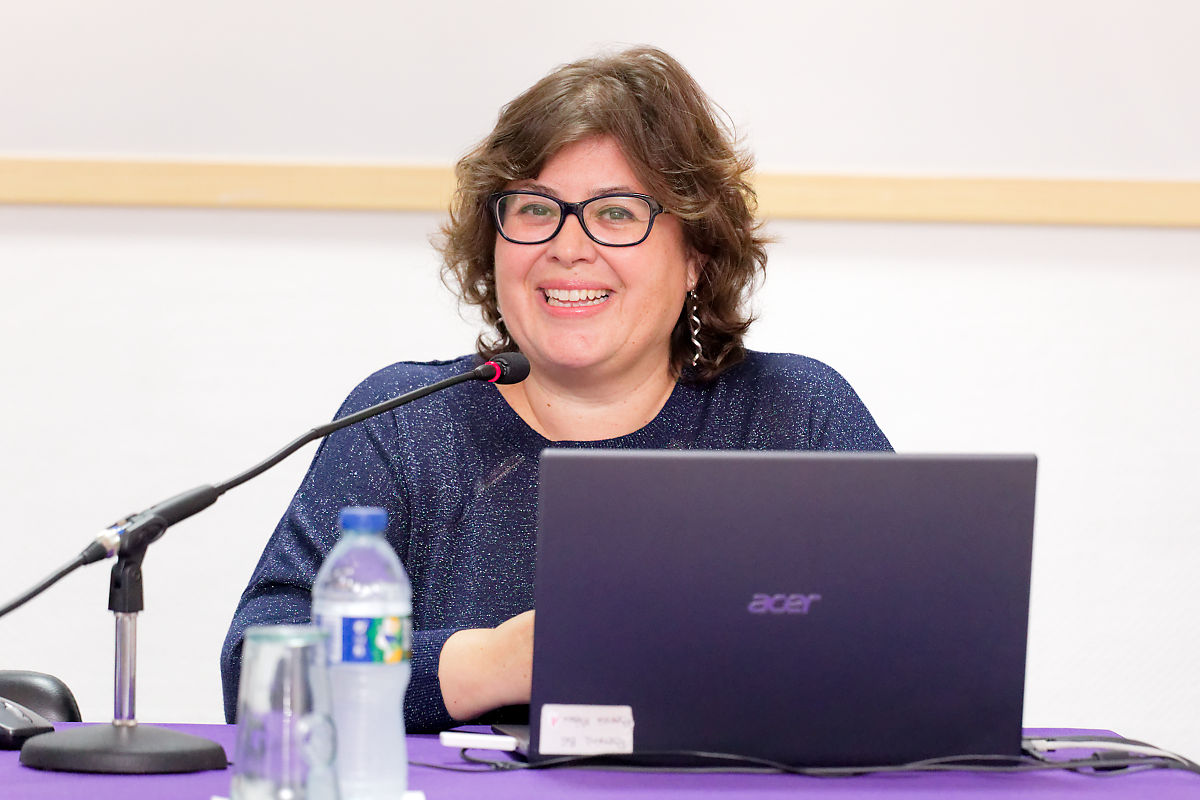
Aránzazu Calzadilla.
Finally, the tenured professor of the Department of Basic Legal Disciplines at the University of La Laguna Aránzazu Calzadilla She spoke about the legal aspects concerning women's rights in America and Europe, with an approach that was not overly legal and focused more on the major principles and ideas underlying the issue, an approach that the speaker considered more appropriate given the anthropological profile of the seminar.
She explained that, formally, equality between men and women has been achieved in many countries, but its real application is quite another thing; it is not surprising that there is a specific Sustainable Development Goal on this issue, an indicator that, despite what the codes say, reality is what it is.
Calzadilla reviewed the opinions of great Western thinkers from Socrates to Ortega y Gasset who, despite their undeniable intellectual achievements, displayed great misogyny, which has determined a sociocultural context that explains the persistence of discrimination.
She also summarized the main women's demands that the law must address, such as the elimination of poverty - which is feminized -, the end of sexual, sexist and economic violence; the abolition of prostitution, mistreatment and abuse in marriage; the right to equal education or to health research with a gender perspective, to name a few of those developed.

 Spanish
 English
 French