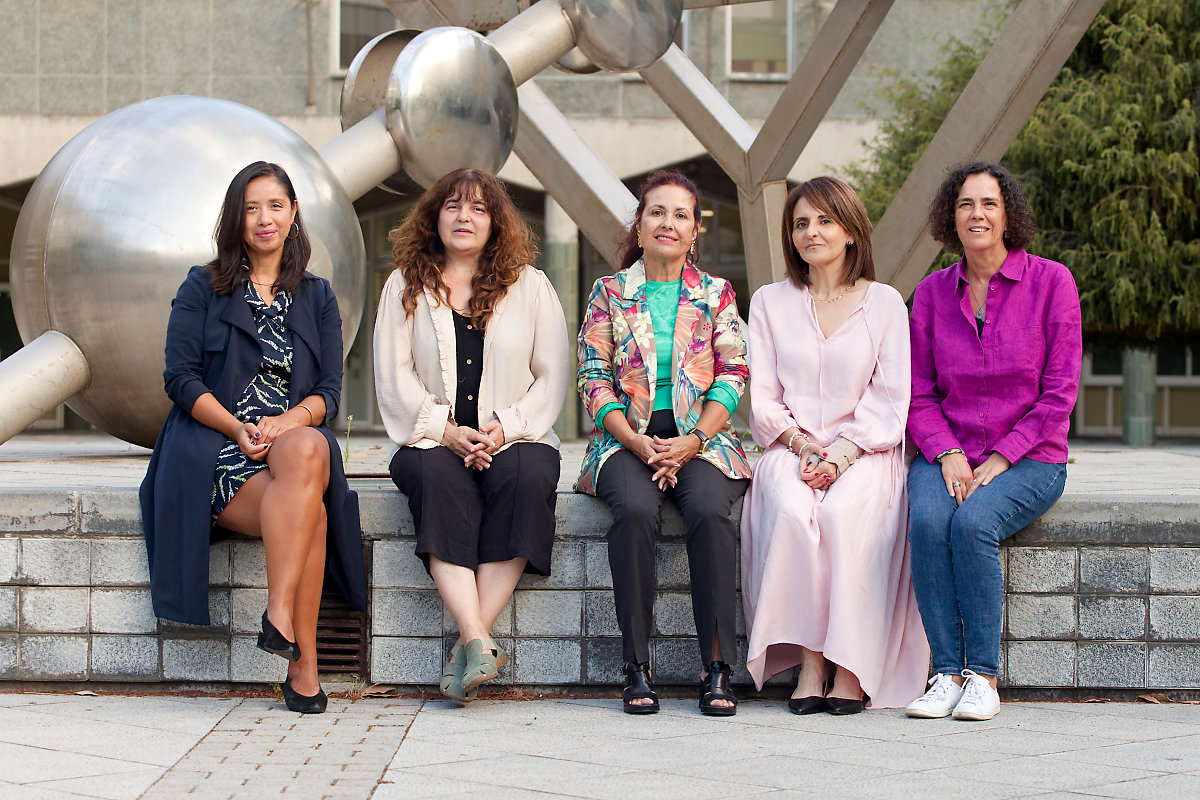
Rural women suffer triple discrimination: gender, economic, and geographic. First, as in other contexts, rural women face gender inequalities, often linked to stereotypes that associate them with domestic chores and family care. They also have limited access to land ownership and rights.
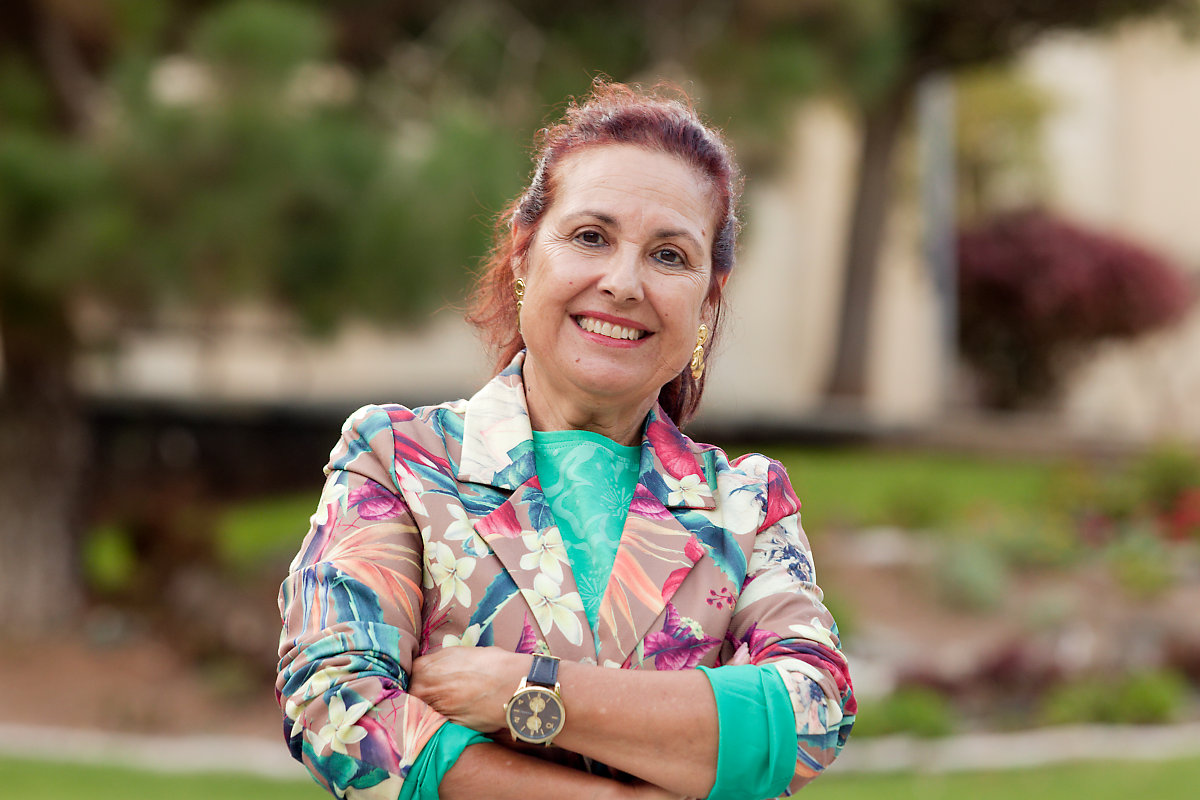
Teresa González Pérez.
Teresa González Pérez, Professor [Name], from the Department of History and Philosophy of Science, Education, and Language at the University of La Laguna, explains that, historically, rural women did not own the land or their property, even though they worked on it. It wasn't until 2011, with the approval in Spain of the Law on Shared Ownership of Agricultural Holdings, that men and women were allowed to be recognized as owners of an agricultural holding, with equal rights and obligations.
On the other hand, rural women have been relegated to precarious economic and employment situations. Activities such as agriculture, crafts, and food preparation have been predominantly performed by them. However, these jobs have not been adequately compensated or recognized as formal employment.
And finally, rural women have historically lived in areas far removed from centers of power, resources, and services. Although today most rural areas have schools and health centers, among other services, in the past many women were illiterate due to a lack of access to education. This contributed to their being perceived in urban areas as lacking cultural access because they didn't have the means to become more sophisticated, González points out. "Women in metropolitan areas have perceived rural women as ignorant," she states. However, González emphasizes that this perception stemmed from a lack of understanding of the rural world, which possesses a rich culture and traditions.
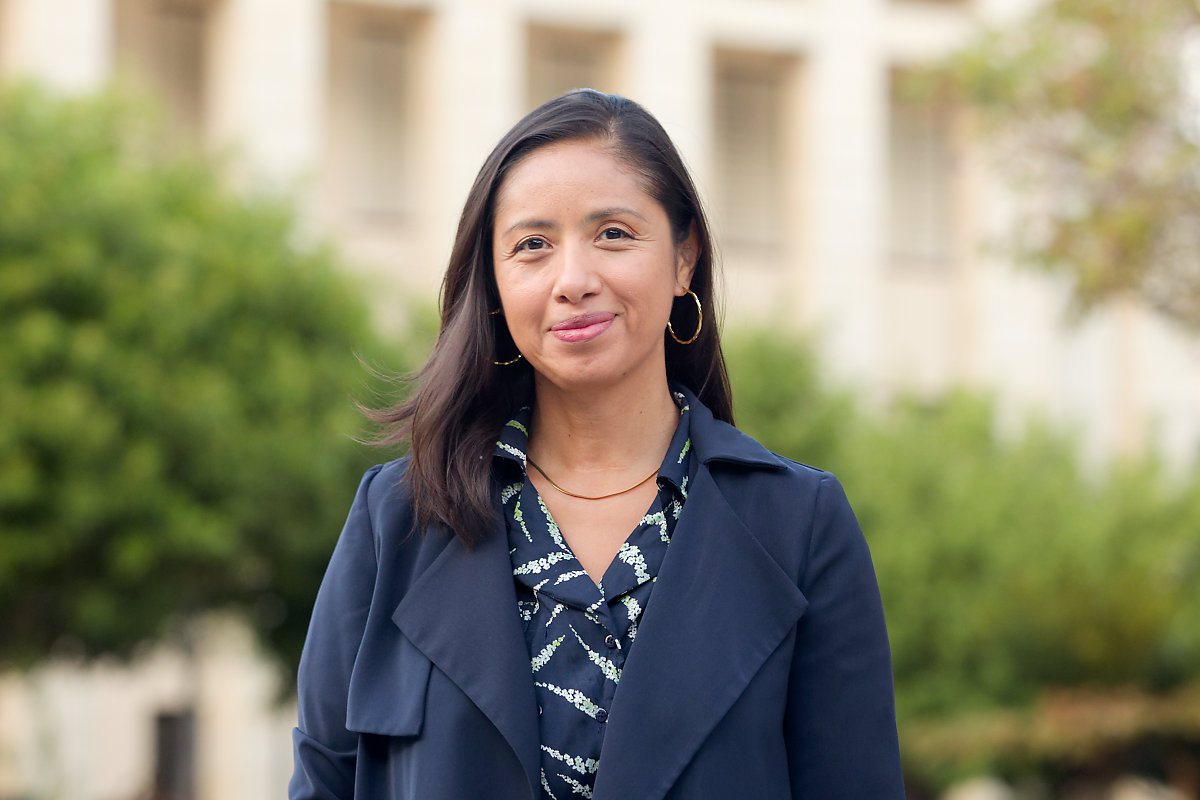
Silvia Zelaya
“These social imaginaries, which place rural women in roles linked to a lack of education or domestic tasks, have contributed to their invisibility,” she says. Silvia Zelaya Álvarez, a researcher in the Department of Sociology and Anthropology. For her part, Grecy Pérez Amores, also a researcher in the same department, adds: “It is a historical discrimination that still persists today, despite the development of regulations and scientific publications.”.
That is why October 15th is celebrated as the International Day of Rural Women, a date that seeks to recognize the contributions of women to rural areas. According to the Food and Agriculture Organization of the United Nations, women represent 43.1% of the global workforce in the primary sector. More than 7.5 million people reside in rural Spain, of whom 49.2% are women and 50.8% are men, according to a 2021 study by the Ministry of Agriculture, Fisheries and Food. Thus, women play a crucial role in the economic and environmental development of rural areas and society as a whole. At the University of La Laguna, the countryside and the role of rural women are studied from various disciplines, such as education, history, sociology, and anthropology.
Rural teachers
From an urban perspective, rural women have historically been perceived as illiterate due to their limited access to education. In this context, González has focused part of her research on rural education in Latin America and the role of rural teachers during the Francoist dictatorship in Spain. The researcher points out that Latin American countries such as Chile, Argentina, and Colombia have specialized teacher training programs for rural areas, while Spain, despite its prominent agricultural tradition, lacks this specific training. In other words, some Latin American countries have a dual system of teacher training, differentiating between urban and rural education, something that does not occur in Spain.
During the Franco regime, teacher training colleges, primarily urban, produced generations of teachers without specific preparation for rural areas. However, González clarifies: “On occasion, some curricula included an elective course on agriculture, which was usually taken by men.”.
As a result, many teachers assigned to rural schools faced significant difficulties due to their complete lack of knowledge about life in the countryside. “Although some teachers came from areas close to rural life and knew it a little better, many had hardly any contact with the countryside and taught content typical of cities,” explains González.
This created a disconnect between schooling and rural areas. Fortunately, today, rural schools are more integrated into their communities through specific projects. However, during the dictatorship, education followed a uniform pattern. For example, children in the Canary Islands were taught to read and write using the Castilian Spanish of Valladolid. González recounts that a rural teacher from that time confessed to her that drawings of black pigs had to be colored pink. In this way, the unique character of the rural areas of the Canary Islands was erased.
Rural schoolteachers, while making positive contributions to the countryside, such as teaching reading, writing, and hygiene, also perpetuated the regime's values and were monitored by inspectors who ensured they fulfilled their duties. Furthermore, priests supervised their teaching to ensure the precepts of Catholic doctrine were properly imparted. "Rural schoolteachers suffered the pressures of the time, as they had to be very careful about their clothing and lifestyle," explains González. The researcher also points out that some teachers were forced to leave their villages due to the disapproval of their neighbors, as in the case of a teacher who organized a party, which was frowned upon.
Rural schoolteachers of that era were role models: “They connected very well with rural communities, as they generally got along very well with the local population and even acted as advisors,” says González. However, many of them faced the difficulties inherent to the rural world of that time, where communication was precarious and amenities scarce. “Some had to live in old houses without electricity or running water and had to draw water from the cistern,” recounts the researcher from the Department of History and Philosophy of Science, Education, and Language. One rural teacher confessed to González that, on one occasion, she had to use an umbrella inside her house while cooking to prevent water from falling into the pan where she was frying fish.
Rural women and Adeje in the 1960s
In the Tenerife municipality of Adeje, the first company dedicated to the production and export of bananas, Fyffes, was established in the late 19th century. Alongside this company, the owners of Casa Fuerte and the Curbelo family, who also exported agricultural products, were among the first major businesses to shape Adeje's economic future. Later, starting in the 1960s, other important companies and owners arrived, such as the Machado family.
Mercedes Chinea.
In this context, many women worked in a market focused on the export of products such as bananas and tomatoes. Mercedes Chinea, a researcher in the History Department at the University of La Laguna, states that some of these workers took advantage of the resources offered by the regulatory framework of the farmers' and ranchers' guilds to demand decent working conditions. It is worth noting that these resources served to organize life in rural areas.
“The value of their claims lies in the fact that they knew how to leverage these resources to obtain a series of advantages and the recognition of rights that were already enshrined in the law,” Chinea states. In this regard, the researcher emphasizes that these women were aware that they possessed rights and that they could use these resources to claim them.
Chinea is focusing her doctoral thesis on this issue. The researcher emphasizes the importance of the Adeje City Council preserving all the documentation related to the lawsuits filed by women during that period. “It was truly fortunate to find these documents,” she confesses. In this way, Chinea intends to quantify the rural women in this particular case and assess their contribution to the family and to social development. “Rural women are rendered invisible primarily because they are not recognized in official sources,” she states.
«I find it very interesting that during the Franco regime there was an organization that addressed workers' demands,» Chinea points out. She also considers it relevant to analyze how companies responded. Although most claims went unanswered, there are some curious cases, such as that of a 65-year-old woman who worked for a banana plantation owner and was demanding her wages, believing she hadn't been paid properly. The plantation owner's response was humorous and somewhat patronizing. However, for Chinea, the biggest surprise was finding claims filed by women.
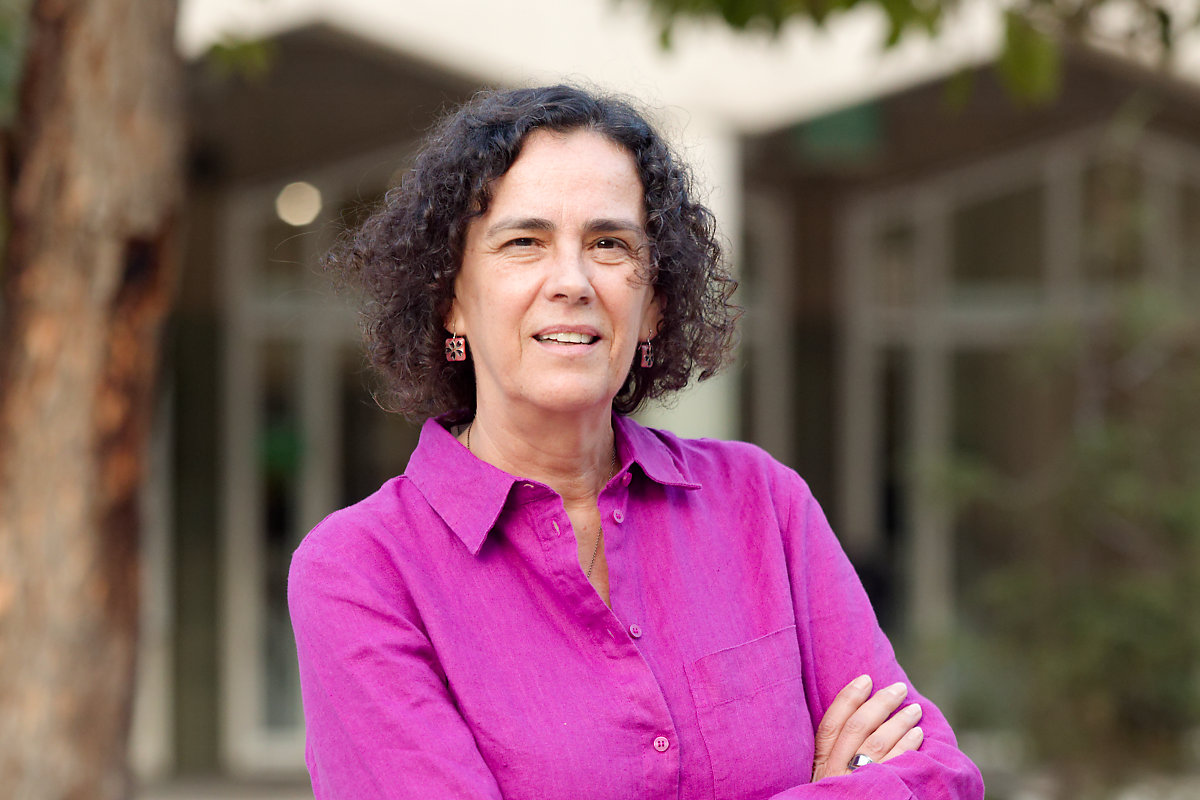
María Eugenia Monzón
“Chinea’s thesis is relevant not only because, during the Franco regime, women’s working conditions were worse compared to men’s and their social standing was lower, but also because of the response of the female workers themselves,” she points out. María Eugenia Monzón Perdomo, thesis director and researcher in the Department of Geography and History at the University of La Laguna. “They became aware that they were part of the working class and actively participated by presenting their demands,” she says.
Women: archipelago of heritage
“Women: archipelago of heritage” is a exposure The photographic exhibition, spearheaded by researchers Pérez and Zelaya in collaboration with visual artist Eilyn Amores and organized by the Periferia Creativa Acciones Culturales Cultural Association, offers a photographic journey through various landscapes of the Canary Islands. It connects women not only with different trades and traditional practices, but also with art and anthropology.
“Art is a fundamental tool for transmitting ideas to the population,” says Pérez. In this sense, Zelaya explains that the main idea of the project is to dismantle the stereotypes associated with rural women, such as lack of education or isolation. “In this way, we offer a different perspective on these women, one that seeks to highlight their diversity,” she adds.
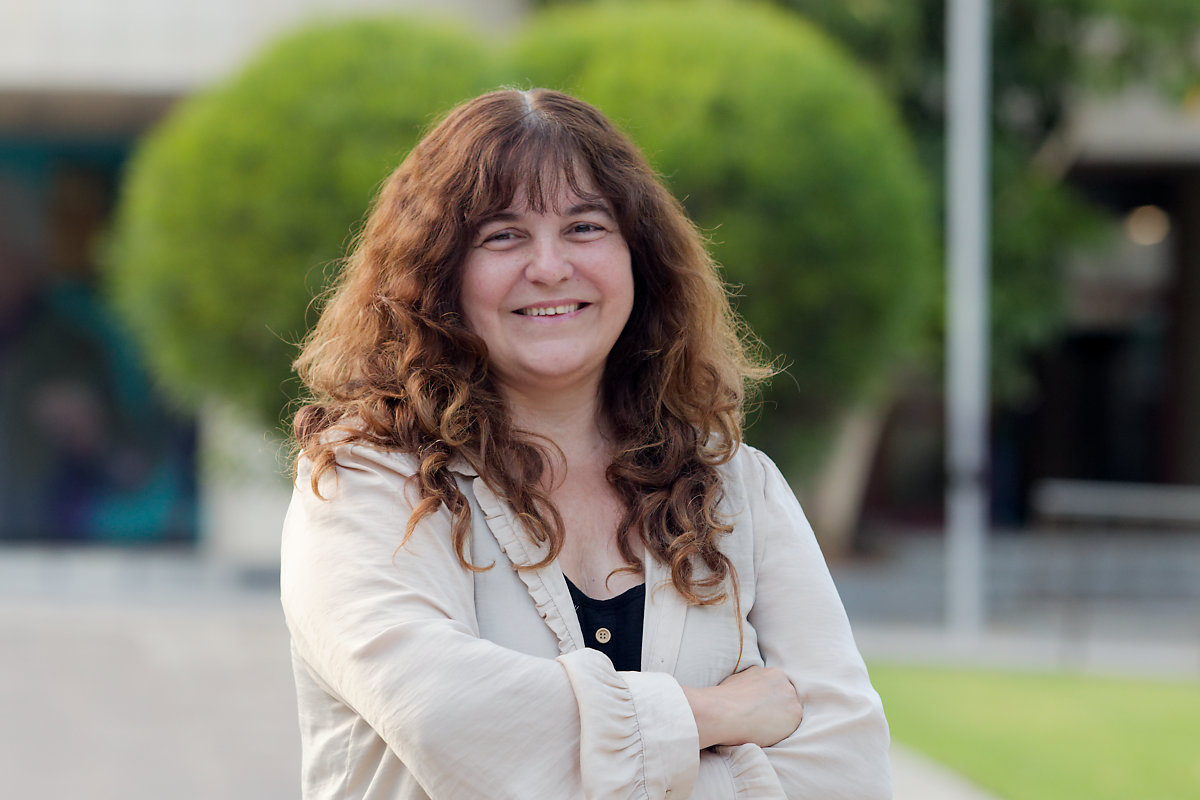
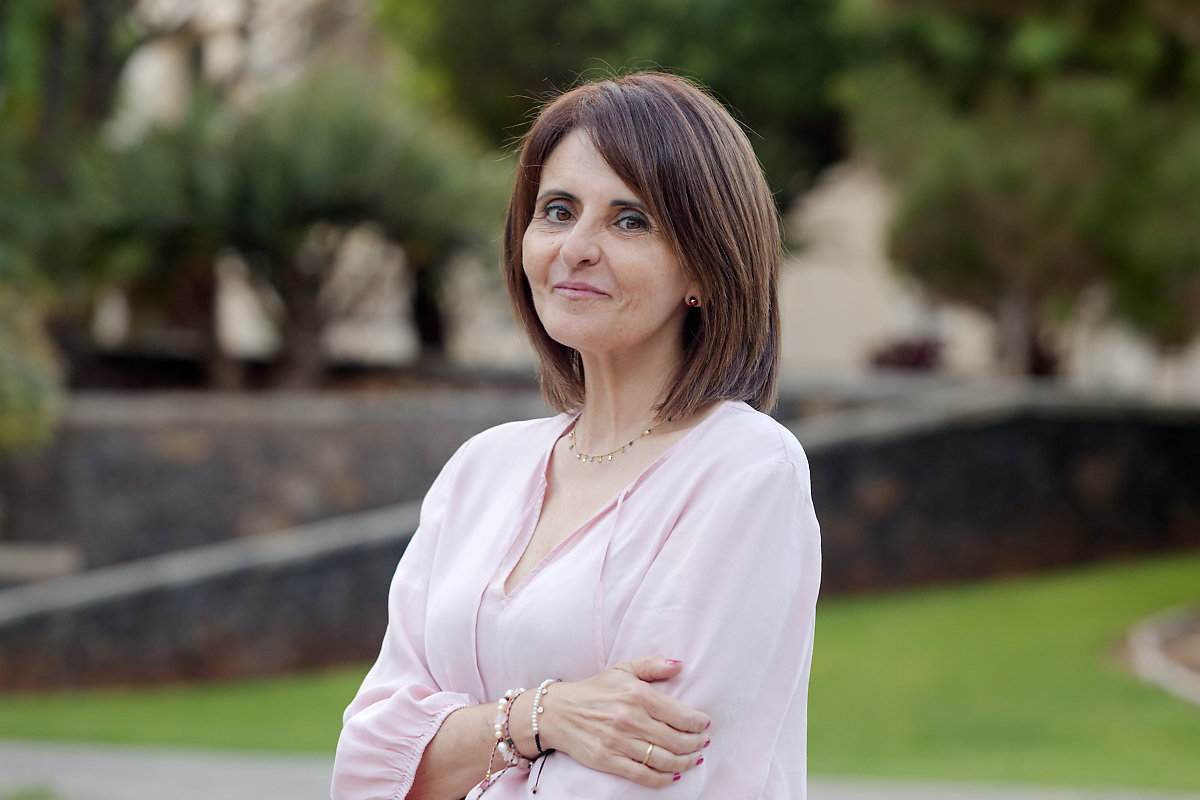
Grecy Pérez.
All the women participating in the project share a common denominator: they are university graduates who have returned to rural areas with the goal of starting their own businesses. Pérez states that some women engage in productive tasks while others pursue creative endeavors. For example, one woman works with traditional pottery. “A space was created where contemporary rural women could explain the relationship between the rural world, the arts, and society as a whole,” Pérez adds.
The issue of gender has been slow to be integrated into heritage debates, which have traditionally focused on tangible heritage. Zelaya cites Smith, a leading figure in this field, who argues that heritage is elitist, Eurocentric, Western, and masculine, which has relegated women's contributions to a secondary role. Pérez, for her part, emphasizes that intangible heritage, in which women play a significant role, has only recently begun to gain prominence.
Zelaya mentions that many of the women involved in the project lack a gender perspective. “There were even women who didn’t consider it important,” she admits. These rural women recognize themselves as such within their communities, but they don’t analyze the power dynamics between men and women.
In the case of the Canary Islands, the anthropologists highlight the complexity of separating the rural from the urban world, as it is not easy to define these boundaries without excluding women who live in environments very close to urban areas from modernity. In fact, they interviewed women who live in La Laguna and La Esperanza. Zelaya also emphasizes the specificity of the Canary Islands with respect to Guanche identity. “It is necessary to investigate further what we call rural in the Canary Islands and the elements of Guanche culture that survive,” she argues. The Canarian specificity is marked by a colonial logic that is now beginning to be dismantled, offering a decolonial perspective on the rural world, characteristic of this territory.
Measures
“The problem faced by rural women is quite complex and requires more specific study,” says González. In this regard, Pérez points out that these women need more support from the government, as they continue to suffer gender, economic, and territorial discrimination. Zelaya, for her part, emphasizes the need to implement policies that strengthen the role of rural women. However, she believes that the government often lacks the sensitivity to understand the specific needs of projects aimed at them, which can lead to the exclusion of many. As a result, aid tends to benefit women with higher levels of education or capital, leaving those without this cultural, social, and economic support neglected and without access to the resources they truly need.
“Greater commitment from public authorities, including the Women's Institute, is needed to end the cultural delegitimization of rural life,” says González. Historically, the countryside has been looked down upon by urban areas, leading to the loss of certain traditional elements and the erosion of rural identity. Pérez also points out that in the Canary Islands, we have turned our backs on rural life, despite having a significant agricultural industry that could contribute to the economic and environmental sustainability of the region.
(This report is part of the InvestigaULL Commemorations Calendar, a science outreach project promoted by the University of La Laguna).
Scientific Culture and Innovation Unit (Cienci@ULL)

 Spanish
 English
 French