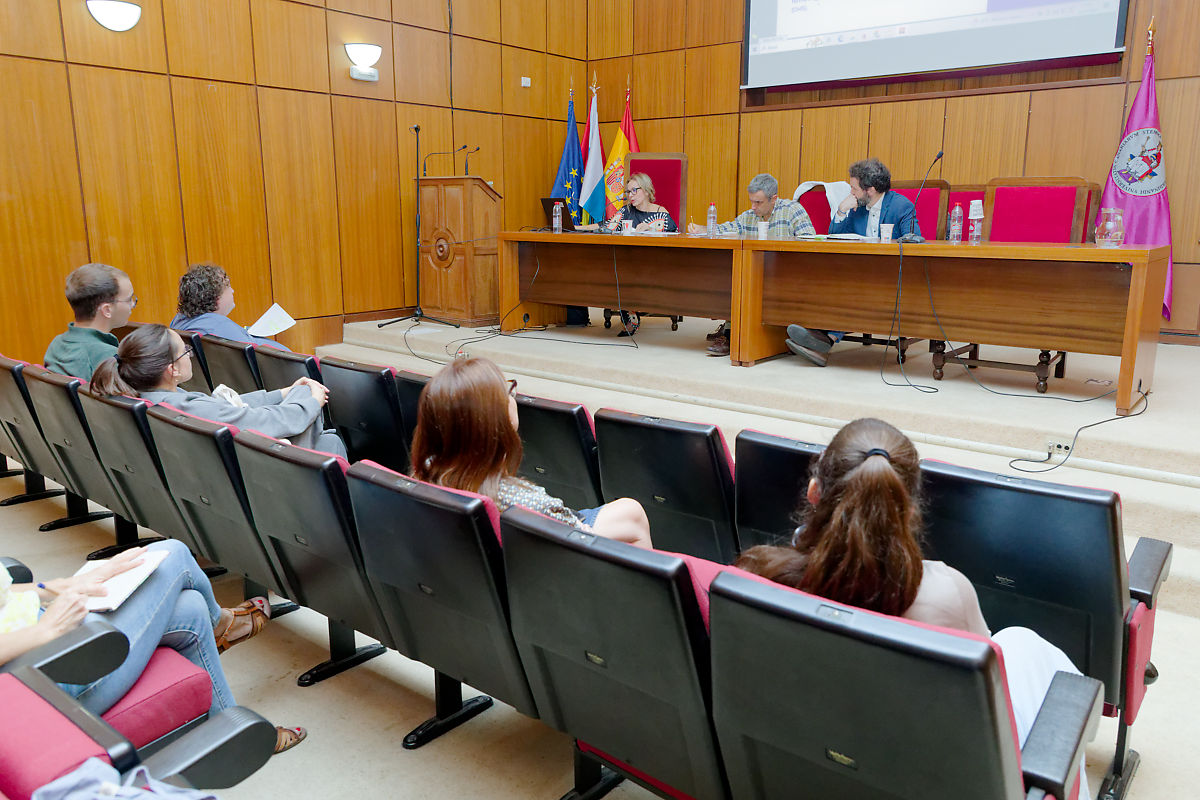
He Campus America The University of La Laguna dedicated a seminar to obstetric violence, an increasingly prevalent phenomenon that has sparked debate about its possible inclusion in the Spanish Penal Code. The event, which brought together legal experts and healthcare professionals, aimed to offer a scientific and multidisciplinary approach to this issue, analyzing the need to consider this act as a new crime, specifically targeting healthcare personnel.
He seminar ‘'Is obstetric violence a punishable act? On the need for and suitability of legal-criminal intervention' featured the participation of prominent speakers, including the director of CRIMINAL (Virtual Center for Research in Criminal Law), Juan Pablo Montiel; the contracted professor with a doctorate in Nursing Aythamy González Darias from the University of La Laguna; and the professor of Criminal Law at the same institution and coordinator of the seminar, Fernando Guanarteme Sánchez Lázaro. The specialists addressed the issue from a comparative perspective, studying both the statistical reality and the obstacles that have arisen in the process of classifying obstetric violence as a crime.
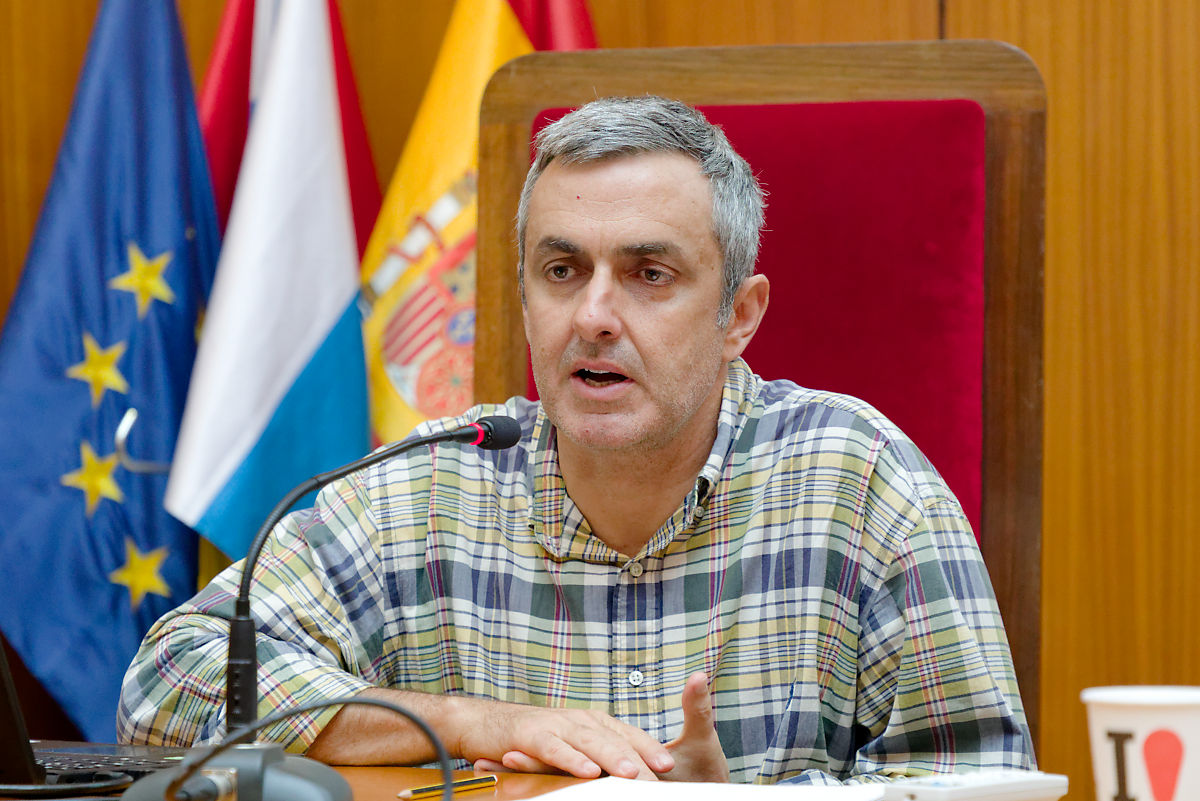
Fernando Guanarteme Sánchez Lázaro.
One of the key points of discussion was the analysis of the impact of media coverage on public perception of obstetric violence. According to experts, the issue appears and disappears from the public agenda, although calls for criminal law intervention have already been made in high-profile media outlets. However, it was emphasized that, while the media has played a significant role in raising awareness of this problem, its nature is volatile, and a deeper and more sustained debate is necessary.
It was also emphasized that obstetric violence is not solely the result of individual criminal acts, but rather a broader, structural problem. According to the speakers, the causes of this type of violence are related to a lack of resources, the poor design of healthcare settings, and outdated protocols. "It is a health policy problem, not a criminal policy problem," stated Professor Sánchez Lázaro, stressing the importance of structural intervention to improve obstetric care in hospitals.

Athamy González Darias.
Regarding protection and prevention measures, the speakers emphasized the need to implement structural improvements within the healthcare system, such as expanding resources and updating clinical protocols, as key elements for reducing the incidence of obstetric violence. They also addressed the importance of fostering a safer and more empathetic environment for women during childbirth and obstetric care, an area in which healthcare professionals play a fundamental role.

 Spanish
 English
 French