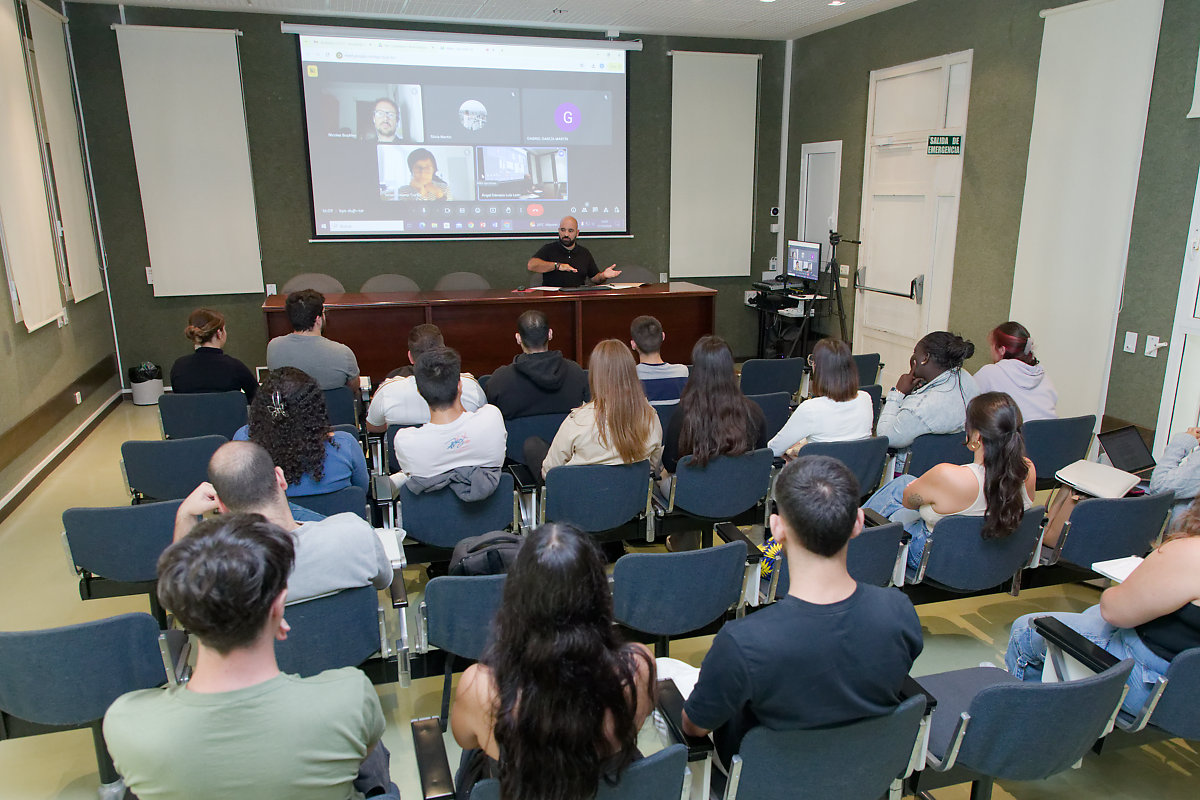
The America Campus 2024 The programming of its fourth edition continued on Thursday, October 17th with the seminar “Ecuador: an analysis of its turbulent recent history (II edition of the Cycle on the recent history of Latin America)”, which took place in the Elías Serra Ràfols Classroom of the Faculty of Humanities and was coordinated by the professor of the Department of Geography and History of the University of La Laguna Angel Damaso Luis Leon.
Three lectures introduced the university community to the work of historians dedicated to different aspects of contemporary Andean reality, emphasizing social history and dialogue. During the event, a tribute was also paid to José Manuel Castellano Gil, PhD in History from the University of La Laguna and former professor at the National University of Education, who recently passed away.
Indigenous uprisings and increased drug trafficking
The meeting began with the online presentation “Ecuador: from 'hidden paradise' to the hell of drug trafficking. A look from the history of emotions‘, Led by Associate Professor Nicolás Buckley Martín of the European University of Madrid, who addressed the development of the indigenous movement in Ecuador as a leader of social protests and its relationship with the government of former President Rafael Correa.
During his speech, Buckley explained key moments in the country's history, such as the extraction of the first barrel of oil from the Amazon and the impact of various political figures, to understand the current drug trafficking situation. "Ecuador has gone from being virtually nonexistent in the European imagination to making headlines for indigenous uprisings and becoming the cocaine hub of Latin America," he stated.
The university student movement and the feminist movement
The second lecture, also online, was given by Dr. Tatiana Salazar Cortés from the University of the Basque Country, who explained how the left-wing university student movement and the feminist movement emerged as political subjects and how this led to a change in the economic model that affected the entire population between 1968 and 1990.
In this sense, she analyzed how these individuals experienced the world and how they made sense of their experiences through language, as well as the construction of hierarchical relationships based on sexual difference in the country. “In the 1980s, some masculinist narratives emerged that questioned women's achievements in the workplace. They had to work, be mothers, be beautiful, do everything, and do it well, because the State wasn't going to support them with aid,” she added.
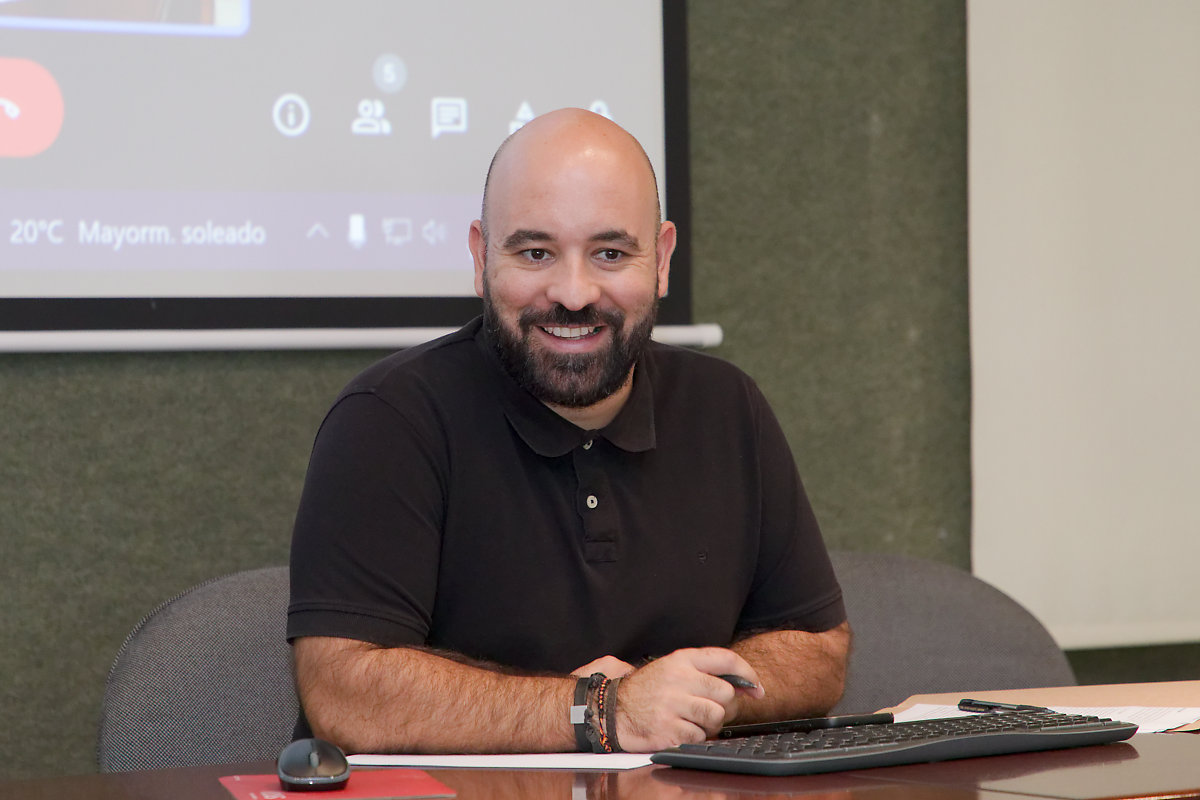
Angel Damaso Luis.
Tribute to José Manuel Castellano Gil
The event paid tribute to José Manuel Castellano Gil, PhD in History from the University of La Laguna and former professor at the National University of Education, who recently passed away, for his research and professional career. In addition, the tribute book, "Canary Islands-Cuba-Ecuador: A Tribute to the Work of José Manuel Castellano," which will be published in the coming days, was presented.
To conclude the day, Ángel Dámaso Luis León focused his presentation “The Citizen Revolution and its relations with Venezuela in the context of ALBA” on the role of Ecuador during the Citizen Revolution under the leadership of former President Rafael Correa, in the context of the Bolivarian axis of the new left in Latin America.
The professor emphasized Ecuador's integration into this alternative international projection, spearheaded by Venezuela and Cuba, and how this relationship redefined the dynamics of international relations on the continent and globally. He also addressed the conflicts that arose from this situation and the responses of various international organizations to these challenges.

 Spanish
 English
 French