
A project led by the University of Barcelona and the University of La Laguna will sequence the complete genome of the spider Dysdera curvisetae, an endemic species of the Canary archipelago whose natural habitat is the intertidal zone of the Tenerife coast. This initiative is one of the 20 projects which will be promoted by the European Reference Genome Atlas (ERGA) Consortium - the European node of the Earth BioGenome Project (EBP) - which aims to sequence reference genomes of eukaryotic organism species to improve the management and conservation of biodiversity in European territory.
He sequencing project of the genome of D. curvisetae It is led by experts Sara Guirao-Rico and Julio Rozas, from the Faculty of Biology and the Institute for Biodiversity Conservation (IRBio) of the University of Barcelona (UB), and Nuria Macías-Hernández from the research group Systematics, Biogeography and Evolution of Arthropods of the Canary Islands, of the Biology Section of the University of La Laguna.
The species Dysdera curvisetae It has only been identified so far in three widely separated locations on the island of Tenerife, "but its distribution may be more extensive. It belongs to the genus Dysdera, "This is the genus of spiders with the greatest species richness in the entire Canary archipelago. It is a genus that has diversified greatly in the islands, and more than 50 endemic species are known, meaning they are exclusive to this archipelago," explains Sara Guirao-Rico, from the Department of Genetics, Microbiology and Statistics at the University of Barcelona.
This species is found in the intertidal zone—an unusual habitat for this genus of spiders—and has had to develop specific adaptations to survive in this coastal ecosystem. For years, this has been one of the most threatened habitats in the archipelago—due to urban development, pollution, overexploitation of the coastal area, etc.—"for this reason, it would be important to assess the conservation status and the threats faced by the species that inhabit this increasingly smaller natural ecosystem," notes Guirao-Rico.
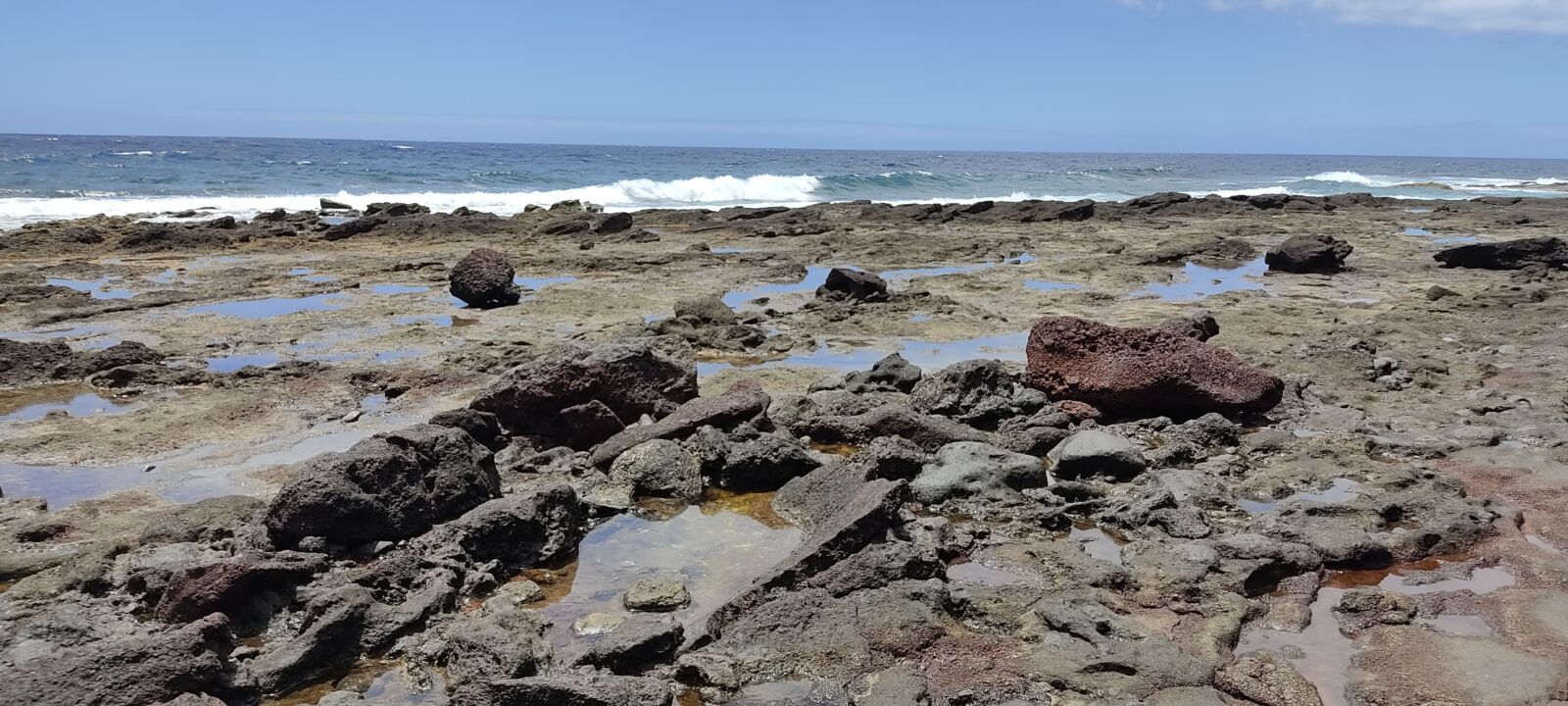
Natural habitat of the species. Photograph by Nuria Macías.
Despite the importance and diversity of spiders in natural ecosystems, little attention has been given to their conservation. "In the Canary Islands, there are no spider species included in the Canary Catalogue of Protected Species, and no species has yet been cataloged according to the criteria of the International Union for Conservation of Nature (IUCN)," explains Nuria Macías-Hernández, from the Department of Animal Biology, Soil Science and Geology at the University of La Laguna.
A model for studying evolution in archipelagos
For years, the genre Dysdera It is the subject of study by research teams from these two universities, who have promoted various lines of genomic studies to understand the processes of colonization, diversification and speciation in the Canary Islands.
With the ERGA-EBP project, which adds to previous initiatives by the team to study various species of the genus Dysdera, it will be possible to generate the reference genome of the species D. curvisetae, «"This will allow us to study the genomic basis of adaptive convergence, an evolutionary process that explains how phylogenetically unrelated species are able to develop similar characteristics due to adaptation to similar ecological niches," Guirao-Rico and Macías-Hernández explain.
«We will be able to study this evolutionary process in a new habitat, unusual for spiders of this genus, and learn how these organisms adapt to an environment particularly vulnerable to anthropogenic effects and climate change,» the researchers add. «In parallel, the project will also help to understand the genomic consequences of island colonization.».
The sequencing of the genome of Dysdera curvisetae This will generate a new genomic resource that will be crucial for predicting how factors such as coastal degradation and climate change may affect these organisms and assessing their adaptive potential to cope with all these changes. "This resource will allow us to develop effective strategies to improve conservation
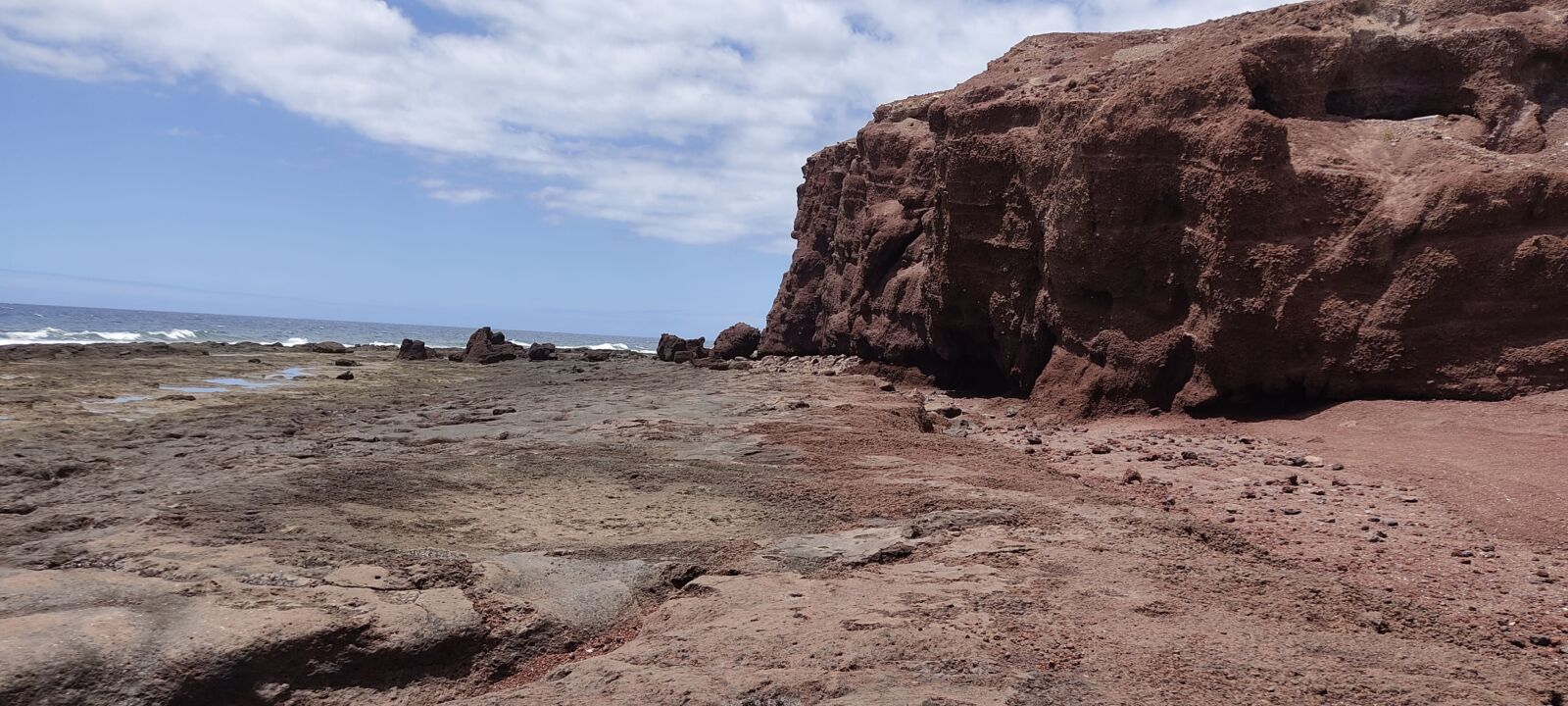
Natural habitat of the Canary Islands. Nuria Macías.
"of this species," notes Professor Julio Rozas, who is also a member of the Bioinformatics Barcelona platform.
The project will raise awareness of this species and its entire ecosystem, "and will also make it easier for Dysdera curvisetae "It can act as an umbrella species for the conservation of the other species that inhabit this coastal ecosystem," Rozas says.
This initiative is one of the projects framed within the global action ERGA-BGE Enhancing Biodiversity Genomics Applications for Ongoing Case Studies, which aims to enhance collaboration between institutions to boost the production of reference genomes and expand the use of genomic data to protect biodiversity within the European framework.
In the ERGA-BGE project group, various scientific teams from 33 countries will join forces to generate high-quality genomes that serve as benchmarks for biodiversity conservation or that allow us to determine how selected species contribute to the global improvement of the natural environment, health, or the bioeconomy.

 Spanish
 English
 French