There are people who suffer twice from their illness. The first, obviously, is related to their physical health. The second, no less important, is the stigma it entails. These are people who are both physically and socially ill, and they have to fight their condition from within and without. Fortunately, they are not alone. Medicine has long known that by addressing the first issue, we help alleviate the second. Since it is very difficult to find a cure for our looks or gestures of rejection, medicine has taken up the task.
This is something those who suffer from psoriasis know all too well. This skin disease often forces patients to wear layers of clothing to conceal their scaly lesions. Even though sunlight improves their symptoms, they still prefer to hide it. While not a rare disease, affecting 21% of the world's population, it remains a little-known condition, hidden from most people. Perhaps this is why it is still believed to be contagious, even though it is not.
In 2004, several psoriasis patient associations came together to create a committee to promote the establishment of a world day to raise awareness of their condition. Finally, after much work, October 29th was established as World Psoriasis Day. The International Federation of Psoriasis Associations The International Federation of Psoriasis Associations (IFPA) established this day to inform and raise awareness about the psychological and physical effects suffered by people with psoriasis or psoriatic arthritis. This year's theme is "Psoriatic Disease and the Family.".
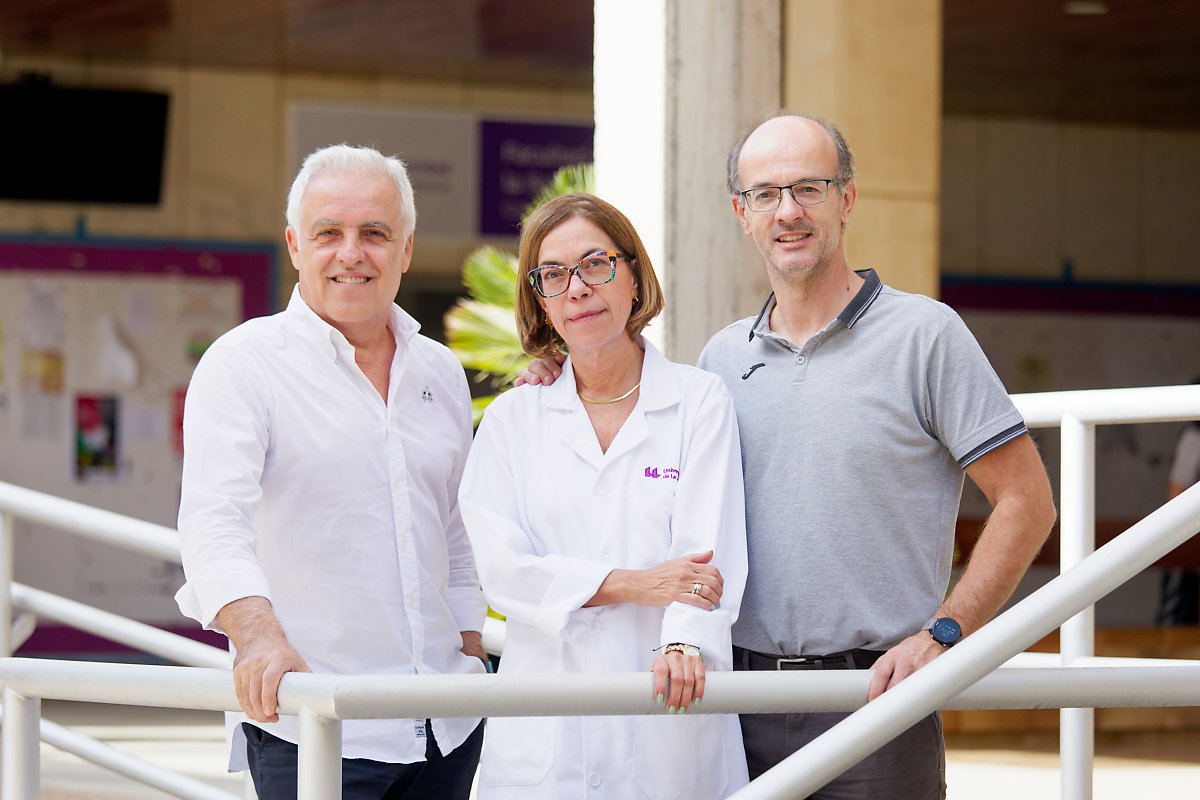
At the University of La Laguna, several researchers are working on this pathology, approaching it from different fields. These include dermatology and rheumatology, as there is a type of arthritis linked to psoriasis. Marta García Bustinduy She is a tenured professor in the Department of Internal Medicine, Dermatology, and Psychiatry at the University of La Laguna. She is meeting with us at the Faculty of Medicine, as a significant part of her research career has focused on the study and treatment of this disease.
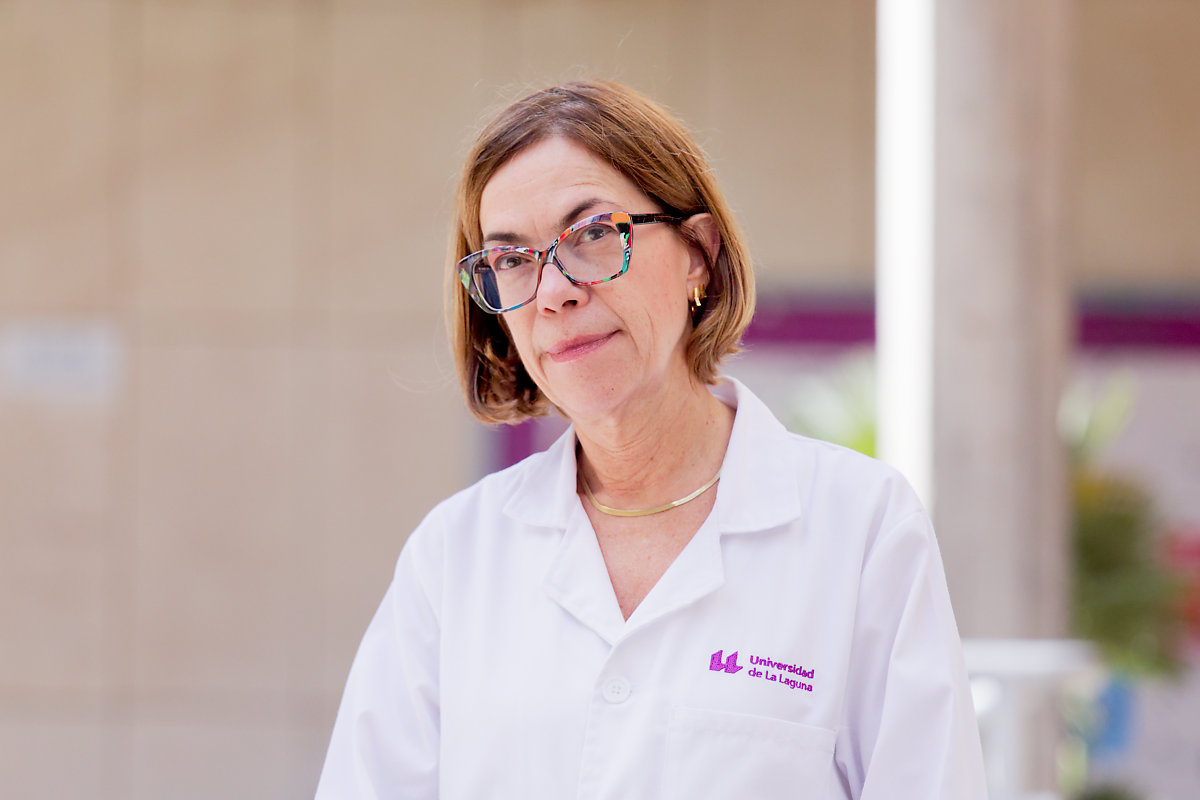
Marta García Bustinduy.
What is psoriasis?
Psoriasis is an inflammatory disease. Classically, it was considered solely a skin condition, and it was said to affect the joints in 30% of cases, but that was the extent of its involvement. However, "for some years now, we have considered it a systemic inflammatory disease because it is associated with other diseases that have a similar immunological profile." Therefore, it's not just arthritis; it is also associated with inflammatory bowel diseases, eye inflammation, and a significant cardiovascular risk. Those with more severe psoriasis have a higher risk of developing hypertension, dyslipidemia, and diabetes, and studies confirm that the life expectancy of patients with severe cutaneous psoriasis is shorter.
This more holistic view of the disease has revealed a connection to other health conditions. “Before, we thought it was just a skin disease, but now we understand its relationship with many other areas.” This new approach, which broadens the focus of attention, is yielding very positive results, increasing the quality and life expectancy for psoriasis patients as well. “For example, rheumatologists began treating rheumatoid arthritis with drugs called tumor necrosis factor-alpha blockers, which are immune mediators, and noticed that they also worked for psoriatic arthritis and psoriasis. Then it was discovered that these mediators also worked in inflammatory bowel diseases. We realized that patients with one of these diseases often present with others more frequently.”.
In dermatology, people with psoriasis may also have other immune-mediated skin conditions such as vitiligo or alopecia areata, or even inflammatory bowel diseases. Marta García often tells these patients that they are more likely to develop other illnesses. And although psoriasis isn't exactly an autoimmune disease, it is treated by blocking certain elements of the immune system. "We don't cure psoriasis, but we can control it with immune system blockers," and patients can be lesion-free while receiving treatment. The researcher acknowledges that this is life-changing, as it remains a disease that generates stigma. Even today, many people believe it is contagious and avoid touching these patients. And this is despite the fact that it is not a rare disease. In Spain, the most recent data indicates a prevalence of 2.31%. Worldwide, it is estimated to affect between 0.31% and 111% of the population, depending on the region. In the Canary Islands, there are no specific studies, but it is estimated that we are around 2-3%, as in many other areas.
It so happens that sunlight is beneficial for psoriasis in moderate doses—dermatologists advise it—but their patients often feel isolated. At the beach, some people avoid lying next to them. “Furthermore, these patients experience itching and pain, which can lead to problems at work and low self-esteem.” Psoriasis usually appears in visible areas, so, as we are told, patients are forced to wear long clothing in the middle of summer to cover the lesions.
Psoriasis typically presents in flare-ups, flare-ups that depend on both the disease itself and triggering factors, which can include infections, certain medications, or stress, among others. García Bustinduy acknowledges that patients live with this uncertainty, as they never know when a flare-up will occur. Therapy aims to prevent flare-ups and keep the disease under control. When the treatment works and the patient remains "clear," "we don't always know if it's an effect of the medication or simply due to the natural progression of the disease.".
Treatments and mental health
Medicine has been working for many years to help psoriasis patients and prevent these lesions, which have such a significant psychological impact. Currently, depending on the severity and extent of the disease, treatment options include effective topical therapies or, in more severe cases, systemic and biologic therapies. “Classic systemic treatments, such as methotrexate or cyclosporine, are effective, but they have significant side effects. Biologic therapies, on the other hand, are more targeted, attacking specific targets of the immune system, and therefore have fewer side effects and, in many cases, allow the patient to remain clear for months.«.
Psoriasis is a visible disease, and that leads to social exclusion. Dermatologists are increasingly aware of this dual impact, both physiological and mental. That's why there's a special approach to psychodermatology. “In the Spanish Academy of Dermatology and Venereology, For example, there is a specific group dedicated to addressing these issues. When assessing the severity of psoriasis, we consider the patient's physical condition, quality of life, and levels of anxiety and depression. The reality is that the disease profoundly affects mental health. If a patient experiences high levels of stress or depression, this can worsen the psoriasis, and vice versa. Therefore, dermatologists recommend psychological counseling and tools such as support groups or relaxation techniques.
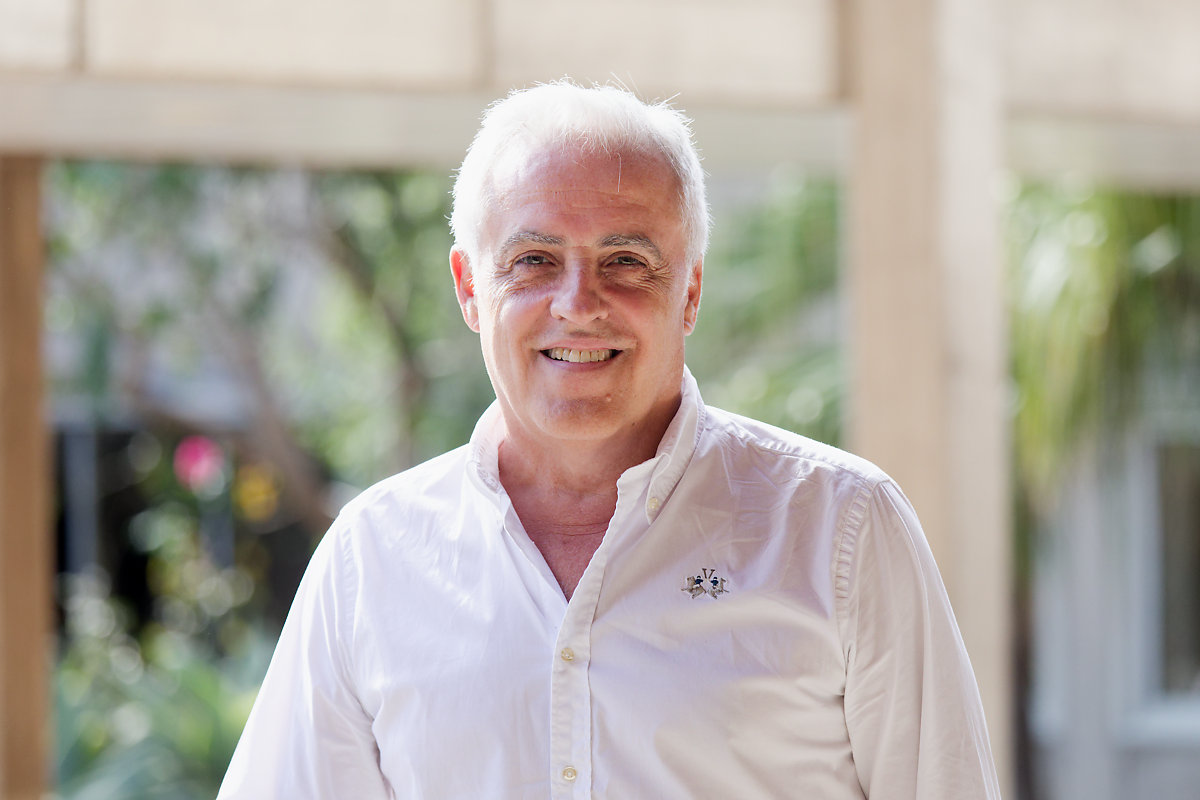
Federico Díaz González.
Psoriatic arthritis
0.51% of the population suffers from psoriatic arthropathy or psoriatic arthritis. This is a variant of the condition that may or may not affect patients with psoriasis. [The following sentence appears to be unrelated and possibly from a different source:] This field of work Federico Díaz González, Professor Dr. [Name], from the Department of Internal Medicine, Dermatology, and Psychiatry at the University of La Laguna, explains that approximately 5 to 6% has psoriasis. This means that many patients with psoriasis do not necessarily develop the disease, and vice versa; some patients who meet the clinical criteria, such as a 10%, may not have psoriasis at that time. Many develop it over time, but there may be a group that has a predisposition without being directly affected. This disease has a significant challenge. “It is not diagnosed with laboratory tests; it is diagnosed by clinical criteria, that is, a series of clinical characteristics that allow the patient to be classified within this condition.” The main symptoms of this disease are joint problems, such as arthritis, which has several forms of presentation. The most common is peripheral arthritis that affects the hands and feet, although there are also forms that affect the knees and ankles, where the joints become inflamed and cause pain.
And can it be cured? The professor is emphatic in his response to this question. “No. These are rheumatic diseases, and we don't know their etiology, so the goal of treatment isn't a cure. There's a genetic component that, along with an unknown environmental factor, contributes to its development.” However, there are pharmacological treatments that work, the most common being methotrexate, a potent anti-inflammatory that works well in most cases. “When it's ineffective, we resort to biologic drugs. These aren't a magic bullet; around 10 to 15% of patients don't respond well, but the rest, about 85%, clearly benefit from biologic treatment.” As with diseases like Crohn's disease or multiple sclerosis, these diseases progress in flare-ups. There are periods of activity and others in which the disease subsides. Some people may have a single flare-up and be well for a long time, while others have frequent flare-ups and end up with progressive disability because their joints don't function properly. This can lead to early osteoarthritis, limit daily activities, and even cause work disability.
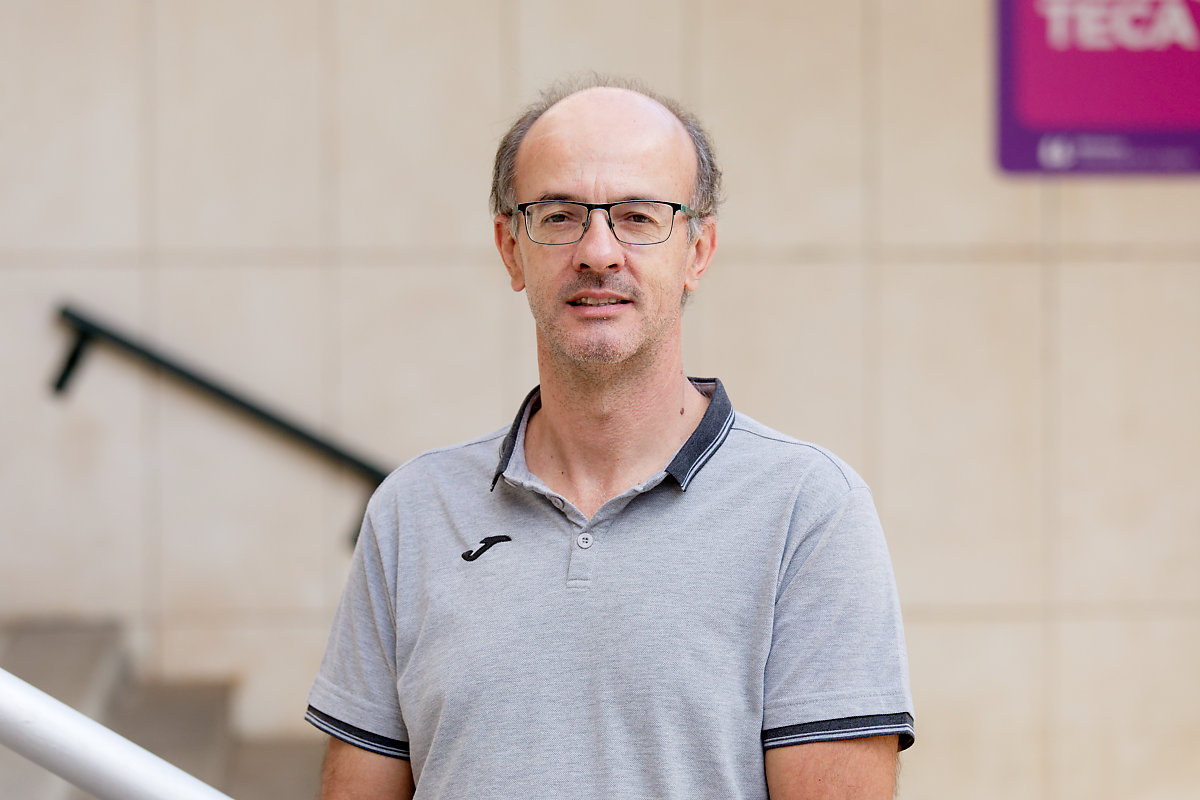
Enrique Francisco González Dávila.
And then mathematics comes into play.
Modern science draws on many areas of knowledge. It's very common to find specialists in chemistry, physics, economics, pharmacy, computer science, or mathematics among the teams of medical research groups. In one of these studies on psoriatic arthritis, one of these specialists contributes their statistical expertise. Enrique Francisco González Dávila, tenured professor in the Department of Mathematics, Statistics and Operations Research at the University of La Laguna.
Both researchers are working to measure the effectiveness of drugs that treat this type of osteoarthritis in real-world settings. “In clinical trials, patients are usually very well controlled and without comorbidities, whereas in real-world practice, many patients have other conditions, such as diabetes or hypertension.” These real-world studies allow researchers to observe the drug's performance in patients with diverse characteristics. “This helps us analyze who responds well to the treatment, what problems arise, and whether it is truly effective.”.
In these types of studies, the mathematician is responsible for determining the sample size and analyzing the data, applying statistical tools such as survival analysis or longitudinal models to fit the data. “In the case of imaging studies, machine learning and deep learning also play an important role in detecting specific types of psoriasis and helping to prioritize urgent cases.« These are mathematicians who know a great deal about medicine. He acknowledges that a good biostatistician must understand the research topic, reading medical articles and the specific methodology of the disease in question because, without that context, »it is difficult to contribute valuable information.” On the other hand, physicians recognize this contribution as fundamental at this time. For Díaz González, “modern medicine cannot be understood without proper statistical analysis. Mathematicians transform numbers into useful information, allowing us to reach clear conclusions about the effectiveness of treatments.”.
(This report is an initiative framed within the InvestigaULL Commemorations Calendar, a scientific dissemination project promoted by the University of La Laguna).
Scientific Culture and Innovation Unit (Cienci@ULL)

 Spanish
 English
 French