“Drinking sodium chlorite solutions prevents and cures diseases” is an example of a pseudoscientific claim that spreads rapidly on social media and the internet, and which can endanger people's health and well-being. It is time for science communication to play its part in the fight against misinformation and falsehoods. fake news.
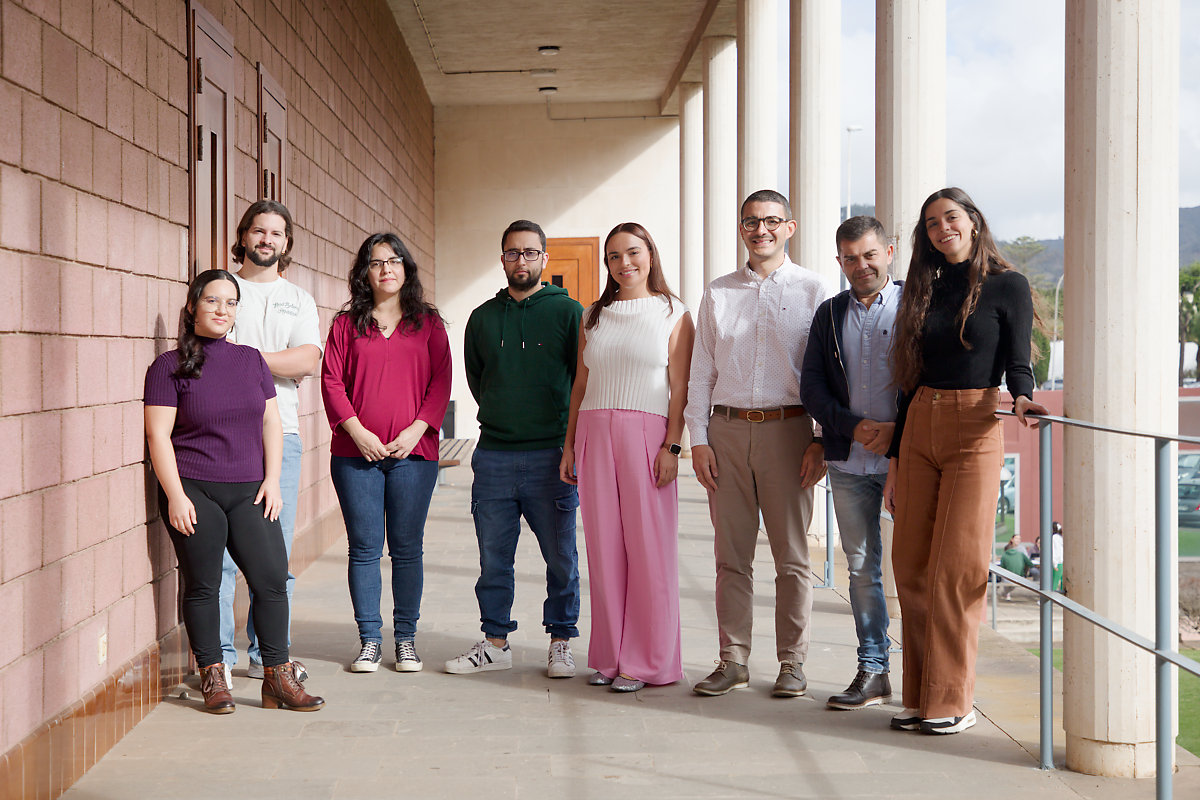
The University of La Laguna, through the Scientific Culture and Innovation Unit, Cienci@ULL, organizes a science outreach competition. This competition aims to showcase the research being conducted in the Canary Islands through informative videos of less than five minutes. It is open to doctoral students from the region's two public universities, as well as young researchers from R&D centers in the Canary Islands.
This year the competition celebrated its twelfth edition, with 19 interesting entries: six in the field of Science and Society, one in Science and Technology, two in Energy, Biodiversity and Environment, eight in Biomedicine and Health, and two in Arts and Humanities. The project is supported by the Canary Islands Agency for Research, Innovation and the Information Society, Cajasiete, and the Cepsa Foundation.
Science and Society
Globalization brings new opportunities and demands specific skills. In the Canary Islands, for example, where diverse cultures coexist, learning connects with the world and is no longer confined to the classroom. Speaking other languages, understanding cultures, and using technology are key competencies. Learning means being part of this global village.
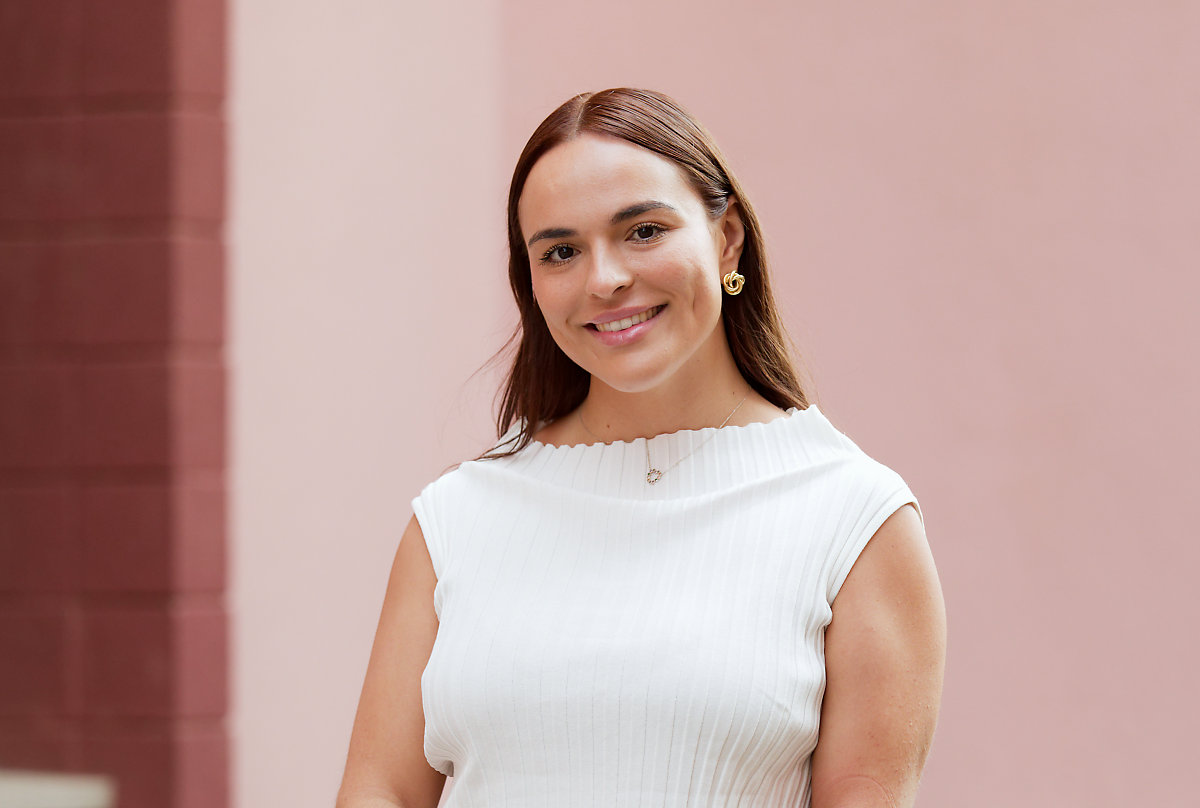
Daniella Garcia.
Daniella García, an education researcher, has received the first prize in this competition with her video “Learning through play is indeed possible.” In it, he explains his study on specific teaching methodologies, focusing on CLIL (Content and Language Integrated Learning), an approach that prepares students to face the global reality. This method integrates content, communication, cognition, and culture.
Furthermore, gamification improves student motivation and engagement. By combining CLIL and gamification, García has created a escape room A digital project using Genially for 5th grade students, where they practice English while learning about healthy habits and sustainability. This helps them acquire key skills such as critical thinking, collaboration, technology use, and cultural understanding.
Rubén Lijo, an electrical engineer, has won second prize in the competition for his video., “Innovation in the classroom: enhance your teaching with educational videos”. Lijo points out that teaching STEM disciplines (science, technology, engineering and mathematics) is a challenge due to their complexity, as they are often taught without highlighting their connections, which contributes to their perception as difficult and to high dropout rates.
The doctoral candidate argues that science outreach videos help overcome these barriers. Animations facilitate the understanding of abstract concepts and allow viewers to pause and replay the content as many times as needed. This methodology is based on the cognitive theory of multimedia learning, which states that combining words and images improves learning.
Since 2017, Lijo has been publishing videos on his YouTube channel, “Just go with the flow”. As a result of the Covid-19 pandemic, he began to adapt his videos to the educational curriculum, increasing the use of animations to better capture students' attention and understanding.
Her thesis was developed in three phases. In the pre-experimental phase, the educational perception of her channel was evaluated. In the integration phase, she collaborated with the Polytechnic University of Catalonia to incorporate videos on electromagnetism and three-phase systems into the Electrical Engineering degree program (2019-2021). And in the comparative evaluation phase, she analyzed the performance of the videos over six years, concluding that dual-use videos are more effective than purely educational ones.
“Repetitive activities during childhood can modify the brain and influence who we are,” says researcher Ángel Pérez. Therefore, Cecilia Verónica Becerra, a researcher in the area
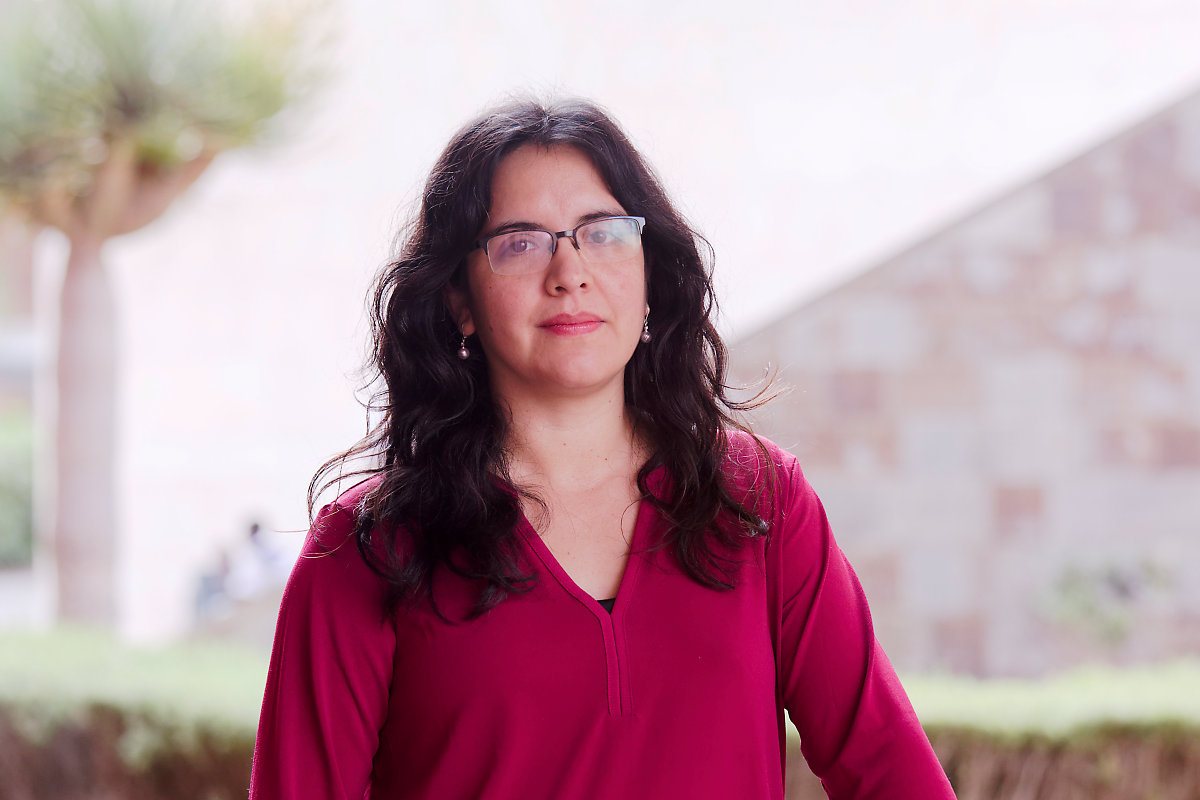
Cecilia Verónica Becerra.
of Didactics and School Organization, focused her thesis on the consumption of digital educational resources and the technological habits of children aged 3 to 6 in the Canary Islands. Their findings suggest that many educational games and apps could be improved to be more accessible to children with learning difficulties, better represent diversity, and adapt to their visual and technological needs. Furthermore, they recommend that an adult accompany children while they use screens. Becerra emphasizes that technology, when used occasionally, can be a suitable learning tool, provided it encourages movement, curiosity, communication, and artistic and creative expression.
The collapse of a textile factory in Bangladesh in 2013 and the Prestige oil spill in 2002 raise questions about justice. They question who should bear responsibility and how restorative justice can be achieved for the communities and ecosystems affected by these disasters.
A group of legal researchers, consisting of Andrea Martín, Ana Afonso, Eduardo Pimentel, Joaquín Simond González and Giovanni Fonte, is developing the project “Environmental, social and economic sustainability of justice: challenges of the 2030 Agenda. The objective is to promote political and legislative measures that foster the sustainability of the judicial system, addressing chronic questions and problems that weaken it. Concrete proposals are put forward to tackle social problems and alternative crisis management models. Furthermore, the project envisions knowledge transfer to organizations such as the Public Prosecutor's Office of the Canary Islands, the Santa Cruz de Tenerife Bar Association, and third-sector entities. The project aims to rescue a world in SOS and make it sustainable.
Melany León, Ivan Padrón y Rosario Marrero, Researchers in the area of Personality, Assessment and Psychological Treatments have presented the video, “Behavioral addictions and substance addictions: are they really different or similar?”. Their research compares behavioral and substance addictions, examining variables such as depression, anxiety, and stress, and measuring brain activity using electroencephalography in cases of addiction to social media, video games, and cannabis. The data obtained aim to improve the understanding of brain alterations and associated psychosocial factors, optimizing assessment, diagnosis, and intervention in these cases.
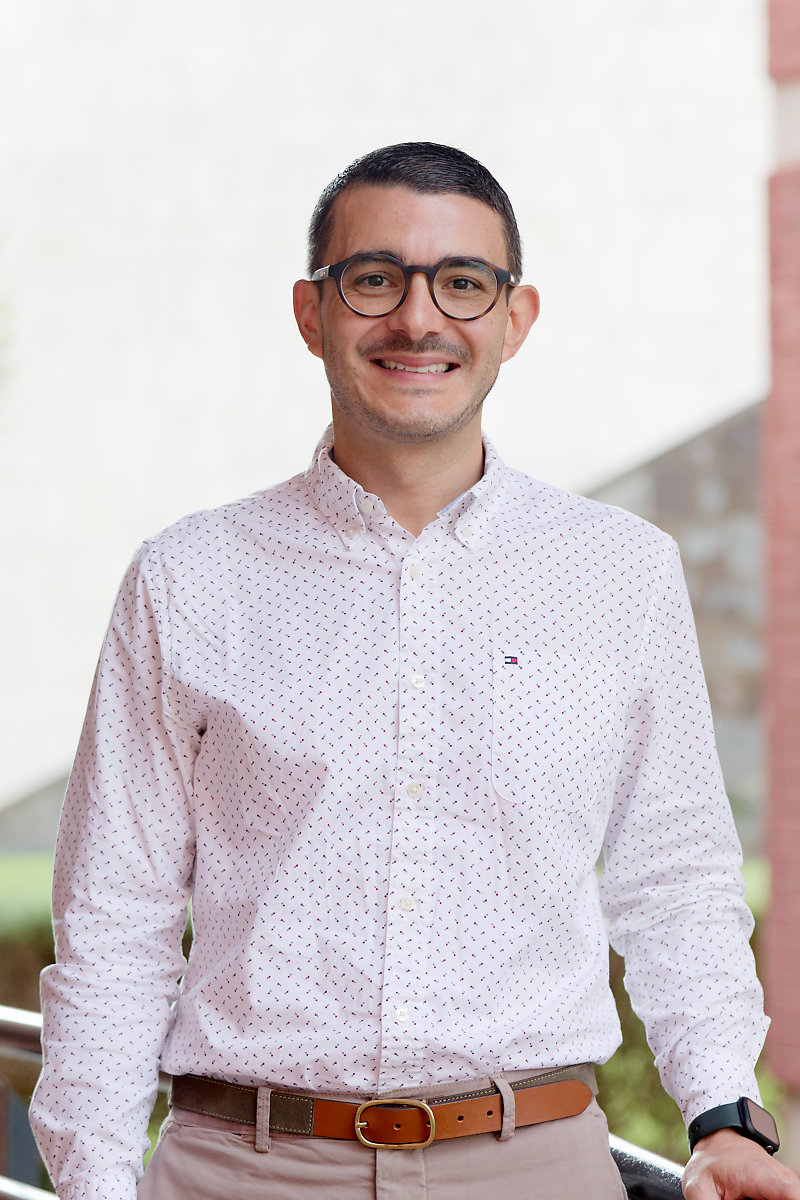
Daniel Martinez.
What is it like? grief that men experience What happens after the death of a loved one? Daniel Martínez-Esquivel focuses his thesis on the meanings behind the bonds men maintain after the loss of a family member or friend. Grief is a human adaptive response that triggers physical, psychological, and behavioral manifestations. Although people can construct meaning from their personal history, the loss of a loved one disrupts both individual and collective existence.
Grief is an interdependent, communicative, and interpretive process whose purpose is to reconstruct the meanings of self, others, and the world. This project is innovative because it focuses specifically on improving the well-being and health of grieving men.
Science and Technology
Daniel Escánez, researcher of the research group of Cryptology, has created the video titled “From Bits to Qubits: The quantum revolution explained”. In his thesis, the computer engineer focused on quantum computing, exploring its implications for computer science and its applications in cryptography and artificial intelligence. In the video, Escánez explains fundamental concepts of quantum computing, such as superposition and entanglement.
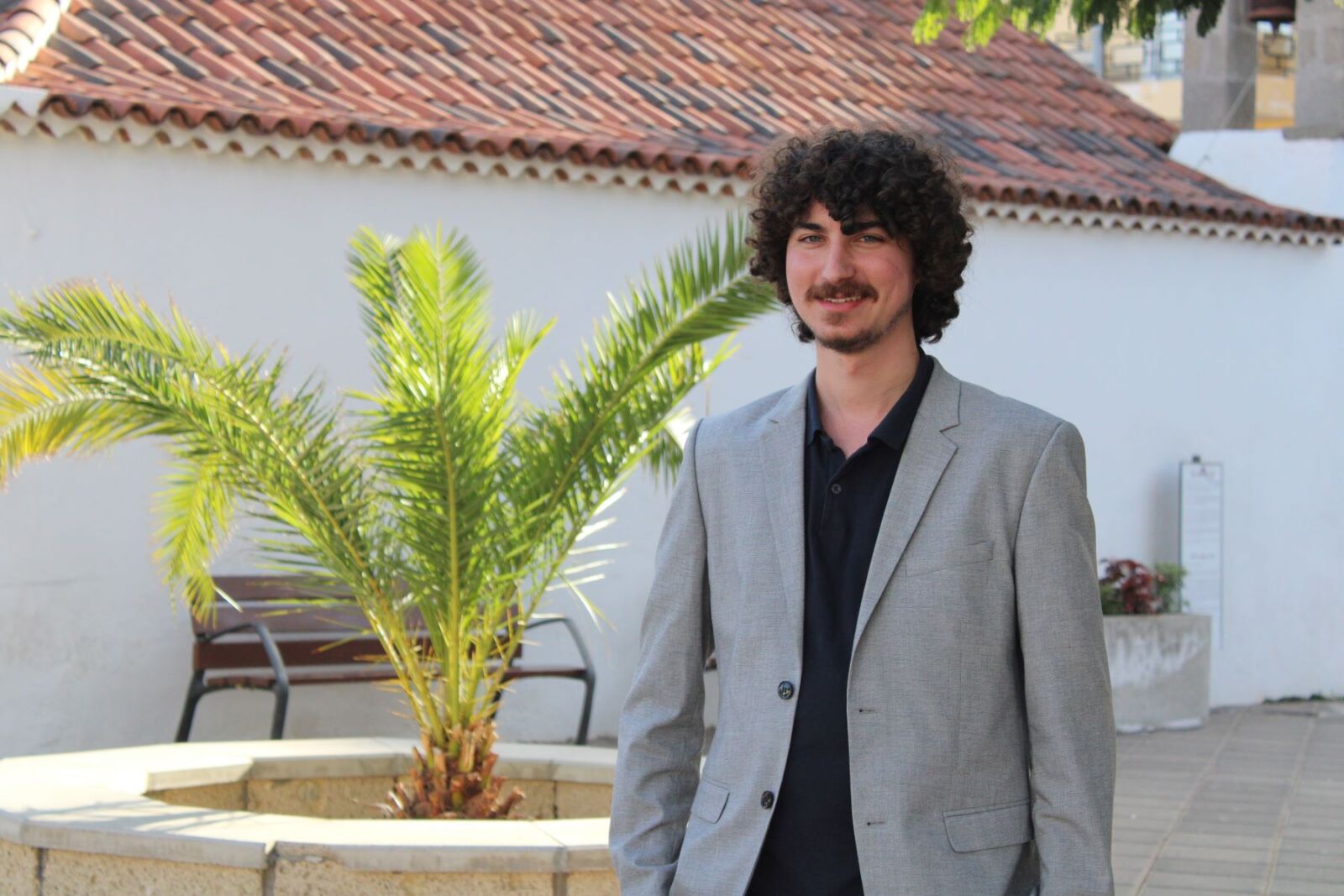
Daniel Escánez.
quantum.
These properties, if used correctly and combined with concepts from traditional computer science, allow the design of complex algorithms capable of solving problems that would be intractable for the classical paradigm. This is achieved, among other things, by changing the smallest unit of information: while a bit can be in state 0 or 1, a qubit can be in both states simultaneously and interact with other qubits.
Energy, Biodiversity and Environment
Daniel Fariña, a mechanical engineer, stands out in his video The great geothermal potential of the Canary Islands, especially Tenerife and La Palma, is discussed. The operation of a binary cycle geothermal plant is explained, a technology particularly well-suited to harnessing medium-temperature geothermal resources, such as those found in this region.
In this type of plant, geothermal energy is obtained from a hot fluid known as brine. This fluid passes through various pieces of equipment that extract its heat to generate electricity. The process is divided into several stages: heat extraction and transfer, preheating and evaporation of the working fluid, electricity generation, condensation and cycle restart, and recirculation of the brine back to its geothermal reservoir, ensuring the sustainability of the resource.
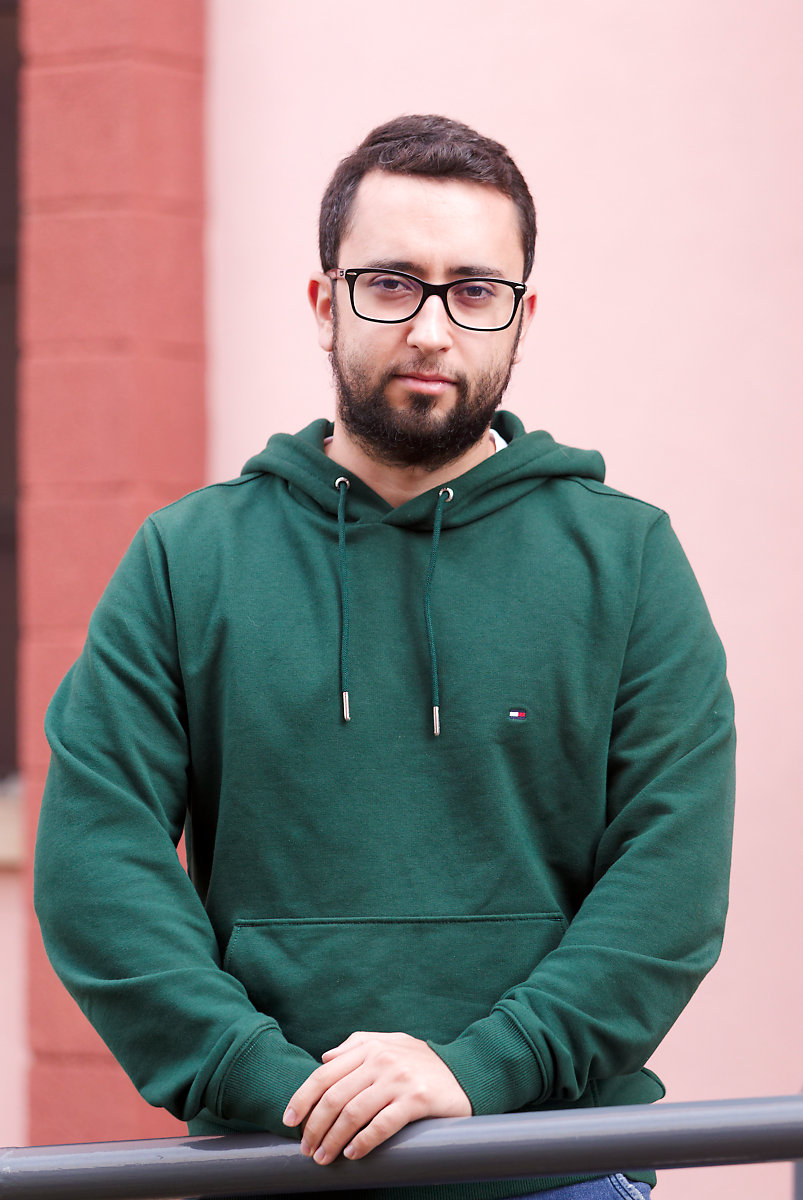
Daniel Fariña.
This system is particularly efficient at harnessing medium-temperature resources, which do not meet the conditions required for conventional geothermal plants. The Azores, a volcanic environment like the Canary Islands, has successfully implemented several binary cycle geothermal plants for generating this energy. The Canary archipelago relies primarily on fossil fuels for electricity generation. Furthermore, renewable energy sources have limited penetration. Thus, according to Fariña, geothermal energy can offer a constant and manageable alternative, as it is not dependent on the weather and provides the necessary stability to the electrical grid for isolated systems like the Canary Islands.
In Tenerife, it is estimated that approximately 6,600 tons of animal by-products (ABPs) are generated annually. These are animal by-products not intended for human consumption, such as manure, viscera, blood, and sludge from industrial wastewater treatment plants that process slaughterhouse wastewater. Currently, the sandach It is then transported to an intermediate inertization plant, where it is shredded and mixed with quicklime to eliminate any pathogens present before being deposited in the landfill. This process follows a linear economic model.
José Aythami Pérez, a doctoral candidate in the Heterogeneous Catalysis research group, is investigating how to valorize animal by-products (ABP) for energy, with the aim of producing biofuels, biochar, biogas, and digestate. This would transform the process into a circular system, making use of these byproducts.
Biomedicine and Health
“Dusty, an amazing trip”Dusty” is the title of the video presented by María Isabel García, a researcher at the Canary Islands Air Quality Laboratory. Dusty is a mineral dust particle from the Sahara that forms part of the Saharan Air Layer, and the video explains how anthropogenic particles, such as sulfate, can become incorporated within this layer. The video shows both the positive and negative effects of these atmospheric aerosols, including reduced visibility and decreased air quality. From her laboratory, García studies the chemical composition of atmospheric aerosols, which allows for the detection of and response to air quality emergencies.
Borja de León, a nurse in the Intensive Care Unit of the Nuestra Señora La Candelaria University Hospital, is writing a thesis on the emotions experienced by relatives of critically ill patients. Her research aims to reduce the suffering of families during their loved ones' hospital stay by improving the relationship between nurses and family members and fostering more effective communication. The thesis, framed within the concept of humanizing care, seeks to identify the main communication problems faced by intensive care nurses with family members, as well as provide an overview of the situation in an intensive care unit in the Canary Islands.
Carmen Pérez, a researcher at ULPGC and in collaboration with the Don Negrín University Hospital, is carrying out a thesis on the immune and inflammatory response in dogs affected by neoplasia. Pets can be exposed to the same risk factors that cause cancer in humans. The research focuses on canine malignant oral melanoma, which has a high incidence in the Canary Islands and has been shown to correlate with human cases. Furthermore, this research will allow for a better understanding of the biology of the most common types of cancer in dogs.
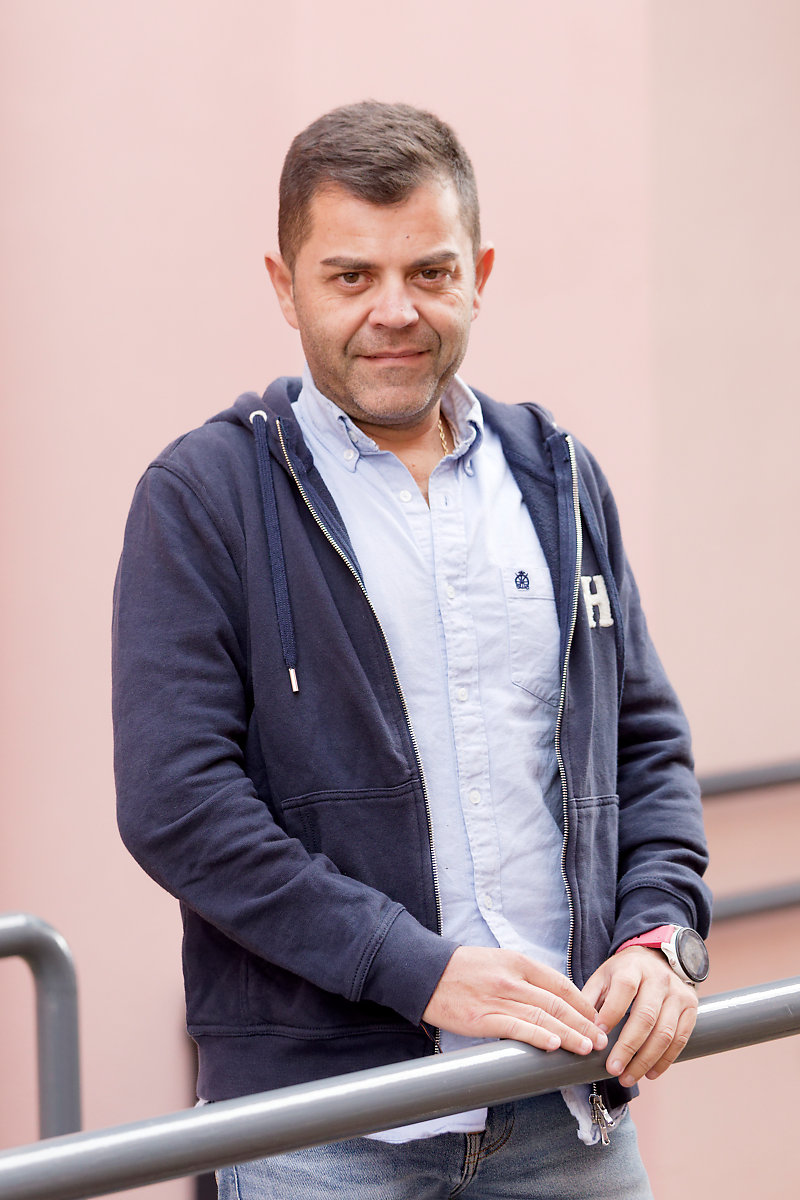
Vicente Llinares.
The sarcopenia Sarcopenia is a condition characterized by the gradual loss of muscle mass, strength, and function that occurs with aging. This loss of muscle mass has a significant impact on the quality of life of older adults. Healthcare professionals Vicente Llinares and David González are studying the prevalence of sarcopenia in elderly patients in Tenerife. Through this research, they are assessing the problem, identifying risk groups, designing intervention programs, optimizing healthcare resources, and raising community awareness.
In 2009, the magazine Journal of Sport Medicine published an article suggesting that those who consumed the metabolic supplement of the creatine They showed an increase in DHT (dihydrotestosterone) levels, which could contribute to alopecia in genetically predisposed individuals. However, the study was based on a small sample size and, while it showed an increase in the proportion of DHT, it did not reveal a significant increase in total free testosterone levels. It is important to note that this increase in the proportion of DHT remained within a normal physiological range, and there is no clear evidence of a direct causal relationship. Therefore, Dr. Faustino Afonso is conducting research to shed light on this issue.
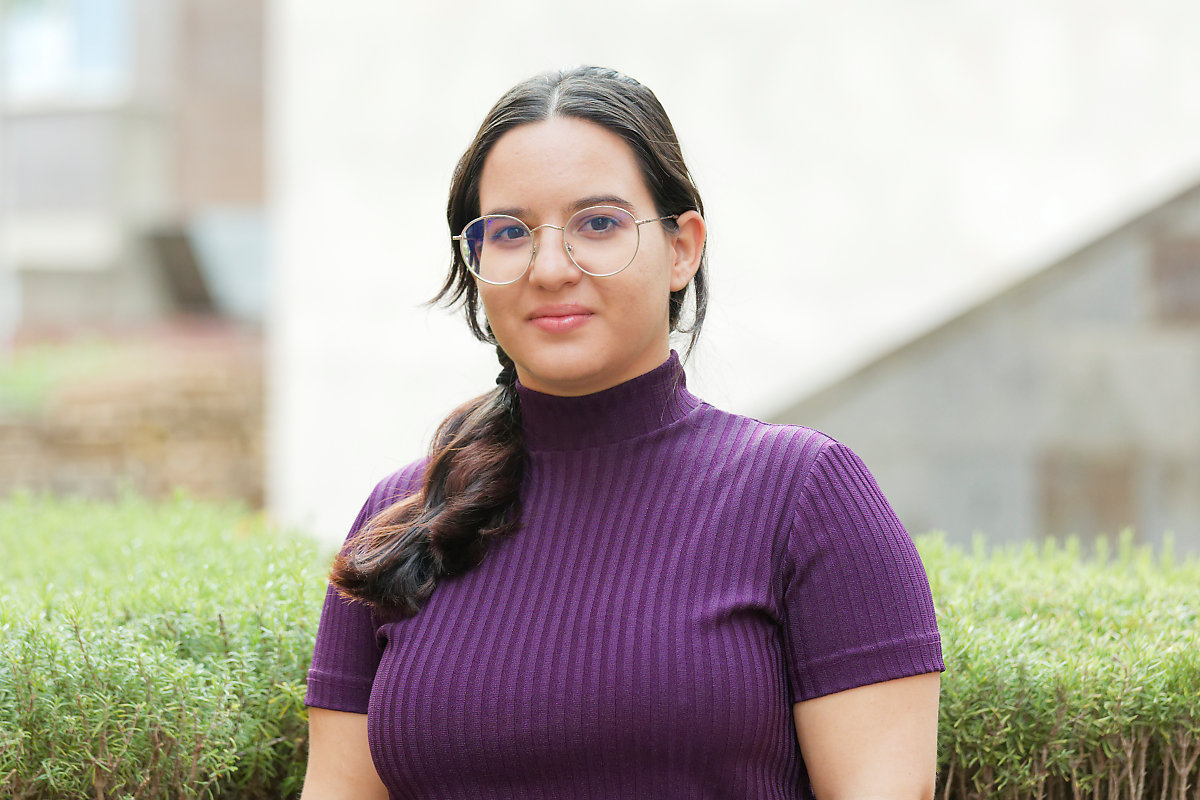
Isabel Calero.
Isabel María Calero, a biologist, explains in her video She began her research career focusing on the diagnosis of tropical diseases. Her master's thesis focused on the search for a therapeutic treatment for leishmaniasis. Currently, her goal is to delve deeper into the study of tropical diseases and continue her training through a doctorate in this line of research, exploring the potential of natural and synthetic compounds to combat these diseases.
From the isolation and antiparasitic chemotherapy laboratories of the University Institute of Tropical Diseases and Public Health, researchers Javier Chao and Patricia Pérez dedicate themselves to the study of the free-living amoebas, Microscopic microorganisms present in various environments can cause diseases in humans by entering through the nasal mucosa, such as amoebic encephalitis and epithelial lesions.
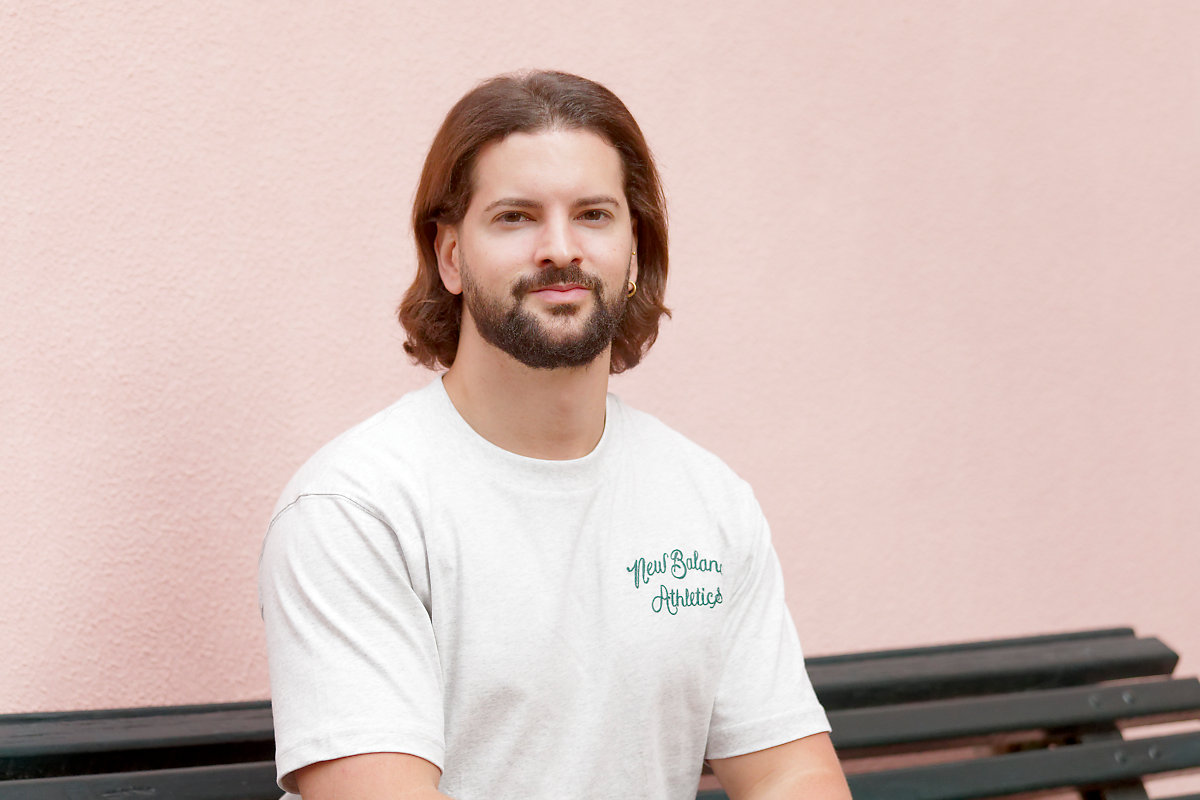
Javier Chao.
and even keratitis. It should be noted that there is currently no standard treatment for these pathogens.
For this reason, Pérez and Chao are searching for new molecules that are effective against these amoebas. In addition, the researchers are conducting water quality tests and monitoring ecosystems, since these amoebas are useful ecological indicators that reflect changes in the environment.
“Application of artificial intelligence to RetiSalud project "For the improvement of care for patients with diabetes in the Canary Islands," is a project led by Pablo Pareja and Silvia García that aims to prevent diabetic retinopathy by integrating an artificial intelligence application into RetiSalud. The research objectives include defining the operation and security of the screening system and integrating the software into RetiSalud.
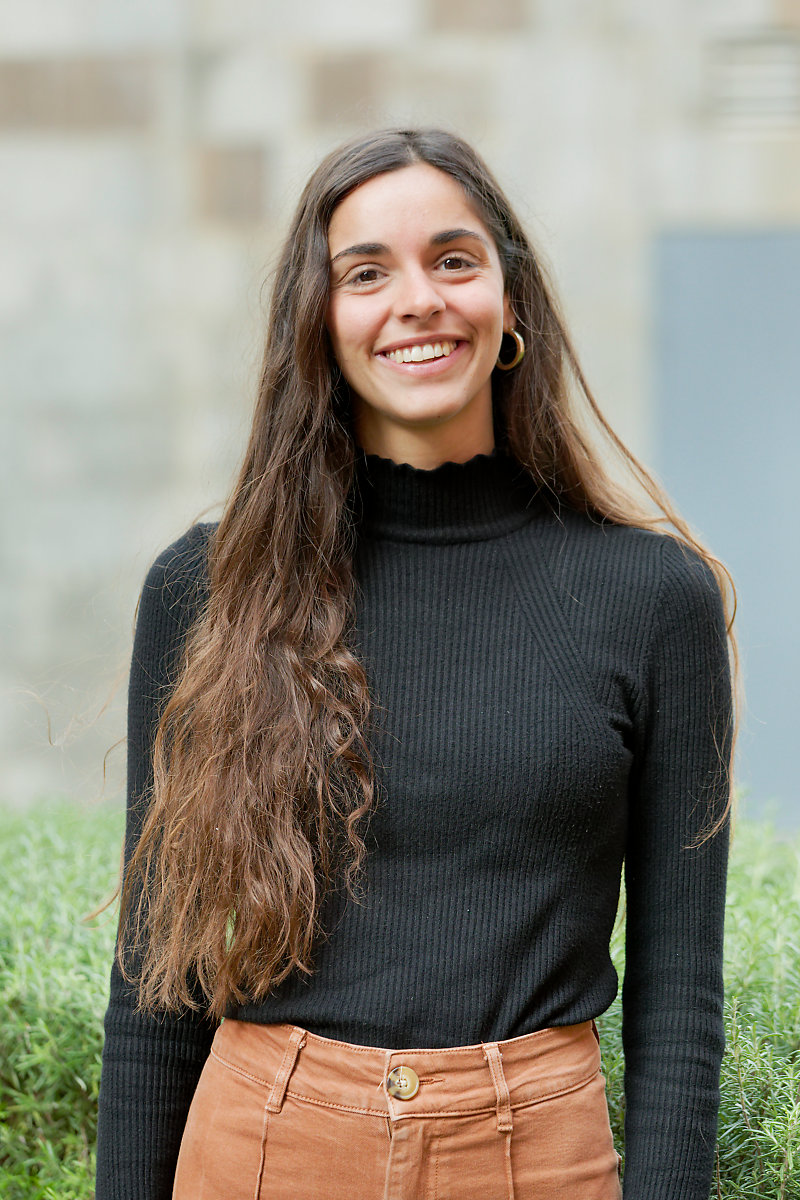
Patricia Pérez.
and initiate the approval process by submitting the corresponding documentation.
Arts and Humanities
Words have great power. Judith Amaro, a researcher in the field of Linguistics, presents in her video This study examines how the morphological and syntactic variations of advertising compliments in Spanish influence their meaning and effect. To this end, a corpus has been created that compiles compliments used in Spanish advertising. The aim is to analyze the different forms of compliments to understand how linguistic choice affects information processing. For example, saying “Tu mirada es luz” (Your gaze is light) is not the same as saying “Tu mirada eres luz” (Your gaze, you are light). Linguistic changes, both formal and functional, shape the cognitive perception of the message.
Designers can play an important role in policymaking. Verónica González, a researcher with the Design Innovation group at the University of La Laguna (ULL), explains in her video Her thesis focuses on the role of the designer in formulating public policies for the circular economy in the Canary Islands. Currently, González is analyzing the design of the Canary Islands' circular ecosystem. So far, she has observed that the ecosystem is highly developed within the local business sector, but not at the highest levels.
García, the researcher who received first prize in the 12th Science Communication Competition, points out that videos are invaluable for making complex topics more accessible: “Otherwise, people wouldn't be interested in reading scientific articles or specialized books,” she states. Lijo, the researcher who won second prize, emphasizes that the audiovisual format optimizes learning by leveraging both auditory and visual channels: “The words conveying the messages are complemented by images and animations that contribute to a better understanding of particularly abstract disciplines such as engineering, technology, or mathematics,” he maintains. Furthermore, García stresses that their impact is not dependent on the field of study: “Whether in education, mathematics, or art, videos have the ability to present complex concepts in an approachable and understandable way, connecting people with ideas that can inspire and motivate them to explore further.”.
(This report is an initiative framed within the InvestigaULL Commemorations Calendar, a scientific dissemination project promoted by the University of La Laguna).
Scientific Culture and Innovation Unit (Cienci@ULL)

 Spanish
 English
 French