 The La Laguna City Council, through its Department of Cultural Heritage headed by Adolfo Cordobés, has published a book, edited by Bilenio Publicaciones, with the results of a project aimed at rescuing and disseminating the Guanche history of the municipality, particularly that of the so-called achimenceyato of Punta del Hidalgo. The research was carried out by A. José Farrujia de la Rosa, professor of Didactics of Social Sciences at the University of La Laguna, and by Miguel Ángel Martín González, historian and director of the Iruene Magazine, which deals with the indigenous Canarian worldview.
The project in question delves into the aforementioned achimenceyato (kingdom), whose rulers were Aguahuco and, later, his son Zebenzuí. The research also addresses key aspects related to this territory and recovers Guanche place names that, despite appearing in written sources and historical tradition, had been lost and their geographical location unknown. This is the case, among others, of Roque de los Dos Hermanos (Rock of the Two Brothers), whose Guanche name is 'Aramuygo'.
Through this project, the research introduces us to the world of Guanche beliefs by studying numerous archaeological sites, such as basins and channels, sea basins, and sanctuary caves, among others. The analysis of these sacred spaces reveals that their location is not random, as there is a clear connection with their surroundings and with the cosmos. In other words, the location of these sacred sites reflects ancestral knowledge.
The Guanches of this part of Tenerife lived and died in a landscape characterized by rugged terrain and towering mountains, which were venerated along with other natural features that served as touchstones for their beliefs. The achimenceyato, in this sense, was ancestrally understood as a place of projection and significance.
The research also reveals how certain sacred spaces of the Guanche world were integrated into the Catholic system after the conquest, a result of the syncretism developed by the colonizer and the continued presence of Guanche descendants on the island. A clear example is the area of La Punta del Güigo, near which the Hermitage of San Juanito was built.
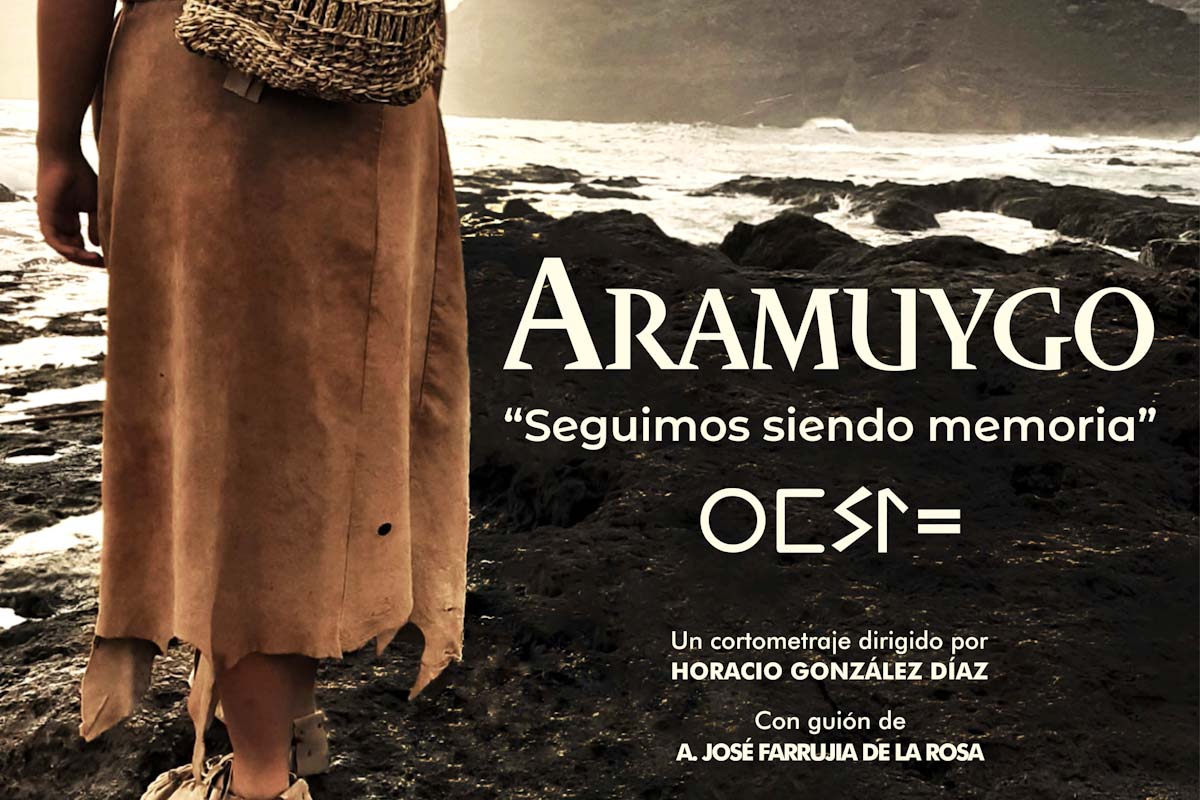
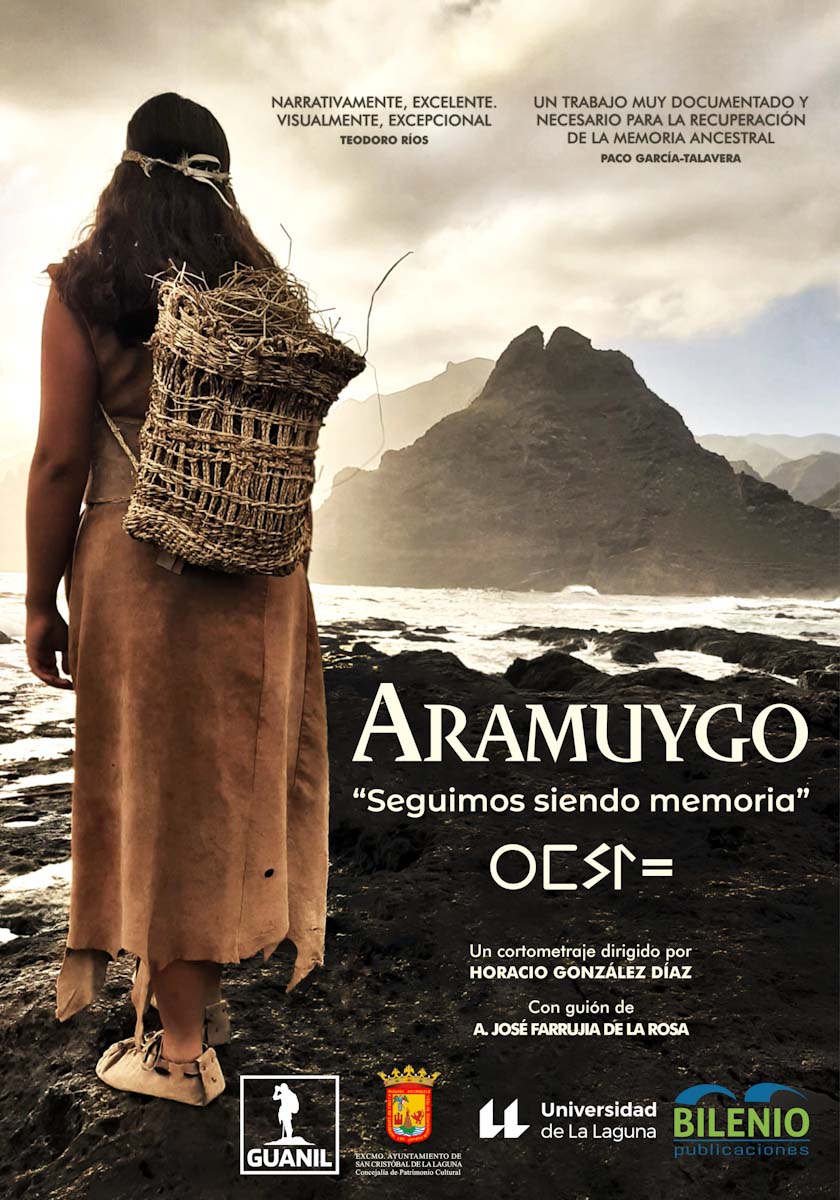
The project is linked to a short film, 'Aramuygo', directed by Horacio González Díaz of Guanil Producciones, with a script by A. José Farrujia de la Rosa. The film aims to introduce the general public to the Guanche world and, in particular, to an area that held special significance for the beliefs of the Guanches and their descendants after the conquest.
“We are, without a doubt, facing a project that introduces us to a history and a territory full of knowledge, ancestral traditions and spaces full of wisdom,” Farrujia points out.
The book launch, which compiles the project's results, will take place on Thursday, November 21st, at 6:00 PM in the Old Convent of Santo Domingo in La Laguna. The documentary associated with the project will be screened at the event. Admission is free until capacity is reached, and in addition to Councilor Adolfo Cordobés, the authors, A. José Farrujia de la Rosa and Miguel Ángel Martín González, will speak.

 Spanish
 English
 French