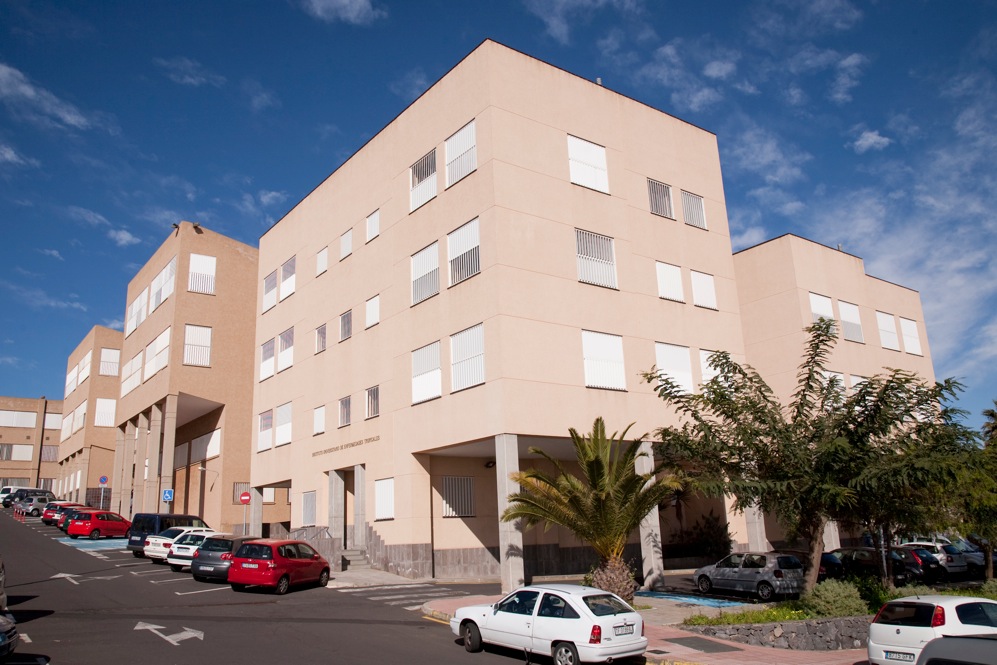
He Institute of Tropical Diseases and Public Health of the Canary Islands The University of La Laguna is one of the entities that, at the request of the University of Valencia, is collaborating in the analysis of sludge and water samples collected in the areas affected by the catastrophic DANA storm in Valencia, with the aim of detecting the presence of potential pathogenic organisms that may affect human health.
This collaboration has been taking place since the very beginning of this emergency, since both the Valencian and Tenerife centers already have a common history of collaboration as they are both members of the Biomedical Research Network Center for Infectious Diseases (Cyber INFEC), along with other organizations such as the Carlos III Health Institute in Madrid, which is also collaborating on this task.
The director of the institute at the University of La Laguna, Jacob Lorenzo, He explains that the analyses focus on detecting bacteria, viruses and other organisms that may be present in the waters and mud of the affected area, and that may be capable of producing gastrointestinal or other types of diseases.
The DANA storm hit on October 29th, and very early samples, from November 4th, have been collected. Analyses are also being carried out on samples taken in subsequent days to test the hypothesis that these pathogens accumulate over time, making the mud and stagnant water increasingly dangerous to health. The analyses performed so far appear to support this theory.
Currently, sewer blockages, wastewater saturation, contamination of drinking water pipes, direct personal contact with mud, inhalation of humid air from enclosed spaces such as fully flooded garages, and insufficient cleaning and disinfection products can lead to epidemics, hence the need to monitor potential infections through analysis.
As Santiago Mas-Coma, emeritus professor of Parasitology at the University of Valencia, explains, the flooding has affected 75 municipalities in l'Horta Sud, la Ribera Alta, la Hoya de Buñol-Chiva and la Plana de Utiel-Requena, as well as the south of the city of Valencia, and included water contributions from dams in the rivers through ravines, interconnected by artificial channels of the extensive local hydrographic network, spaces also inhabited by a large number of human populations and domestic animals and peridomestic rodents, factors that must be taken into account in the analyses.

 Spanish
 English
 French