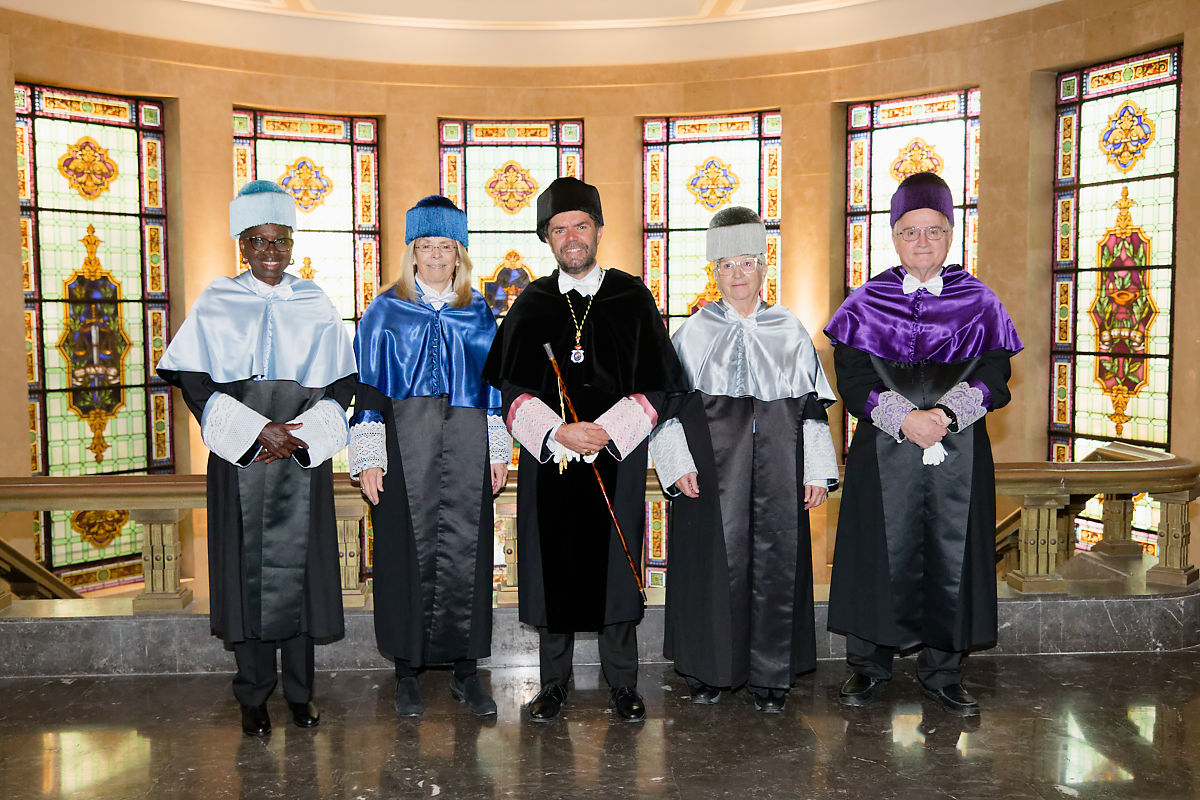
The University of La Laguna today, Saturday, January 18, conferred honorary doctorates upon writer Ken Bugul, communication theorist Amparo Moreno Sardà, historian of science Londa Schiebinger, and biomedical scientist Nicholas A. Peppas. During his welcoming address to the institution's honorary faculty, the Rector of the University of La Laguna, Francisco J. García Rodríguez, noted that, more than "denialism," one of the great contemporary ills is "indifference," which leads to inaction in the fight against the world's problems. He therefore thanked the four distinguished individuals for having become "a vaccine against indifference" (*).
García noted that this ceremony highlights the institution's commitment to "reversing the intolerable gender gap" in its list of honorary doctorate recipients. Of the 50 people honored with this distinction by the University of La Laguna, only eight are women, including the three who were awarded today. In recent years, efforts have been made to balance this proportion by awarding more of these doctorates to women than to men, and the institution will continue to pursue this goal.
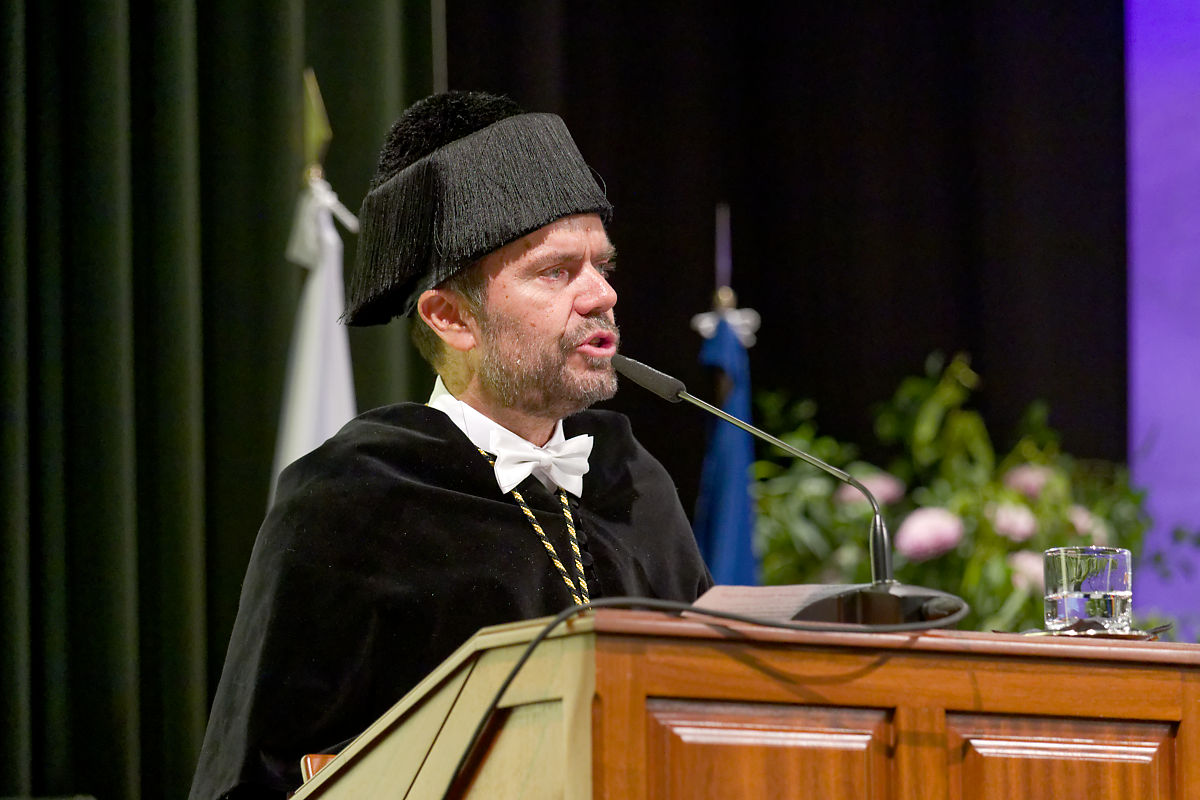
Francisco J. García Rodríguez.
For the rector, these doctoral degrees reflect the universities' desire to engage with society. "Only through this universality can we remain true to our commitment to fostering critical thinking, promoting intercultural dialogue, and seeking global solutions to humanity's greatest challenges." Thus, this ceremony adopted this universalist orientation from two perspectives: the disciplinary, as it recognized specialists in very different fields, such as geography, highlighting the Atlantic character of the Canary Islands, which, to paraphrase Professor and Royal Spanish Academy member Dolores Corbella, is not a barrier, but a bridge.
In his closing remarks, the rector paused to recall some of the ideas that Bugul, Moreno, Schiebinger, and Peppas had previously expressed in their inaugural addresses. “Today we are bestowing this important honorary distinction upon three women and one man who represent the best antidotes to this ill of our time: they are not, and do not leave us, indifferent.”.
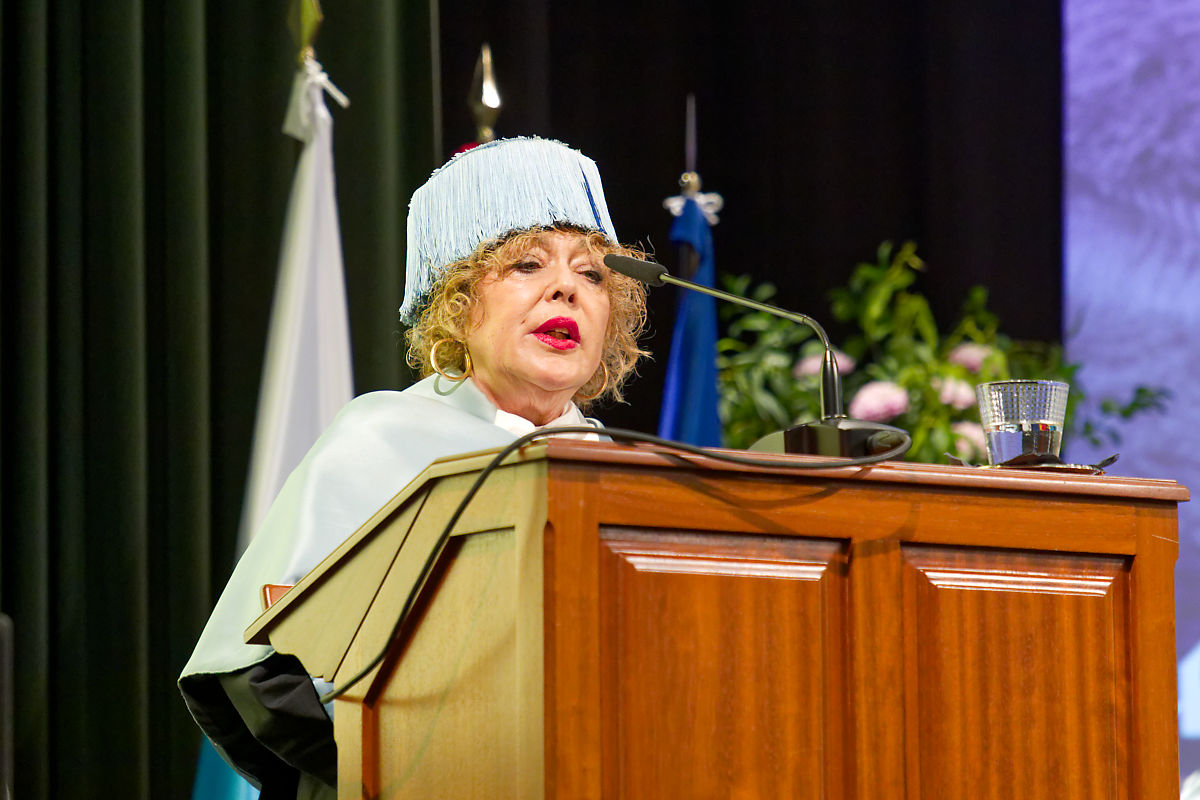
Dulce María González Doreste.
Ken Bugul
Dulce María González Doreste, from the Department of Classical, French, Arabic and Romance Philology, was the first godmother to speak to introduce the writer Ken Bugul, the Wolof pseudonym of Mariétou Mbaye Biléoma, is the author of eleven novels. She grew up in a polygamous family and was abandoned by her mother at the age of five. However, her brilliance allowed her to pursue university studies both in Senegal and in Belgium. Considered one of the most important writers on the African continent, her work offers a fascinating vision of the human condition, exile, and the search for a place in the world and for identity, all with a humanist approach, a critical view of social and cultural structures, and a firm commitment to human rights.
In his inaugural address, Ken Bugul expressed her love for the Spanish language and culture, citing inspirations such as Unamuno, Lorca, Machado, García Márquez, and Neruda, whom she mentioned during her speech. She explained that, for her, writing is a necessity and a passion, a therapeutic tool, an instrument of activism for women's rights, to give voice to those who have been silenced for so long.
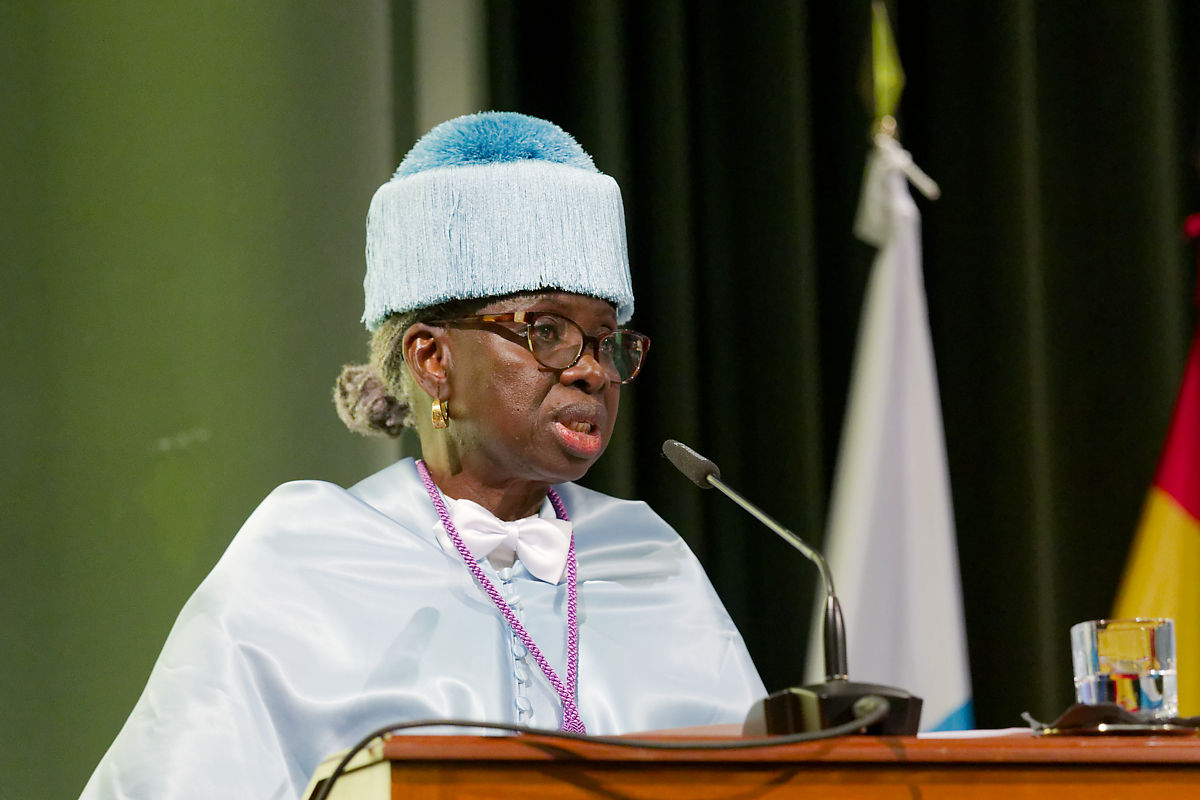
Ken Bugul.
The writer addressed the polarized reality of the present, shaped by a climate threat that is driving millions of people to seek more sustainable places. But she also expressed compassion for “the poor human beings” who take refuge in “virtual worlds” to fill the void in their lives. In this exhausted world, literature must play a historical role, accompanying and engaging with human history: “It must avoid being reduced to a mere recounting of events, to make us more human, to make us reason, and not simply to victimize or distract. Literature, in short, must inspire courage to build a better, more humane world.”.
Her speech highlighted her tireless activism, fully engaged at 78 years old in the fight for peace and against dictatorships, racism, antisemitism, and all forms of extremism, including those that foster ignorance and stupidity. It is no coincidence that she closed her speech by quoting another Spanish icon, Dolores Ibárruri: “They shall not pass.”.
Amparo Moreno Sardà
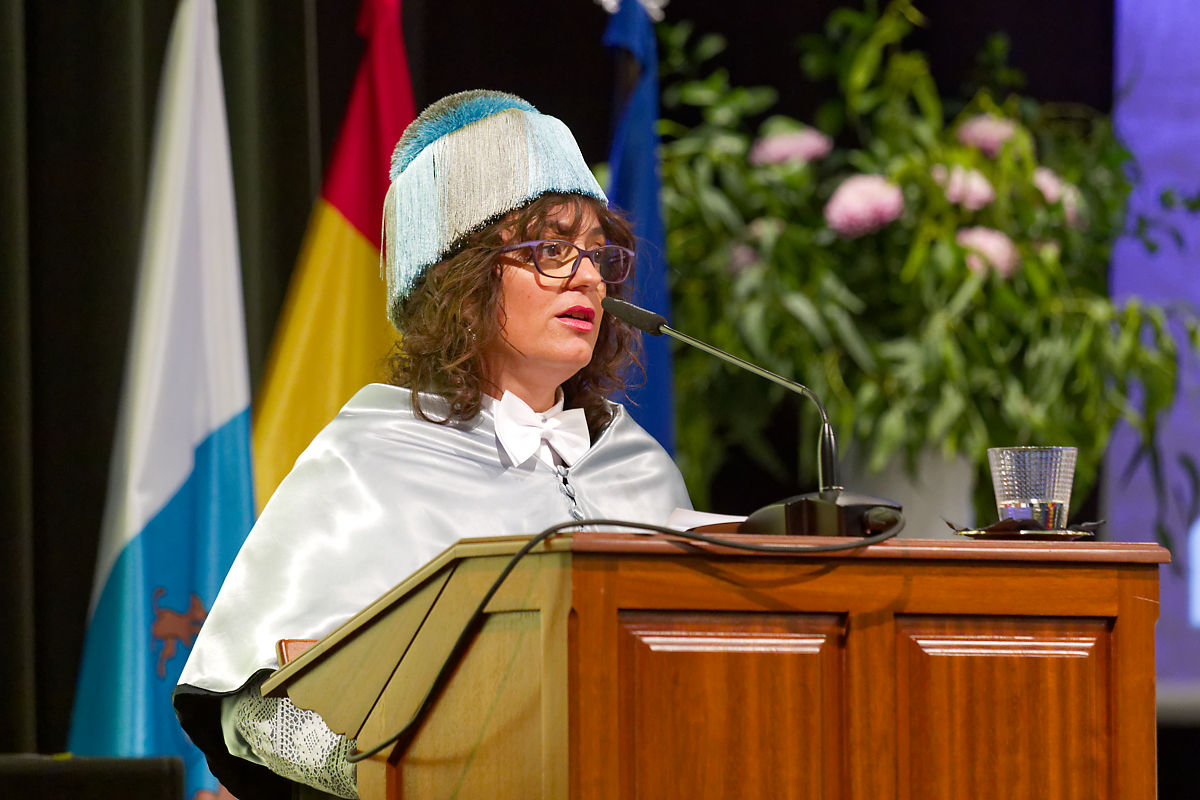
Lara Carrascosa Puerta.
The professor from the Department of Communication Sciences and Social Work Lara Carrascosa Puerta, was in charge of summarize the long career by Amparo Moreno Sardà, a prominent researcher in History and Communication from a feminist perspective, who is Professor Emerita at the Autonomous University of Barcelona, where she worked as a teacher and researcher from 1973 to 2019. Founder of the Laboratory of Journalism and Communication for Citizenship, she has been a feminist activist, a class activist, and has strived to promote social participation and accountability in local institutions, trying to advance knowledge and give a voice to those who do not normally have one.
During your intervention, Moreno Sardà recalled her beginnings as a street journalist, until her political activism in the Francoist underground led to her dismissal and precipitated her entry into academia. There, she was a pioneer in incorporating a feminist perspective into the social sciences, which until then had been approached from a predominantly patriarchal viewpoint: “Women weren’t talked about, or very little, or with irony. As if we didn’t exist or our contributions weren’t significant.”.
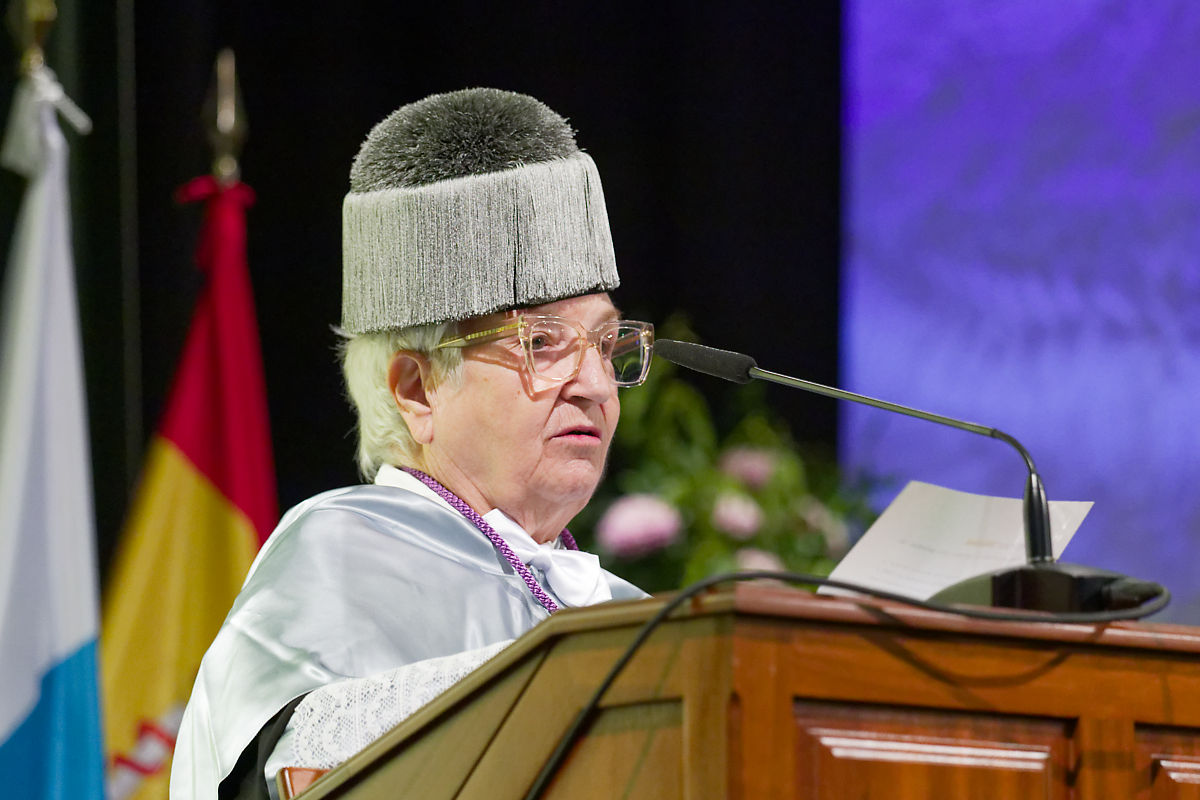
Amparo Moreno Sardà.
Hers has been a critical feminism, even going so far as to question key figures of the movement like Simone de Beauvoir, whose negative view of motherhood Moreno Sardà does not share. In this trajectory, she pointed to the concept of "man" as a major problem, a concept that has historically served to encompass all of humanity despite not referring to all human beings: it not only excludes women from the group, but it doesn't even refer to all men, since the term usually refers essentially to elites and the powerful.
This has led her to seek a “Plural Humanism” that takes into account the social, cultural, racial, and gender diversity of global humanity. To this end, she has developed projects such as a web platform and the “infoparticipa” map, which evaluates the actions of local and supralocal governments. The speaker also mentioned her frequent collaborations with the University of La Laguna.
Nicholas A. Peppas
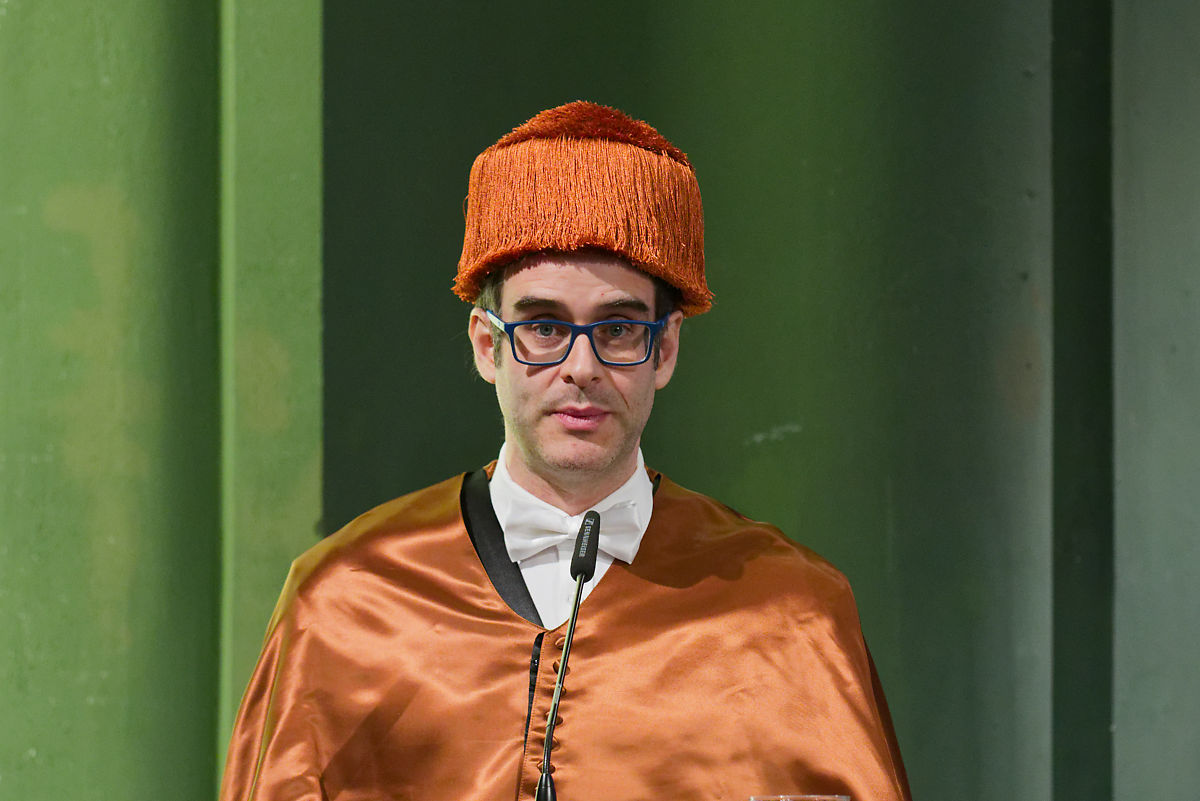
Edgar Pérez Herrero.
The professor Edgar Pérez Herrero, from the Department of Chemical Engineering and Pharmaceutical Technology, He was the godfather The fourth honoree at the ceremony was Nicholas Peppas, a professor at the University of Texas at Austin, with affiliations in Chemical Engineering, Biomedical Engineering, Pharmacy, Pediatrics, and Surgery, and director of the Institute for Biomaterials, Drug Administration, and Regenerative Medicine. His distinguished scientific career is evident in the numbers: co-author of more than 1,800 articles, 41 books, and 54 patents; lecturer in 34 countries with more than 1,600 presentations; visiting professor at 14 universities in 11 countries; director of 125 doctoral dissertations and 14 honorary doctorates.
He acceptance speech Peppas's presentation alternated between personal anecdotes and a summary of his scientific findings. Regarding the former, this Athens-born researcher recounted how, after studying Chemical Engineering in Greece, he earned his doctorate at the Massachusetts Institute of Technology, where he embarked on a 49-year research career based in the United States, leading him to collaborate with research groups worldwide. Concerning his connection to Spain, in addition to his scientific work, the speaker, a renowned music lover, highlighted his discovery of zarzuela and university student musical groups (tunas), and even praised the two Canarian orchestras: the Tenerife Symphony Orchestra and the Gran Canaria Philharmonic Orchestra. He recalled meeting his godfather, Edgar Herrero, when Herrero was a student at the University of Salamanca, and also mentioned his 2019 stay at the University of La Laguna, where he taught a course on industrial drug administration. At the beginning of his presentation, he described the Tenerife institution as "the scientific beacon of the Atlantic.".
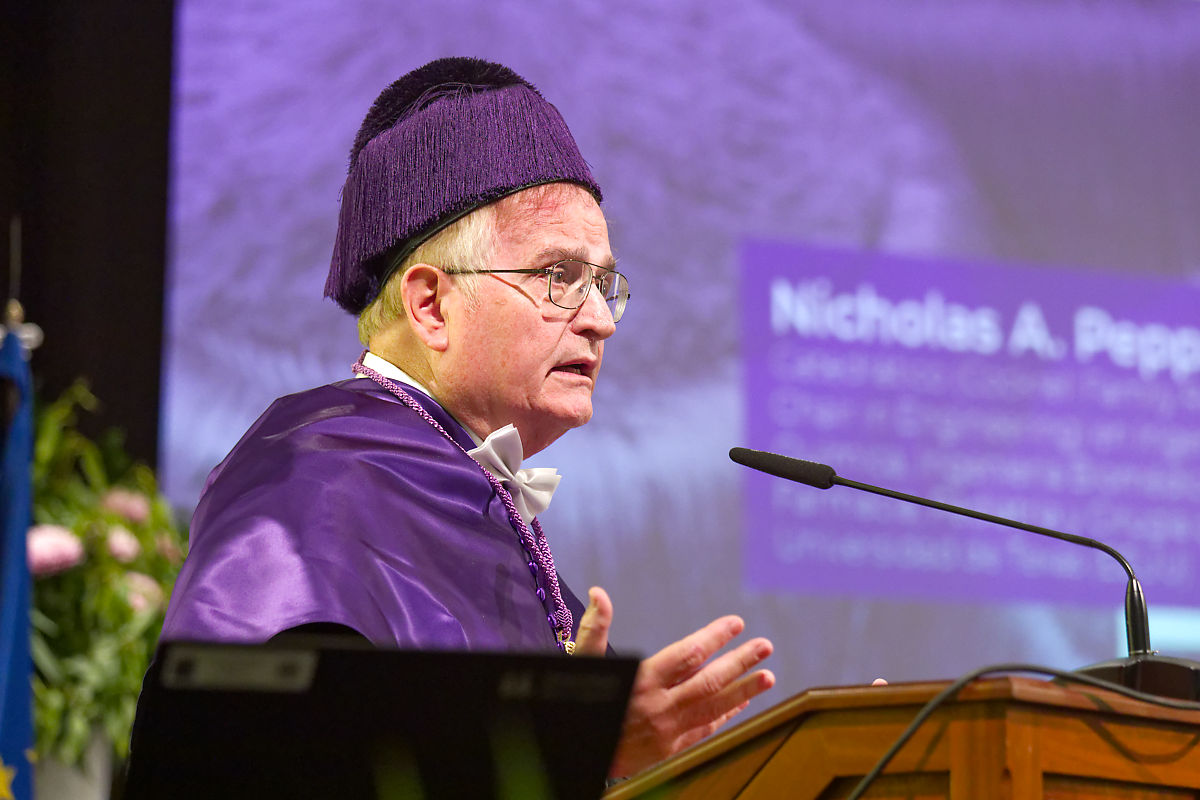
Nicholas A. Peppas.
This has been precisely one of the major fields of research in which the researcher has excelled, especially in recent decades at the University of Texas at Austin: the design, study and application of advanced biomaterials and advanced drug delivery formulations that do not simply release the drug, peptide or protein at a certain rate, but do so in a very specific way that is activated as a result of significant changes in the physiological environment.
Peppas concluded that this recognition does not mark the end of his career and that he feels fortunate to have collaborated with great researchers and brilliant students who shared his vision of conducting research with immediate application and a concern for patients. For this reason, he championed the importance of convergence between disciplines such as biomedicine, chemistry, biology, and engineering to better understand how diseases and genetic defects arise. During his speech, he had the opportunity to greet some Spanish researchers present at the event, and he recalled that what is important is not the awards and distinctions, but those moments in which, as a researcher, he realizes that his work can improve people's quality of life, and even prolong it.
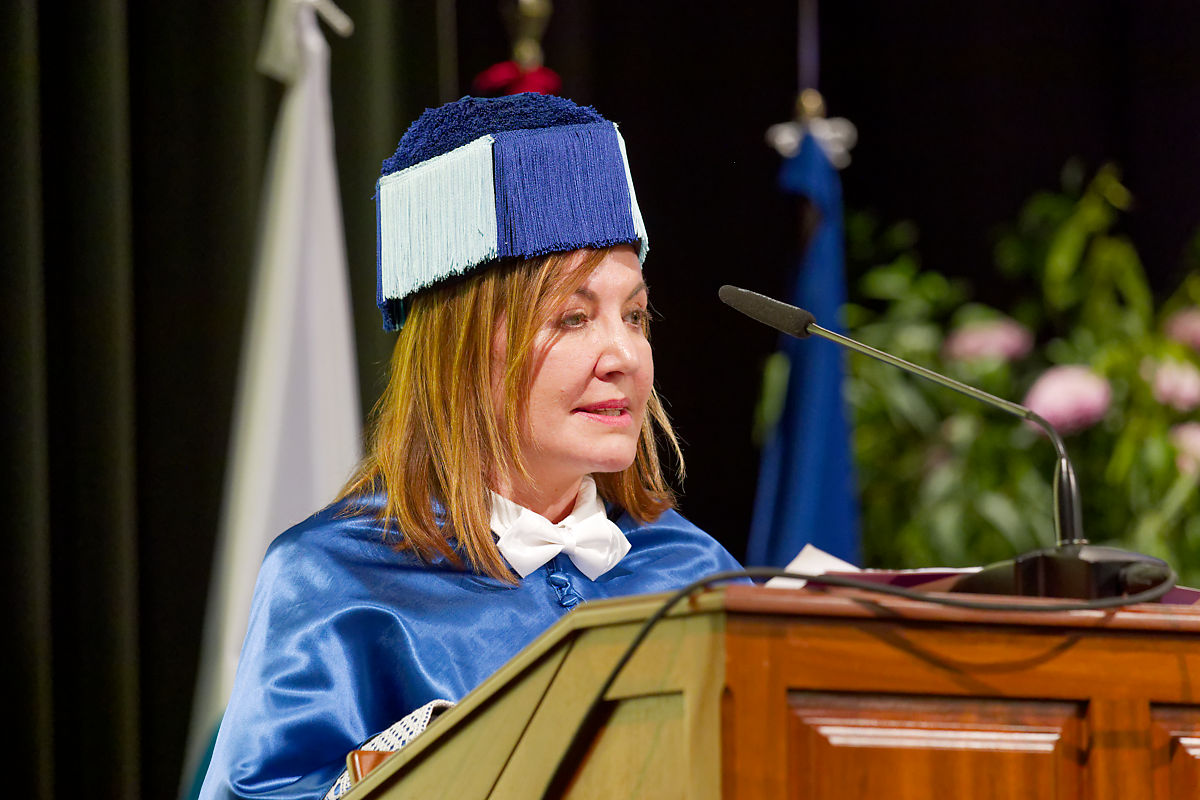
Carina González González.
Londa Schiebinger
The gender perspective, in this case applied to the world of research, also featured prominently in the presentation of the third investiture recipient., Londa Schiebinger. Her godmother was Carina González González, from the Department of Computer and Systems Engineering, who He detailed the milestones This professor of the History of Science at Stanford University already holds five honorary doctorates and is a member of the American Academy of Arts and Sciences. Focused on studying female participation in science and gender in the structure of scientific research, she is responsible for the project “Gendered Innovations”, a term she coined in 2005 to develop practical methods for analyzing sex, gender, and intersectionality in science and engineering.
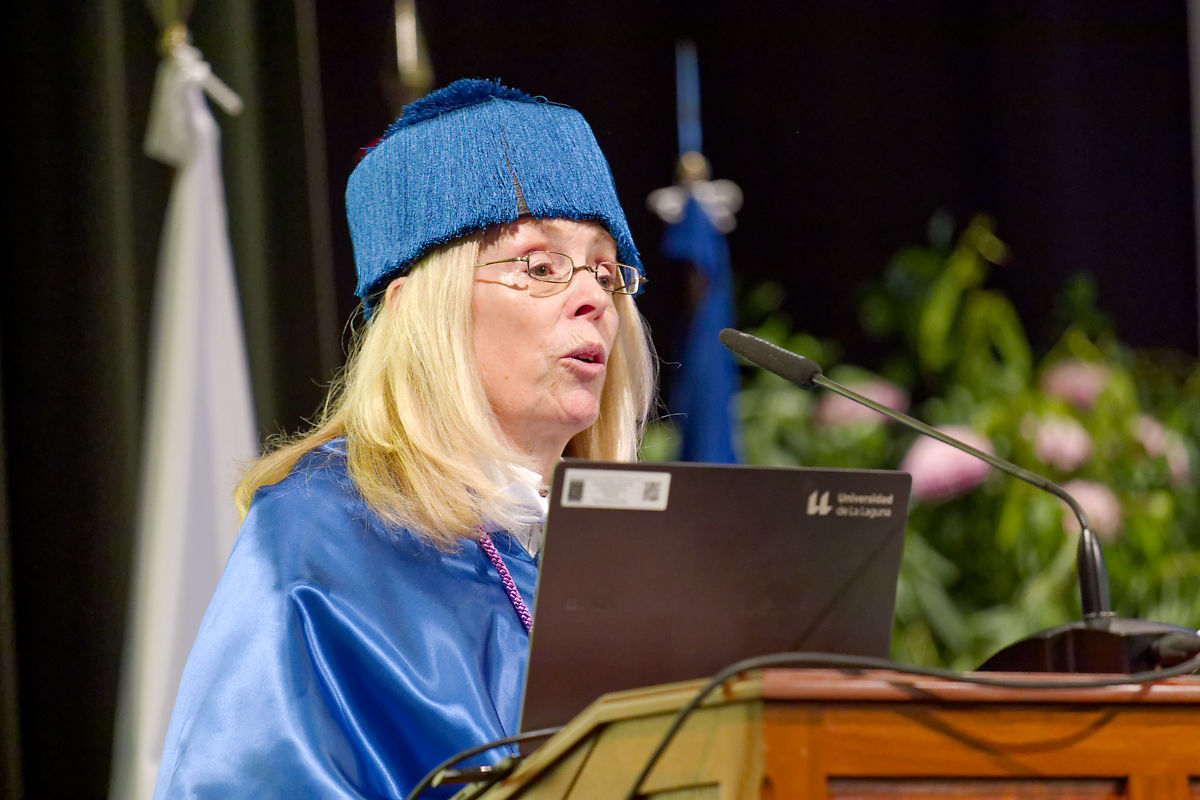
Londa Schiebinger.
The one herself Schiebinger He explained this concept During her presentation, she explained how, in recent decades, institutions have adopted three gender strategies: “Fixing the numbers,” meaning increasing the number of women in science and engineering; “Fixing the institutions,” promoting equality in careers by overcoming unconscious biases in research entities; and “Fixing the knowledge,” which is what the idea of the “Gendered Innovations”, or “gender-sensitive innovations”, integrating sex, gender and intersectional analysis into research to achieve excellence.
Ignoring the gender perspective in research is tantamount to producing “bad science” that leads to economic losses and even deaths. She cited, for example, the recent withdrawal from the US market of ten drugs due to their health risks, eight of which were particularly harmful to women. This withdrawal will result in losses for the pharmaceutical companies that developed them, as they will not see a return on their multimillion-dollar investments—something that could have been avoided had the drugs incorporated a gender perspective. Another example is that the symptoms of heart attacks in women differ from those in men, and studies show that improved detection would lead to obvious improvements in women's quality of life and also provide a multimillion-dollar boost to the economy.
Schiebinger offered further examples of differences—not only sexual but also racial—that can be crucial for the development of technologies like AI-powered facial recognition: some systems have had to be significantly improved because initially they were only effective at detecting the faces of white men. Even in areas like climate change, gender matters: he explained that some turtle species determine their sex based on water temperature; warmer water produces females. Global warming has led to areas where the turtle population is now 991% female, a clear problem for their reproduction.
(*) Rector's speech.

 Spanish
 English
 French