The research group Advanced Functional Materials and Nanoscience (AFM-NANO), directed by Professor David Díaz Díaz, Professor of Organic Chemistry at the University of La Laguna, has obtained a prestigious research grant in the XXII National Competition of the Ramón Areces Foundation in Life and Physical Sciences. This achievement marks a milestone for this academic center, as it is the third project awarded to a researcher from the institution in the history of this call for proposals.
The two previous projects were awarded in 1993 to Professor Antonio González González, in the field of Chemistry, and in 2002 to Enrique Menéndez Hevia, in Functional Genomics, Proteomics, and Pharmacogenetics. This new grant marks a return to a highly competitive funding round, consolidating its presence in the field of cutting-edge research.
The project, titled 'Programmable hybrid biomaterials via click chemistry: Sponge biomimetic tubules as chemobrionic scaffolds for cell culture', proposes an innovative approach to the origin of life, combining supramolecular chemistry, bioengineering, and advanced biomaterials. Inspired by Earth's primordial conditions, the study suggests that hydrothermal vents may have acted as the 'cradle of life', generating biomimetic structures that facilitated the evolution of single-celled organisms into more complex multicellular forms.
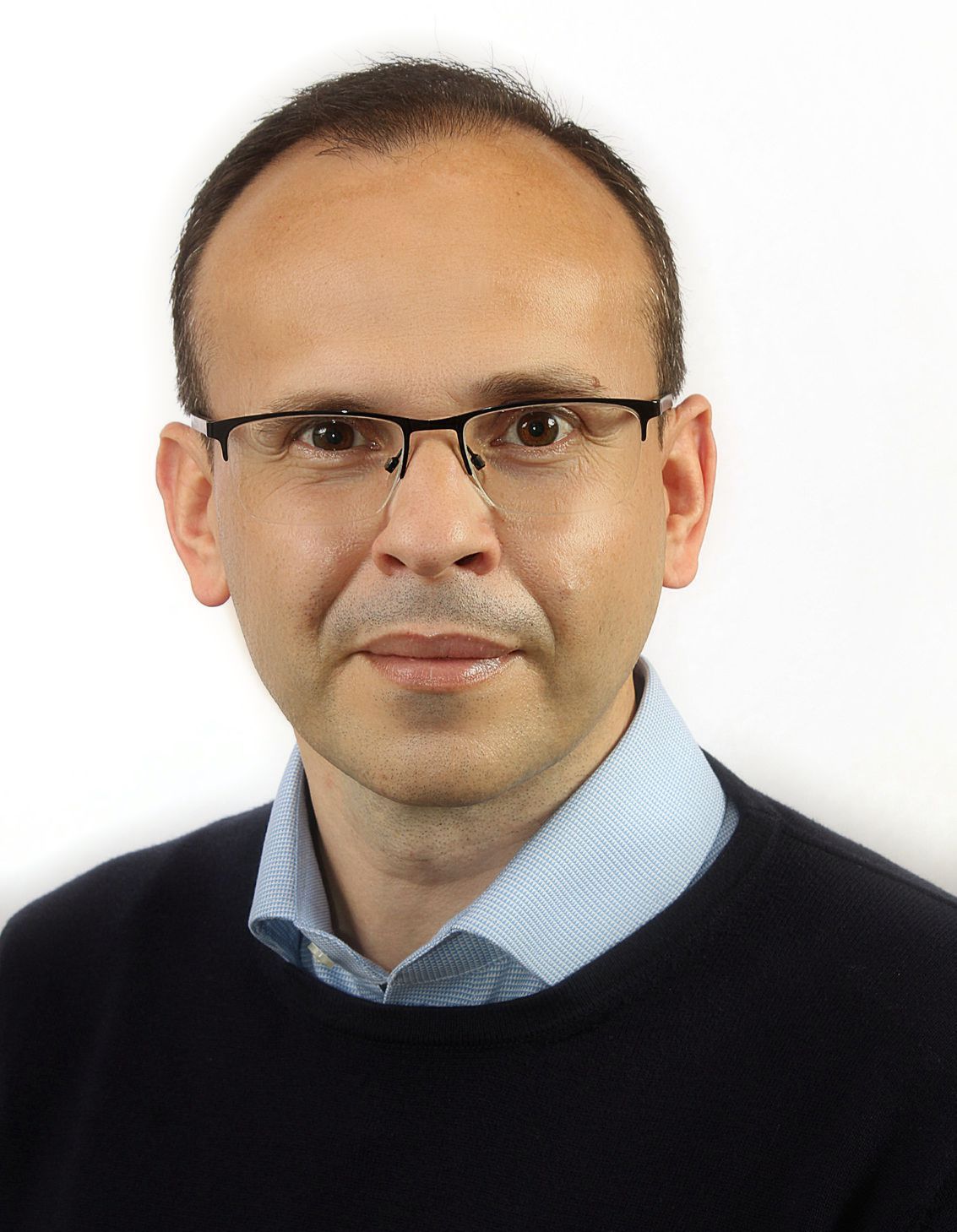
David Díaz Díaz.
The team led by Professor Díaz Díaz has managed to involve researchers from Antonio González University Institute of Bio-Organic Sciences (IUBO-AG), He serves as secretary of the research group, and also collaborates with experts in the United States, reinforcing the multidisciplinary and international nature of the project. In addition to its relevance to understanding the origin of life, this research has key applications in tissue engineering and the development of biomimetic materials for cell regeneration and biomedicine.
This recognition of the University of La Laguna highlights the institution's research excellence and its capacity to address cutting-edge scientific challenges. Furthermore, it underscores the versatility of the AFM-NANO group, which recently also secured a project from the Chair of Environment and Sustainable Development, a joint initiative between the university and the Tenerife Island Council, to develop new sustainable materials for preventing forest fires and mitigating their effects.
It is worth noting that the Areces Foundation's acquisition of this funding was announced shortly after the International Association for Advanced Materials recognized Díaz Díaz's research career, appointing him as a member of the Spanish council of this international organization, a recognition that reinforces the relevance of his work in the field of advanced materials and supramolecular chemistry.

 Spanish
 English
 French