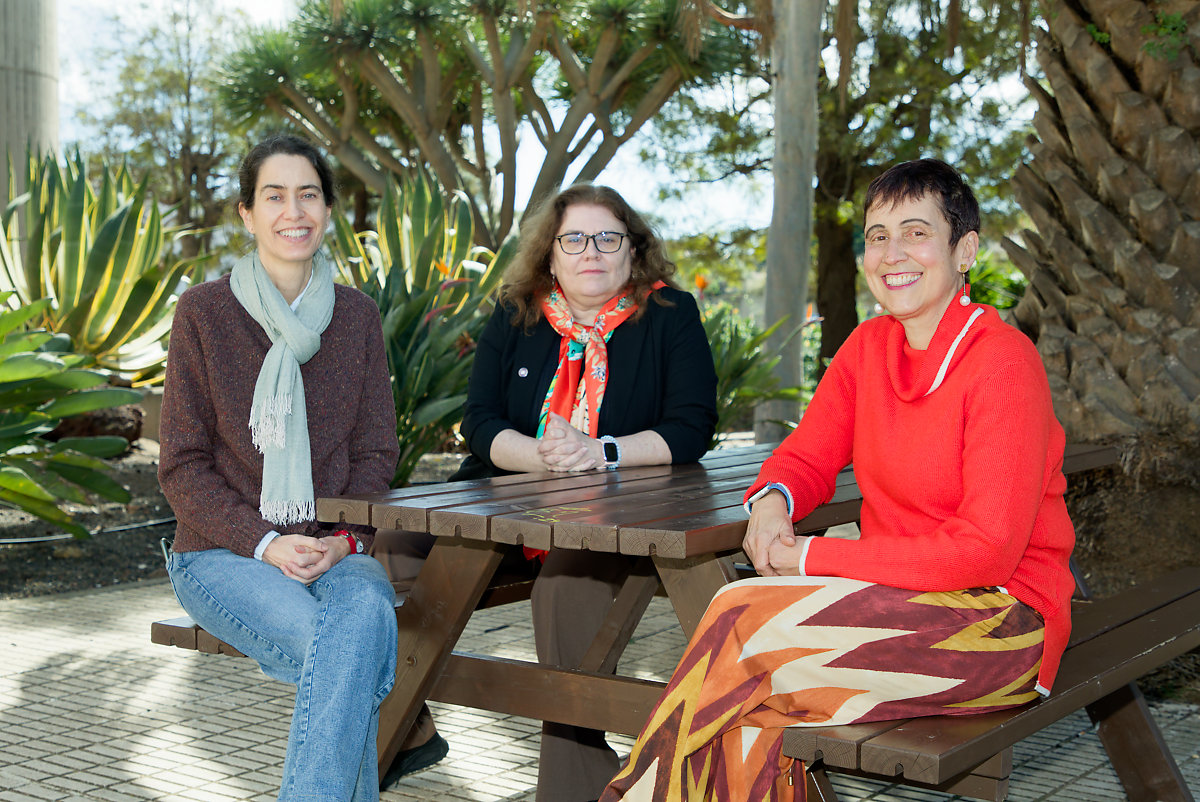
Do you have a partner? Are you married? Do you plan to have children? Or do you plan to get pregnant in the near future? These are some of the questions that are asked repeatedly to the point of exhaustion, and despite being considered illegal—as reflected in Article 14 of the Constitution and Article 16 of the Law on Infringements and Sanctions in the Social Order— they continue to take root in the job interviews that many women still have to face in the 21st century.
Because, despite Spanish law clearly stating that requesting personal data in selection processes that are considered discriminatory in access to employment carries a very serious penalty, complaints about this remain quite scarce, if not insignificant. The fear of losing or not getting the job tips the scales toward a situation that men rarely face. Childcare and work-life balance seem inextricably linked to the female condition, even as we move toward gender equality.
An equality with respect to which Dulce Cairós Barreto, The dean of the Faculty of Law at the University of La Laguna and professor in the Department of Public and Private Law and Business Law, believes that "enormous" progress has been made. "You only have to think about the 70s and 80s in Spain. Forty years have passed and we've come a long way. In recent years, the progress has been very significant, especially in the areas of legislation and case law, but not so much in the social sphere.".
“The law, which is very advanced, and the jurisprudential interpretation are important, but education and custom are also very important. I'm talking about a matter not of law, not of judicial interpretation, but of social development. Yes, things have changed a lot in the West, and specifically in Europe, but I don't see us as that evolved because there is still a lot of gender bias.”.
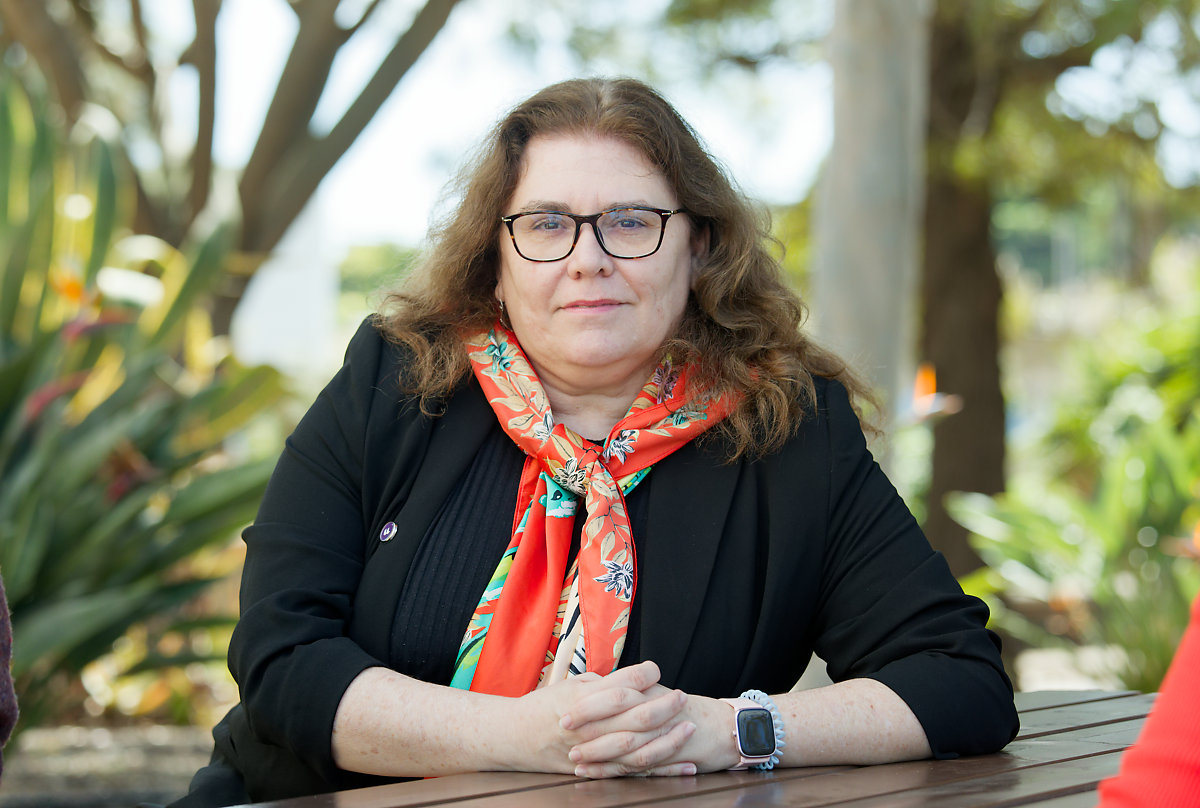
Dulce Cairós Barreto.
And one example of this persistent bias is part-time employment, something that, according to Cairós, often surprises labor law students when it's discussed in class as a contract that fosters inequality. "Part-time contracts have become predominantly female, contributing to the gender pay gap because most people in these types of jobs are women.".
And the data corroborates this. According to the Labour Force Survey (LFS) According to data published by the National Institute of Statistics (INE), of the 2.8 million people employed part-time in the second quarter of 2023, 73.1% were women and only 27.1% were men. The main reason this has become such a significant reality is the inability to find full-time employment and the responsibility of caring for children, sick adults, or people with disabilities.
“It’s a fact that women do more part-time work and, therefore, more lower-skilled and lower-paid work. It’s also a fact that women are not as readily available. That’s what we have to eradicate, what we have to address. What we have to do, for example, is eliminate these salary supplements, which we are examining very carefully in all areas. In this regard, we are reviewing the professional classification systems, as well as the definition and allocation of salary supplements,” the expert explains.
For this expert, it is essential to ask who occupies part-time positions and who requests and benefits from work-life balance rights, “which are always rights that reduce working hours and, therefore, reduce salaries,” to arrive at a single answer: women. For this reason, she considers it crucial to try to transform work-life balance rights into “rights that do not reinforce women’s secondary or isolated position in the labor market,” something that also occurs with teleworking, “a work-life balance measure that we argue is not truly work-life balance.”.
In fact, it's a measure that "hinders work-life balance and shared responsibility, and has further exacerbated discrimination, because domestic chores continue to fall on women; it's women who work remotely, which exponentially increases their working hours and widens the gender pay gap." And despite the fact that work-life balance rights are recognized in labor and civil service regulations, Cairós asserts that they "foster inequality" and do not prevent women from continuing to shoulder the burden.
The weight of historical discrimination
That burden of historical discrimination, that role of caregiver and of always being "in the background, taking care of," and a few steps behind men, is a process that Elena Sánchez Jordán, professor of Civil Law, professor at the University of La Laguna and the first Canary Islander to become permanent vocal of the General Codification Commission from the Ministry of Justice, knows in depth through the Civil Code.
The legislation prior to 1975 stipulated that a woman's obligation upon marriage was to follow her husband, obey him, and remain faithful to him. If the husband changed his residence, the wife had to follow him to his new home; if he had a particular nationality, the wife had to have the same. A woman was considered subject to her husband and lacked legal capacity. If a woman wanted to sell property, her husband had to authorize it. "It's insane," says Jordán, "but when you explain it to the students in class and see their reactions, you truly realize how far we've come in recent years." He also brings this sense of historical weight to his own institution, the University of La Laguna.
The reason this legal expert believes there are now more female deans and department heads at the university is that men are no longer interested in these positions, which have lost much of the power they once held. “Now, the role of deans has been reduced to that of mere administrative managers, and that's when female deans began to emerge, because before, there were practically none. A good example of this is what has happened in the Faculty of Law in recent years. There are mostly female deans and department heads; very few male deans.”.
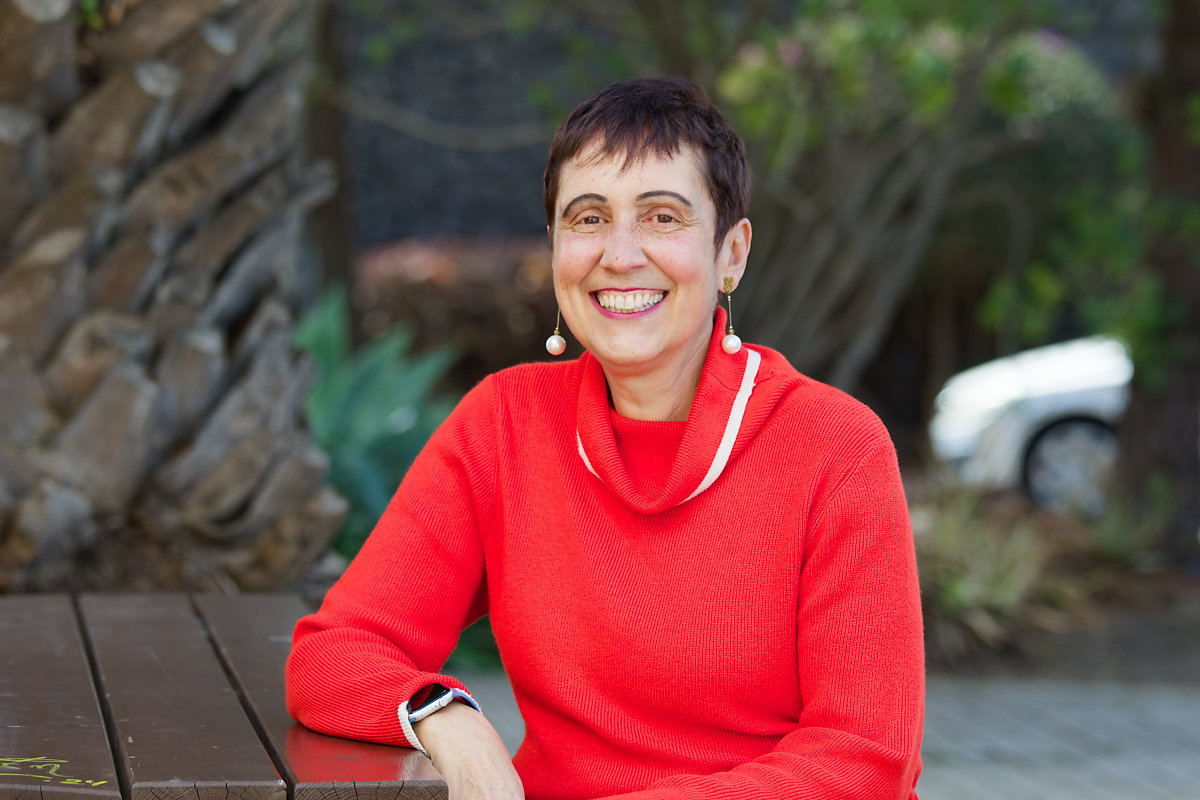
Elena Sánchez Jordán.
Although it has been more than a century since the Royal Order of March 8, 1910, officially authorized women's access to university in Spain, there is still a long way to go. latest data contributed by the CYD Foundation Regarding the presence of women four years after graduation (graduates of 2017/2018), it shows that the female presence remains very small in engineering (18.3%) and computer science (12%) and that they receive a lower salary than men in almost all careers.
While it is true that female university professors have been gaining ground in our country in recent years, increasing by 26.41% in just over a decade, the fact remains that their presence in the highest ranks is still woefully inadequate. And the figures from the University of La Laguna speak for themselves. Of the 1,625 people who make up the Teaching and Research Staff (PDI), 182 hold a full professorship, and of these, 130 are men and 52 are women. This clear and glaring disadvantage only serves to confirm that women's position in the upper echelons of academia continues to be severely underrepresented.
“The academic world is very sexist. Although there is now a significant number of women starting out in the profession, and even reaching the top of their academic careers, the gender gap is evident. There is equality at the beginning of an academic career, but as you advance over the years and progress, that gap widens. There are the full professors, the directors, and those who have reached the rank of full professor—few in number—but they are not deans, directors, rectors, or responsible for anything,‘ comments Dulce Cairós, not forgetting to mention the academic merits that female professors fail to accumulate during maternity leave and the time dedicated to raising children. A real obstacle that slows their advancement to the top ranks.
Advances in gender violence
Despite the obstacles in the academic world hindering women's advancement in positions, Ruth Martinón Quintero, tenured lecturer in Public International Law and Director of the European Documentation Centre The woman from the University of La Laguna acknowledges that she did not grow up as a feminist because she never had problems in that regard in her family, but, without a doubt, gender violence, and especially vicarious violence, has been a turning point in her feminist perspective, a kind of lever for change that has led her to try to understand why violence against women continues to occur.
After delving into the “sum of discriminations” by addressing in a book chapter a problem of vulnerability and intersection of women – such as the study of sentences of the Inter-American Court of Human Rights Regarding the condition of being a woman, the condition of being indigenous and of poverty—, she delved into the case of Ángela González Carreño, the mother of a girl murdered in 2003 by her father, “whose life was in danger to the Spanish judicial system and social services that monitored the meetings between father and daughter.”.
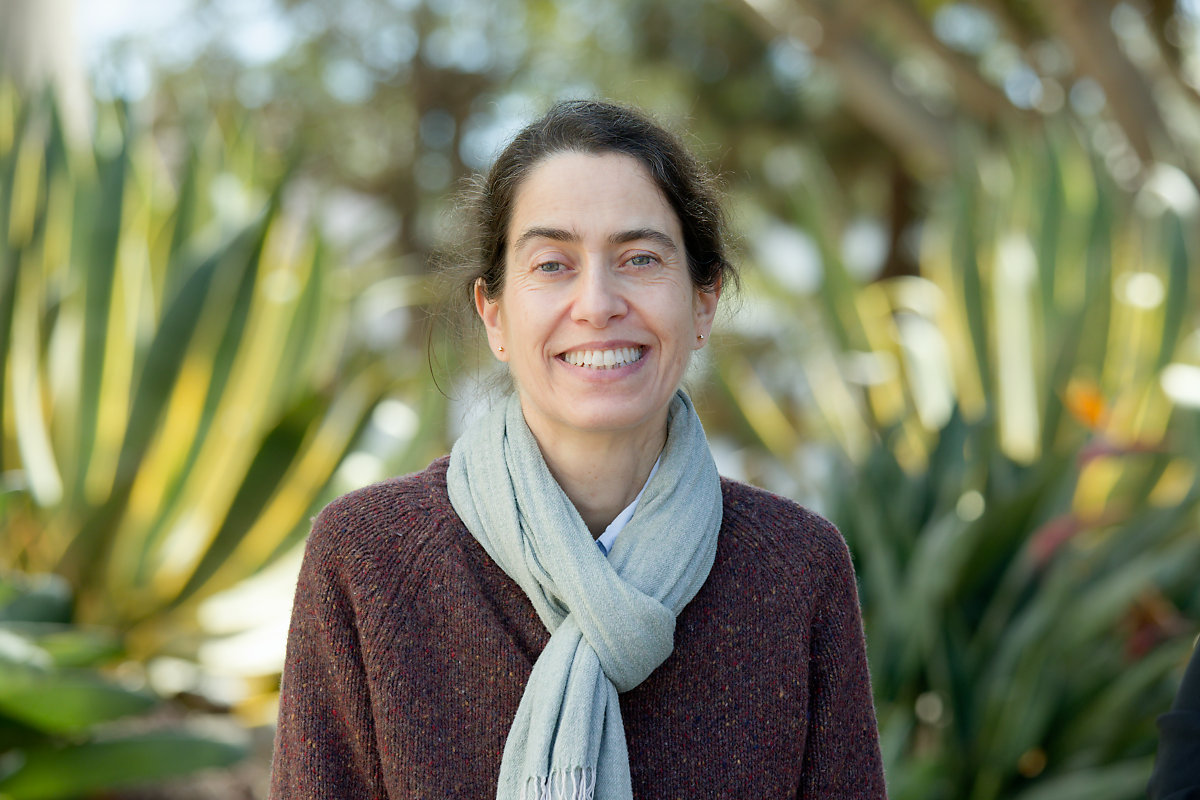
Ruth Martinón Quintero.
“This is a very important case of the impact of international law on Spanish law, a very high-profile and famous case that is behind a Spanish organic law against violence in childhood, but referring above all to vicarious violence, something terrifying and, from my point of view, the most extreme case of violence.”.
According to the expert, a very significant development is that gender-based violence is now considered in civil matters related to the family, such as divorce and child custody, something that didn't happen before. "How can you not take into account, when considering the father's rights, what the child is suffering at home? That has undoubtedly been a major step forward. Much progress has been made in legislation thanks primarily to international pressure.".
Jordán and Martinón agree on this point. Spain's progress in legislation on gender violence has been remarkable and is taken as an example in other countries, a true benchmark for students of the Law school, where the role of women in the workplace and women in the university has always been a priority. For the dean, it is crucial not to allow dates like March 8th to be overlooked., International Women's Day, go unnoticed.
Therefore, this year, the faculty has promoted a series of activities that will end on March 24 with the seminar '‘Gender order and constitutionalism: proposals for parity reconstruction’', which will take place in the Library of Law and Social Sciences, led by Ruth Rubio Marín, Professor of Constitutional Law at the University of Seville, and Octavio Salazar Benítez, Professor of Constitutional Law at the University of Córdoba, both authors of the book Gender order in the Spanish Constitution. These types of programs, which are organized every year, complement the lines of "intensive research" that are addressed in areas such as Labor Law.
Activities in the International Women's Day
“At the Faculty of Law, we do care about women and the situation of women, because academically that is part of our study plans and because the legal regulations that we achieve, that are being established and that are advancing and consolidating the right to equality, must continue to be analyzed with a critical perspective, because perhaps they are producing consequences contrary to the foundation and the object of the regulation,” Cairós comments.
Among the legal regulations and situations affecting women is the role they have always played in caregiving, a predominantly female task and role, “absolutely dominated by women,” which, according to the expert in Labor Law, is an almost omnipresent issue in journalistic discussions and prime-time television programs. And beyond the social sphere, which is also important, it is a problem that must be resolved legally. “The fact that care work is not regulated, is not recognized, also fosters inequalities—wage gaps and employment gaps—it is a significant gap that manifests itself throughout a woman's life.”.
“This situation creates a gap when women reach retirement age. There are many women who are poor in the economic sense of the term, meaning they don't have enough income to cover their basic needs. Why? Because these are women who have been out of the workforce for a long time and haven't contributed to social security. In this sense, there is a very serious social security gap that disadvantages women.”.
Another scenario in which women and children are sometimes harmed is shared custody, because, by definition, child support payments are eliminated. And in some cases, as Dulce Cairós points out, it also means not taking responsibility for the children. “Because the basis of shared custody isn't that your mother or father takes care of the children, if you're a man, but rather the child's right to have their father present, to grow up with him, to live with him, and to receive paternal influence and a male role model.”.
Although, legally, a woman is no different from a man because the Constitution and the Civil Code prohibit it, Cairós, Sánchez, and Martinón all agree that, despite the progress made, situations persist in which women remain at a clear disadvantage compared to men. “The three of us have found ourselves in situations where the response we received would not have been the same if we had been men.”.
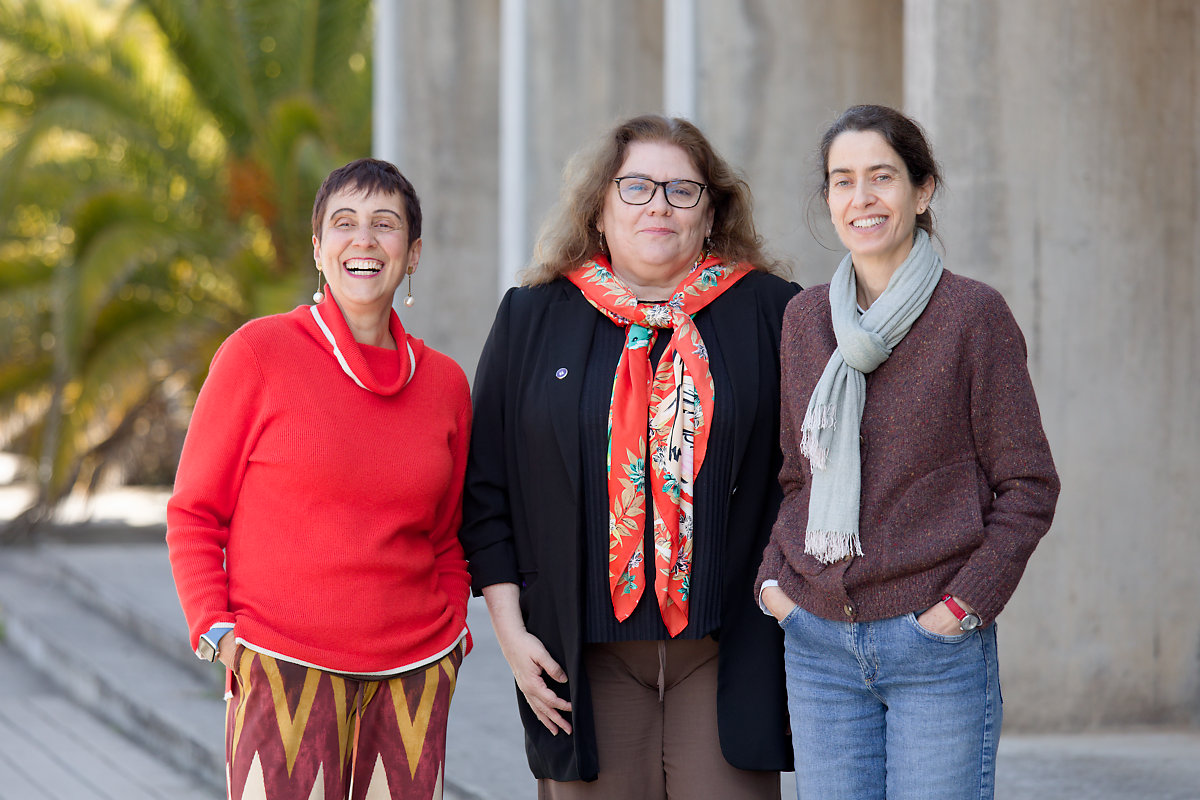 Legal professionals
These three legal professionals, with their distinguished and meritorious academic careers, agree that they continue to attend important congresses and research or work meetings related to the legal field, where a recurring pattern emerges. The male lawyers are addressed by their surnames, while the female lawyers are called by their first names. “There’s a deep-seated, very paternalistic attitude there. She might be a full professor and he isn’t, but he’s addressed as ”Don’ because he’s possibly older than her or was a professor before her,” comments Sánchez Jordán.
All three agree that women may be more hesitant to express their opinions, as well as to lead discussions or decision-making processes, regardless of their qualifications or merits. "Women always tend to voice their opinions a little later, and this is a matter of upbringing, of having always been relegated to the background, of a historical burden that still lingers," they explain.
That historical burden may be responsible for a certain insecurity around men, even when it comes to participating in matters about which we can say they know less than we do, but they have much greater confidence in navigating them. I think we women feel that we will always be judged, scrutinized, in some way, explains Ruth Martinón.
These inherited situations are compounded by the many other challenges women continue to face: barriers that limit their development in various aspects of life. The gender pay gap, underrepresentation in leadership positions, gender-based violence, surrogacy, and the disproportionate burden of domestic responsibilities are just some of the persistent challenges. Because although significant progress has been made, eradicating inequalities remains an unfinished goal that requires the commitment of all of society.
Communications Office

 Spanish
 English
 French