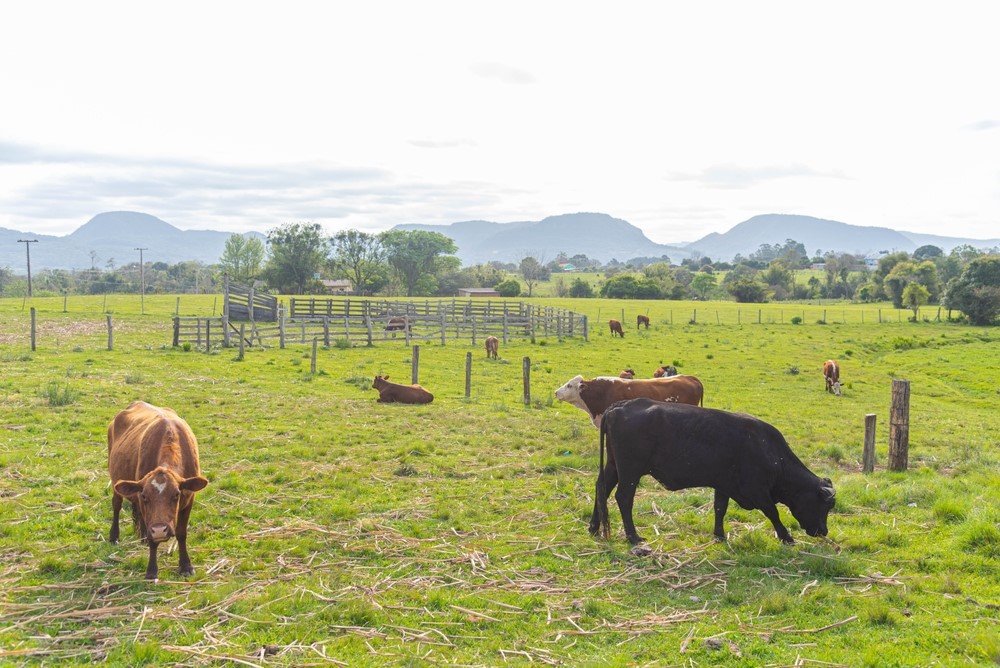
Experts from the universities of La Laguna, Miguel Hernández of Elche (UMH), and Zaragoza (UNIZAR) have identified the main vulnerabilities in extensive livestock farming systems in Spain. Published in the journal Exchange, The investigation, led by Zebensui Morales Reyes (ULL) and with the participation of Jomar M. Barbosa and José A. Sánchez Zapata (UMH) and Irene Pérez Ibarra (UNIZAR), based on the perceptions of more than 250 livestock farmers, highlights how socioeconomic factors such as the high cost of resources and the low profitability of livestock products, as well as environmental factors, represent the greatest threats to the sustainability of these systems.
This pioneering large-scale study in Spain gathers the perceptions of livestock farmers, providing key data for designing public policies that help the sustainability of the sector in the face of rapid social changes and global challenges.
The research uses the Coupled Infrastructure Systems framework, which examines how natural resources (pastures and water), external inputs (food and fuel), and private and public infrastructure (roads, regulations, and policies) interact. It also analyzes how biophysical factors, such as climate and wildlife, along with socioeconomic disturbances, affect these systems.
The study identified 24 vulnerabilities impacting extensive livestock farming systems in Spain. Over 78% of livestock farmers indicated that socioeconomic factors, such as high resource costs and uncertainty regarding subsidies and profitability, are by far the greatest challenges. A third mentioned biophysical disturbances, such as climate change and interactions with wildlife. Furthermore, around 15% highlighted internal problems related to high labor demands and a lack of generational succession as obstacles to sustainability.
The authors emphasize that their findings are fundamental for developing public policies that strengthen the resilience of extensive livestock farming in Spain. They recommend increasing the sector's social recognition, improving the quality and differentiation of livestock products, promoting coexistence with wildlife, and reinforcing rural infrastructure.
They also propose that Common Agricultural Policy (CAP) funds be used to support not only profitability, but also grazing practices that promote coexistence with wildlife and adaptation to climate change.

 Spanish
 English
 French