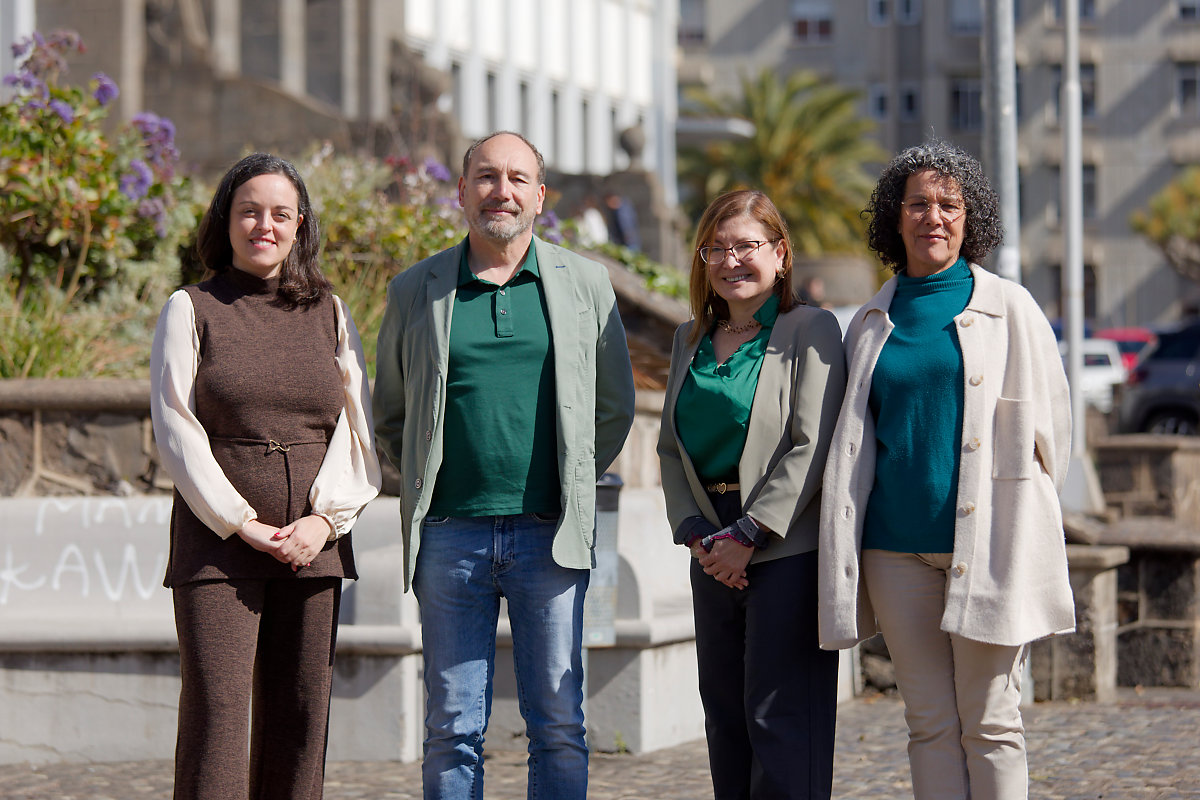
He The concept of education mediated through new, ever-changing technologies acquired special relevance during the COVID-19 pandemic, in which the digital infrastructures of educational systems at all levels became a key element to cope with the disruption of face-to-face learning.
This crisis thus marked a turning point in the approach to technology in education and reinforced the need to integrate the digital component into pedagogical models. As Professor [Name] points out Carina González, principal investigator of the group ITED: Interaction, ICT and Education, The pandemic showed that digital learning "is not limited to the simple digitization of content, but requires a methodological redesign," in which updated teacher training is key.
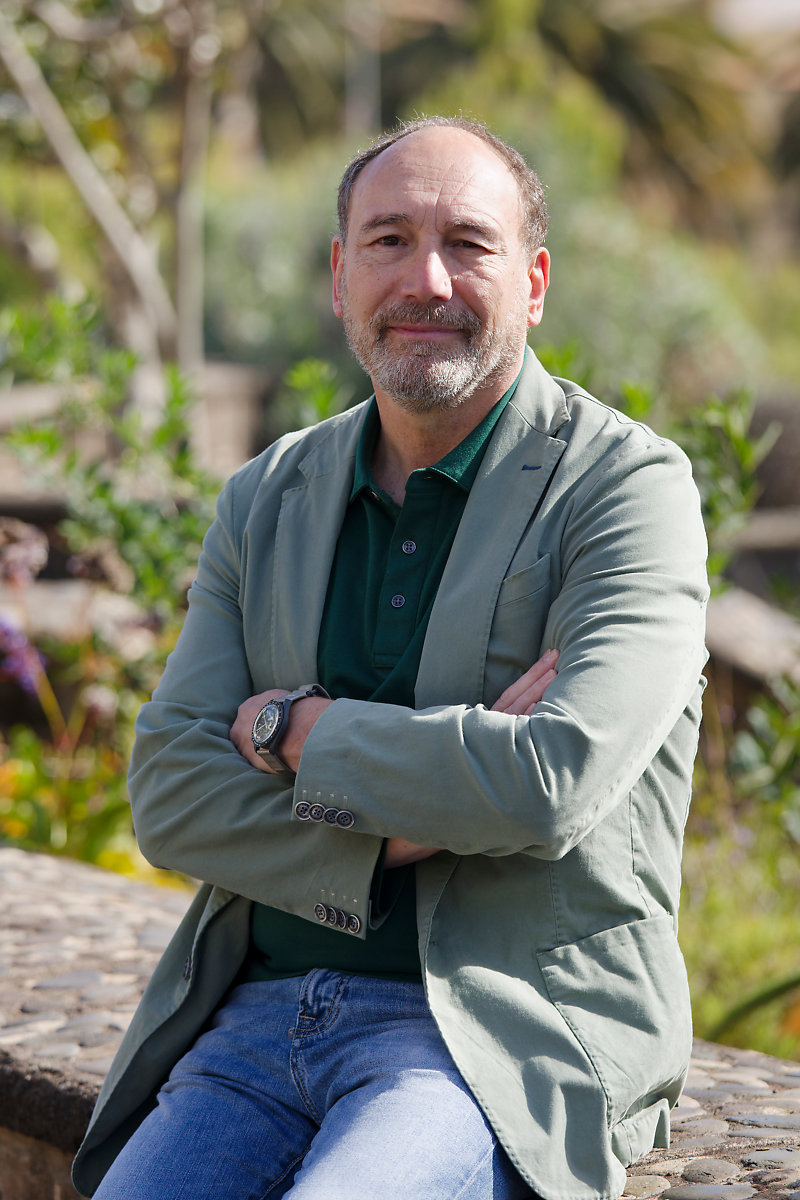
Manuel Area
He Laboratory of education and new technologies (EDULLAB), created in 1999 and directed by Professor Manuel Area, The group develops several lines of research related to promoting the educational use of new technologies. One of its current areas of work focuses on studying new electronic teaching materials used in the classroom as an alternative to textbooks. This is a national R&D project in collaboration with the Universities of Santiago de Compostela and Valencia, with over ten years of history, during which it has explored the educational stages of early childhood, primary, and currently, secondary education.
Similarly, the educational offerings of the University of La Laguna also adapt to the educational potential of new technologies, through programs in Expert in Digital Teaching Competence y Expert in University Teaching. In addition to this, there is the proposal of the '‘Catalog of applications for university teaching’'(DocApp), as well as the ICT Accompanying Program, with which the institution is advancing in its integration of a new learning and teaching model about which there are still many unknowns.
Technological uncertainty
In June 2024, the Spanish Government approved the Draft Organic Law for the Protection of Minors in Digital Environments, with the aim of guaranteeing children's rights in the digital sphere, as well as their right to the protection of their personal data and access to age-appropriate content. The text, designed to protect children from the risks that arise in digital environments and promote the responsible use of technology, incorporates proposals from experts, including one aimed at developing research on the effects of technology on the cognitive development of children and adolescents. This responds to a societal concern about the effects of children's and young people's use of available digital tools, which leads many parents to be hesitant about including these digital skills in the classroom.
For Manuel Area, principal investigator at EDULLAB and director of the TECNOEDU Chair of Technology and Education, The adaptation of educational programs to new digital environments is a logical consequence of the media-saturated society in which today's children and young people are being raised. "Education must prepare students for the culture of the era they live in, so that they are ready to engage with it," the researcher points out.
She points out that the concerns of many families about overexposure to unregulated technology and the potential dangers that can arise from it are very valid, but adds that the response cannot be to turn a blind eye and prohibit it, but rather to regulate its use and understand how to adapt it to learning dynamics. In this sense, teacher supervision and guidance are essential, so that students at all educational levels learn to use these technologies critically. This is what the researcher from the Department of Didactics in Educational Research says. Bethlehem Saint Nicholas It is called "the student's capacity for self-regulation of their own learning," which is essential when working in a digital context in which most professions are currently developed.
New virtual environments for greater inclusivity
The integration of technology into education is not as recent a phenomenon as many might imagine. In fact, the University of La Laguna will commemorate the twentieth anniversary of the establishment of its virtual campus in 2025, a tool that has become fundamental for daily learning.
For Carina González, the flexibility offered by the virtual environment—accessing content from anywhere, at any time, and in different formats—is one of the main characteristics of digital learning. According to Manuel Area, this adaptability of the learning process also translates into greater personalization of content for the student. This provides teachers with a tool to offer more options and motivate students in a more individualized way, through learning paths and tasks specifically designed for this educational environment.
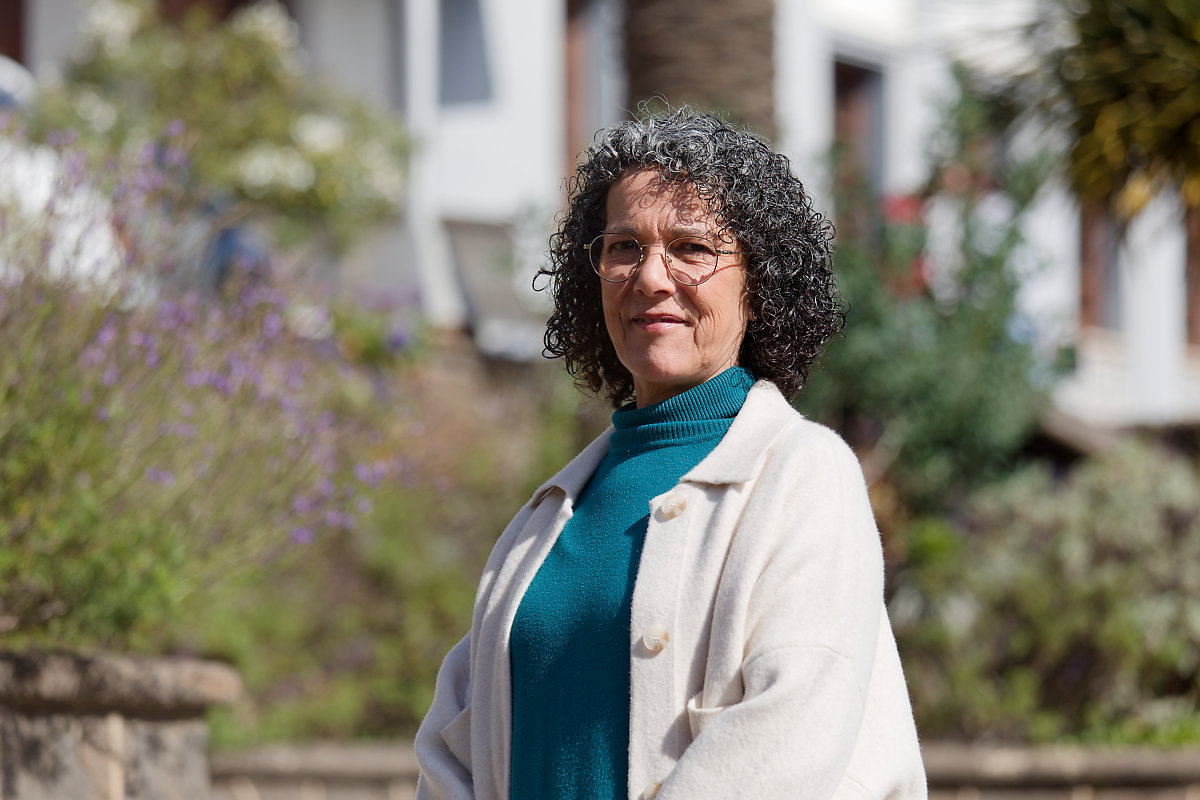
Ana Luisa Sanabria
In this educational landscape, the responsibility of teachers as guides in the use of technology is essential. This is the opinion of the researcher and professor. Ana Luisa Sanabria, It is necessary to pay attention to the harmful effects that prolonged use of certain digital formats without clear objectives can have on students' skills, such as lack of concentration on prolonged tasks like reading, the search for immediacy in solving tasks, or the risk of falling into dynamics of misinformation.
According to Belén San Nicolás, the true added value of using technology in learning lies in developing active methodologies from an innovative perspective, and not simply as an accessory to traditional educational processes. Similarly, Carina González points out that "it's not just about transferring traditional classes to virtual environments, but about creating educational experiences enriched with technology.".
In this regard, a second line of research is being developed within EDULLAB, in collaboration with the Universities of Valladolid and Extremadura, which examines the uses of the virtual classroom. On the one hand, an analysis of the data generated in virtual classrooms is being carried out to identify patterns or models of behavior that link students' use of these resources with their academic performance. Simultaneously, the perceptions of both students and faculty are being explored, as well as their expectations regarding digital learning at the university level.
The technological innovations that teachers can incorporate into these virtual environments range from project-based learning routines to practices of flipped classroom (flipped classroom) or gamification strategies. According to Carina González, game dynamics, reward systems, and level progression are elements of gamification, that is, the application of game elements to educational environments, which can benefit various student groups. The researcher also points out that the possibility of incorporating feedback systems and personalized progression facilitates the adaptation of content to different levels within the same group, promoting the inclusion of all students.
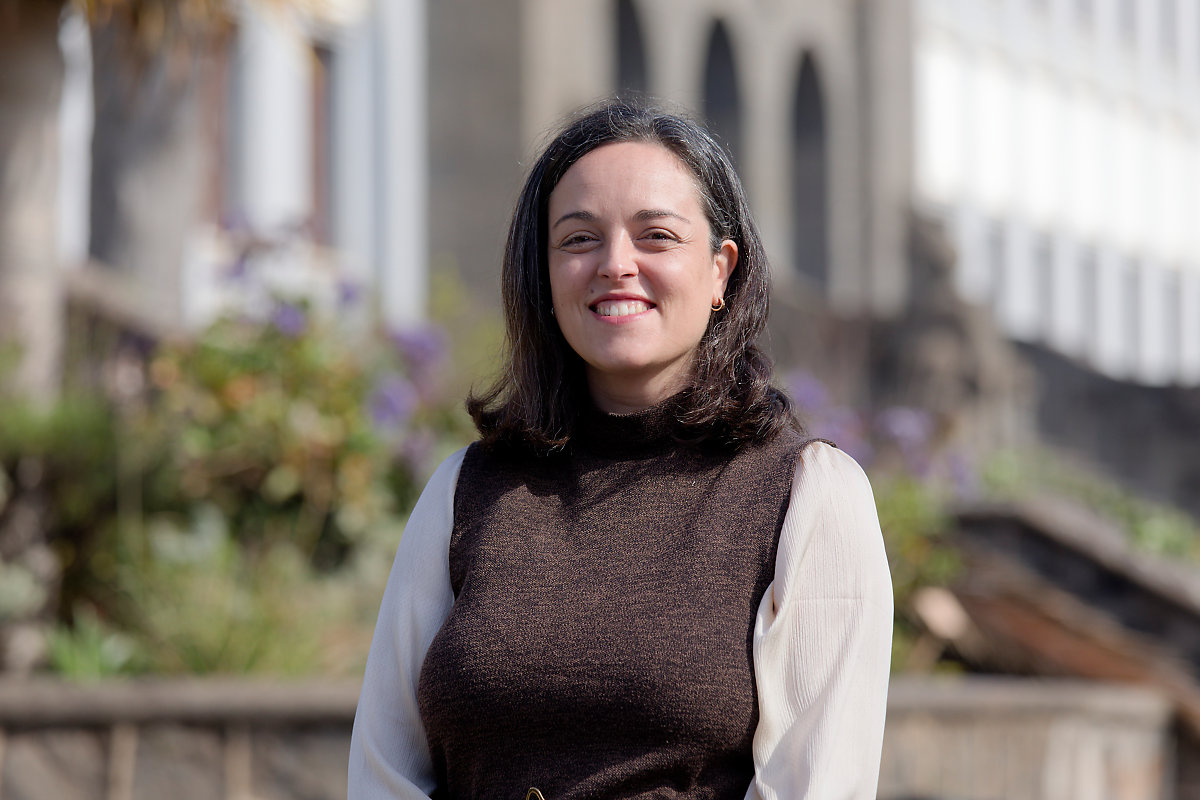
Bethlehem Saint Nicholas
Another relevant aspect of inclusivity through new technologies in education is the elimination of barriers that students with special educational needs may experience. Ana Luisa Sanabria highlights the potential of technology to offer teachers resources to support more personalized learning. Within the university setting, Belén San Nicolás points out another gap that digital learning can reduce: access to education in a dispersed island territory like the Canary Islands. “The possibility of developing degrees in a hybrid or online format can help reduce potential inequalities in access to education at different university levels,” San Nicolás notes. Currently, the University of La Laguna offers various blended learning degrees, as well as online 100% degrees, such as the Master's Degree in Education and Information and Communication Technology.
Increased complexity in teaching load
According to experts, without a proper adjustment of work dynamics, this wide range of possibilities offered by new technologies can also lead to an extra workload for teachers. For Manuel Area, the creation of new, personalized virtual learning environments for students, allowing them to carry out tasks independently and receive direct feedback, involves a complexity perhaps even less obvious than that of traditional teaching methods, for which most teachers continue to develop materials. “The teaching load of in-person instruction should be balanced against the increase in hours of virtual work,” he points out, emphasizing the need to adapt regulations to prevent teachers from becoming overburdened.
In addition, there is an urgent need to train teachers in digital skills, not only in the use of technological tools, but especially in the design of educational materials developed for these virtual environments, for which it is essential to have a pedagogical understanding of the functionality of each element of this new teaching space.
One of the defining aspects of new distance learning modalities is the way in which channels of interaction are established between students and teachers. Area believes that innovation in learning must also extend to assessment methods, requiring teachers to adapt their teaching objectives to continuous assessment throughout the semester. This involves constant communication with students, both through video tutorials and feedback on each activity.
In the field of teacher education, the TECNOEDU Chair pays special attention to the teaching work in the school system, through seminars that offer training in digital competence to teachers and address related social phenomena, such as the irruption of artificial intelligence in education.
Promoting a critical use of artificial intelligence
According to these specialists, lectures and final assessment systems based on a single textbook are producing increasingly poor results in an educational environment where artificial intelligence renders many tasks pedagogically ineffective. Student work should be geared towards developing critical thinking skills and presenting challenges that require them to explain the verification and comparison phases they followed using data provided by artificial intelligence engines. This type of teaching practice allows for the evaluation of "not only the final product, but also the problem-solving process that led them to that conclusion," Area points out.
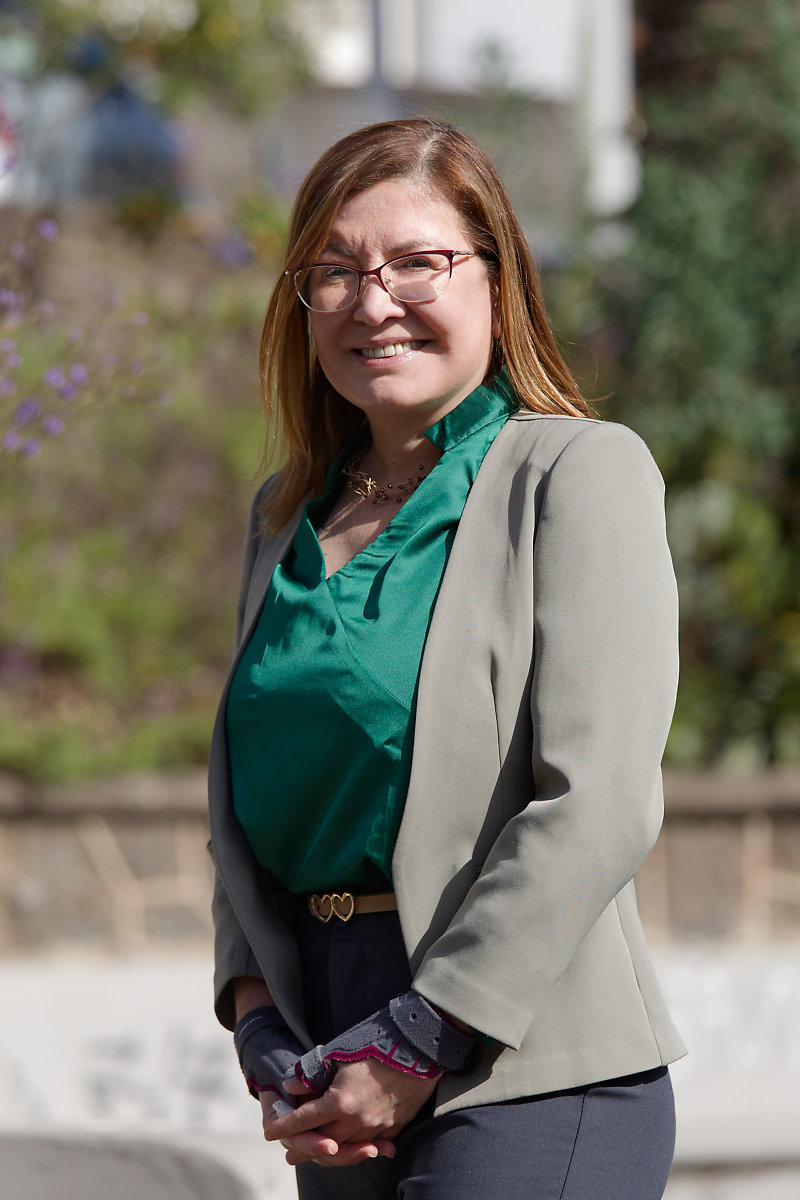
Carina González
For Carina González, the emergence of artificial intelligence in education is an inevitable and growing phenomenon, in which educational institutions and teachers must adopt a proactive stance that includes the responsible integration of these new tools into teaching processes. To this end, it is essential that teachers understand how AI works and its limitations and communicate this understanding to their students.
However, he asserts that there is a real danger that AI could negatively impact the development of cognitive skills and lead to an over-reliance on solving certain tasks, making it imperative to redesign these assessment processes. Therefore, González proposes the use of models that can help evaluate the pedagogical impact of new learning technologies and AI tools. These include the SAMR model (Substitution, Augmentation, Modification, and Redefinition), a tool that can assist teachers in evaluating the integration of ICT in the classroom, and the TPACK model (Technological Pedagogical Content Knowledge), which guides teachers on how to appropriately integrate technologies, including AI.
In a context where many students are already familiar with search engines at home, Belén San Nicolás also advocates for new technology education that provides guidelines for the critical use of these tools and instills a necessary phase of reflection on the learning process, since banning AI will not prevent its use. “It is important that we explicitly discuss with our students the impact that AI use can have on their learning and the need to avoid deceiving themselves about the achievements they have made in their academic activities supported by this tool,” San Nicolás adds. Ana Luisa Sanabria agrees, considering it essential to instill a values-based approach to the use of these digital resources.
As part of exploring the dynamics of artificial intelligence in university education, researchers at EDULLAB are currently developing a line of research focused on the uses of artificial intelligence in the development of educational innovation projects at the University of La Laguna (ULL). According to Manuel Area, the aim is to implement AI in various university courses to create a teaching model that fosters the development of critical thinking skills in students.
Experts agree that only through cross-disciplinary knowledge and a deep understanding of the operation, uses, and risks of new technologies applied to the educational field will both students and teachers be able to benefit from the important advantages of flexibility, inclusion, and access to multi-format information that they undoubtedly offer.
(This report is an initiative framed within the InvestigaULL Commemorations Calendar, a scientific dissemination project promoted by the University of La Laguna).
Scientific Culture and Innovation Unit (Cienci@ULL)

 Spanish
 English
 French