The University of Las Palmas de Gran Canaria hosted the 5th Scientific and Outreach Conference, "A Journey to a Sustainable Future," this Friday, focusing on the latest findings from the largest study to date on the effects of climate change on threatened marine and terrestrial biodiversity in the Canary Islands. The event highlighted how human impact continues to negatively affect species, the central theme of the CanBIO project, a pioneering initiative in the Canary Islands funded equally by the Government of the Canary Islands and the Loro Parque Foundation and developed by research groups.
research by ULPGC and the University of La Laguna.
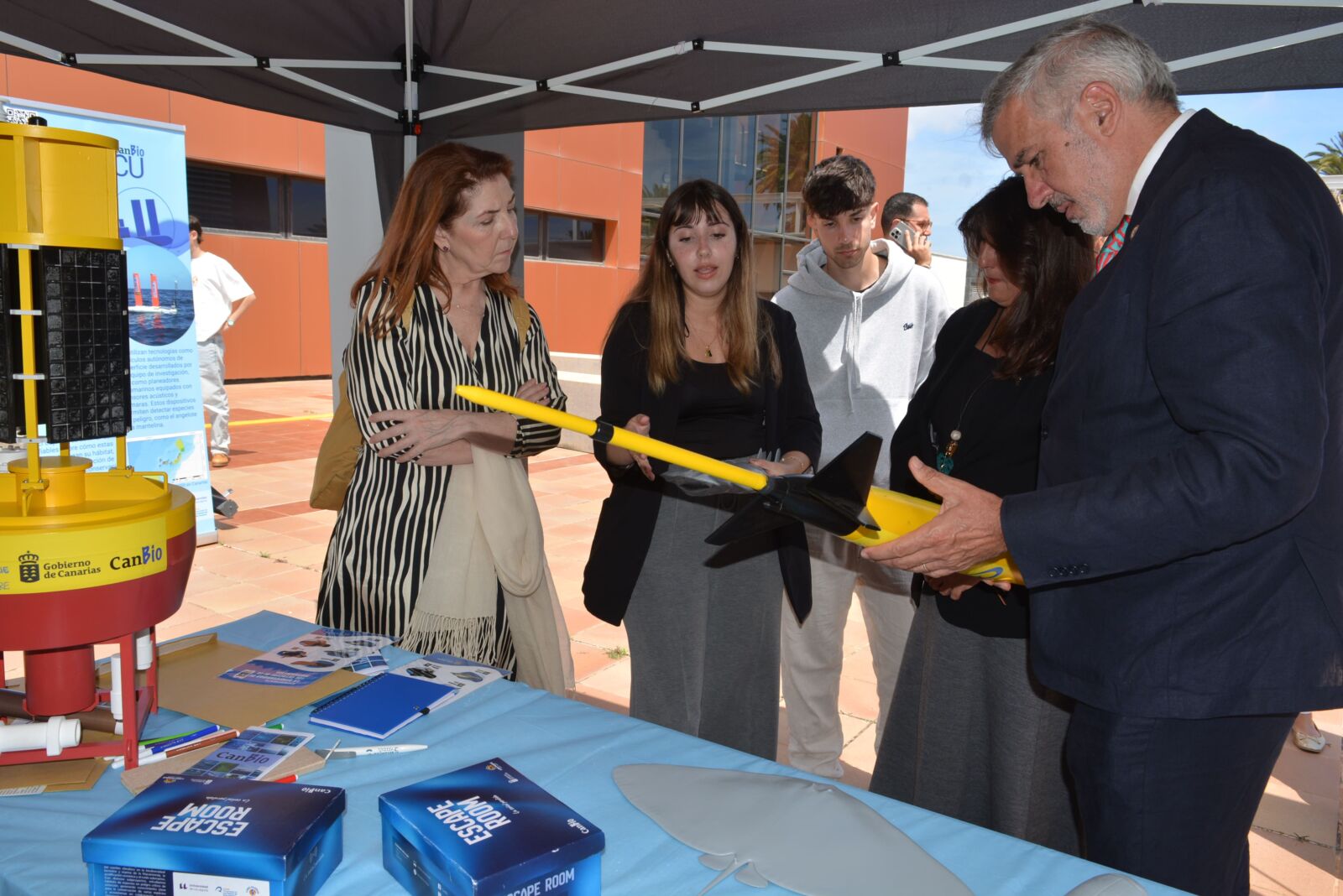
From left to right, Vice-Rector for Sustainability of the ULL, Deputy Minister of Ecological Transition and Rector of the ULPGC.
The opening ceremony was attended by the rector of the ULPGC, Lluís Serra Majem; the deputy minister of Ecological Transition, Fight against Climate Change and Energy of the Government of the Canary Islands, Julieta Schallenberg Rodríguez; the vice-rector of Sustainability and Infrastructure of the University of La Laguna, Marta Domínguez Herrera and the director of Loro Parque Foundation and coordinator of the project, Javier Almunia Portolés.
During the event, researchers from the University of La Laguna and the University of Las Palmas de Gran Canaria (ULPGC) shared scientific advances on ocean acidification, marine noise pollution, and their impact on vulnerable and critically endangered species, all within the framework of the eight subprojects that make up CanBIO. With a total investment of three million euros since 2019, the program has established itself as the largest regional commitment to the study of climate change in Macaronesia.
Among the new findings presented by the researchers were the increases in acidification compared to previous outreach sessions. They also highlighted the increased impact of underwater noise on biodiversity, as measured by the soundscape recording instruments installed by the project in the archipelago's waters.
The youngest ones, creating change
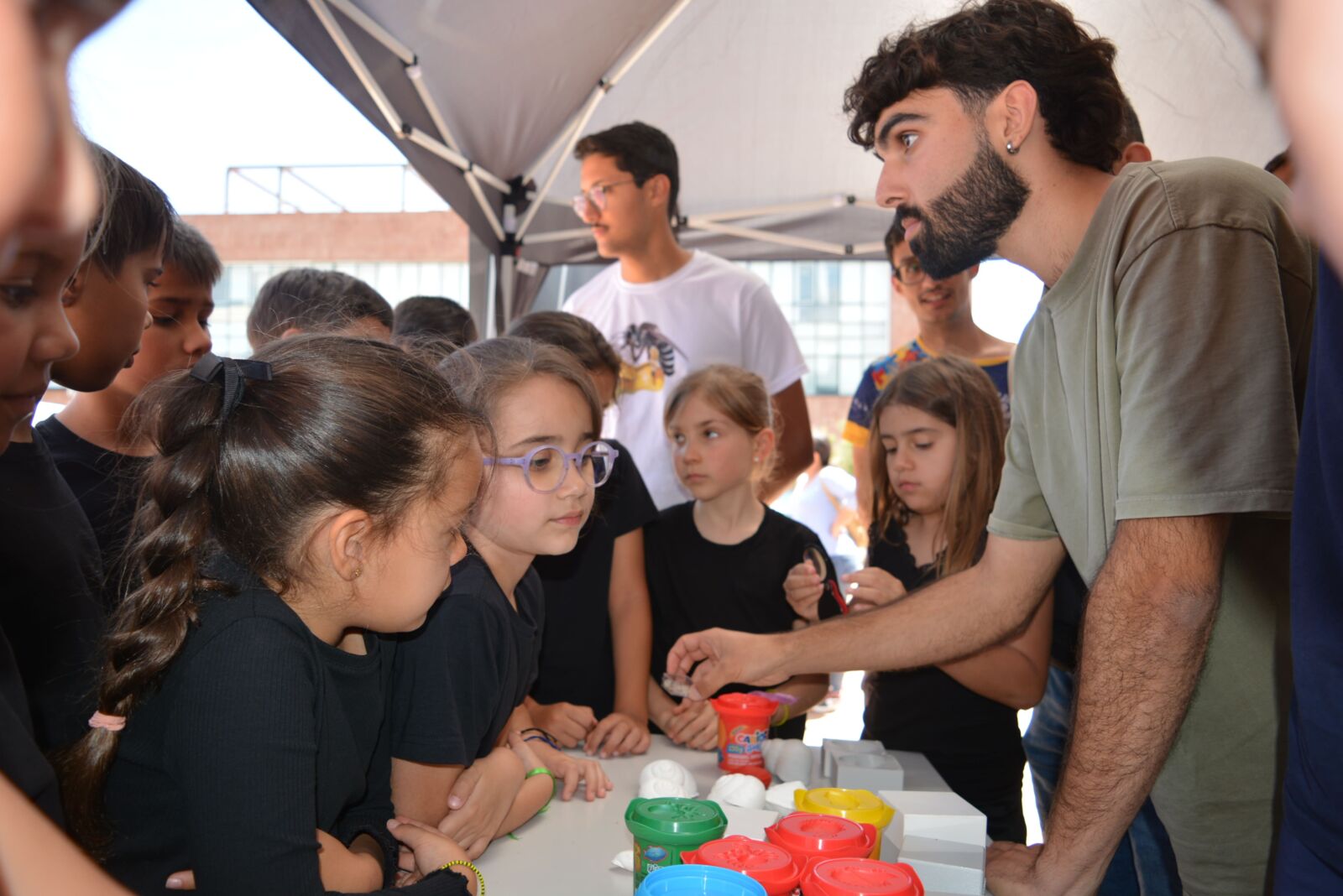
The meeting, held in the Basic Sciences Building of the Tafira Campus, was also attended by fifty primary school students from the Maestro Félix Santana Educational Center, who carried out workshops organized by the educational team of Loro Parque Foundation and the communication department of CanBio, including a display of life-size inflatable replicas of cetaceans, designed to raise awareness about the loss of marine biodiversity.
In addition, the youngest children enjoyed craft workshops with modeling clay, where they recreated critically endangered species of land snails, promoting the
Knowledge and respect for local biodiversity. For young people and adults, the project's communications team designed a themed escape room, one of the initiatives
of innovation in science communication based on transmedia communication techniques. These proposals made it possible to bring science closer to everyone in a playful, creative and accessible way.
The students treated the audience to a musical performance related to the theme of climate change to conclude their participation in the conference.
The goal of CanBio is to study climate change, ocean acidification, and their effects on the marine and terrestrial biodiversity of the Canary Islands archipelago. This project involves various research groups from the University of La Laguna and the University of Las Palmas de Gran Canaria, as well as environmental volunteer groups. Since its inception in 2019, CanBio has worked to establish a monitoring network for key parameters related to climate change, underwater noise pollution, and its impact on biodiversity. Furthermore, it has become an essential data source for climate models in the Macaronesian region and a benchmark for the protection of marine and terrestrial species in the face of the challenges of global change. The subprojects that make up CanBio include BuoyPAM, MacPAM, CanOA, BioACU, BioMAR, BioTER, SonMAR, and BioModClim, each focused on different aspects of research into the impact of climate change on the ecosystems of the Canary Islands.

 Spanish
 English
 French