
The CajaCanarias Foundation and the "la Caixa" Foundation have recognized eight research projects from the University of La Laguna submitted to their 2025 call for proposals. The university has secured over €300,000 in funding through this initiative, as previously announced. The institution's research excellence has earned it eight of the twelve grants awarded to promote areas of interest to the Canary Islands and contribute to addressing the islands' challenges and problems. Let's learn more about them.
The projects proposed by the academic institution's research staff delve into economic inequality, the development of digital tools for inclusion, migration, the educational gap, and gender-based violence. In this way, they bring together areas of relevance to the University of La Laguna's research output, such as Computer Engineering, Educational Psychology, Economics, and Geography.
Vulnerability and gender
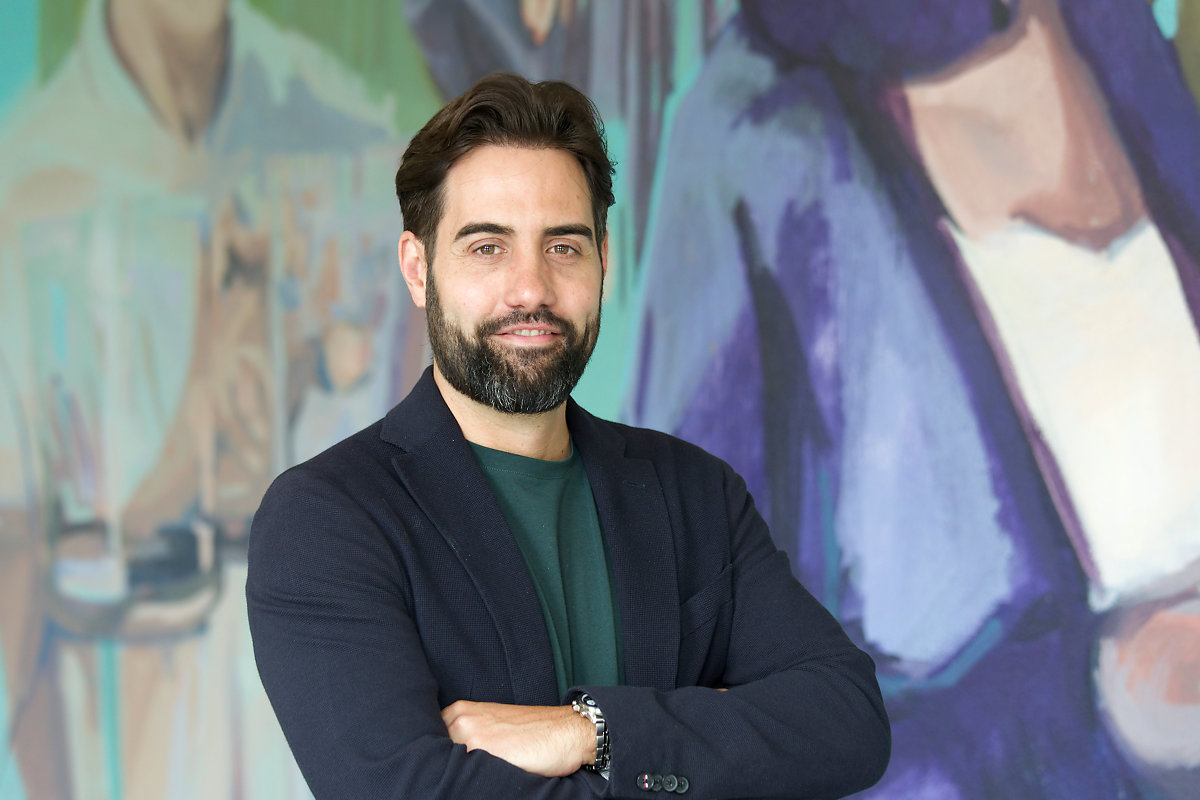
Angel Simon Marrero
The project “Inequality in wealth and income in the Canary Islands: vulnerable groups, poverty and gender gaps” is led by Gustavo Alberto Marrero, Professor of Economic Analysis, and has as co-investigator Angel Simon Marrero, Assistant Professor of Economic Analysis. This initiative seeks to analyze the dynamics of inequality in income and wealth, as well as its relationship with the risk of poverty and social exclusion in the context of the islands.
With a planned duration of three years, the research will identify the most vulnerable profiles of the population, evaluate the factors that influence these inequalities, and analyze the potential impact of public policies designed to improve equity and social cohesion.
According to its director, the aim is to generate knowledge that can be useful in evaluating effective measures to reduce structural inequalities in the Canary Islands and promote greater social justice and collective well-being. The project is conceived as a collaborative and multidisciplinary effort, bringing together a dozen researchers from the University of La Laguna (ULL), Complutense University of Madrid, University of Alcalá, and the World Inequality Lab, specializing in disciplines ranging from economic theory to public health, to ensure a comprehensive approach to studying inequality in its various dimensions.
Digital divide in hospitalized children
“Hospital classrooms and the digital divide: Implementation of AI and social robotics tools for inclusion” proposes to improve the emotional well-being and reduce the digital divide of hospitalized children in the Canary Islands through the use of emerging technologies, such as conversational assistants and digital robots.
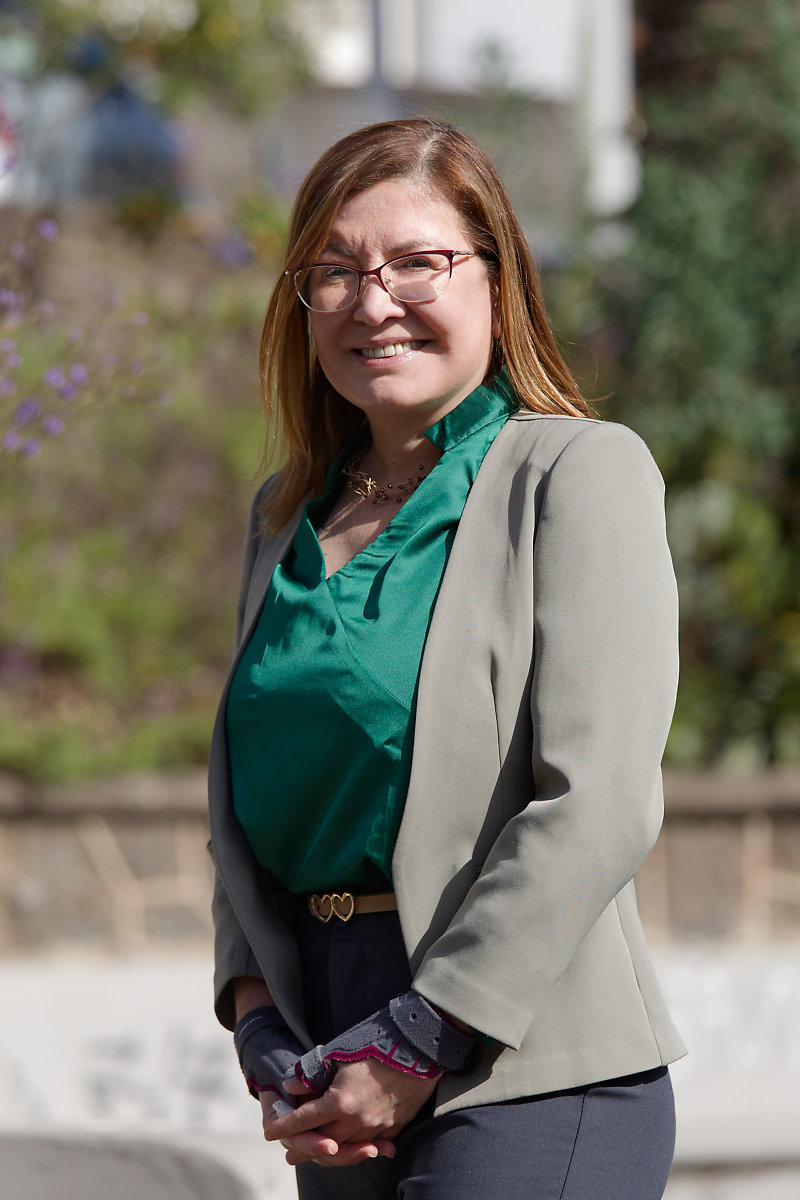
Carina González
The project, led by the professor of Architecture and Computer Technology and director of the Interaction, ICT and Education (ITED) research group, Carina Soledad González González, It proposes the integration of these tools into hospital classrooms to personalize learning, offer emotional support, and strengthen the educational connection during this process.
Over the three years of the project, a diagnosis of current technological gaps will also be carried out, teachers will be trained in techno-pedagogical skills, and an impact assessment system will be implemented. The main challenge of this research will be its development in non-traditional educational environments such as hospital classrooms, with multiple variables and stakeholders involved.
Ultimately, this project, in which researchers from the ULL participate along with those from other centers such as Granada, Salamanca, Barcelona and the Doctor José Molina Orosa Hospital, raises the cross-cutting need to guarantee equity and social inclusion, through technological innovation that strengthens the right to education of children in vulnerable situations.
Well-being of users of social services
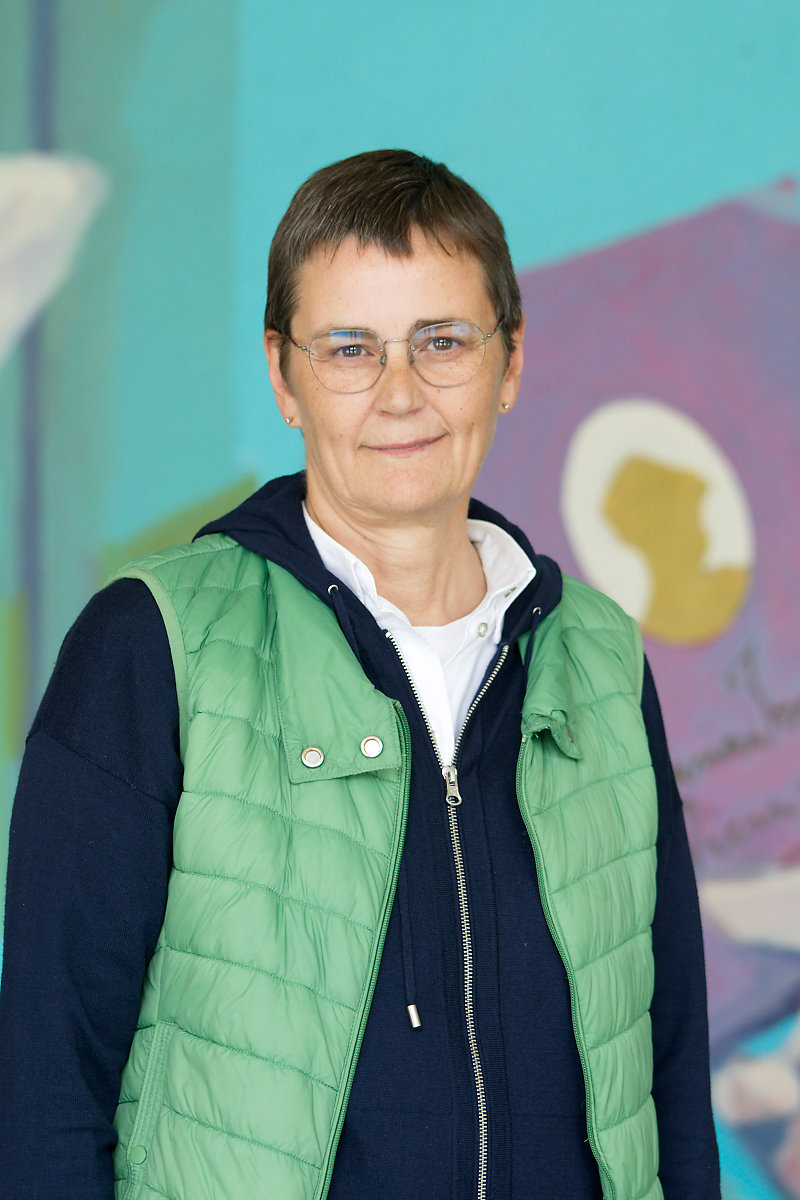
Celsa María Cáceres
The professor in the area of Social Work and Social Services Celsa María Cáceres Rodríguez She is the principal investigator of the project “Influence of personal economic efficacy and consumption orientations on the psychosocial well-being of the population using social services in the Canary Islands”.
This multidisciplinary research focuses on analyzing personal economic efficacy and consumption patterns as determining factors in the well-being of economically vulnerable populations accessing social services in the archipelago. Specifically, it aims to study how the frugality or materialism of service users and their ability to manage money effectively directly influence their well-being.
According to Cáceres, this project aims to generate useful knowledge for designing realistic and effective psychosocial interventions that can be implemented by social workers to improve the well-being of these clients. Furthermore, it seeks to validate a personal economic efficacy scale in vulnerable contexts, as well as to challenge the stereotype that healthy and sustainable lifestyles are only accessible in high-income settings. This research will be conducted over two years and involves researchers from the fields of Social Work and Social Services, Child Psychology, and Economics at the University of La Laguna.
Emotional education and resilience
The research project “Emotional education for resilience as a factor of educational quality in contexts of inequality and poverty” aims to offer the Canary Islands educational community, especially at the primary level, a space in which to share experiences, studies and research results on emotional education, with the purpose of contributing to a better treatment of situations of inequality, poverty and uncertainty that affect a significant part of the archipelago's population.

Carmen María Hernández
In this way, it aims to establish an open dissemination platform that can be accessed and used by the entire educational community as a resource for addressing the emotional and motivational effects of different crisis situations. This project is led by the tenured professor in the area of Developmental and Educational Psychology. Carmen M. Hernández and it arises within the Emotional Education and Creativity research group, Emocrea.
Even during the pandemic, this multidisciplinary group from the University of La Laguna (ULL) collaborated with schools to implement activities that helped families educate their children about emotions and creativity as tools for well-being. Over the next three years, the research team will evaluate the emotional and motivational effects of inequality on students, as well as on families and teachers, and will design an intervention proposal to improve the quality of education by incorporating these aspects in a community-based and inclusive way.
Entrepreneurship and migration control
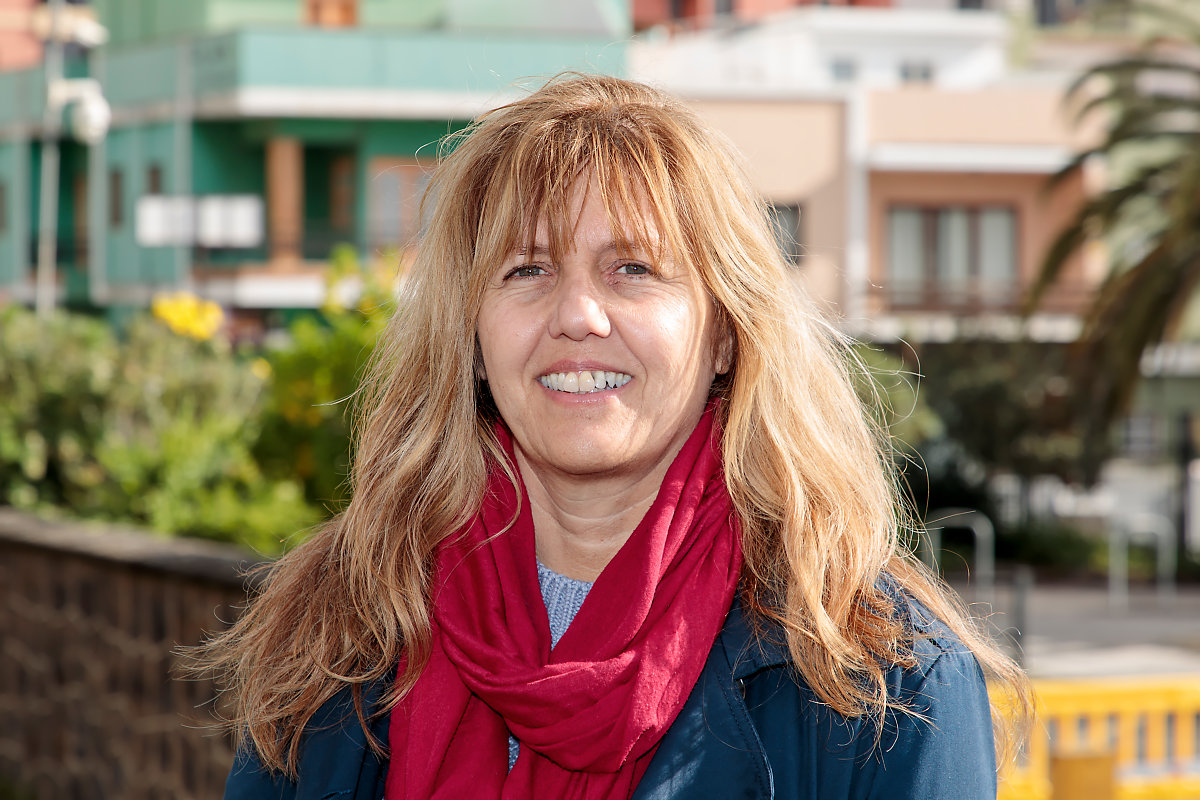
Carmen Inés Ruiz.
The project “Analysis of the factors that affect the development of entrepreneurial projects and their impact on migration”, led by the tenured professor of the area of Financial Economics and Accounting Carmen Inés Ruiz, This stems from the recognition that migratory movements—especially from less developed regions—respond to a combination of personal and structural factors, including a lack of job opportunities, insecurity, and economic uncertainty.
One of its effects is the so-called 'brain drain'. The project proposes to analyze how promoting entrepreneurship in countries of origin can become an effective tool to mitigate emigration motivated by economic or professional reasons.
Ruiz explains that the two-year project aims to understand migrants' perceptions of the conditions that facilitate or hinder the creation of entrepreneurial projects in their places of origin. Based on this information, intervention strategies will be designed to strengthen local entrepreneurial ecosystems and offer viable alternatives to migration.
The research team comprises specialists in economics, sociology, law, and business administration from the public universities of the Canary Islands. In addition, a doctoral candidate specializing in African culture will collaborate, supporting fieldwork and coordination efforts. The project aims to contribute to the design of public policies that reduce the need for emigration while strengthening economic and diplomatic relations with African countries.
Urban vulnerability and climate risk
The project “Reducing vulnerability and developing social resilience to climate risks in Santa Cruz de Tenerife” addresses the impact of flooding on the most vulnerable urban environments in the municipality of Santa Cruz de Tenerife, with special attention to the social and economic factors that aggravate the risk.
Based on the analysis of these factors and collaborative work with local stakeholders, an adaptation strategy will be designed to reduce vulnerability and strengthen the resilience of the population to future floods. This initiative arises in response to Santa Cruz de Tenerife's increasing exposure to extreme weather events, especially floods, which severely affect neighborhoods that still lack effective adaptation strategies.
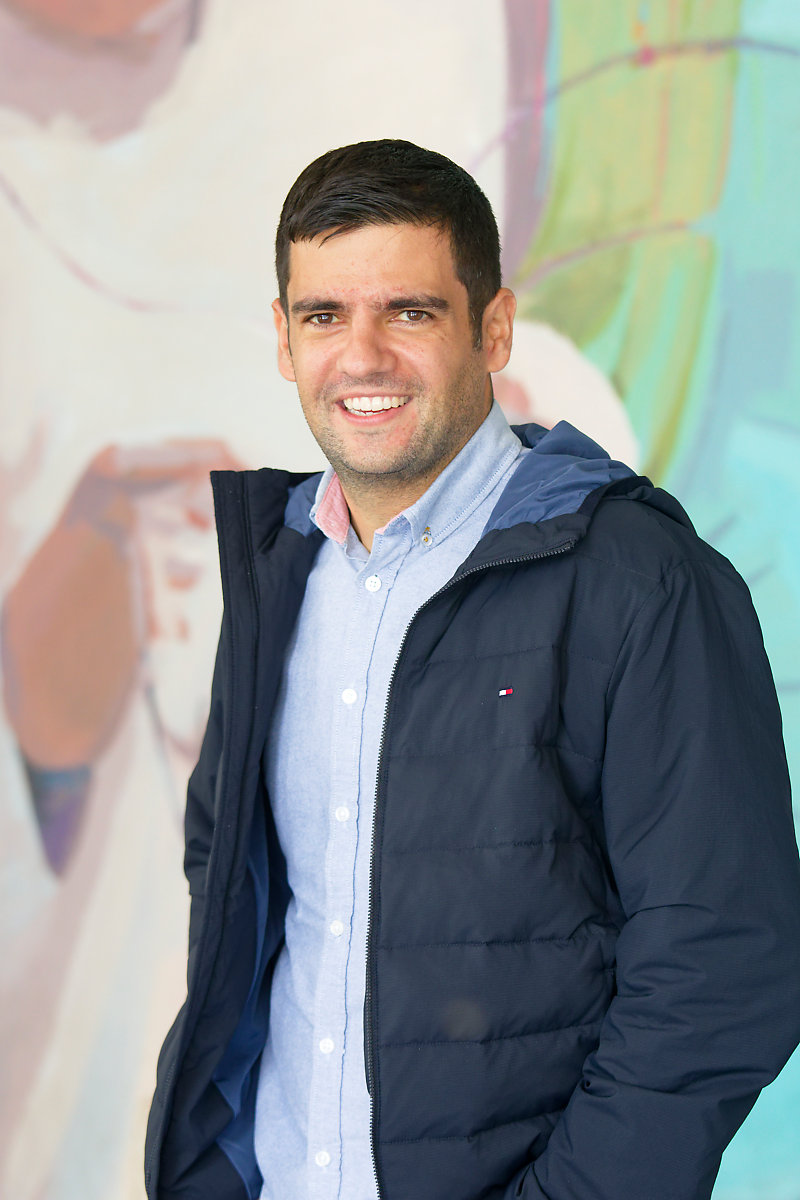
Abel López.
The project manager, Abel López, The assistant professor in the area of Physical Geography points out that the research has an applied focus. Its results will materialize in recommendations for urban planning, guidelines for improving risk management, and training initiatives aimed at raising public awareness about climate change.
In addition, tools and indicators useful for local governments will be developed. The team includes Pedro Dorta, Jaime Salvador Díaz, and Yeray Hernández, specialists in physical geography, urban planning, environmental economics, social perception of risk, and hazard modeling. Also participating are early-career researchers Nerea Martín and Jordan Correa, with FPU contracts specializing in climate risk and health, respectively.
Single-mother families and gender violence
The project “Intervention with single-mother families formed as a result of gender-based violence” analyzes the specific needs of women who, after experiencing gender-based violence, form a single-mother family. Based on this assessment, an intervention is proposed to address the consequences of these needs, with the aim of promoting the social inclusion and well-being of these women.
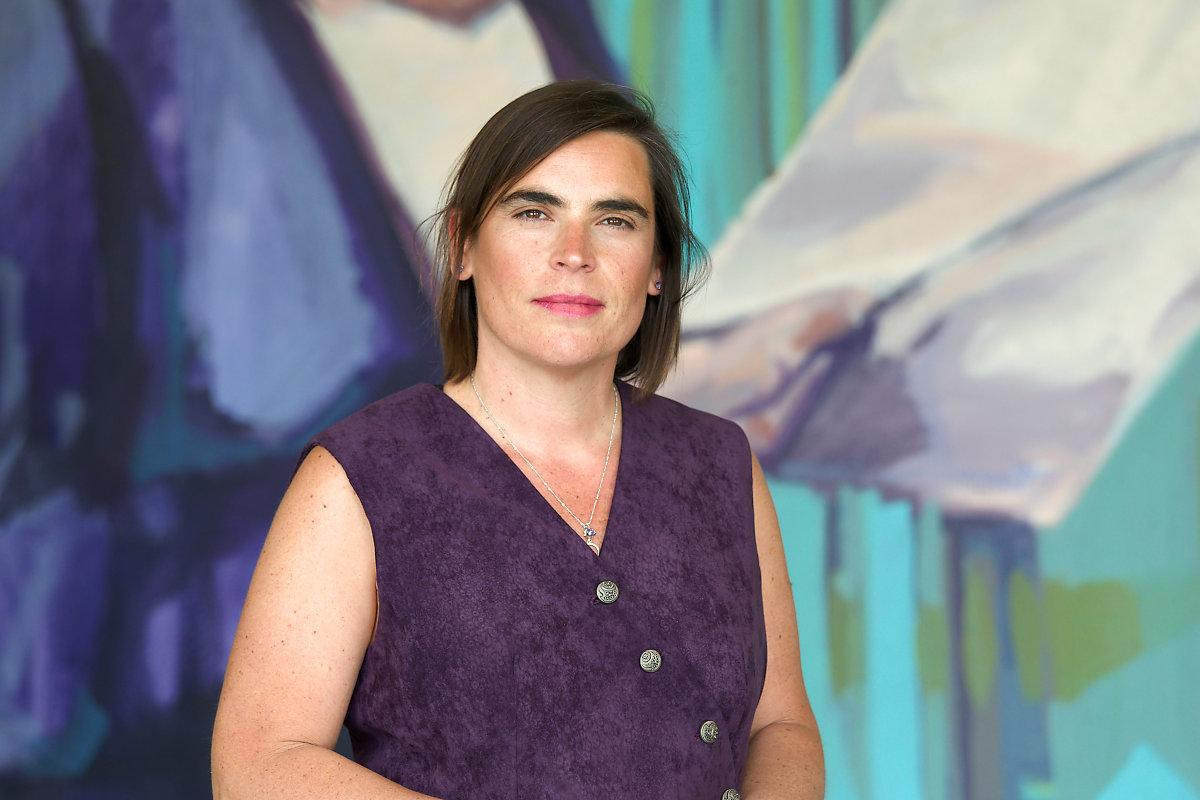
Laura Aguilera.
The initiative is led by Laura Aguilera, The project, led by a tenured lecturer in the Department of Social Work and Social Services, stems from an interest in studying social exclusion in relation to family structure and gender-based violence. The proposal integrates both issues and aims to offer the academic community an evidence-based intervention program designed to improve the quality of life of those affected.
With a planned duration of three years, the project has clear benefits for the Canary Islands, a community that consistently ranks among the highest in social exclusion indices and has a high rate of gender-based violence. In addition to Laura Aguilera, the research team includes Miriam Álvarez, Maryurena Lorenzo, José Manuel Díaz, Elena Sánchez, Leopoldo Cabrera, María Auxiliadora Gabino, Jesús Manuel Pérez, Patricia Melgar, Laura Rodríguez, and Zeinabu Mohamed Mahdi, from disciplines such as social work, pedagogy, law, communication, sociology, and psychology.
Impact of uterine fibroids
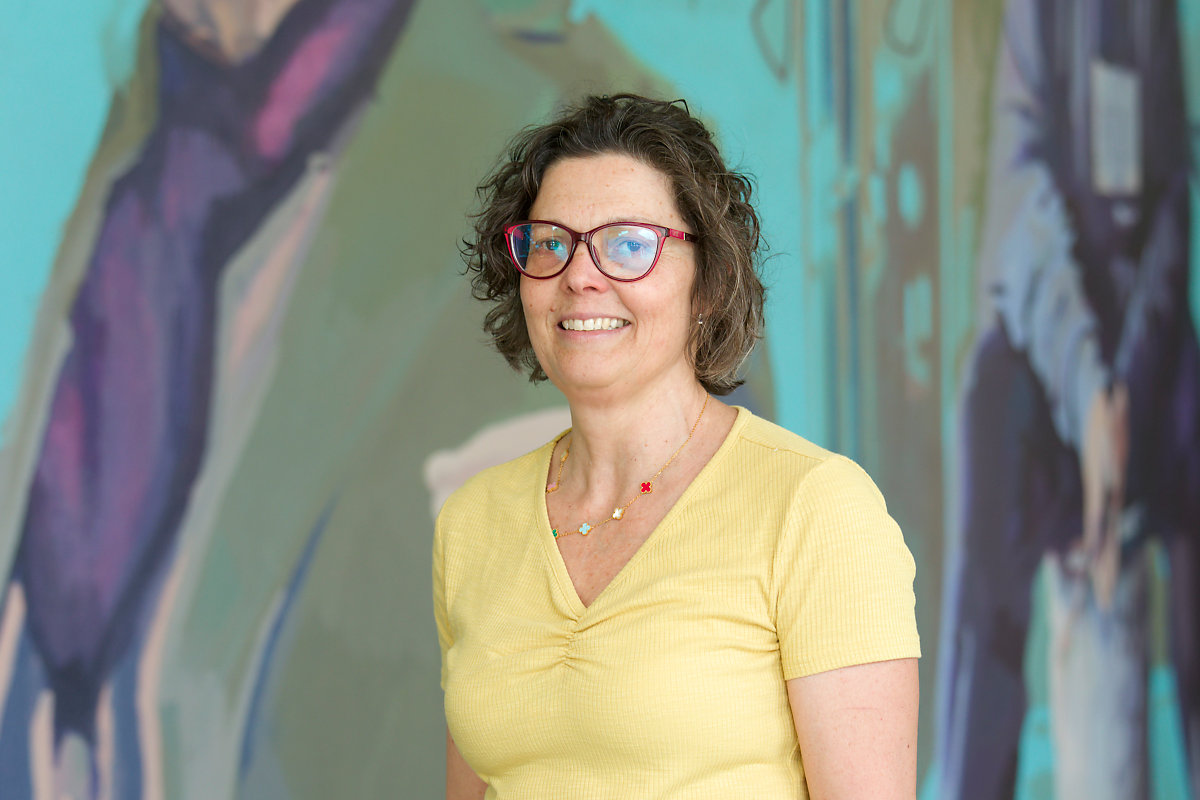
María Teresa Acosta.
“The project ”Impact of Uterine Fibroids on the Quality of Life of Women in Tenerife” aims to analyze, for the first time in the Canary Islands, how this gynecological condition affects both the quality of life and work performance of women on the island. The initiative, led by Teresa Acosta, Professor of Genetics, plans to collect data through clinical surveys applied in different specialized care centers, in order to evaluate the clinical and social situation of patients suffering from this common but little-seen condition.
The two-year project stems from the established work of the research group at the University of La Laguna, which has been studying uterine fibroids at the molecular level for over 20 years. During this time, the team has made significant progress in understanding the biological processes involved in the development and progression of these benign tumors. However, a significant knowledge gap remains regarding the actual impact fibroids have on women's daily lives, particularly in Tenerife.
The project has an applied and social focus, given that minimally invasive treatments are not routinely offered in the public healthcare system on this island. As a result, many women face long waiting periods or ineffective drug treatments, which significantly deteriorates their quality of life and, in many cases, leads to surgical interventions such as hysterectomy.
In addition to Teresa Acosta, the team includes Delia Báez, Professor of Gynecology; Silvia Beltrán, PhD candidate in Biomedicine; Lidia González and Pilar Armas, gynecologists; and Itahisa Marcelino, responsible for statistical and epidemiological analysis. The project will also benefit from the collaboration of Servicios Estadísticos de Canarias SL, which will be responsible for the initial collection and processing of data using computerized systems.

 Spanish
 English
 French