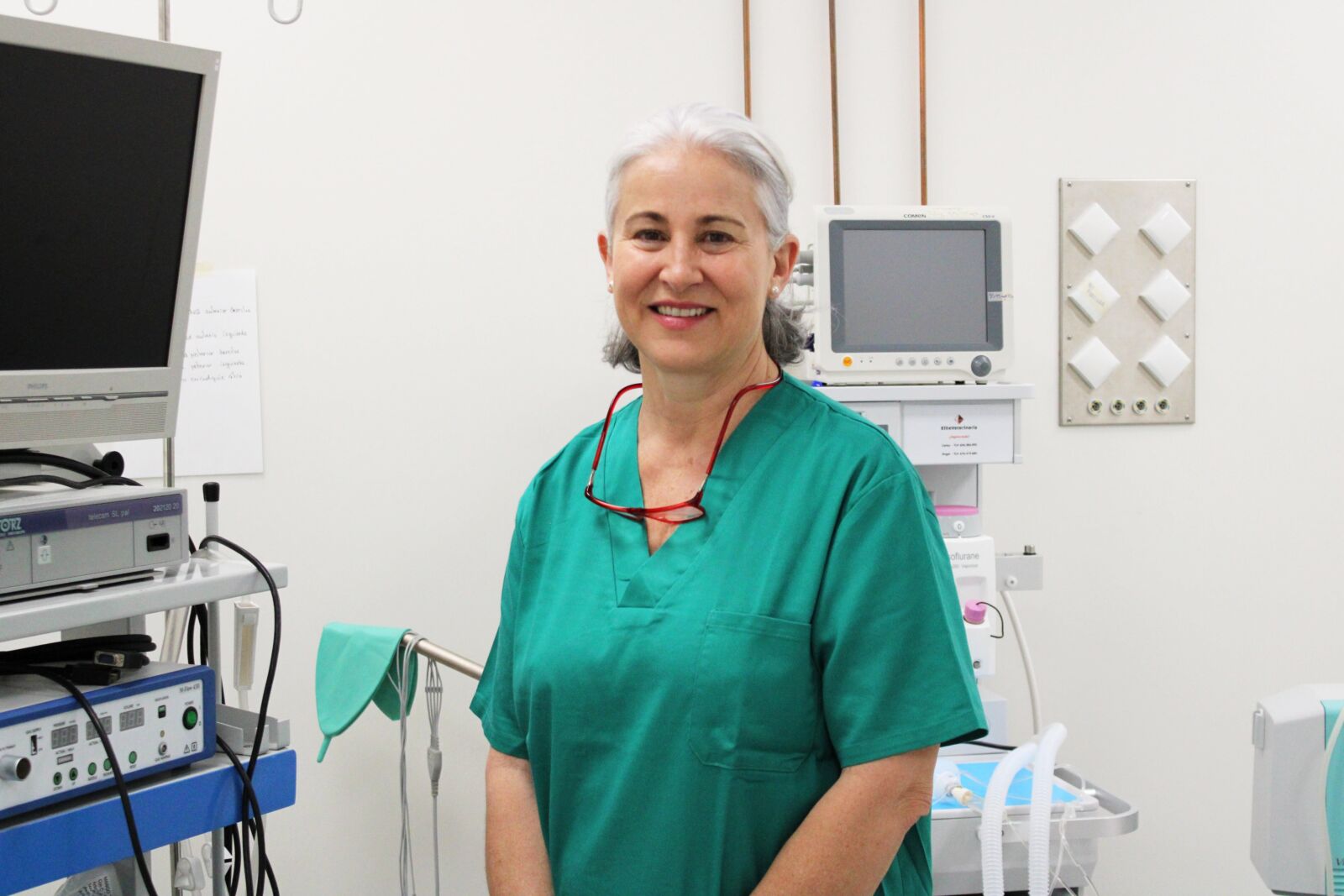
He General Research Support Service (SEGAI) The University of La Laguna provides scientific, instrumental, and technical support to research within the institution itself and in collaboration with external entities. Animal Shelter It constitutes a fundamental space for the area of biomedical and pharmaceutical research that requires the use of experimental animals, also collaborating in teaching work with those disciplines of the academic center that require it.
Currently, this service is divided between two locations. The older one, dating back to 2001, is located on the Anchieta campus and is intended for users of the Faculties of Biology, Chemistry, and Pharmacy, the Institute of Tropical Diseases and Public Health of the Canary Islands, and the research unit of the University Hospital of La Candelaria.
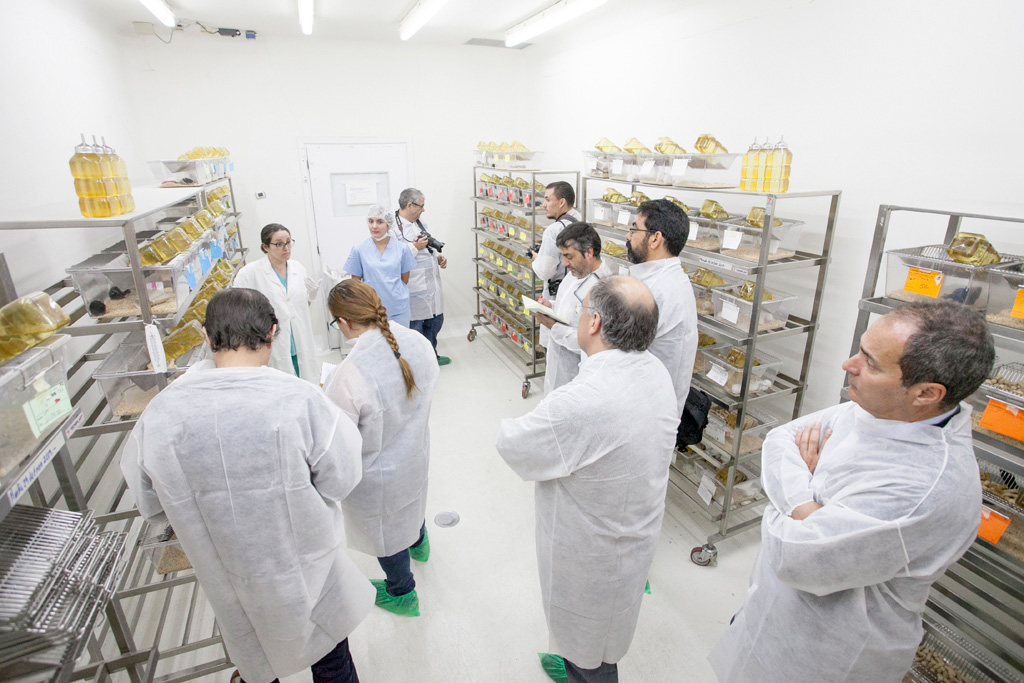
The animal facility on the Anchieta campus, in an archive photo.
The most recent facility, built in 2021, is located on the Ofra campus, in the Biomedical Technologies Institute building. Research staff from the Faculty of Health Sciences and the research unit of the University Hospital of the Canary Islands use this facility. The Animal Facility also receives external clients, such as companies, that conduct research on its premises. Furthermore, this SEGAI service provides training courses for healthcare personnel from both university hospitals on the island, covering procedures such as chest drainage and targeted bronchoscopies.
The Animal Facility functions as a support service, assisting researchers during various procedures and ensuring the proper maintenance of the facilities and the care of the animals so they are in optimal condition. This infrastructure not only houses experimental animals but also offers users laboratories and operating rooms equipped for the development of biomedical research projects. Furthermore, it provides technical assistance in the application of procedures with animals, management of biological waste, and the supply of feed and bedding. The service is registered as a breeding center, supplier center, and user center with the Ministry of Agriculture, Livestock, and Fisheries of the Government of the Canary Islands.
The person in charge of this service, Mª Rosa Arnau Díaz-Llanos, who affirms that animal research for biomedical purposes is still necessary to achieve many results in medical and pharmacological research. In this regard, they carry out extensive outreach work regarding the activities conducted at this SEGAI facility. Furthermore, they emphasize that there is strict control over all procedures performed, as well as over the research projects within which they are framed.
First, proposals for animal studies must be reviewed by the Ethics Committee of the University of La Laguna, and then forwarded to the Ministry of Agriculture, Livestock and Fisheries of the Government of the Canary Islands, which is the competent authority that grants permission for the experiment to be carried out. Furthermore, the service is subject to periodic and thorough audits by national and European bodies.
Similarly, access to the facilities is controlled and requires prior authorization for all users. Regulations require that research personnel carrying out procedures in the Animal Facility have specific and official training, certified by the Regional Ministry of Agriculture, Livestock, and Fisheries. This training is mandatory for both principal investigators and their team members and must be renewed every eight years to ensure they remain up-to-date on regulations, techniques, and advancements applicable to procedures. Currently, eight people work in this service, with two officers and one technician assigned to each site.
The facilities available at both locations are similar and function as a barrier animal facility. This means they have an isolated, pathogen-free area that is only accessible to authorized personnel.
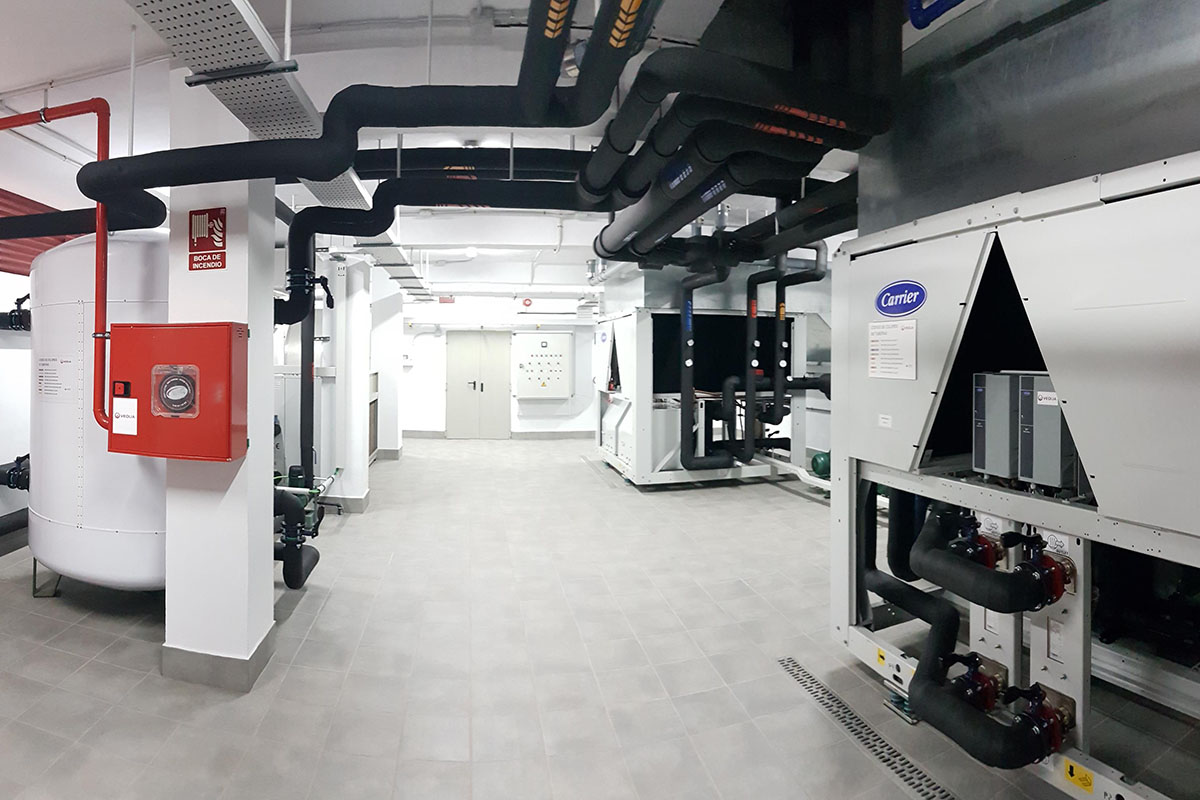
New climate control equipment for the animal facility, located at the Institute of Biomedical Technologies.
Access is granted only after passing through a sterile air shower and with specific authorization. This practice is necessary to protect certain work areas and animals from external contamination. Furthermore, the entire facility is located in a controlled environment with filtered ventilation.
The Animal Facility has several operating rooms, some in pathogen-free zones, equipped with inhalation anesthesia machines, laparoscopic surgery equipment, and a stereotactic body. It also has laboratories equipped with centrifuges, safety cabinets, an inverted microscope, an incubator, and a surgical magnifying glass, as well as a transgenic laboratory.
The facilities at this service also include breeding and maintenance rooms for rodents and lagomorphs in a controlled environment, as well as an insectarium. The equipment washing and sterilization area is a fundamental component of these facilities, as it allows for the automated sterilization of all laboratory equipment using autoclaves.
The Animal Facility of the University of La Laguna has received extensive funding from the Government of the Canary Islands through FEDER funds in recent years, as well as support from the Tenerife Island Council, mostly allocated to infrastructure works and the conditioning of its new facilities on the Ofra campus.

 Spanish
 English
 French