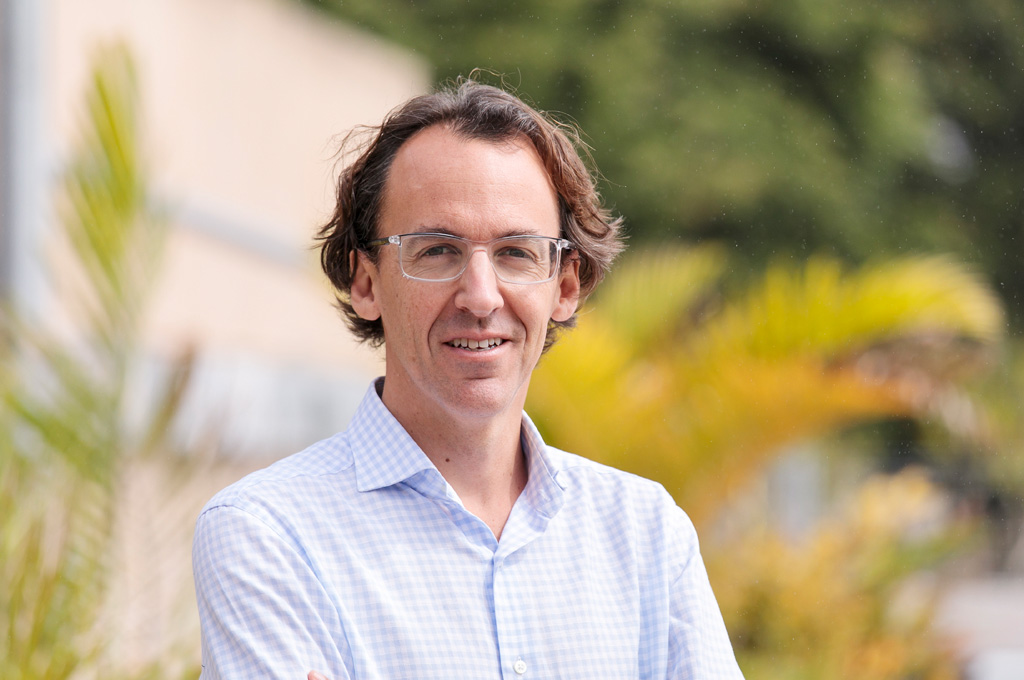
The University of La Laguna is participating in an agreement with the Directorate General for the Protection of Children and Families to better understand how abuse during the early stages of life affects the development of children. This project is led by Professor [Name of Professor]. Ivan Galtier Hernandez, from the Department of Clinical Psychology, Psychobiology and Methodology, and is conceived as a collaboration between the field of research in neuropsychology and neurodevelopment and the public system for the protection of these minors.
This project focuses on studying children who have suffered different types of abuse and have been under the guardianship of the Government of the Canary Islands, analyzing the effects of these experiences on two levels. The goal is to gain a deeper understanding of their situation in order to provide them with more appropriate and effective care.
First, an extensive and detailed neuropsychological evaluation is conducted, using tests that the children take over several days to analyze various abilities, such as attention, memory, reasoning, and language skills. It should be noted that neuropsychology studies higher psychological functions: cognitive, behavioral, and emotional functions, and how these relate to brain function. Therefore, the second phase of the study consists of an MRI protocol to measure changes in the children's brain tissue.
Galtier clarifies that the aim is not to identify any specific abnormalities, but rather to analyze the extent to which certain areas of the brain may have developed differently, associated with a history of abuse. The agreement makes possible a novel study because, while some scientific literature exists regarding how abuse can influence brain development, information on how these changes translate into the evolution of the nervous system, behavior, and daily life is scarce.
The ULL researcher emphasizes the importance of linking both aspects: firstly, by analyzing whether neuroimaging studies confirm previous literature, and secondly, by expanding this knowledge through its integration with neuropsychological assessments. Thus, the study underscores the importance of understanding each case individually, establishing close contact with families, and keeping them informed throughout the process.
Another relevant aspect of this research is to begin with a correct definition of the situations of abuse, or adverse childhood experiences, that the children have endured. Experts emphasize that this encompasses different forms of neglect, from violence to negligence at various levels, such as a lack of adequate emotional or cognitive stimulation.
In this sense, the agreement was a first step toward accessing the information held by the administration and also toward reaching out to the families who have adopted these children. From the project's inception, it was established that the participants in this experimental group would be children who had already been adopted.
For Iván Galtier, it was essential that the children in the study have safe and stable conditions that guarantee them a secure environment throughout the process. It is important to note that, although all participants have been through the child protection system after being declared abandoned and having experienced negative childhood trauma, their individual circumstances can vary significantly.
The project is initially conceived for four years (2022-26), although the intention is to extend it to allow for long-term longitudinal research based on periodic follow-ups of the participants. The goal is to transform it into a developmental study that measures various variables in the participants from childhood to adulthood, in order to "better understand their development not from a single point in time, but from an evolutionary perspective," Galtier explains.
The project team values the high level of involvement of families in the experimental group, which has already grown to include sixty children, in addition to forty others participating as a control group. Both adoptive families and institutions are showing a clear interest in better understanding the potential consequences of abuse on the development of these children and in learning how to offer them more specific and effective support. Besides providing relevant information to improve short-term care, the project is expected to contribute to advancing knowledge in this area, generating evidence that can translate into improvements in policies and administrative actions in the medium and long term.
Garnier highlights the role of the Knowledge Transfer Office as a bridge between the Canary Islands Government's Directorate General for Child and Family Protection and the agreement's processing. She also emphasizes the collaboration with the Adoption Service, given its strong involvement in all phases of the project.
The researcher emphasizes the ongoing communication with the project's monitoring committee and notes that, after more than two years of work, the first preliminary results of the studies have already been presented. Furthermore, a personalized feedback system has been implemented for participating families, allowing them to benefit directly from the assessments conducted by experts at the University of La Laguna in an early and useful manner.

 Spanish
 English
 French