Sea turtles are renowned for their longevity. Their slow metabolism, genetics, and slow growth and aging process allow them to live exceptionally long lives, even centuries. It is therefore particularly paradoxical that six of the seven sea turtle species classified as threatened by the International Union for Conservation of Nature's Red List are endangered, while the seventh, the loggerhead turtle, is listed as vulnerable.
According to Raquel de la Cruz Modino, A professor of Anthropology at the University of La Laguna and a specialist in the anthropology of fishing, explains that this incomplete understanding of the true situation of sea turtles is significantly influenced by the cultural image we have constructed of them: we perceive them as prehistoric, robust, and ultimately, survivors. This image can lead us to underestimate their vulnerability. Understanding these cultural constructs and the role they play in the interaction between the local population and certain species is essential for advancing their protection and conservation, and thus allowing them to reach their full lifespan.
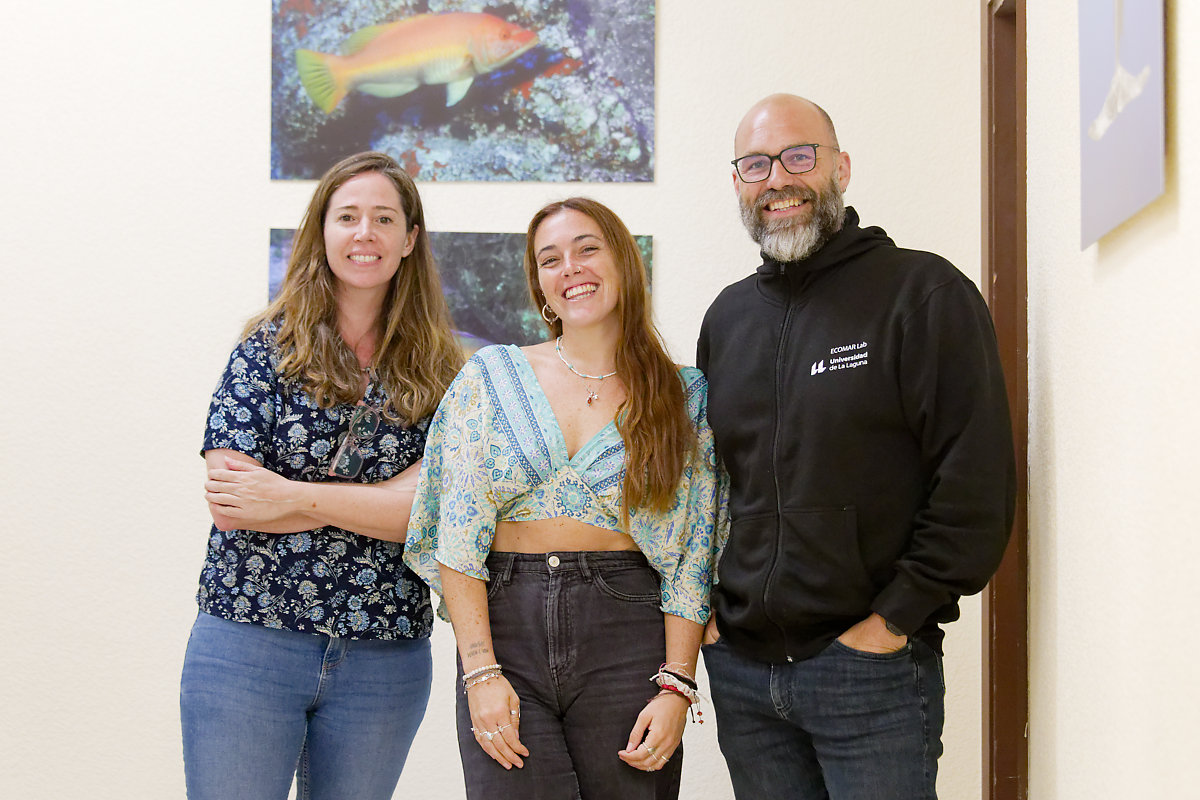
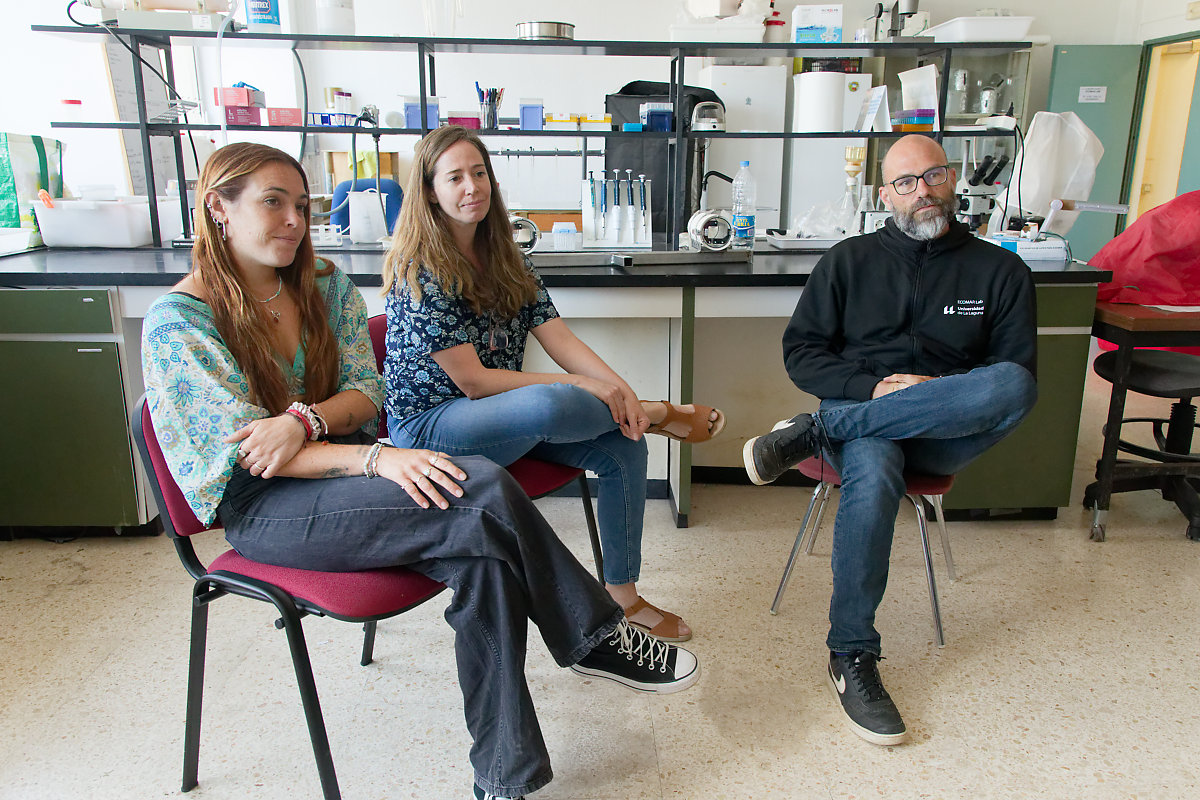 In this context, the University of La Laguna has carried out significant monitoring work on the most common sea turtle species in the Canary Islands archipelago in recent years. This initiative is part of the predoctoral research of Claudia Hurtado Pampín, under the direction of the tenured professor of Zoology José Carlos Hernández Pérez and anthropologist Raquel de la Cruz Modino. The objective of the study is to analyze the status of sea turtles present in the Canary archipelago, within the framework of the guidelines set by the Natura 2000 Network, as well as their interaction with artisanal fishing, marine tourism and the general public.
The Canary Islands, a key link in their migratory route
Sea turtles are part of the marine megafauna, a group that includes large animals that inhabit the oceans and play key ecological roles in their ecosystems. But they also act as sentinels: changes in their behavior or health are often the first warning signs of problems affecting the ocean. In a context where the oceans are undergoing changes at various levels due to the environmental impact of human activity—from rising water temperatures and plastic pollution to overfishing and increased maritime traffic—these species face growing threats.
Added to this is the complexity of studying them, compared to their terrestrial counterparts, due to access difficulties and the need to apply specialized tracking and monitoring techniques. According to various studies, at least a third of marine megafauna species are currently endangered, and many others face serious conservation challenges.
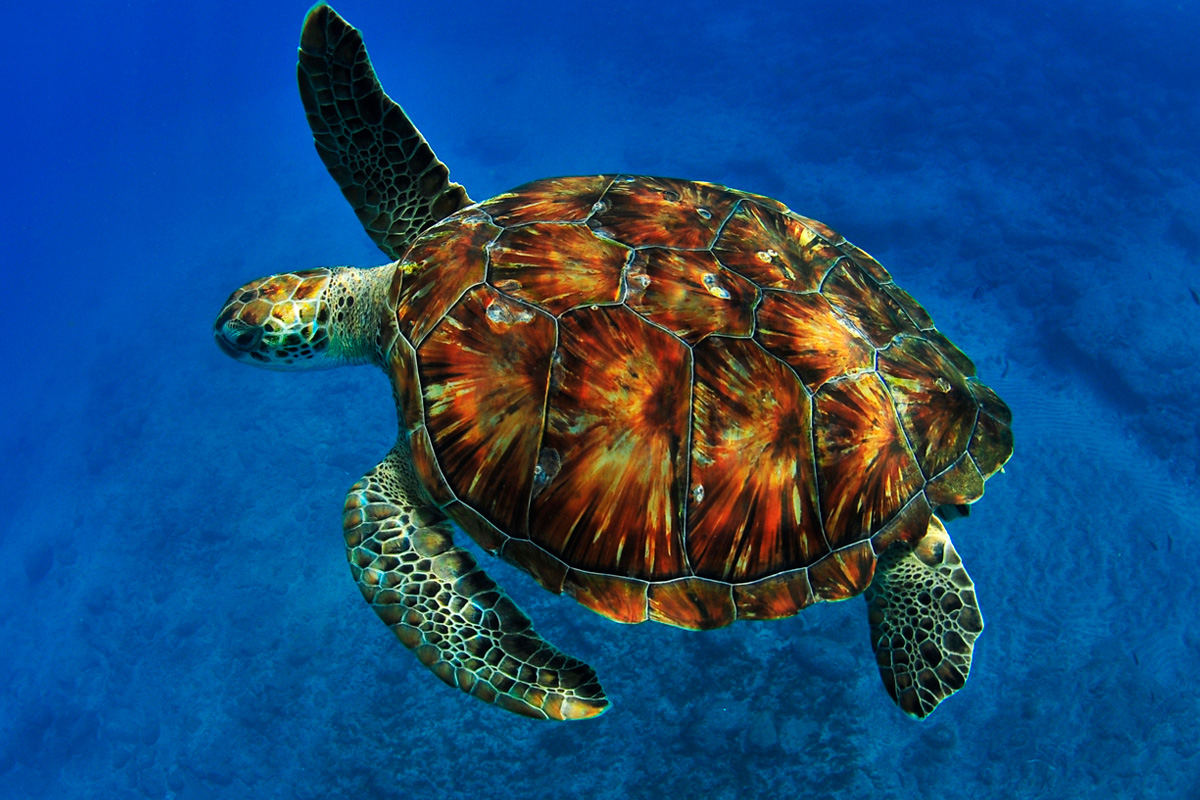
Green turtle (Chelonia mydas)
The Canary Islands are part of the life cycle of several species of sea turtles, especially the green turtle (Chelonia mydas) and the loggerhead turtle (Caretta carettaAccording to researcher Claudia Hurtado Pampín, the waters of the archipelago are a crucial stopover point for juvenile populations of these species, which arrive to feed, rest, and grow before continuing their migration to other areas such as Cape Verde or the American coasts. Therefore, any threat they face in this environment can have a global impact, as these are highly migratory species with a worldwide distribution.
Problems such as a high number of strandings or overfeeding can disrupt their migratory routes or alter their habits, with serious consequences for the species' survival. Furthermore, these reptiles play a key role in marine food webs, consuming apex predators or plankton, thus contributing to the ecosystem's balance. When this balance is disrupted, it can favor the proliferation of other species or cause changes in their usual distribution areas.
And, from a more pragmatic, even self-interested, perspective, as Hernández points out, we cannot forget that sea turtles also represent added value to the biodiversity that characterizes the archipelago's natural environment. Their presence in Canary Island waters enriches the experience of those who enjoy activities such as diving or marine wildlife observation. Therefore, any alteration to their populations or behavior patterns also implies a significant loss for those who enjoy and depend on the islands' natural heritage.
Experts warn that data collected by recovery centers reveals an annual average of around one hundred sea turtle strandings in the Canary Islands. This is a considerably high figure compared to other regions, such as the Mediterranean, where recorded cases range between 20 and 30 turtles per year, notes Hurtado Pampín.
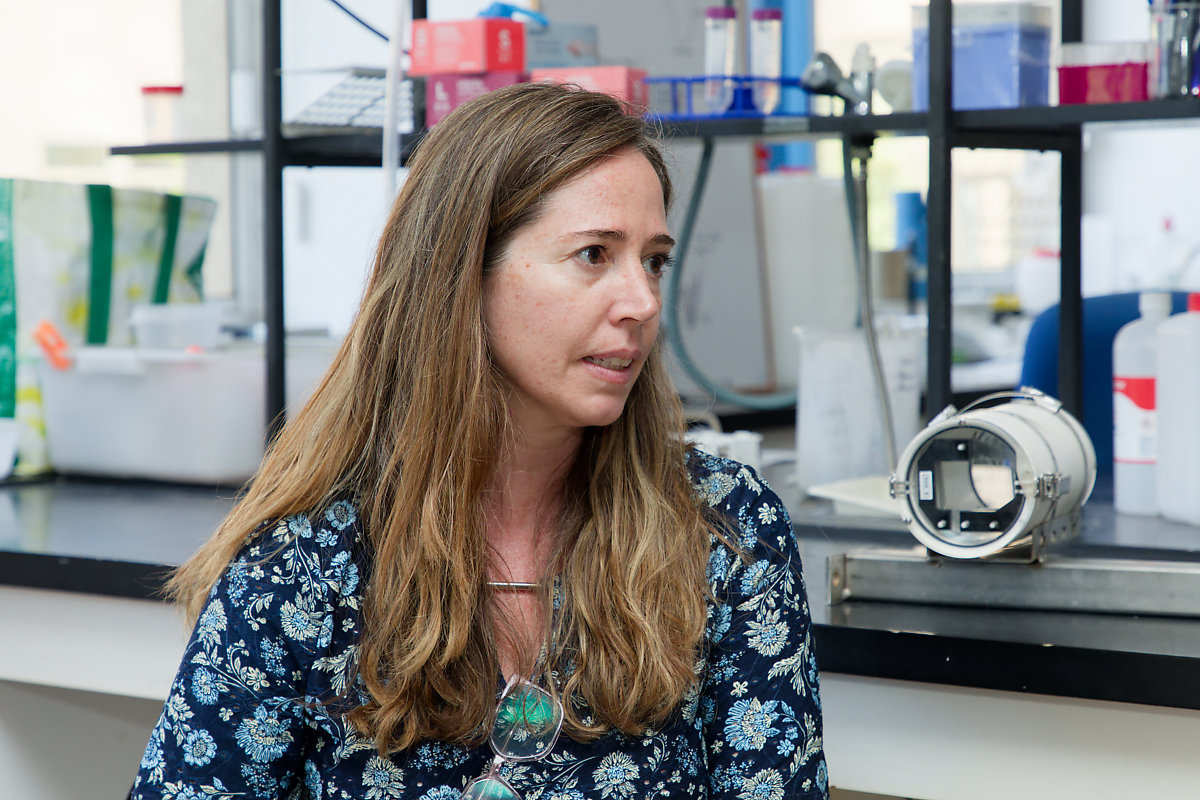
Raquel de la Cruz Modino.
Furthermore, this statistic is only partial, as many injured turtles are neither rescued nor officially registered. For a long time, studying stranded specimens was practically the only way to analyze these animals and formulate hypotheses about their behavior. Precisely for this reason, one of the main objectives of this doctoral candidate's research has been to develop more effective methods for sampling and directly observing turtles in their natural environment in Canary Island waters. Added to this is an essential aspect: the relationship of these species with humans. As De la Cruz Modino emphasizes, any conservation strategy must take into account the role that human activity plays in marine ecosystems.
Innovative monitoring with stereoscopic cameras
Building on the research initiated during his master's thesis at the University of La Laguna, Hurtado Pampín has carried out extensive sampling in waters near all the islands of the archipelago, with a special focus on the Special Areas of Conservation, protected areas for the conservation of biodiversity, established within the Natura 2000 Network.
To this end, it has verified the great usefulness of a novel video monitoring system called BRUVS (Baited Remote Underwater Stereo-VideoThese metal structures are deployed in the sea and equipped with stereoscopic cameras that not only allow recording of animal behavior but also precise measurements to be taken. “This method is especially useful for studying underwater species, which are difficult to observe using conventional visual transects, since the time a diver can spend at the bottom is very limited,” explains the researcher.
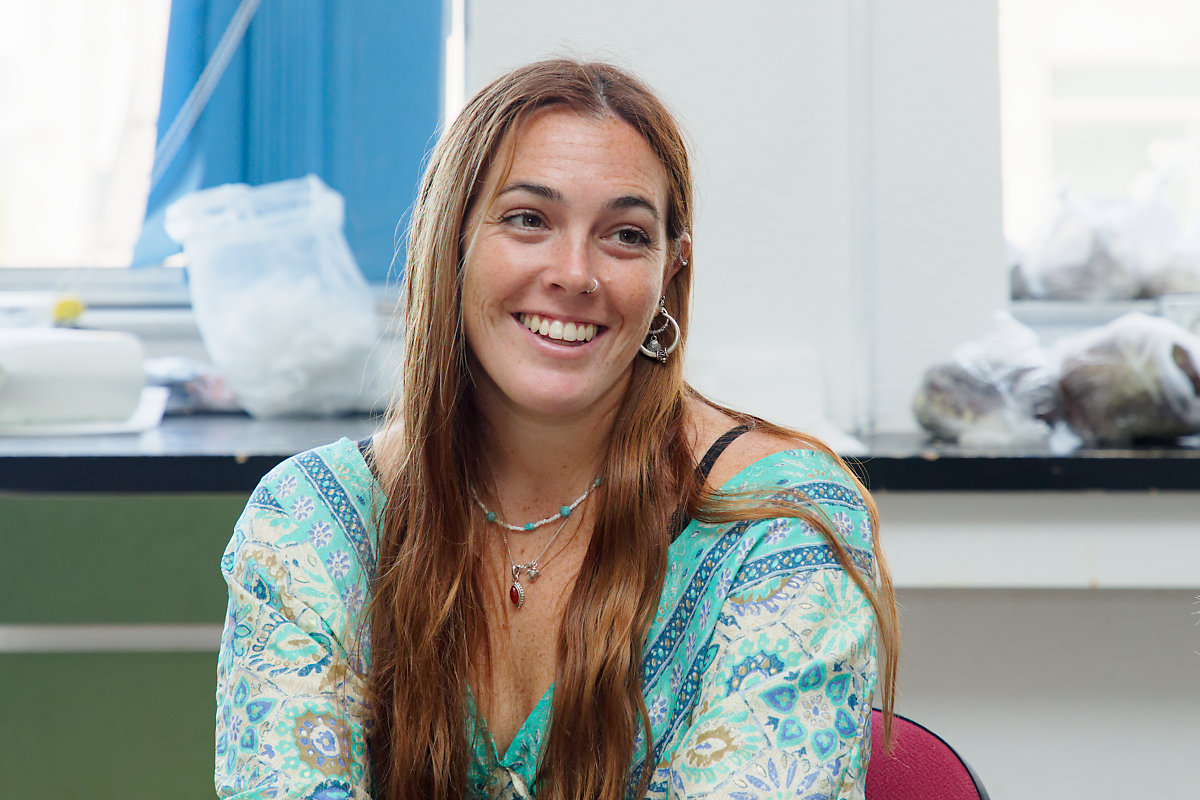
Claudia Hurtado.
Another key advantage of these sampling structures is that they allow access to the animals' habitat without human presence interfering with their behavior. "When we dive near them, we can alter their behavior, and the cameras allow us to eliminate that factor from the study," Hurtado Pampín emphasizes. The structures that support these cameras incorporate an arm with live bait inside, inaccessible to the animals. This prevents the practice of... feeding, Feeding wildlife to attract it is a technique that has been proven to alter the natural behaviors of species and affect the results of studies. For Professor Hernández, this novel methodology represents an exceptionally useful tool, opening the door to broader, more precise, and more representative data collection on the activity of sea turtles in the waters around the Canary Islands.
This study employed two types of camera structures. First, benthic cameras, weighted with lead and placed on the seabed, where they record for approximately one hour at depths of 50 to 70 meters. Second, the more recent pelagic cameras, equipped with a suspension system that allows them to remain in mid-water, recording events for an hour and a half. This dual methodology allows researchers to compare what happens at different depths and, thanks to the precise calibration of the equipment, obtain reliable measurements of the observed animals. Thanks to this system, it has also been possible to confirm for the first time, Hernández points out, that the sea turtles crossing the archipelago are mostly small juveniles.
One of the main focuses of the research conducted with these structures has been the analysis of sea turtle behavior and its interaction with human activities. Throughout the study, surveys were carried out at different points in the archipelago, paying particular attention to the Special Areas of Conservation (SACs), where a greater presence of turtles and more intense interaction with humans, whether from tourism, fishing, or other activities, has been recorded. Unprotected areas were also sampled, allowing for comparisons between different environments and the detection of variations in turtle behavior depending on the level of human activity. Hurtado Pampín emphasizes that they have analyzed in detail the dynamics of industrial activity in the SAC of southwest Tenerife, the largest in all of Spain, which has provided valuable information on how different interactions affect the species present in the area.
Identifying the challenges of marine coexistence
The initial findings of the study reveal that the main interactions of sea turtles in Canary Island waters occur with recreational diving and artisanal fishing. For Hurtado Pampín, who had already addressed the relationship between turtles and artisanal fishing in his Master's thesis, delving deeper into this aspect was crucial, especially given the numerous preconceived notions and the rejection that these animals sometimes face within the fishing industry, where they are blamed for damage to fishing gear.
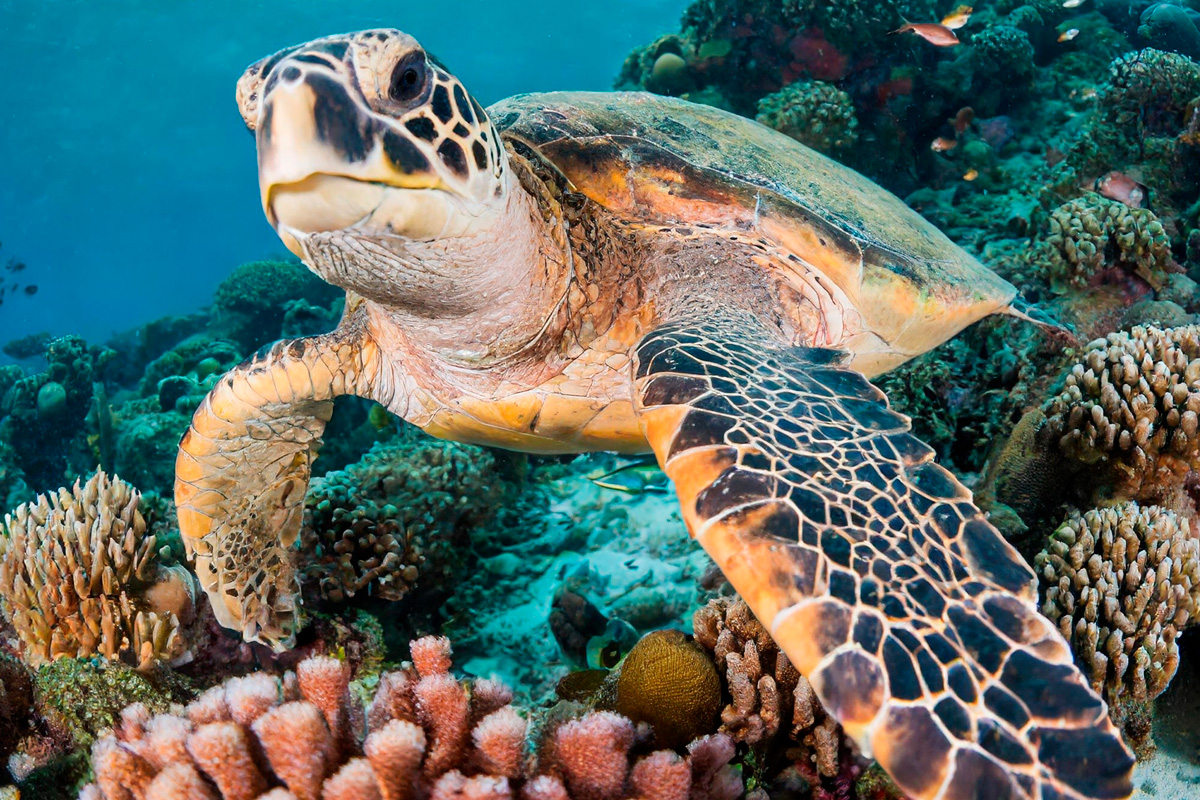
Loggerhead turtle (Caretta caretta)
With the specific objective of evaluating this interaction, underwater cameras were deployed, simulating traps similar to those used by local fishermen. This allowed for direct observation of how turtles interact with the nets. The recordings confirmed that, while these animals can cause significant damage to the traps, turtle strandings are not a result of artisanal fishing. Instead, a higher incidence of entanglements linked to the activity of industrial fishing fleets and marine pollution was identified, including abandoned nets, hooks, and fishing lines, which cause suffocation or prevent the animals from feeding.
On the other hand, it was found that diving clubs are the other group with the highest level of interaction with turtles. In many cases, these interactions do not follow best practices, as they resort to... feeding in order to make closer observations, thus overfeeding the animals and causing changes in their behavior patterns.
Raquel de la Cruz emphasizes the relevance of these lines of research from the perspective of the anthropology of fishing, especially its applied aspects and knowledge transfer. Being able to delve deeper into the relationship between sea turtles and artisanal fishers has been key to better understanding an interaction that has often been fraught with tension. According to the researcher, confirming that turtles can damage certain traps opens the debate on establishing compensation mechanisms for affected groups, as well as offering recommendations on areas where this interaction is less frequent.
In fact, as part of the research initiated during Hurtado Pampín's Master's thesis, workshops and outreach activities were organized for artisanal fishers to promote appropriate practices for handling entangled or stranded turtles. For De la Cruz, accessing this type of knowledge about the interactions between marine fauna and megafauna and humans is fundamental for establishing more sustainable coexistence guidelines, not only in the fishing sector but also in relation to recreational activities at sea.
“From an anthropological perspective, it’s also very interesting to see how humans modulate their relationships with wildlife through categories and patterns we’ve learned in a social context where we coexist with domesticated animals,” notes De la Cruz Modino. This idea is reflected in some attitudes observed during fieldwork, such as people feeding turtles in specific areas, like small ports, hoping they would return. This practice, although well-intentioned, is harmful to the animals, as it can alter their natural behavior and create dependency.
Mapping, effective protection and social awareness
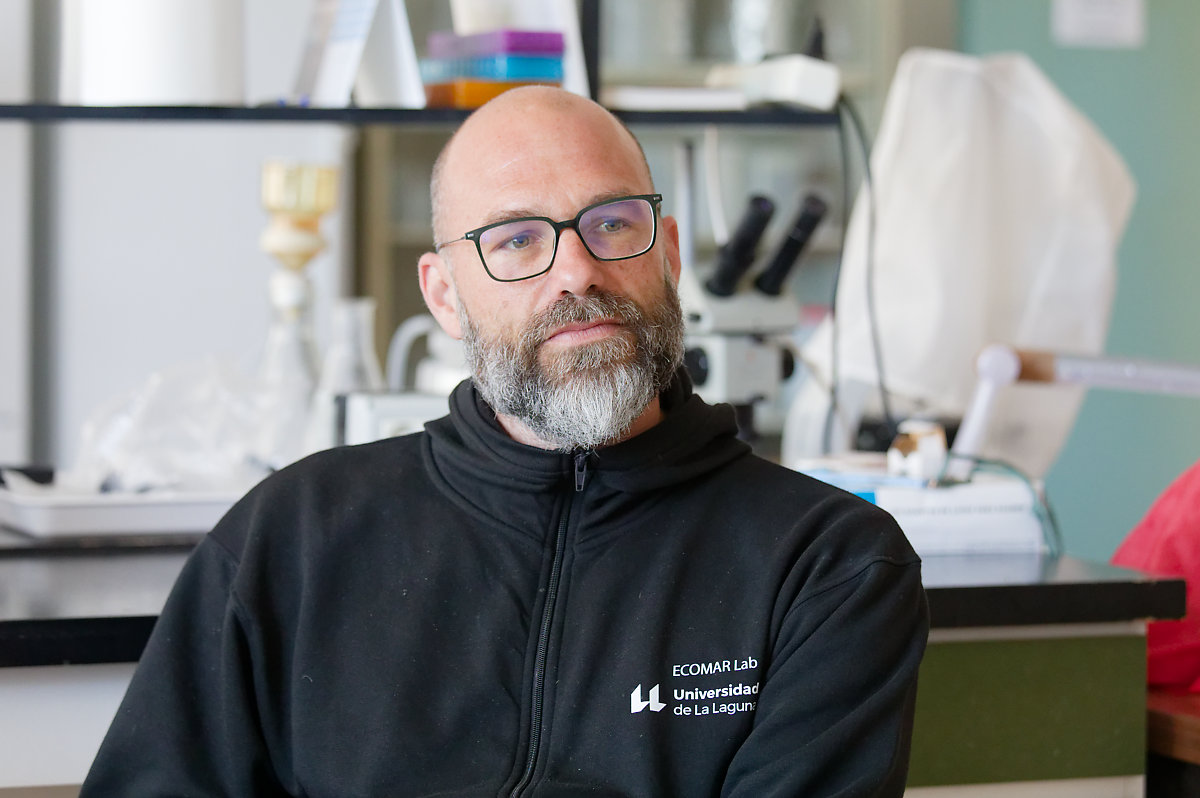
José Carlos Hernández.
One of the first contributions the researchers plan to make, once they have finished analyzing the data collected with underwater cameras, is the creation of maps showing the presence of sea turtles in the Canary Islands archipelago, based on abundance estimates. As Hernández explains, although some information is already available on areas with high concentrations of turtles, such as the Special Areas of Conservation (SACs), these maps would provide more precise guidance to the groups and activities that have the most interaction with the turtles, thus helping to prevent some of the problems identified during the study.
Furthermore, researchers are calling for more effective protection of these designated areas, as well as increased monitoring by the authorities. As Hurtado Pampín clarifies, declaring an area protected does not mean making it exclusively for sea turtles, but rather ensuring that their presence is taken into account and respected when planning tourism, fishing, or transportation activities.
Along these same lines, researchers emphasize the need for greater social awareness at different levels. For De la Cruz Modino, driving real change begins with developing rigorous science that provides solid data on the relationship between humans and animals, and continues with the creation of environmental education programs that not only transmit this knowledge but also encourage the people of the Canary Islands to reflect on their connection to the natural environment. “We have the ideal of contemporaneity found in large European urban centers, but we Canarians live in a context of high biodiversity, in constant interaction with the natural environment. That is why it is essential to know it and understand the relationships that exist within it,” the anthropologist emphasizes.
According to Hurtado Pampín, beyond improving signage in protected areas, it is urgent that legislation require tourism companies operating in areas like southwest Tenerife to receive specific training on marine conservation, as well as effective oversight of their practices. Educating tourists about acceptable behavior during visits to these natural spaces is key, “and that can only be achieved if the companies themselves in the sector act responsibly and lead by example,” the researcher points out. “These days, the ‘likes’ you can get with a photo of an animal on Instagram often carry more weight than the actual protection of a species. That is one of the great challenges of conservation globally,” Hernández concludes.
Regarding potential tensions with economic sectors, experts emphasize the need to adopt tourism management models strongly committed to sustainability, citing countries like Costa Rica, Australia, and New Zealand as examples. Hernández underlines that these examples demonstrate that biodiversity conservation is not only compatible with economic activity but can also become an added value for the production and tourism model. Furthermore, he stresses that the Canary Islands' scientific community possesses the necessary knowledge and capacity to advise public administrations on designing effective strategies in this area.
In line with this, De la Cruz Modino proposes that environmental education be integrated as a cross-cutting theme within the school curriculum, strengthening the connection between knowledge, values education, and the environment in which people live. She adds that, beyond specific actions such as volunteering or citizen science, which represent significant progress, the Canary Island population should have the opportunity to actively participate in decision-making processes regarding the management of their territory. For the anthropologist, this constitutes a matter of environmental sovereignty, and she believes that citizens should have a say in what happens to their natural heritage.
(This report is an initiative framed within the InvestigaULL Commemorations Calendar, a scientific dissemination project promoted by the University of La Laguna).
Scientific Culture and Innovation Unit (Cienci@ULL)

 Spanish
 English
 French