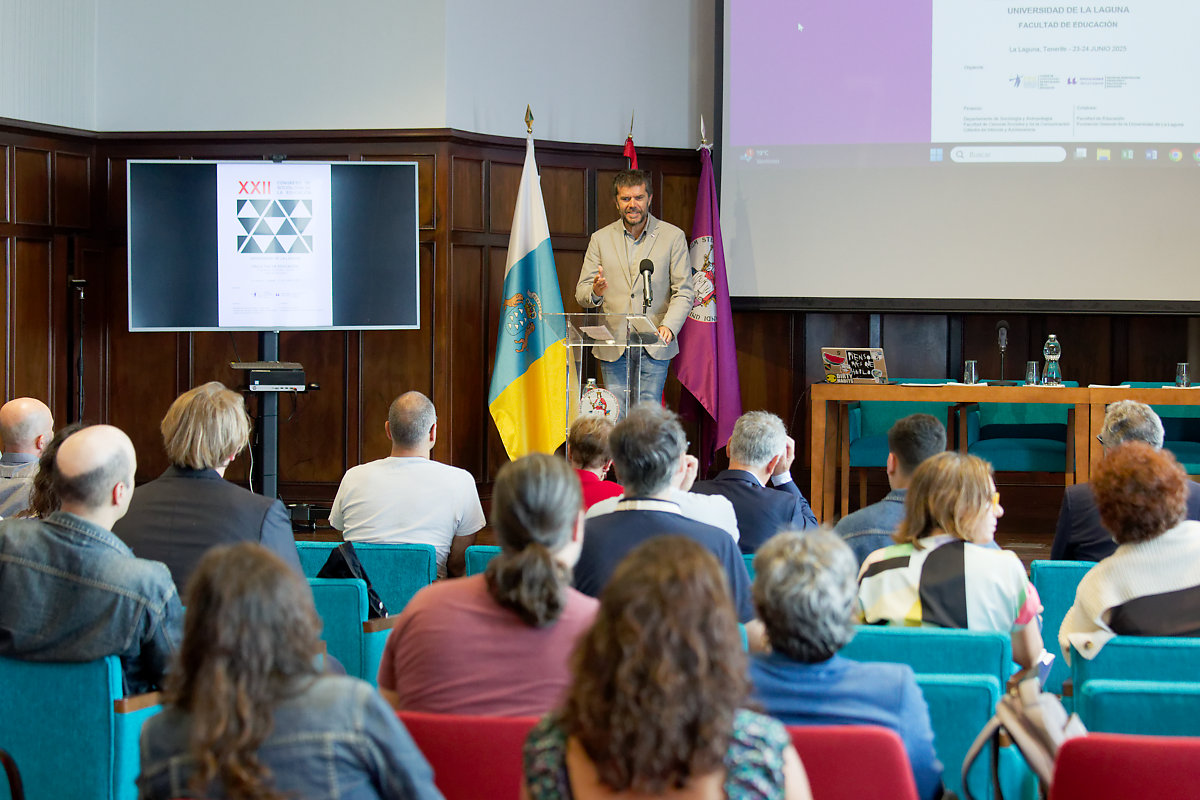
The University of La Laguna inaugurated this Monday, June 23rd, the XXII Congress of Sociology of Education in the Main Hall of the Central Building. The scientific meeting has brought together more than fifty specialists from various national institutions and from other countries such as Colombia, Argentina, Chile, and Mexico, with the aim of exploring the advances, challenges, and current trends in inclusive, equitable, and welfare-oriented educational policies, with a special focus on young people. A total of 42 papers have been submitted and will be presented in several sessions between today and tomorrow, June 24, combined with lectures and a technical visit to Mount Teide, which concludes the program of activities.
The opening ceremony was presided over by the Rector of the University of La Laguna, Francisco García, who expressed his gratitude that a public higher education institution had been chosen to host this leading congress in the field of sociology, marking its second time being held in the Canary Islands. He emphasized that this area of research is more relevant than ever, as it lies at the heart of major contemporary social challenges: "It is a key lever for resolving many of the enormous challenges we face as a society.".
In this regard, he alluded to the theory of human capital, which he studied as an economist, and which delves into the return on investment of education relative to GDP. “This is just one example of the impact that education has from all perspectives,” he emphasized, since investment in this area is not only beneficial for the individual but also for society and progress. However, he alluded to the clear signs of current “social ills” and the need for sociology to address them. Finally, he thanked the committee for their efforts in organizing the colloquium and expressed his hope that the discussions generated during these days would inform future decision-making on these issues.
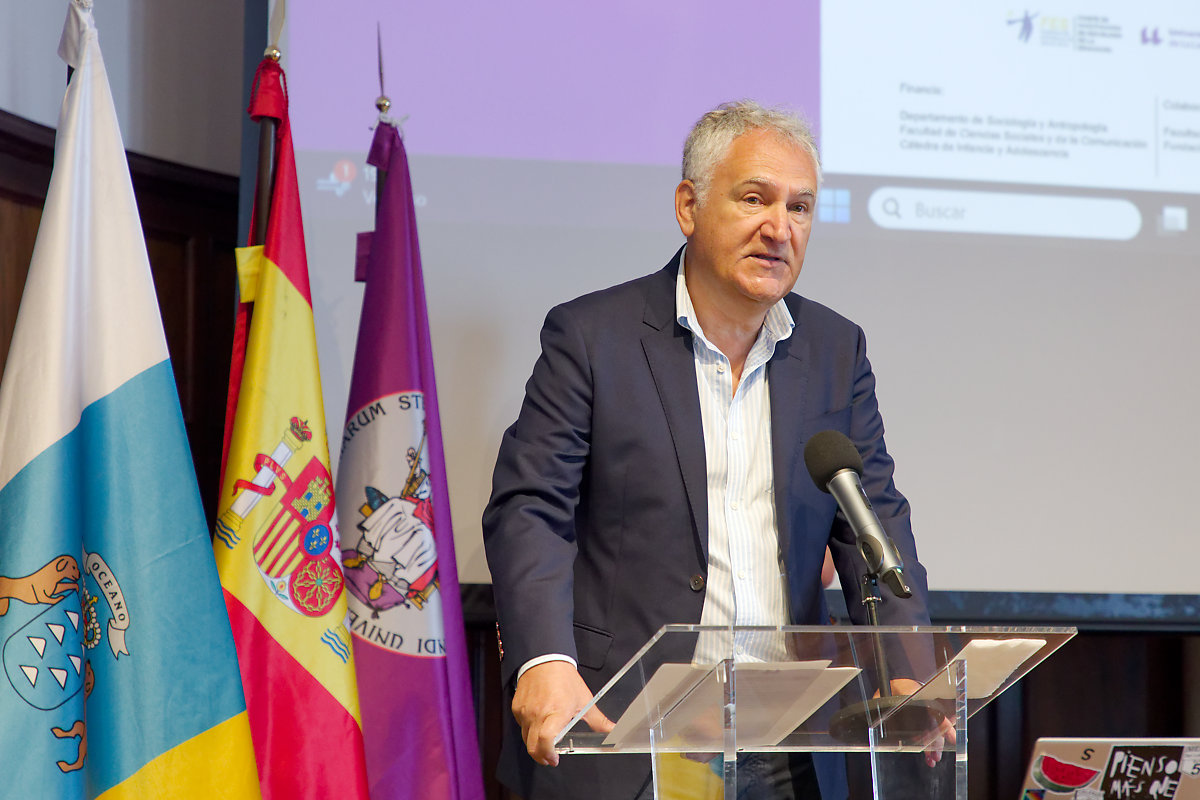
Leopoldo Cabrera.
During the opening ceremony, Leopoldo Cabrera, representing the Research Committee on the Sociology of Education of the Spanish Federation of Sociology (FES), also spoke, giving a brief historical overview of these meetings, which began in 1990 and have since experienced remarkable growth in both participation and international reach. He emphasized the importance of this year's edition being held at the University of La Laguna, not only because the Canary Islands had not hosted the congress since 1994, but also because of the crucial role of transferring research findings to society.
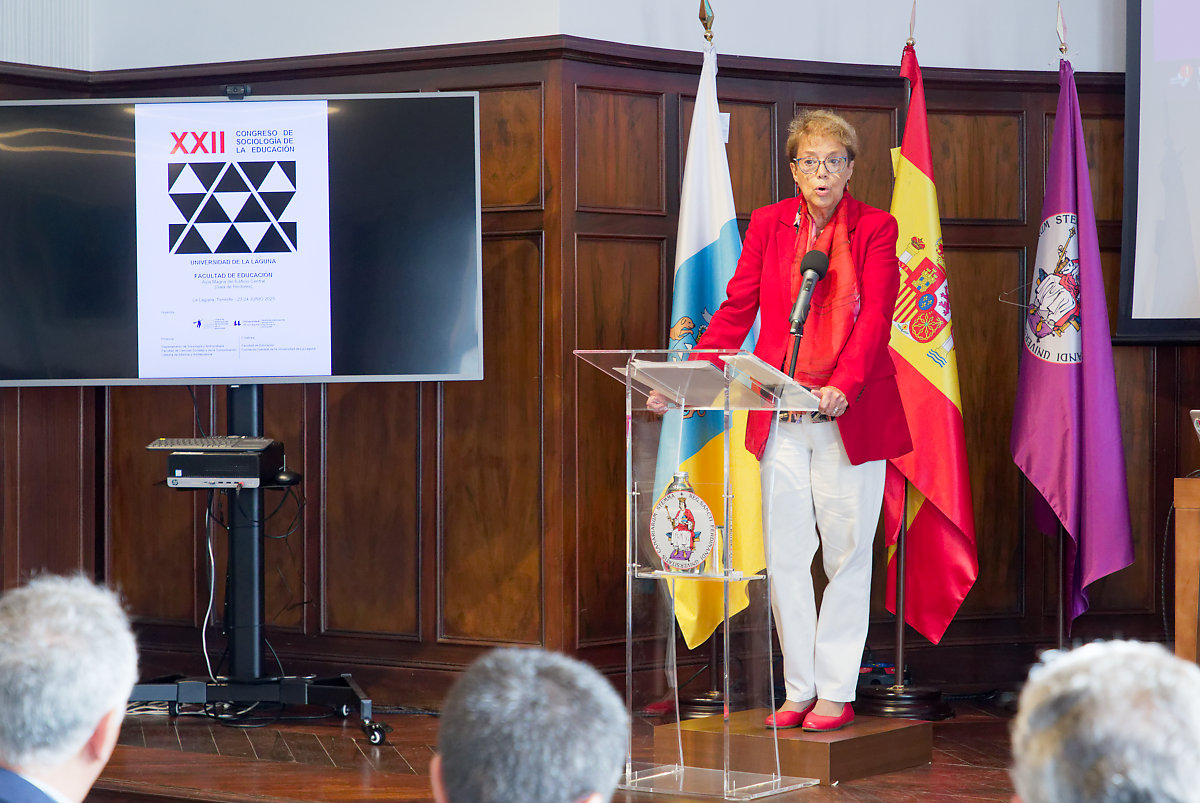
Natalia Álvarez.
Next, Natalia Álvarez, president of the Canary Islands School Council, emphasized how dialogue between the university and society impacts the social realities of the Canary Islands. Specifically, she highlighted the work already being done in close collaboration with the Faculty of Education and stressed that education is an essential tool for breaking down structural poverty. Therefore, forums like this congress are crucial for guiding public action on social inclusion, the central theme of the congress and a guiding principle for the Canary Islands Government's educational policies.
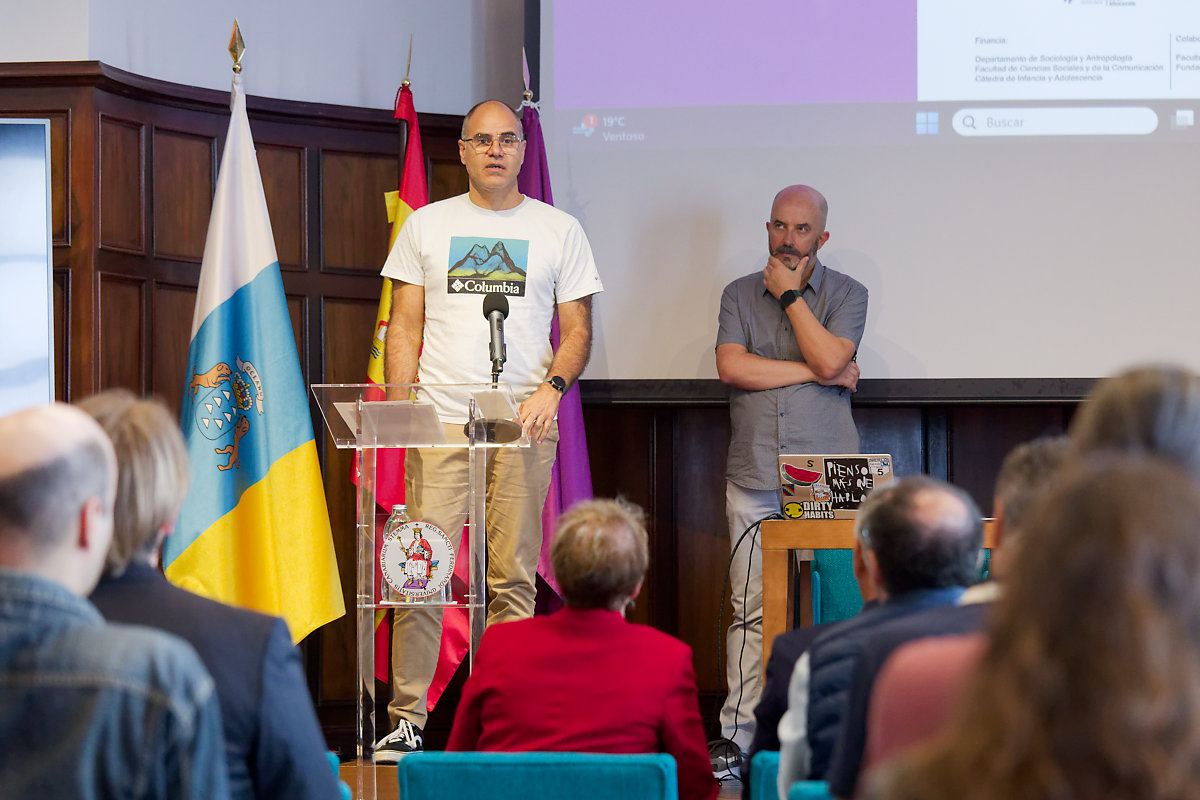
Pedro Perera.
For his part, Pedro Perera, Vice Dean of the Faculty of Education, highlighted the value of spaces for reflection such as this forum in generating open debates that help build responses to current problems. “Time has become sociological,” he noted, alluding to the need to analyze the present from a critical perspective in order to understand and transform educational reality.
J
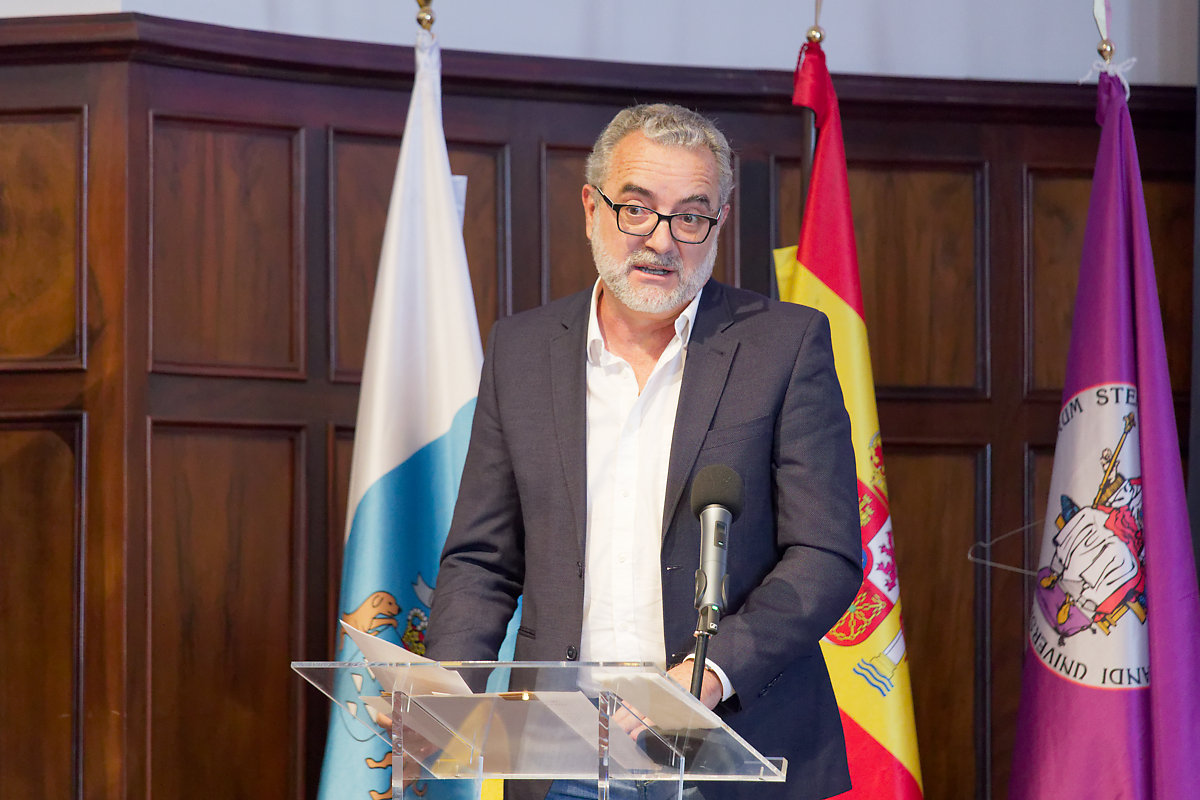
José Antonio Batista.
José Antonio Batista, Dean of the Faculty of Social Sciences and Communication, focused his remarks on the crucial role of the education system in addressing the challenges facing contemporary society. He emphasized that compulsory education is key to combating socioeconomic inequalities, intolerance, the devaluation of public spaces, and the forgetting of the past—factors directly linked to phenomena such as political and media manipulation. While acknowledging that changes in the education system are slow, he argued that it is a fundamental part of the solution. Finally, he praised the contribution of sociology as a transformative tool.
The day continued with two opening conferences: Daniel Bianchi, from Research group Sociology and Politics of Education From the University of La Laguna, she analyzed the gender gaps in mathematics, detailing the inequalities that are evident from primary education onward and that condition people's future life and professional trajectories. For her part, Alicia Villar, professor of Sociology of Gender and Sociology of Education at the University of Valencia, presented a reflection on how the education system generates opportunities, but also limitations and exclusions in students' academic paths.
Throughout the rest of the day and into the next, three rounds of plenary sessions will be held. This morning, the first session, entitled “Family, Society, and School,” explored the social and domestic dynamics that affect school education, such as internationalization in the classroom, family involvement in schools, and inequalities in school cafeterias. This afternoon, the second session, “Gender, Youth, and Educational Trajectories,” will focus in depth on gender and class-related inequalities of opportunity among adolescents and university students. The following day, the final group of presentations, “Educational Policies and Practices,” will emphasize initiatives and methodologies aimed at improving the education system.
The congress will conclude with two closing lectures. The first, given by Octavio Díaz, a lecturer in the Department of Psychology, Sociology, and Social Work at the University of Las Palmas de Gran Canaria, will analyze social interaction scenarios in schools and their influence on academic performance. Finally, Marta García, a professor in the Department of Education at the University of Cantabria, will share key findings on the participation of families of foreign origin in school education, highlighting how these experiences can enrich the educational community as a whole.
This edition of the Congress of Sociology of Education is organized by the Research Committee of Sociology of Education of the Spanish Federation of Sociology (FES) and has the collaboration of Department of Sociology and Anthropology and of the Faculties of Education and of Social Sciences and Communication from the University of La Laguna

 Spanish
 English
 French