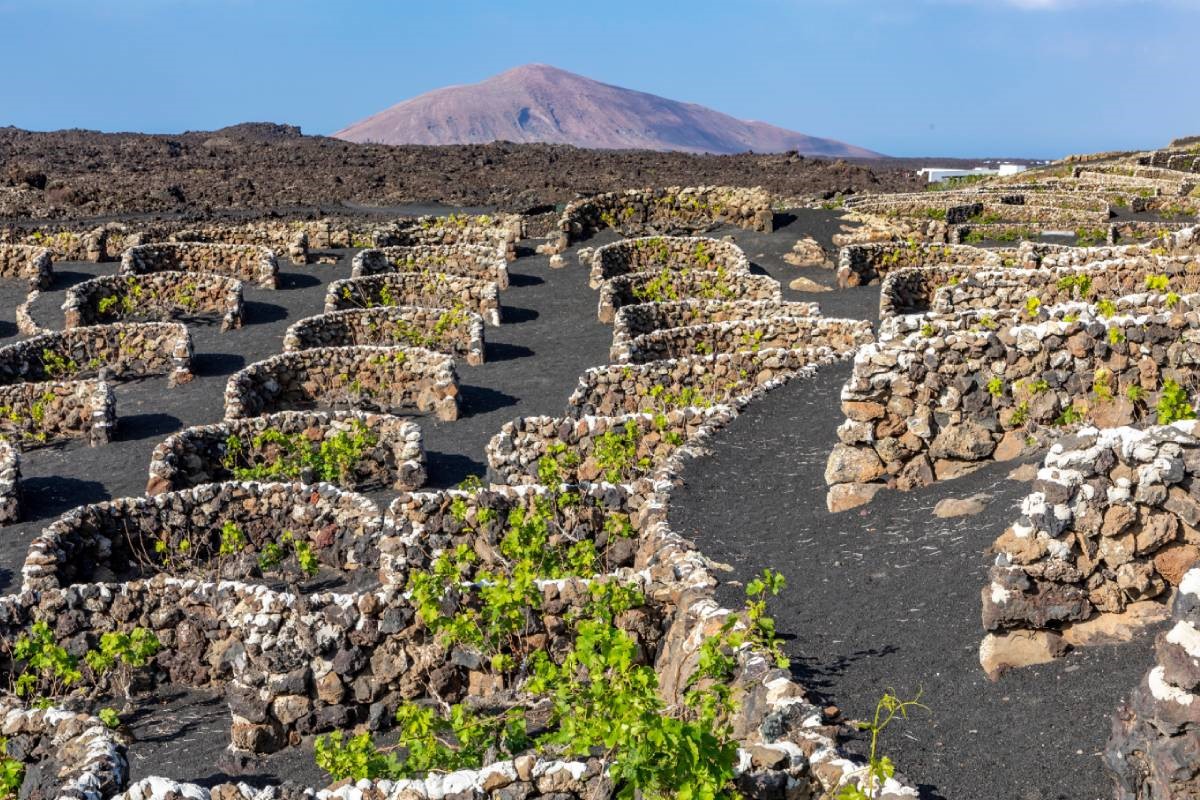
The Food and Agriculture Organization of the United Nations (FAO) It has recently included Lanzarote's traditional agricultural systems in its network of Globally Important Agricultural Heritage Systems (GIAHS), an international recognition that highlights the unique, resilient and sustainable nature of the island's agro-systems.
The University of La Laguna has played a prominent role in this process, through the research work carried out in the Area of Soil Science, and specifically by the tenured professor Francisco Javier Díaz Peña, coordinator of the Soil Health Laboratory. His scientific work has decisively contributed to laying the technical foundations that support the candidacy presented by the Lanzarote Island Council to the FAO.
The studies conducted have allowed for the characterization of the soil functioning of unique agricultural systems based on the use of volcanic materials (picón) and windblown sands (jable) to conserve moisture, minimize evaporation, and protect the soil from erosion in an extremely arid environment. The knowledge generated and the active involvement of Dr. Díaz, both in the preparation of the technical reports and in the detailed explanation of how these systems function in the field, have been crucial in demonstrating their uniqueness and sustainability—key aspects that have supported their designation as a Globally Important Agricultural Heritage System (GIAHS).
With this contribution, the University of La Laguna reaffirms its commitment to applied research, the conservation of agricultural heritage and the transfer of knowledge, highlighting the combination of traditional knowledge and science in the sustainable development of island territories.
This latest FAO recognition also includes a traditional agroforestry system for cultivating yerba mate in Brazil, three sites in China specializing in pearl mussels, white tea, and pears, and an ancestral system that preserves vital food crops and biodiversity in Mexico. The FAO's Global Agricultural Heritage Network currently comprises 95 systems in 28 countries. across the planet. Among the newly designated systems, Brazil has two, China has 25 (more than any other country), Mexico has three, and Spain has six.

 Spanish
 English
 French