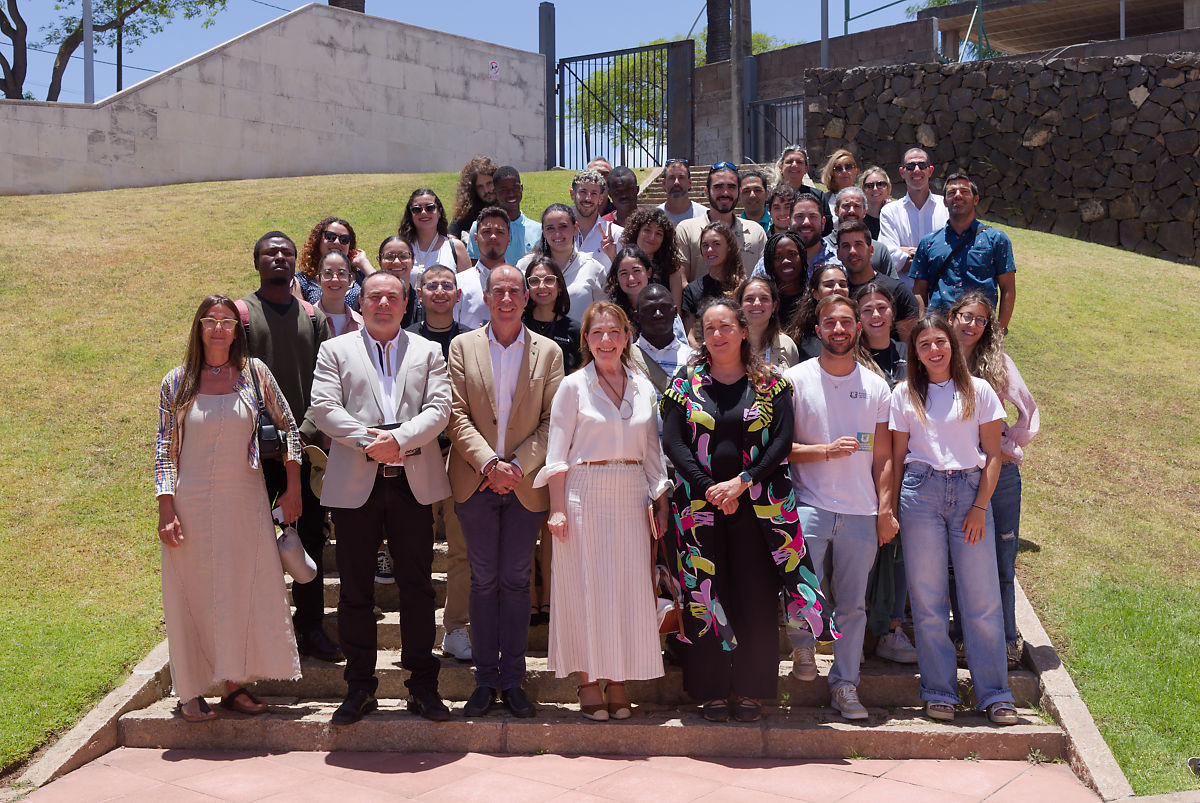
The University of La Laguna held this week the "Feel the Change" event, framed within the Ingenia program, which has become a space for reflection, learning and visibility of projects aimed at fulfilling the Sustainable Development Goals (SDGs).
The event was opened by Marta Domínguez, Vice-Rector for Sustainability and Infrastructure at the University of La Laguna, and she was accompanied by Cintia Hernández, Director of the Sustainability Secretariat; Juan Antonio Rodríguez, Academic Director of Ingenia; and Efraín Medina, Councilor for Employment, Education and Youth of the Tenerife Island Council.
The Vice-Rector emphasized the importance of the projects participating in this edition, expressing her hope that they “have not only experienced change, but will continue to be agents of change.” During her address, Medina underscored the relevance of these kinds of gatherings for advancing the construction of a sustainable future: “At the Island Council, we need to continue learning to understand how we can progress in achieving the SDGs, which are so important not only for us, but for the planet,” she remarked.
Following this, Isidro Ibarra, coordinator of the ODServa project and researcher at the Polytechnic University of Cartagena, presented his initiative: a gamified educational tool focused on the SDGs, which has already seen over 2,000 interactions. Using virtual reality glasses, users can learn about the SDGs through 17 microgames. Looking ahead to future editions, he plans to incorporate AI to enhance the experience.
Advances in Engineering
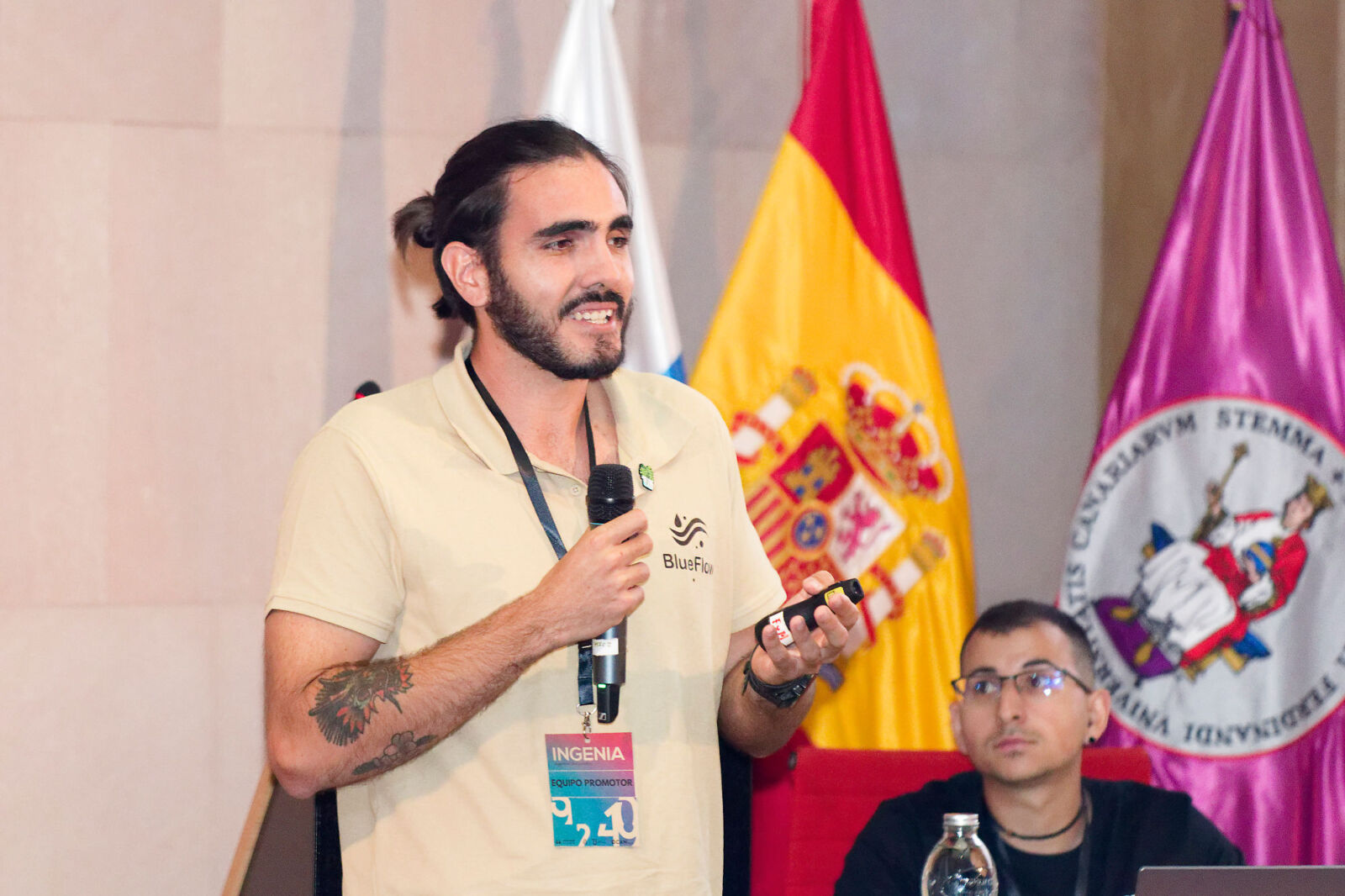 One of the central events was 'Keep Innovating,' a look at the progress of the sixth edition of Ingenia, where university and vocational training students showcased the work they had done over the past few months. The proposals presented were 'BlueFlow,' focused on developing domestic aquaponic systems as a sustainable production alternative on the island, and 'Charge in Green,' an initiative from IES Güímar that promotes sustainable mobility with a secure charging point for electric scooters.
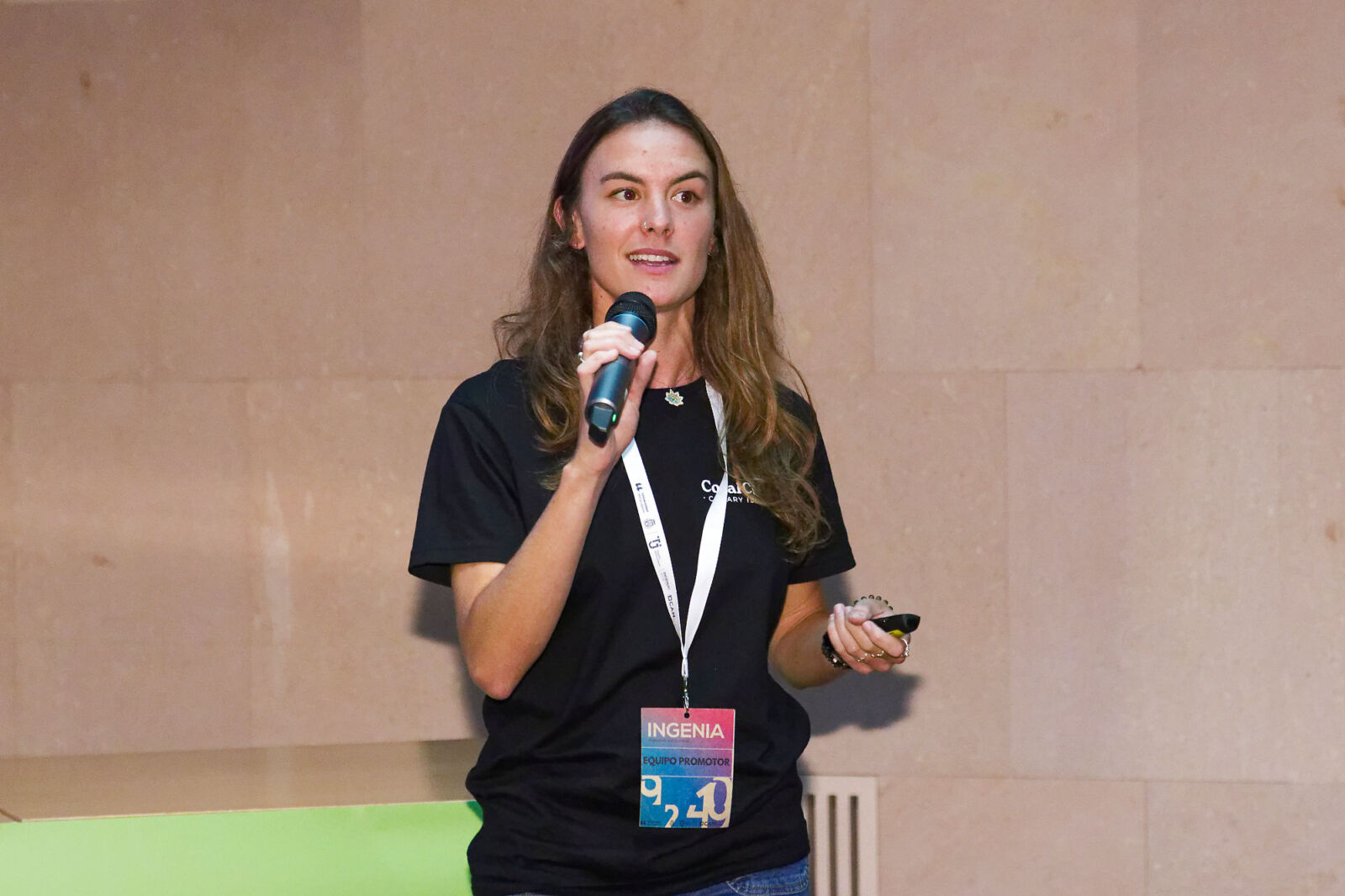
The third project, 'Eat Well and Live Better', is a program to combat childhood obesity with family workshops and accessible visual materials. Meanwhile, 'Coral Check' is dedicated to protecting coral ecosystems through citizen science, education, and sustainable tourism. Finally, 'Digital Empowerment' reduces the digital divide among senior citizens in Las Galletas and Arona.
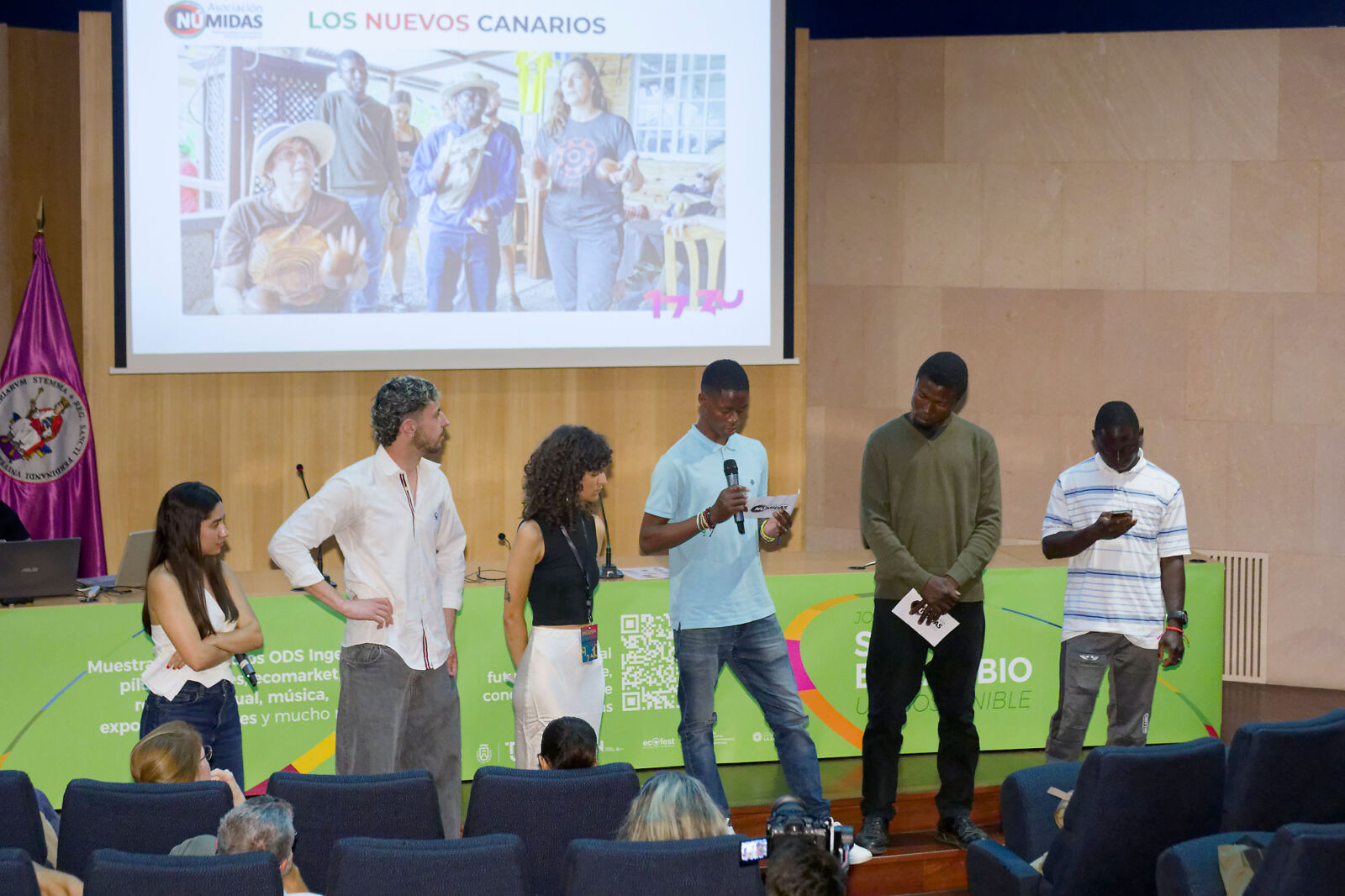
The 'Heritage and Future' project highlights the role of women in artisanal fishing in Tenerife. Next was 'Innovasolar,' which showcased an eco-friendly heating system for classrooms at the Sabino Berthelot Secondary School. Finally, 'Numidas' is a project that promotes the active inclusion of migrants in Tenerife through non-formal education and civic participation.
‘'Little Guardians' showcases an initiative that connects children at risk of social exclusion with nature. Finally, 'SIGRA' works on a comprehensive agricultural waste management system to transform it into organic fertilizer.
The academic director emphasized that "the program is about sustainability, dedication, and commitment," thanking both the faculty for their efforts and the students for their enthusiasm; "it's an easy project to coordinate because the people involved want to be involved, and this initiative allows us to continue working to build a better future," he highlighted.
Social change and green jobs
 The day included several short talks that highlighted social and environmental transformation initiatives. Alejandro Molowny, Director of Waste Management for the Tenerife Island Council, told attendees about the Truec@ project, which focuses on promoting the exchange of items among citizens at the island's permanent recycling centers.
Following this, it was the turn of Domingo Galván, Councillor for Promotion and Local Development, Environment, Health, Mobility and Transport of the La Laguna City Council, who presented the 'Community Gardens' initiative, which promotes sustainability and neighborhood cohesion from an agroecological perspective.
Also noteworthy was the presentation by Nicolás Ojeda, coordinator of the Green Economy and Jobs Area at the Biodiversity Foundation, who delivered the talk 'Financing Opportunities for Sustainability'. During his presentation, he addressed the concept of green jobs as an economic and social driver, highlighting their growing importance in public policy and national and international funding.
Ojeda explained that real opportunities exist for unemployed individuals, workers, and entrepreneurs who wish to orient their careers or projects toward sectors aligned with the ecological transition. Furthermore, she emphasized the potential for creating thousands of jobs related to these strategic sectors and encouraged attendees to explore these development avenues with the support of organizations such as the Biodiversity Foundation.
 Finally, several talks called “green pills” were given to discover initiatives such as the recovery of resources from wastewater; the research for biodiversity and sustainable development of the Antonio González Bio-Organic Institute; energy and fertilizers from waste; and the production of lime and creative applications.
Practical activities
The event also offered a program of hands-on activities, such as aromatherapy and candle-making workshops, and recycled crafts. These experiences aimed to encourage reflection on reuse, creativity, and responsible consumption.
In addition, the Faculty of Science hosted a market of organic and sustainable products, along with a photographic exhibition showing the impact of plastic on ecosystems, and an immersive virtual reality tent, which allowed visitors to experience firsthand the challenges posed by the 2030 Agenda at a global level, through 3D dynamics focused on the 17 Sustainable Development Goals.

 Spanish
 English
 French