The projects Horizon Europe These constitute the European Union's (EU) framework program for research and innovation for the period 2021-2027, with a budget of approximately €95.5 billion. This ambitious initiative aims to boost scientific and technological development in Europe to address major global challenges such as climate change, public health, digitalization, and sustainable energy.
Horizon Europe funds projects ranging from basic research to applied innovation, promoting the development of new technologies and practical solutions for the market. At the University of La Laguna, there are currently four Horizon projects led by researchers from the institution, in the fields of health, astrophysics, quantum systems, and aquaculture, securing funding exceeding €3.2 million.
In addition, several departments at this university are participating in thirteen other Horizon projects led by various institutions. These are: “Assessment and engineering of fair, unbiased, impartial, and trustworthy artificial intelligence systems”; “Reactor: Fiber-based plasmonic microreactor for flow chemistry”; “A new measure of socioeconomic inequalities for international comparison”; “Accelerating and scaling up transformative nature-based solutions to improve resilience to climate change in diverse biogeographical regions of Europe”; and “Society’s value and dependence on pollinators.”.
Researchers from this academic center are also involved in the projects “Systemic and multi-risk framework to improve risk-based management and decision-making in the EU”; “Isolation and evolution on oceanic islands: the human colonization of the Canary Islands”; “Solutions for underwater noise”; “Climate-resilient regions through systemic solutions and innovations”; “The power of grape extracts: antimicrobial and antioxidant properties to avoid the use of antibiotics in farm animals”; “Deployment of a hydrogen ecosystem in Mallorca”; “From disputed territories to development alternatives: lessons from Latin America”; and “Geologically enhanced nature-based solutions for climate change resilience of critical water infrastructure.”.
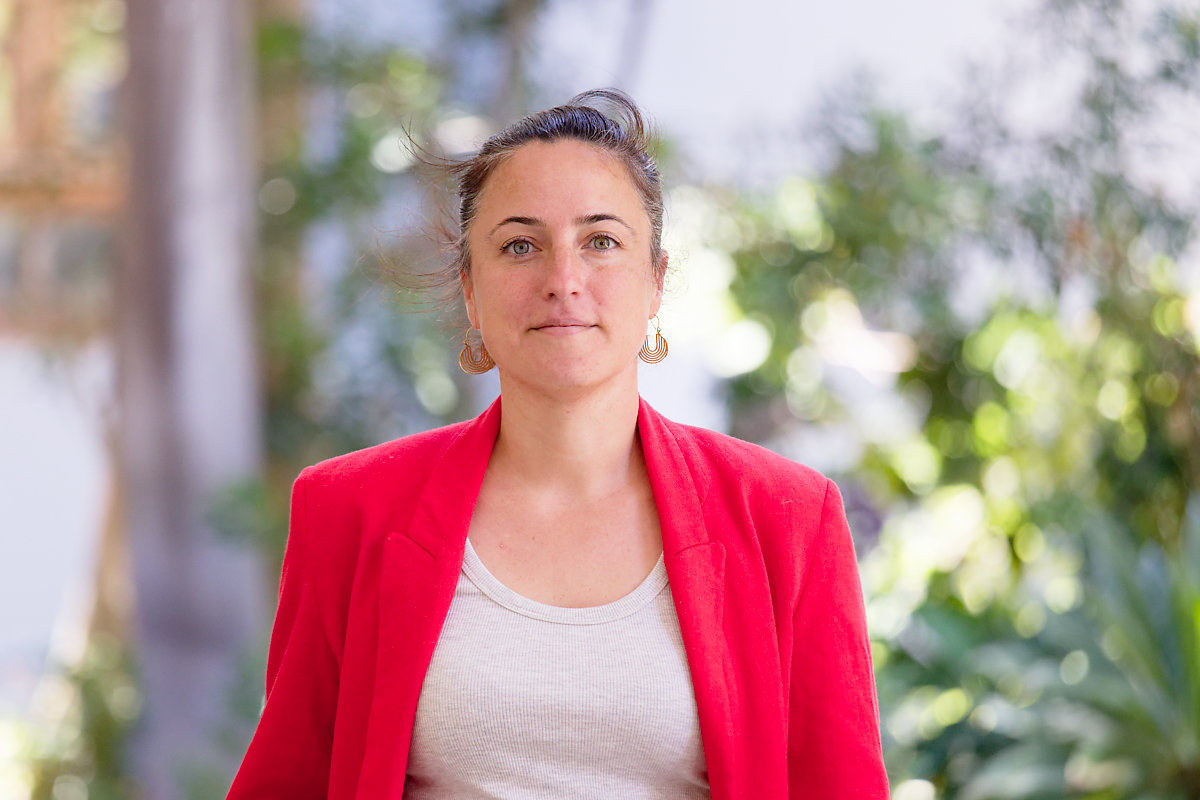
Deiene Rodriguez.
Sustainability of aquaculture with nutritional programs
The project EPIAQUA EPIAQUA analyzes the epigenetic mechanisms underlying nutritional programming in fish, with the goal of achieving sustainable aquaculture. The research seeks to understand how feeding in the early life stages of fish can influence their growth, health, and metabolic capabilities as adults. By studying the epigenetic changes caused by carbohydrates and fatty acids in early fish diets, EPIAQUA aims to improve production efficiency and reduce the use of fishery ingredients in feed, thus contributing to more sustainable and environmentally friendly aquaculture.
The EPIAQUA project, which secured coveted ERC funding from the European Research Council, aims to unravel these mechanisms using Nile tilapia, a key species in aquaculture, as a model. This sector provides half of the world's fish supply, making it the fastest-growing area of food production. This Horizon project is led by Ramón y Cajal postdoctoral researcher Deiene Rodriguez, belonging to the group NUTRAHLIPIDS, from the Zoology area.
Thus, EPIAQUA, which began in 2024, has as its fundamental objectives to elucidate the cause-and-effect relationship between carbohydrate content and early dietary fatty acid intervention in the multilayered epigenome, generate a better mechanistic understanding of the phenotypic changes induced by early nutritional intervention, and demonstrate the presence of transgenerationally inherited epigenetic marks and characterize the underlying mechanisms. One of the most innovative aspects of the study is the hypothesis that lncRNAs play a key role in the transmission and long-term effects of nutritionally mediated phenotypes, which could have important translational implications.
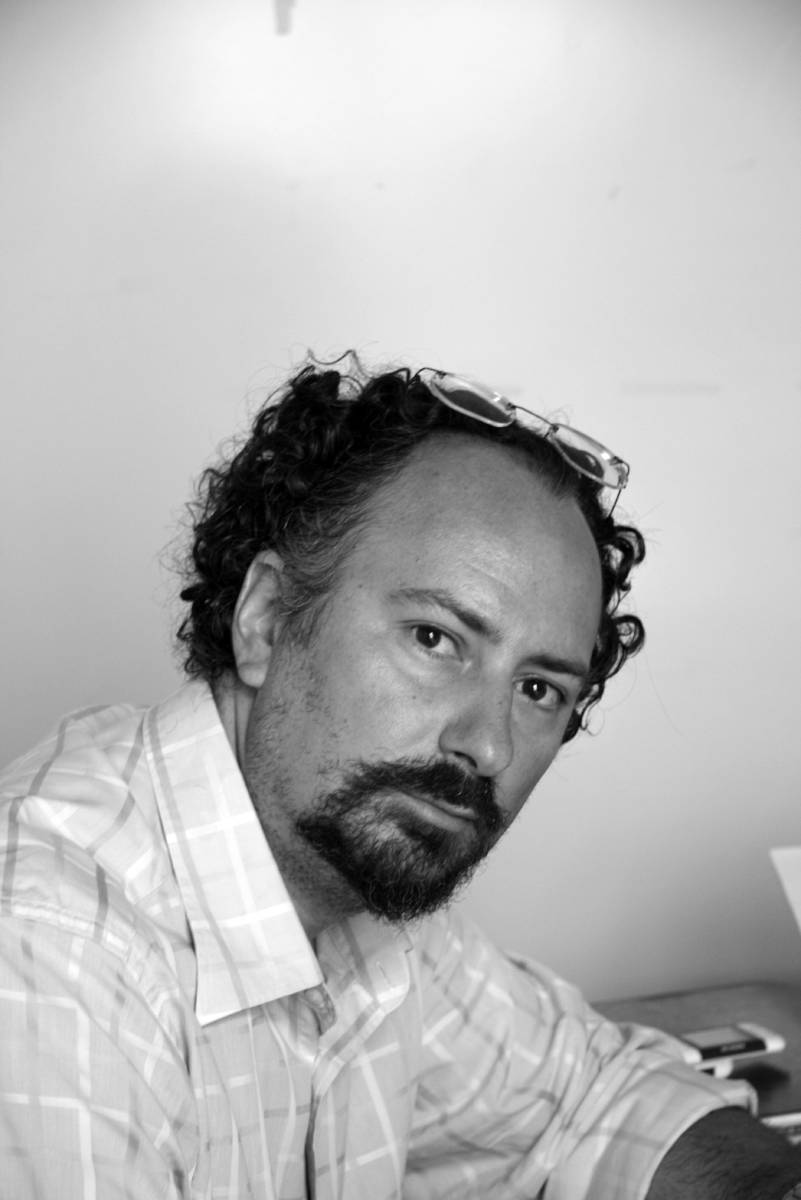
Esteban Porrini. Photo: Gio.
Diabetes and obesity in kidney health
The project “Diabetes, obesity and kidney”The project aims to study the renal consequences of diabetes and obesity, as approximately 10 to 15% of the EU population suffers from chronic kidney disease, and this figure is expected to rise in the coming decades. Currently, diabetes is the leading cause of chronic kidney disease in the EU: around 30% of patients on dialysis have diabetes. Furthermore, the European region is facing an overweight and obesity pandemic, which carries an increased risk of kidney disease for overweight and obese individuals.
Research into the renal consequences of diabetes and obesity is one of the main objectives of the Chronic Kidney Disease and Transplantation research group at Institute of Biomedical Technologies from the University of La Laguna, directed by Esteban Luis Porrini, researcher at the Department of Internal Medicine, Dermatology and Psychiatry.
The group has experience in clinical and basic research in the areas of obesity, diabetes, and kidney disease. However, to advance its work and establish itself as a leading group in this field, it has been necessary to strengthen its research capacity, increase its visibility, and expand its collaborative networks.
Therefore, this project, which began in January 2023 and will end in December 2025, is being developed in collaboration with two leading institutions in Europe: Hovedstaden Region (Denmark) and Oslo University Sykehus HF (Norway), with the aim of enhancing the group's research capacity, improving its ties with the pharmaceutical industry, and laying the groundwork for the creation of the Renal Function Laboratory. This service will boost both research and the provision of services to other scientific groups and the pharmaceutical sector.
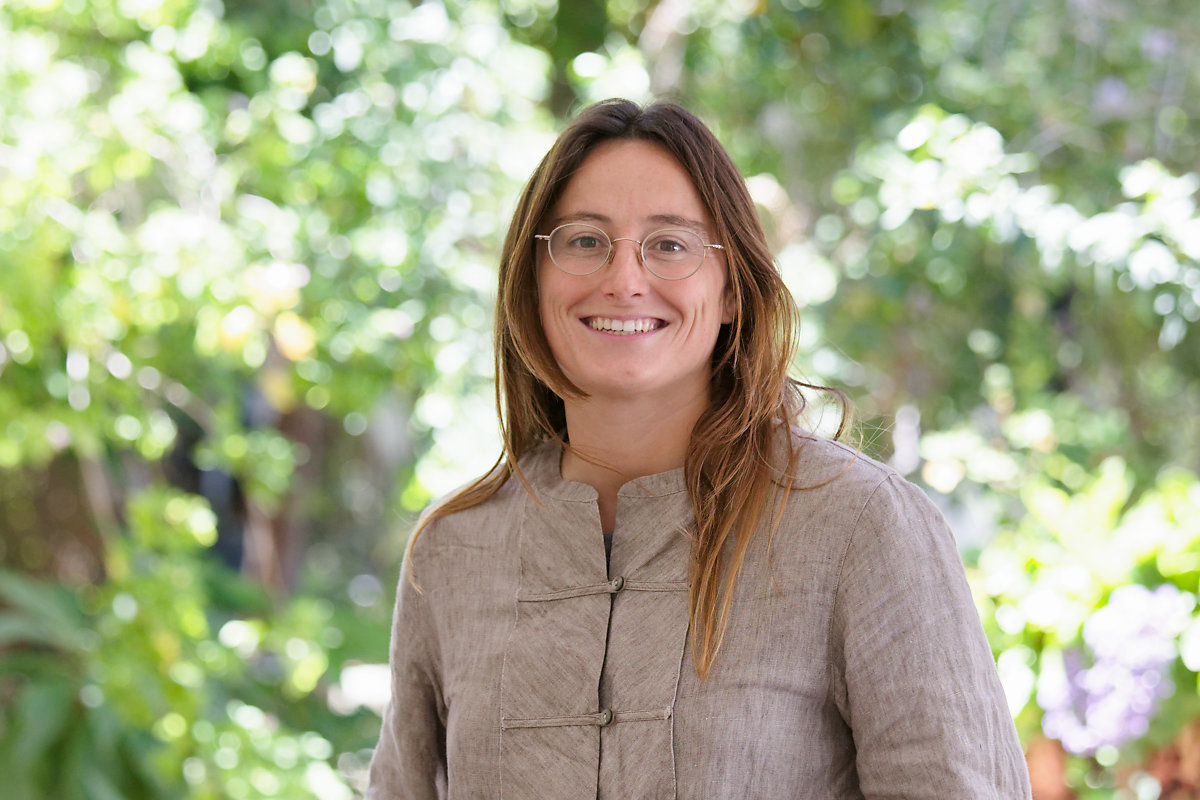
Olga Movilla.
Schrödinger bridges to open quantum systems
Quantum physics underlies emerging technologies such as quantum computers and ultra-precise sensors. However, controlling these systems at the quantum level is no easy task because their behavior is inherently unpredictable and extremely sensitive to their surrounding environment.
To address this challenge, the project “Schrödinger bridges to open quantum systems”This research project aims to develop a theory for controlling and estimating the dynamics of these systems. It proposes extending classical theories of random processes to the quantum realm, with the goal of optimally modeling and controlling the evolution of open quantum systems. Ultimately, this will facilitate the development of more robust and efficient quantum technologies.
The project has a duration of two years, began in January 2025 and will end in December 2026. It is led by Luis Alberto Correa Marichal y Olga Movilla Miangolarra, research staff of the Department of Physics.
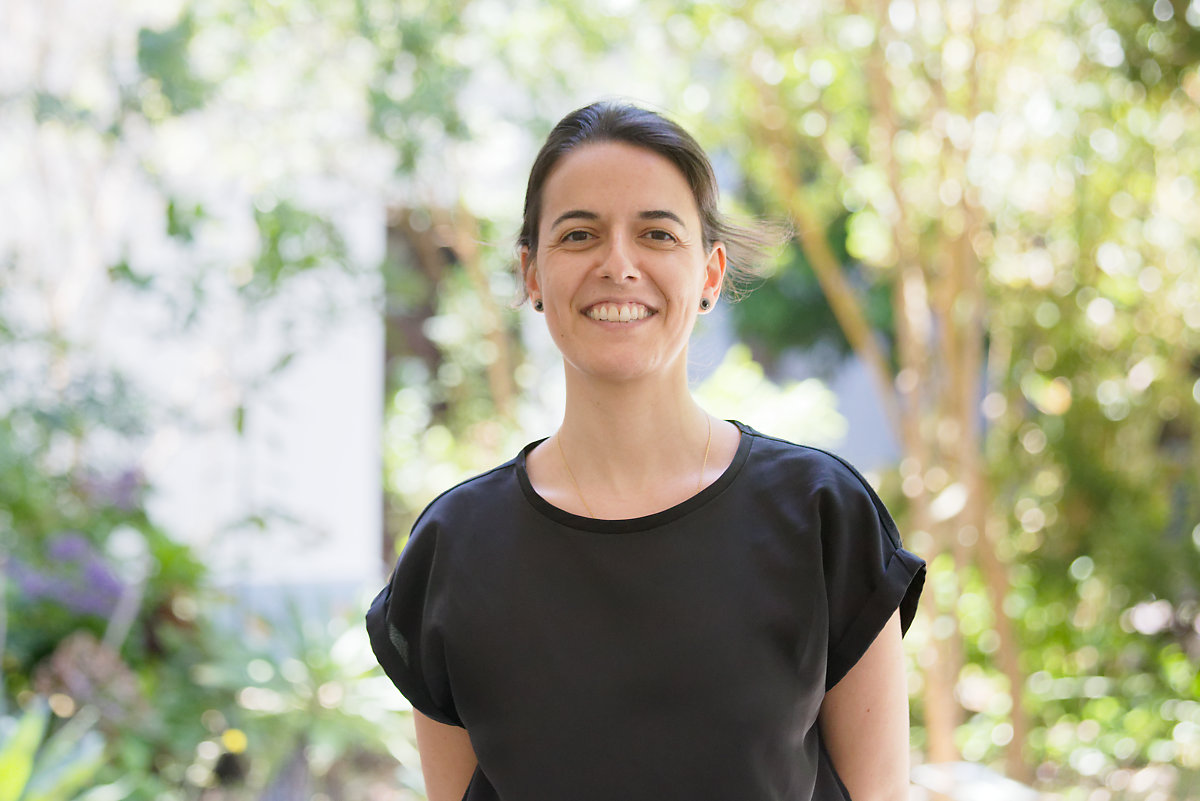
Emma Fernández.
Temporal evolution of the Milky Way
Understanding how galaxies form and evolve is one of the main goals of astrophysics. The Milky Way offers invaluable information. Its proximity allows for detailed examination of the characteristics of its stars, which in turn helps reconstruct its formation history. For this reason, the international community, especially in Europe, has made significant investments in observational resources, such as the Gaia mission, to study our galaxy in the coming decades.
The project “Temporal Evolution of the Milky Way Properties from an Observational and Theoretical Synergy” (TEMPOS) focuses on unraveling the chronology of events that led to the formation of the Milky Way through detailed analysis of its stellar populations. Its goal is to reconstruct the evolution of our galaxy over time, providing the temporal dimension that is currently missing from many studies.
Although progress has been made in the last decade in understanding the chemodynamic and accretion history of the Milky Way, a reliable methodology for accurately estimating stellar ages in large, representative samples is still lacking. This limitation complicates a complete interpretation of observed properties in relation to the processes that have shaped the galaxy to this day.
TEMPOS aims to overcome this challenge by developing an innovative methodology to obtain precise age distributions, integrated with chemical and dynamical information. To achieve this, a technique already used in nearby galaxies—color-magnitude diagram fitting—will be applied for the first time in the Milky Way. Thanks to Gaia's unprecedented precision, this technique will allow for stellar ages as accurate as those provided by asteroseismology, but applicable to much larger samples and without significant bias.
The project, led by Emma Fernández Alvar, a researcher in the Department of Astrophysics, and supervised by Carme Gallart, from Institute of Astrophysics of the Canary Islands (IAC), began in September 2023 and will end in August 2025. Researchers from various institutions, both national and international, also participate, such as Leticia Carigi (National Autonomous University of Mexico), Tomás Ruiz-Lara (University of Granada) and Chris Brook (University of La Laguna).
TEMPOS aims to optimize the study of galactic archaeology through a comprehensive approach, combining current and future observational data with theoretical tools. Specifically, it seeks to obtain precise age distributions for kinematically defined stellar populations and relate them to their chemical properties. Furthermore, it proposes to model the chemical evolution and gas flows in the galaxy and compare these results with theoretical models and cosmological simulations to better understand the accretion history and internal evolution of the Milky Way.
This research aims to improve the estimation of stellar ages. Although the availability of data on the chemical composition and orbital dynamics of stars has increased, accurately determining their ages remains a challenge. Traditional methods have large uncertainties, and while asteroseismology is accurate, it can only be applied to a limited number of stars. TEMPOS represents a more precise and scalable alternative, capable of more effectively leveraging both observational data and current theoretical tools.
INTERREG Program
In addition to Horizon Europe, other very attractive international projects of European scope are those of the European Territorial Cooperation Programme, better known as INTERREG, INTERREG is an initiative designed to foster cooperation between European regions and countries, focusing on border areas, with the aim of joining forces to address common challenges and promote balanced territorial development. Currently in its sixth edition, INTERREG VI, 2021-2027, this funding program includes the MAC Interreg cooperation and research projects, specifically related to the Madeira, Azores, and Canary Islands region. Its objective is to promote cooperation between the EU's outermost regions and neighboring countries in the African Atlantic, such as Cape Verde, Senegal, Mauritania, and Morocco.
This program is financed through the European Regional Development Fund (FEDERThe program promotes innovation projects in key sectors such as health, energy, biotechnology, and the environment, as well as research in sustainable development and climate change. It also aims to boost the competitiveness of local economies and foster regional integration between Europe and Africa. Currently, two international cooperation projects are underway under the MAC Interreg program, led by researchers from the University of La Laguna: TecnoMac and ALSEMAC, which have secured funding exceeding €6.4 million.
The university is also involved in ten other projects within this same program, led by various institutions and research centers. These are: “Increasing applied research, innovation, and public-private knowledge transfer in the water industry through resource sharing”; “Technology and smart microclimate management for adaptation to a changing climate in the Macaronesian macro-region and third African countries”; “Renewable biological natural resources as a source of extraction compounds to boost the industrial sector, science, and technology, within a framework of circular economy and ecological sustainability”; and “Strengthening the connection between research, industry, and society to promote sustainable, productive, and resilient aquaculture.”.
This list continues with the projects “Strengthening cross-border open innovation: boosting R&D&I in Macaronesia and West Africa”; “Weaving a sustainable future: boosting the circular economy of the textile sector”; “Cooperation and research for the improvement of production, marketing and food safety of fishery and aquaculture products in the Macaronesian region and third countries”; “Strategic and innovative renewable energies to boost the transition towards climate neutrality in Macaronesia”; “Development and monitoring of coordinated actions in the Macaronesian region regarding risks and threats of climate change” and “Environmental impact assessment in coastal and shoreline areas due to the effect of climate change”.
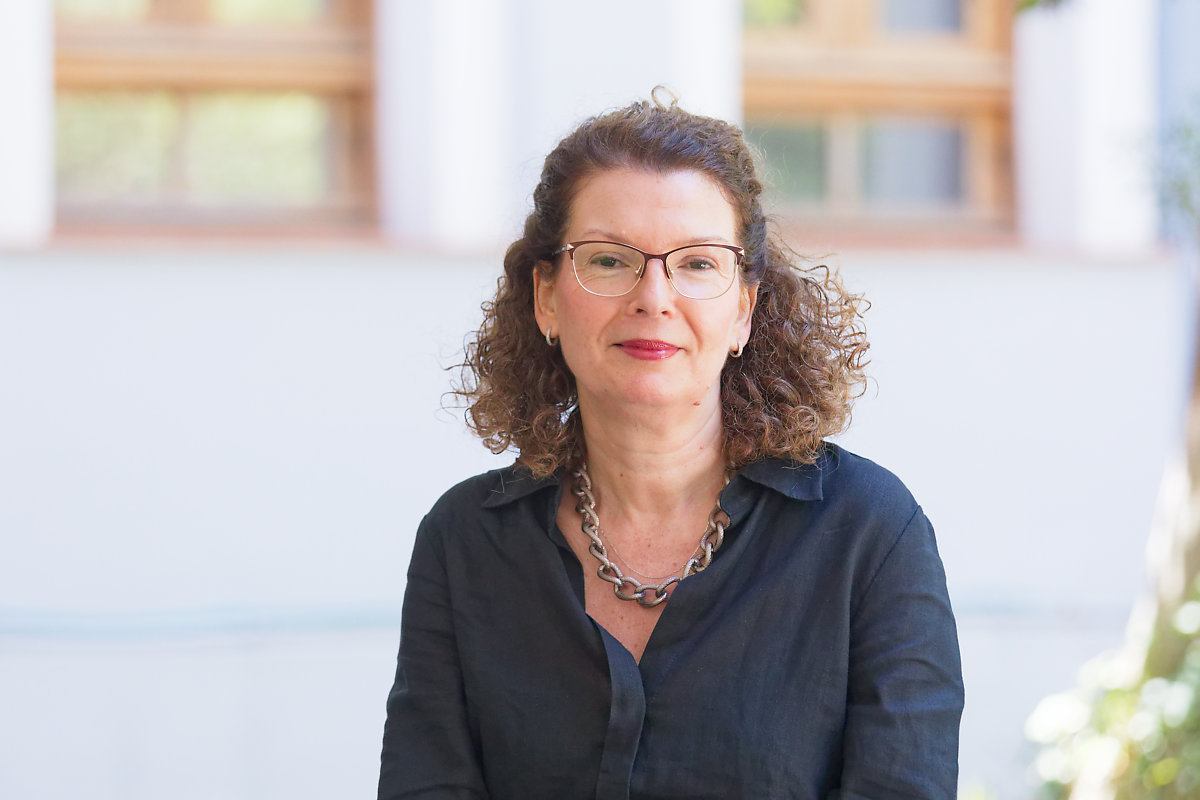
Emma Carmelo.
Innovation in agri-food, health and tourism
The project TecnoMac TecnoMac aims to develop innovative technologies to facilitate the detection of pathogens and other foodborne risks, with the goal of strengthening food safety and public health in the Macaronesia region and associated countries. During the project, advanced methodologies for identifying microbiological and chemical risks in food will be designed and evaluated, with the aim of providing innovative and applicable solutions that improve quality control and safety throughout the agri-food chain. In this way, TecnoMac also seeks to contribute to the sustainable development and well-being of the various communities living in this area.
Led by a researcher in the parasitology area of the University of La Laguna Emma Carmelo, TecnoMac is structured on the basis of multidisciplinary collaboration with partner entities, which are the Institute of Natural Products and Agrobiology (IPNA-CSIC), the General Foundation of the University of La Laguna and entities from Cape Verde and São Tomé and Príncipe.
Following the launch event with the participation of partner organizations in February 2025, this four-year project focuses on three main objectives: developing and transferring methodologies to detect emerging contaminants, agri-food quality markers, and pathogens relevant to the agri-food and health sectors; training and raising awareness on these topics of interest for innovation in the agri-food, health, and tourism sectors in the Canary Islands and São Tomé and Príncipe; and establishing an infrastructure capable of performing analyses for the detection of these key markers that drive innovation in these three sectors.
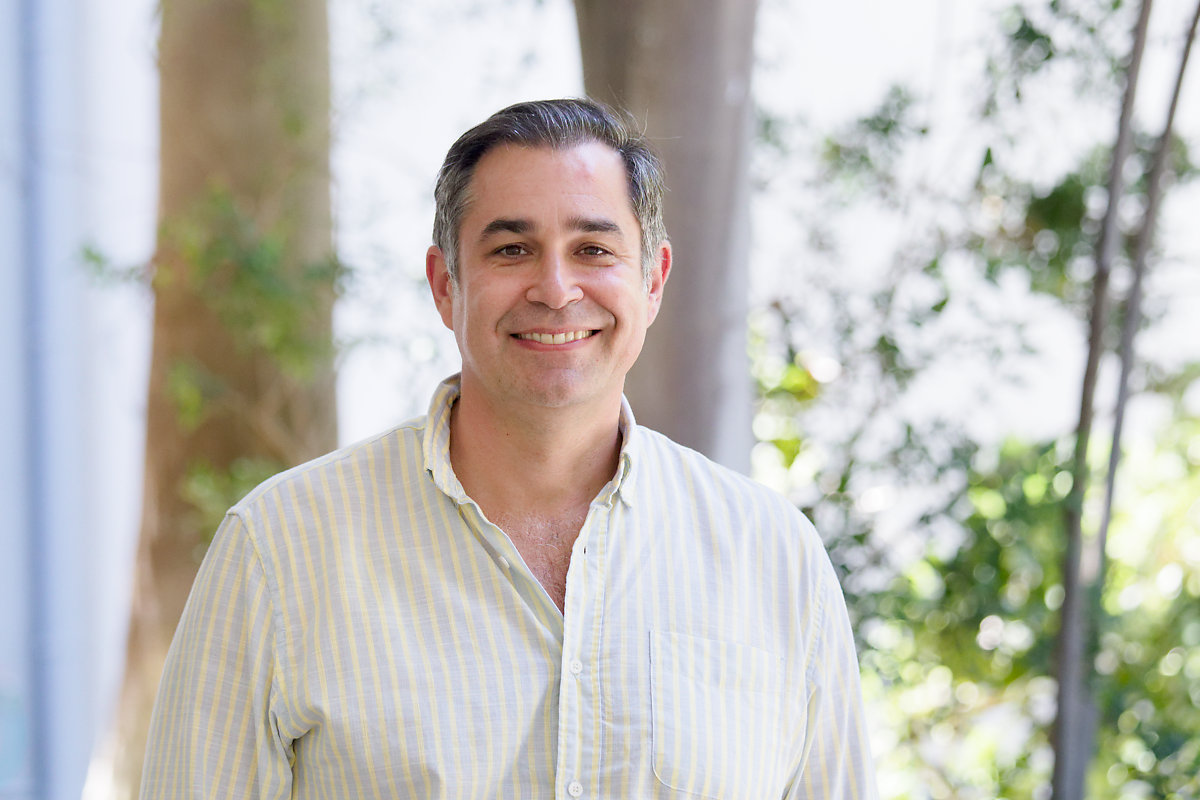
Angel Jose Gutierrez.
Food security and circular economy
The project ALSEMAC (Safe, Healthy, and Sustainable Food Produced within an Efficient Circular Economy Framework) is an initiative focused on promoting responsible food production and consumption, based on the principles of an efficient circular economy and food safety. This project, which builds upon a previous one, aims to minimize dependence on imported food, reduce environmental impact and carbon footprint, as well as the excessive use of pesticides and fertilizers, and promote sustainable local production by encouraging the consumption of local foods. It also includes the cross-cutting objective of monitoring potential food hazards in the participating regions.
The ALSEMAC project is led by the professor in the Toxicology area of the University of La Laguna Angel Jose Gutierrez, and it involves Canarian institutions such as the Technological Institute of the Canary Islands; he Canary Islands Institute of Agricultural Research; the Ministry of Agriculture, Livestock, Fisheries and Food Sovereignty of the Government of the Canary Islands and the University of Las Palmas de Gran Canaria, as well as other research centers in the Canary Islands, Madeira, the Azores, Cape Verde, Senegal, Ivory Coast and Ghana.
The ALSEMAC project has three specific objectives: to identify the hazards associated with food consumption, including pesticides, antibiotic residues, mycotoxins and inorganic contaminants; to promote sustainability in food production through the circular economy, reducing the use of pesticides, promoting organic fertilization and encouraging agroecological practices; and to promote the responsible and safe consumption of healthy and sustainable food.
A second call for proposals for the Interreg MAC program, aimed at supporting interregional cooperation projects, is expected to open during the summer, with a budget of 200 million euros.
Communications Office

 Spanish
 English
 French