The General Research Support Service (SEGAI) at the University of La Laguna provides scientific, instrumental, and technical support to research within the institution itself and in collaboration with external entities. Digital Design and Fabrication Laboratory It functions as a comprehensive service dedicated to the design and production of digital and physical objects through the use of 3D CAD design software and machinery that allows the projection of these objects through their printing in plastics, resins and other materials.
This service has multiple applications, ranging from artistic production to product design in engineering and architecture, as well as scientific dissemination through advanced graphic technologies.
The Digital Design and Fabrication Laboratory is located in the Faculty of Fine Arts on the Guajara Campus, and its activities are structured around two main lines of research. Firstly, it develops digital fabrication processes using advanced graphic technologies, including the creation of three-dimensional objects through CAD modeling, as well as the animation of complex structures or processes for visual explanation. Secondly, it can materialize digital designs into physical objects, adapting them to specific formats through 3D printing or laser cutting.
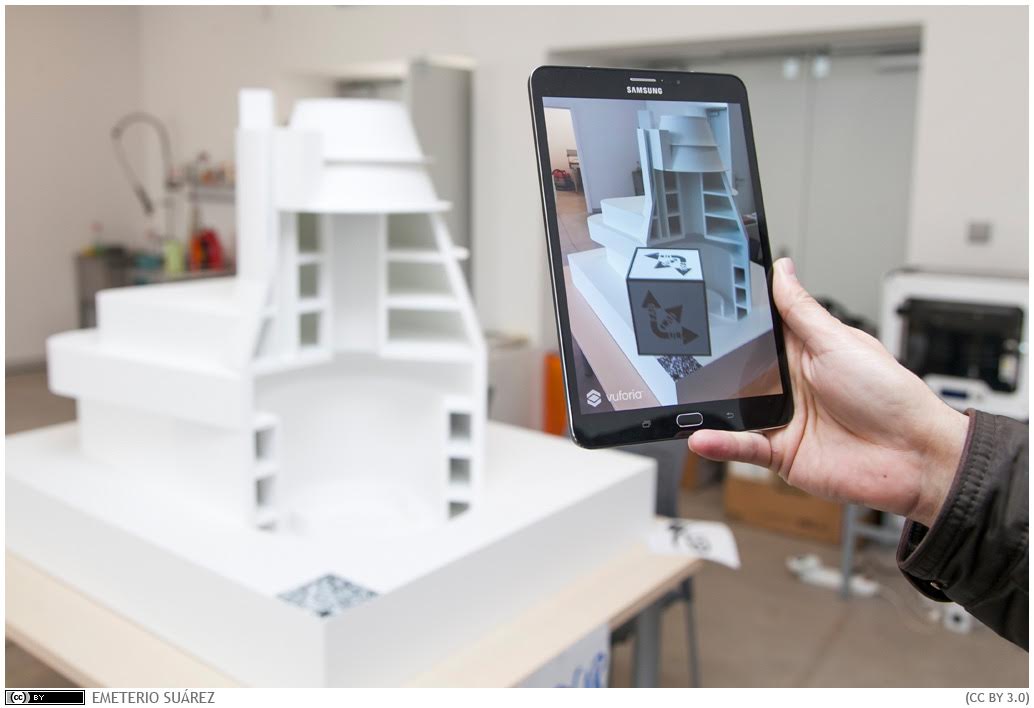 The laboratory currently boasts advanced equipment, including a laser cutter and several 3D printers that work with PLA (polylactic acid) plastic and aqueous resin, the latter offering superior resolution and detail definition. In addition, it has high-end computers equipped with top-tier digital design software to ensure maximum precision and quality in creative and production processes.
Applications
The person in charge of the service, Manuel Drago Díaz Alemán, Professor [Name], a tenured professor in the Sculpture department, points out that this SEGAI service is extremely useful for promoting and disseminating research results and specialized knowledge. During the creation of animated audiovisual content to illustrate complex scientific processes, collaboration with specialists is essential, as it allows for the development of high-quality materials that accurately represent specific aspects such as cellular function or the cracking process in works of art.
The service has collaborated with research groups in areas such as Chemistry, Biomedicine, Physics, Astrophysics, and Art Conservation and Restoration. In addition to its outreach work, it has also produced audiovisual materials for educational purposes, aimed at master's degree programs. Regarding training, it is worth highlighting the wide range of courses offered to the university community to provide skills in 3D animation, modeling, and texturing techniques.
Furthermore, in the field of object manufacturing, the service provides essential support to members of the university community from disciplines as diverse as Engineering, Fine Arts, and Biology, contributing to the design and production of equipment parts, enlarged models of microscopic objects, and the creation of works of art. One of its most recent collaborations has been in the field of archaeological research, with the 3D reproduction of a piece of wood found in an excavation, which allowed for the revelation of the material's internal structure.
For Esteban Amador, An assistant professor and specialist in 3D modeling and animation technologies for scientific illustration, the creation of enlarged models of microscopic archaeological samples exemplifies the importance of these tools in scientific outreach. Not only do they facilitate larger-scale visualization, but 3D printing also offers a comprehensive exploration of the structure, impossible to achieve with just a microscope.
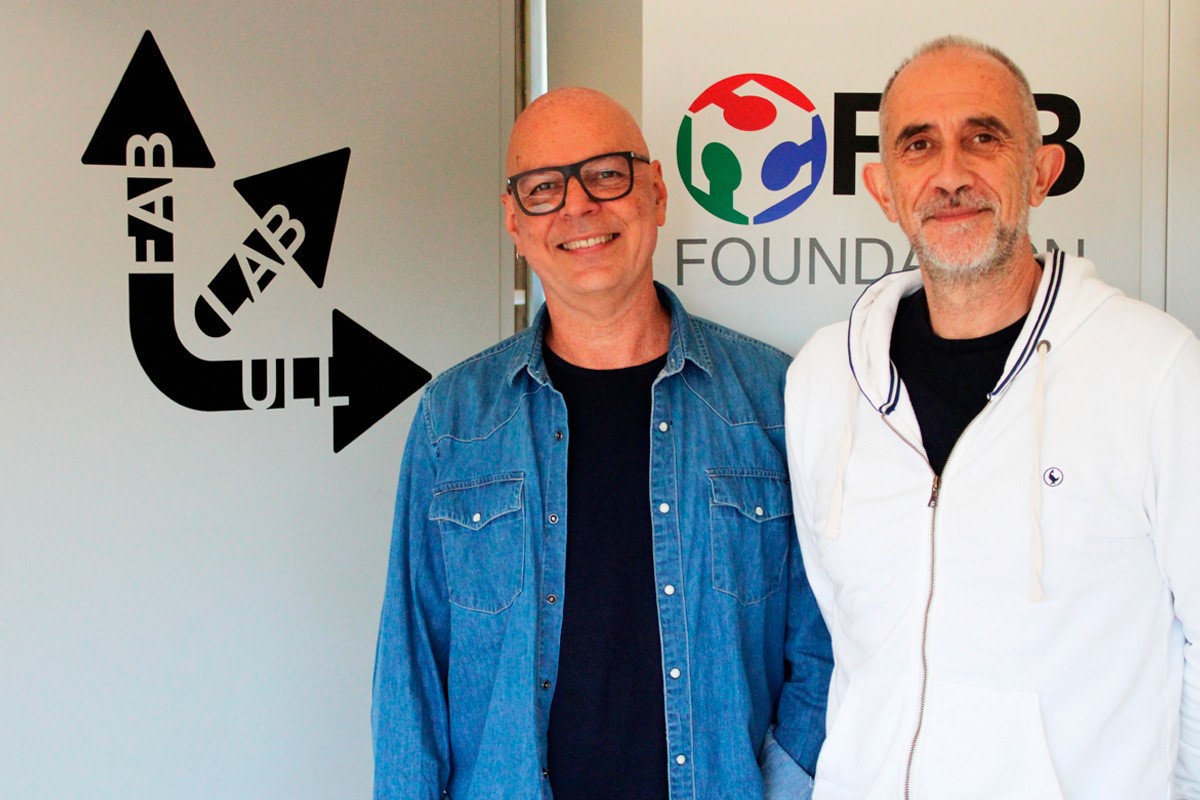
Díaz Alemán highlights that the Digital Design and Fabrication Laboratory belongs to The Fab Foundation, an international network for digital creation, and emphasizes the service's rapid growth since its inception, with an increasingly multidisciplinary focus. Some of the audiovisual content produced by the Digital Design and Fabrication Laboratory can be viewed on the channel of Fab Lab on YouTube.

 Spanish
 English
 French